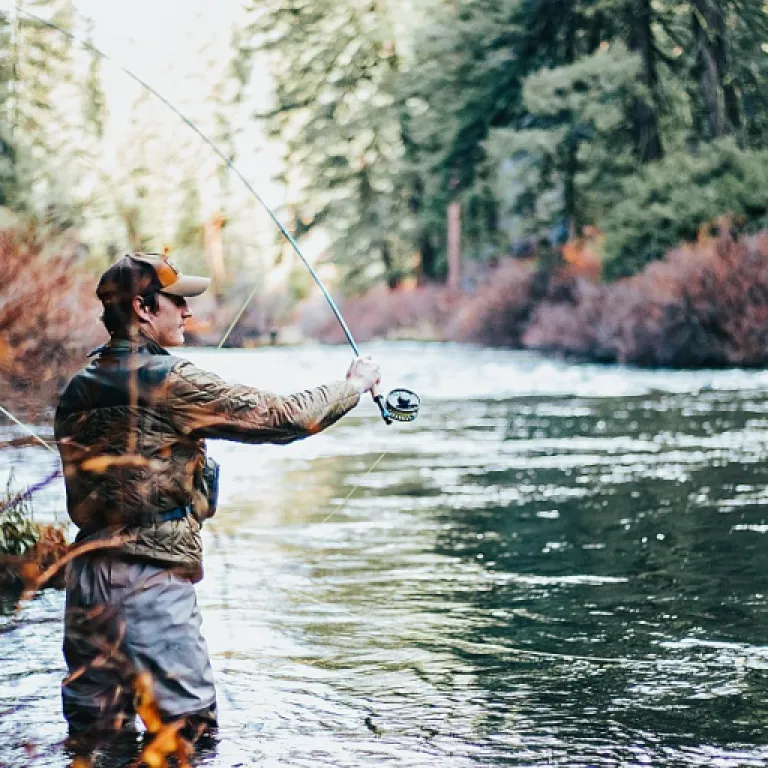
Why a red fishing rod changes how you see every strike
A carefully chosen red fishing rod can make subtle bites easier to read. When the blank contrasts against grey water or dark banks, the rod will transmit both visual and tactile cues that help you react faster to every fish. This matters whether you are working lures and baits for trout in a clear river or targeting redfish along a stained estuary shoreline.
Many recreational anglers still treat any rod, pole, or fishing pole as interchangeable, yet the colour and finish influence how well you track line angles and tip movement during casting. A bright crimson rod stands out against overcast skies, so the fishing rod becomes a precise indicator of lure depth, current pressure, and subtle takes that a dull blank might hide. When you pair that visibility with a sensitive carbon construction and a balanced spinning reel or low profile casting reel, you gain a system that turns faint taps into clear signals.
On crowded boats or piers, a distinctive red-coloured rod also reduces mix ups between similar looking rods and reels, which protects your tackle and saves time. If you fish with family, a colour coded red fishing rod combo lets you assign one setup to each angler so every reel combo, rod reel, and tackle box stays organised. That simple visual system keeps your best items ready for action and prevents someone from grabbing a heavy power setup when a light spinning combo would handle trout or panfish far better.
Matching red rods, reels, and line to your target species
Choosing the best red fishing rod starts with your main species and waters. For inshore redfish and mixed saltwater freshwater use, a 2,1 to 2,4 metre carbon blank with medium or medium heavy power covers most lures, baits, and live bait rigs. In contrast, a shorter 1,8 to 2 metre rod will feel more precise for trout streams, where roll casting and tight quarters matter more than raw distance.
Spinning rods in the 10 to 30 gram casting range pair well with a 2500 to 3000 size spinning reel for estuary redfish, while a lighter 2000 size reel combo suits river trout and perch. When you assemble a redfish rod combo, match braid diameter to lure weight so the rod will load properly and the reel can manage drag smoothly under sudden power surges. For anglers who prefer a casting setup, a compact baitcasting reel on a fast action red fishing rod gives superior control for pitching soft plastics around mangroves or docks.
Colour coordination is not only about style, because a red fishing pole with high visibility braided line helps you track drift and swing angles at distance. If you often fish with children, pairing a red rod with bright, easy-to-spot clothing keeps everyone visible and safe near the water. That way your fishing rods, clothing, and tackle choices all work together to support clear communication, quick reactions, and safer family sessions on the bank or boat.
| Target | Rod length | Power / action | Reel size | Main line rating |
|---|---|---|---|---|
| Inshore redfish | 2,1–2,4 m | Medium–medium heavy / fast | 2500–3000 spinning | 8–15 kg braid |
| River trout | 1,8–2,0 m | Light / moderate fast | 2000 spinning | 2–6 kg mono or braid |
| Mixed estuary species | 2,1–2,3 m | Medium / fast | 2500–3000 spinning or low profile casting | 6–12 kg braid |
Understanding action, power, and carbon construction in red rods
The backbone of any red fishing rod is its blank, and most modern designs rely on carbon fibre for strength and sensitivity. A fast action blank bends mainly in the top third, so the rod will cast accurately and set hooks quickly when a fish hits close to structure. Moderate or moderate fast action spreads the load deeper, which protects lighter leaders when trout or redfish surge near the net.
Power describes how much force it takes to flex the blank, and heavy power redfish rod models suit jigs, big lures and baits, and strong saltwater freshwater currents. Medium power rods handle a wider range of items, from soft plastics to small plugs, making them ideal as a first red fishing rod for mixed species. Light power spinning rods shine when you want delicate presentations for wary trout in clear rivers, where a softer fishing pole cushions sudden runs on thin line.
High modulus carbon reduces overall weight while keeping strength, which means the rod reel balance stays comfortable during long casting sessions. When you combine a carbon red fishing rod with a compact smart reel that tracks every cast, you gain data on distance, cadence, and retrieve speed without sacrificing feel. Anglers who fish often will appreciate how a well tuned reel combo and quality carbon blank reduce fatigue, letting them maintain precise control over lures and baits through an entire tide cycle.
Price, value, and how to read online offers for red rods
Evaluating the price of a red fishing rod requires more than glancing at a sale banner on a marketplace such as Amazon. Look beyond the regular price and any flashy sale price to understand the unit price of the blank, guides, and reel seat quality you are actually getting. Some listings show a lower price unit but cut corners on components, which can cost more when a guide frame corrodes or a reel seat fails during a strong fish.
Responsible retailers clearly separate the price regular from any temporary price sale, and they explain whether free shipping applies for a limited time or as a standing policy. When you compare several red fishing rods, calculate the effective unit price by dividing the total cost, including shipping, by the number of seasons you realistically expect to use the rod. A slightly higher regular price for a durable carbon blank often beats a bargain sale price on a fragile pole that needs replacing after one harsh saltwater freshwater trip.
Combo deals can offer strong value when the rod reel pairing is well matched, but some reel combo packages inflate the headline price and then show a dramatic sale price to create urgency. Study the specifications to confirm that the spinning reel or casting reel suits the rod power, line rating, and your target fish rather than trusting marketing alone. If an offer promises multiple items, such as a red fishing rod, a basic tackle kit, and lures or baits, ask whether each piece meets your standards or whether you are paying extra for gear you will quickly replace.
Practical rigging tips for redfish, trout, and mixed species
On tidal flats where redfish cruise shallow edges, a medium heavy power red fishing rod with fast action excels for soft plastic jerkbaits and weedless spoons. Pair this rod with a quality spinning reel spooled with 10 to 15 kilogram braid and a fluorocarbon leader, and the rod will drive hooks home even at long range. A redfish rod in this class also handles light jig heads tipped with shrimp, giving you flexibility as conditions change through the tide.
For river trout, a lighter red fishing pole in the 2 to 10 gram casting range keeps presentations subtle and accurate. Match it with a compact spinning reel and small lures or baits such as inline spinners or 5 centimetre minnow plugs, and you will feel every head shake through the carbon blank. In clear pools, the visibility of a red fishing rod helps you monitor rod tip vibrations, so you can distinguish between bumping stones and a tentative fish mouthing the lure.
Mixed saltwater freshwater trips demand versatile fishing rods that can handle estuary redfish one day and lake perch the next. Choose a medium power red fishing rod combo rated for 7 to 28 gram lures, then adjust leader strength and lure size to match each species. For anglers who fish around abrasive structure, pairing that combo with corrosion resistant terminal tackle and stainless steel leaders, as explained in a detailed guide on why stainless steel fishing wire matters for serious recreational anglers, protects both your gear and your catch rate.
Buying channels, warranties, and long term care for red rods
Whether you buy a red fishing rod from a local tackle shop or an online platform such as Amazon, pay close attention to warranty terms and after sales support. A clear policy on defects, accidental damage, and replacement sections often justifies a slightly higher regular price because it protects you when a blank fails under normal use. Some brands also offer limited time registration bonuses, such as extended coverage or discounted reel combo upgrades, which add value beyond the initial price tag.
When comparing offers, check whether free shipping applies to long items like fishing rods, because courier surcharges can quietly raise the effective unit price. If a retailer lists both a price regular and a sale price, confirm that the discount is genuine by checking historical pricing or asking the shop directly. Transparent sellers will explain how the price unit reflects materials, labour, and logistics, while less reliable vendors may hide costs in handling fees or inflated accessory bundles.
Long term performance of any redfish rod depends on simple maintenance habits that many anglers overlook. Rinse your red fishing rod, reel, and tackle with fresh water after every saltwater freshwater session, then dry them thoroughly before storage to prevent corrosion. Store rods vertically or in horizontal racks to avoid blank warping, and inspect guides regularly so a tiny crack does not cost you the best fish of your season. As one experienced inshore angler puts it, “Treat your rod like a favourite tool, not a disposable toy, and it will quietly add fish to your net for years.”
Key statistics and market insights for red fishing rods
- Trade groups such as the European Fishing Tackle Trade Association report that spinning rods and casting rods built on carbon blanks make up a large share of new rod sales in many European markets, reflecting anglers’ preference for lighter and more sensitive gear. In recent EFTTA summaries, carbon-based designs consistently outnumber fibreglass models in mid and upper price brackets.
- Industry surveys from the American Sportfishing Association consistently show that combo packages, which bundle a fishing rod and reel, account for a significant portion of beginner purchases, underlining how important well matched rod reel sets are for new recreational fishermen. ASA participation reports indicate that entry-level anglers are more likely to start with a pre-balanced combo than with separate components.
- Retail data from major online platforms indicate that free shipping offers can noticeably increase conversion rates on long items such as fishing rods, highlighting how strongly logistics and total price influence buying decisions. Internal marketplace case studies often show double digit percentage lifts in sales when shipping thresholds are met for bulky tackle.
- Inshore saltwater anglers targeting redfish and similar species often choose medium or medium heavy power rods between 2,1 and 2,4 metres, a range frequently highlighted in tackle shop sales reports as the most versatile length for mixed lure and bait work. Store buyers regularly cite this segment as the core of their coastal rod inventory.
- Warranty information from large rod manufacturers shows that improper storage and transport cause a substantial share of blank failures, which means careful handling can extend the practical life of a red fishing rod by several seasons. Brand service departments routinely log damage from car doors, roof racks, and overloaded rod lockers as leading non-defect claims.
FAQ about red fishing rods
What length of red fishing rod is best for inshore redfish
For inshore redfish, a red fishing rod between 2,1 and 2,4 metres with medium or medium heavy power offers an excellent balance of casting distance and control. This length lets you work lures and baits accurately around mangroves, docks, and oyster bars while still steering strong fish away from structure. Shorter rods feel more precise in tight spaces, but they sacrifice some reach when you need long casts across shallow flats.
Should I choose a spinning or casting red fishing rod combo
Most recreational anglers find a spinning red fishing rod combo easier to learn, especially for lighter lures and windy conditions. Casting combos shine when you want pinpoint accuracy and faster line control for techniques such as pitching jigs or skipping soft plastics under cover. If you are unsure, start with a medium power spinning setup, then add a casting combo later once your casting skills and tackle preferences are clearer.
How much should I expect to pay for a quality redfish rod
A reliable redfish rod built on a carbon blank with corrosion resistant guides typically sits in the mid range of the market. You can find workable options at a lower regular price, but very cheap rods often compromise on durability and sensitivity. When comparing offers, consider the total unit price over several seasons of use, including any free shipping, warranty coverage, and the real value of any bundled items.
Can one red fishing rod handle both saltwater and freshwater trips
Yes, many medium power red fishing rods are designed for mixed saltwater freshwater use, provided they feature corrosion resistant components and are rinsed after every sea session. A 2,1 to 2,4 metre rod rated for 7 to 28 gram lures can cover estuary redfish, lake predators, and heavier trout work. The key is to adjust line strength, leader material, and lures or baits to match each species while keeping the same versatile blank.
How do I maintain the colour and finish of a red fishing rod
To preserve the finish of a red fishing rod, rinse it gently with fresh water after each trip and wipe it dry with a soft cloth. Avoid harsh detergents or abrasive pads that can dull the paint and weaken protective coatings around guides. Storing rods out of direct sunlight and away from sharp tackle also helps keep the colour bright and the blank free from cosmetic damage.
One-line buyer checklist: Match rod length, power, and reel size to your main species, confirm corrosion resistant components and a clear warranty, and compare total cost per season—including shipping and any combo extras—before you buy.