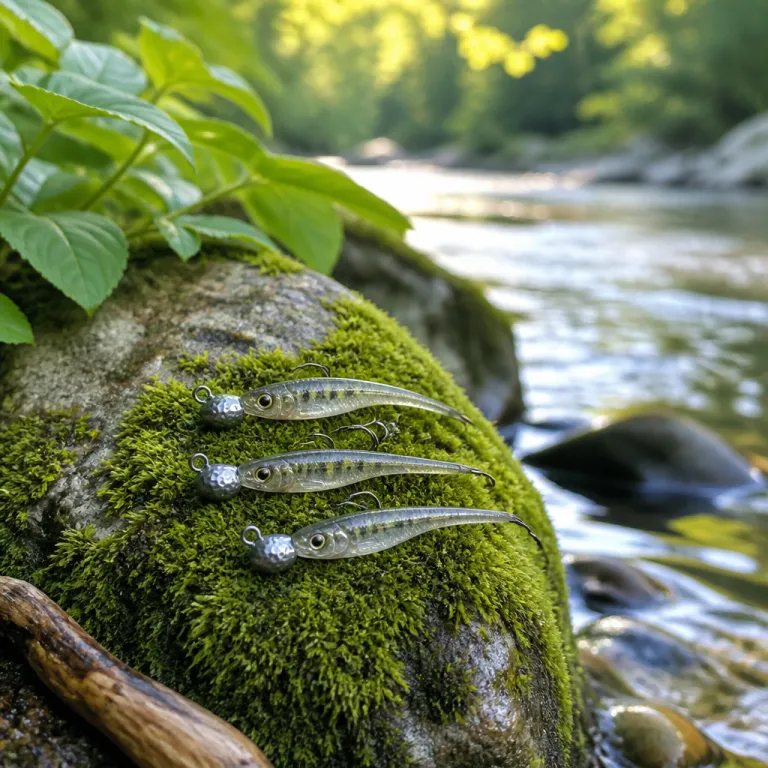

Minnow jig heads: dialing in pressured bass and crappie
Minnow jig heads give pressured fish a compact, finesse profile that still looks like a real baitfish, which is why they show up in so many modern bass and crappie tactics. When bass and crappie see hundreds of larger lures every week, a subtle minnow jig with a fine wire hook and a realistic head often triggers the only strike of the day. Many anglers underestimate how a small change in jig style or head shape can turn a slow fishing session into a steady pick of quality fish, especially on clear, heavily pressured lakes.
On clear lakes where bass fishing pressure is intense, a slim minnow style body on a light ball head jig lets you present soft plastics with a natural glide that nervous fish accept more readily. Crappie holding on deep brush often ignore big profile baits, yet they will inhale a small soft plastic minnow rigged on a 3 g round jighead that matches the local bait size. When you pair the right minnow head weight with a sensitive rod, you feel every subtle tick from fish that are barely going to commit, and you can adjust instantly instead of guessing.
Think of minnow jig heads as precision tools in your fishing tackle rather than generic jig heads for every situation. A perfect jighead for shallow crappie baits is rarely the same jighead you want for vertical bass fishing with forward facing sonar on steep breaks. Before you skip content on lure selection and continue shopping for random baits, take time to match each minnow jig and jighead style to the exact depth, cover, and fish mood you are facing so every cast has a clear purpose.
Why minnow jig heads excel for pressured fish
Minnow jig heads shine when fish have seen every crankbait and spinnerbait in the shop, because they imitate small forage with a compact, non-threatening profile. On many clear reservoirs used for finesse oriented bass tournaments, including recent Bassmaster Open events on venues such as Smith Lake and Lake Hartwell, official results routinely show that a large share of top finishers rely on jig and soft plastic combinations, with minnow style heads and bodies being a dominant category for clear water bass. That pattern reflects what everyday anglers see on the water: subtle minnow jigs keep getting bites long after louder presentations fade.
In real terms, that might mean downsizing from a 10 cm swimbait on a heavy jig to a 7 cm plastic minnow on a 3 g head when the sun gets high and boat traffic increases. Crappie anglers on pressured lakes often report that switching from a bulky tube to a slim minnow profile doubles their catch rate over the course of an afternoon. Because minnow jig heads let you fine tune fall speed, hook size, and body shape, you can keep showing fish a slightly different look until you find the exact combination that turns followers into biters.
On clear lakes where bass fishing pressure is intense, a slim minnow style body on a light ball head jig lets you present soft plastics with a natural glide that nervous fish accept more readily. Crappie holding on deep brush often ignore big profile baits, yet they will inhale a small soft plastic minnow rigged on a 3 g round jighead that matches the local bait size. When you pair the right minnow head weight with a sensitive rod, you feel every subtle tick from fish that are barely going to commit.
Matching minnow jig heads to species, depth, and cover
Target species should be your first filter when you select options for any minnow jig head. Crappie often prefer a small minnow jig with a fine wire hook and a light ball head, while a minnow bass pattern usually needs a stronger hook and a slightly heavier jighead to control bigger fish. As a rule of thumb, crappie anglers lean on 0.45 to 0.55 mm wire hooks, whereas bass jigheads often use 0.70 mm or heavier wire to avoid bending out. When you fine tune jigheads to each species, your fishing soft presentations become more efficient and your hook up ratio improves dramatically.
Depth and current come next, because a minnow style bait that swims perfectly in 2 m of calm water will roll or spin if you drop the same plastic minnows on the same jig heads into 8 m of wind driven chop. For shallow flats, a 2 to 3 g minnow head keeps soft plastic baits above grass, yet still lets you feel the jig through the rod as you swim it slowly. When you move to deep rock or timber, step up to a heavier ball head jighead so your minnow jig reaches the strike zone quickly without drifting off the structure that holds fish, and count the bait down so you know exactly where it is in the water column.
Cover type also dictates which minnow jig heads you tie on before you start fishing. Around brush piles and docks, a compact minnow jighead with an upturned hook angle helps the bait slide through branches and reduces snagging, which is vital when crappie baits must pass tight to cover. For open water bass fishing, you can choose more exposed hook styles that pin fish solidly, similar to the way refined pompano jigs improve hook penetration in surf situations described in this analysis of how refined pompano jigs elevate surf fishing success.
Soft plastics and plastic minnows that pair best with jig heads
The right soft plastic body turns a simple jighead into a lifelike minnow that convinces wary fish. Straight tail plastic minnows on light minnow jig heads excel when fish are neutral, because the bait glides and quivers instead of thumping aggressively. When bass or crappie are actively going after prey, a paddle tail soft plastic on a slightly heavier minnow head creates more vibration and helps fish track the lure from farther away, especially in stained water or low light.
Soft plastics come in many style baits, and each style changes how your minnow jig behaves on the fall and during the retrieve. Slender minnow style bodies cut through current and let you maintain bottom contact with lighter jigheads, which is ideal when you want a natural presentation over rocks or shell. Bulkier soft plastic baits add lift and slow the fall, so you may need a heavier jighead to keep your jig in the strike zone when fishing deeper water or stronger flow, and to stop the bait from washing away from key structure.
Colour and softness also matter, because a very soft bait collapses easily on the hook and improves hook penetration when fish nip at the tail. In stained water, a big profile plastic with a strong silhouette helps bass and crappie locate your minnow jig heads more easily, especially when you combine it with subtle rod twitches. The same logic that makes saltwater anglers trust modern sea shad designs, as discussed in this feature on how Saltwater Assassin style lures reshape modern sea shad fishing, applies directly to freshwater plastic minnows rigged on a well balanced minnow jighead.
Using forward facing sonar with minnow jig heads
Forward facing sonar has changed how many anglers present minnow jig heads to individual fish. Instead of blind casting, you now see each bass or crappie on the screen and can place a single minnow jig precisely above its head. This style of fishing rewards anglers who understand how different jigheads fall and swing in the water column, because you can literally watch fish react in real time and adjust weight or retrieve on the next cast.
When you watch your jig on forward facing sonar, you quickly learn that a small change in ball head weight or plastic size alters the sink rate and the way fish react. A light minnow head paired with a slim soft plastic often hangs longer in front of suspended fish, giving them time to inspect the bait before committing. Heavier jig heads drop faster and can trigger reaction strikes from aggressive bass, but they may spook neutral fish that are not going to chase far, so many anglers keep two or three jig weights rigged and ready.
Rod control becomes critical when you are fishing soft plastics under the beam of facing sonar technology. Short lifts of the rod tip make the minnow jig rise and fall in a tight window, while long sweeps pull the bait away from fish before they can strike. Many anglers now treat minnow bass presentations almost like sight fishing, adjusting jighead weight, plastic minnows size, and retrieve speed in real time as they watch how each fish responds on the screen.
Building a focused minnow jig tackle box
A well organized box of minnow jig heads saves time on the water and keeps your fishing tackle efficient. Start by grouping jigheads by weight, then by hook size, and finally by head style, so you can select options quickly when conditions change. When a school of crappie suddenly moves deeper, you do not want to skip content in your box while fish are actively going to feed and your best window of the day is ticking away.
Carry at least three ball head weights in each hook size you use for minnow and crappie baits, such as 2 g, 3 g, and 5 g for light line work. For bass fishing with larger plastic minnows, add stronger jig heads in the 7 to 14 g range, which keep your minnow jig in contact with the bottom during wind or current. Include a mix of natural minnow style colours and high contrast patterns, because fish often switch preferences as light and water clarity change through the day.
It also pays to keep spare soft plastics and fishing soft bodies close to the matching jighead rows, so you can re rig a perfect jighead and bait combination in seconds. When you finish a session, take a moment before you continue shopping for new gear to note which minnow head styles produced the most fish. Over time, this habit refines your selection of jigheads and helps you build a compact yet highly effective minnow bass and crappie kit.
Advanced presentation tips for minnow jig heads
Subtle presentation separates average anglers from experts when using minnow jig heads. On calm days, a slow swimming retrieve with occasional pauses often keeps the minnow jig in the strike zone longer than constant reeling. When fish follow but do not eat, a sharp rod twitch that makes the soft plastic dart and then stall can trigger instinctive strikes, especially if you let the bait fall back on semi slack line.
Vertical presentations shine when crappie stack on timber or when bass suspend over deep structure, because you can hold a minnow head almost motionless in front of their nose. Use a sensitive rod and light line so you feel every bump as fish mouth the bait without fully committing. If you miss several bites, downsize your plastic minnows or switch to a lighter jighead, which lets the bait move more freely and often convinces finicky fish that the lure is an easy meal instead of a threat.
Do not overlook the value of experimenting with different style baits on the same jighead until you find what fish want that day. Some days a big profile soft plastic draws more attention, while on other days a thin minnow style body outfishes everything else in your tackle box. Keeping notes on which combinations of jig heads, plastic minnows, and retrieve speeds work in each season will steadily raise your success, especially when combined with data driven tools such as smart reels that track every cast, as examined in this article on smart reels that track every cast.
Key statistics about minnow jig head effectiveness
- On many pressured lakes, published results from finesse oriented bass tournaments such as the Bassmaster Open events on clear reservoirs consistently show that a large share of top finishers rely on jig and soft plastic combinations, with minnow style heads and bodies being a dominant category for clear water bass.
- Crappie surveys from state agencies, including creel studies on reservoirs like Alabama’s Weiss Lake and Mississippi’s Grenada Lake, report that anglers using small plastic minnows on light jigheads often match or exceed live bait catch rates, largely because artificial baits stay in the water longer and cover more structure per hour.
- Forward facing sonar adoption among serious freshwater anglers has climbed rapidly according to manufacturer sales reports from brands such as Garmin, Humminbird, and Lowrance, and many of these anglers report that minnow jig heads are their primary lure choice when targeting individual suspended fish they can see on the screen.
- Retail sales data summarized in annual tackle industry reports show that soft plastics and related jig heads represent one of the fastest growing lure segments, with finesse minnow style baits and light ball head jigs leading the increase as more anglers shift from power techniques to subtle presentations.
FAQ about minnow jig heads
What size minnow jig head should I use for crappie ?
For crappie in shallow to mid depth water, most anglers rely on minnow jig heads between 1 and 3 g with small hooks. These lighter jigheads let plastic minnows glide naturally and stay above brush without snagging constantly. In deeper water or strong wind, stepping up to 4 or 5 g helps you maintain contact with the bait.
How do I choose the right hook size for minnow bass fishing ?
For bass fishing with minnow style soft plastics in the 7 to 10 cm range, a size 1 to 1/0 hook on a sturdy jighead usually balances penetration and strength. Larger plastic minnows from 10 to 13 cm often need a 2/0 hook to keep the bait straight and improve hook up rates. Always match hook size to bait length so the point exits near the mid back of the soft plastic.
Are ball head jig heads always the best choice for minnows ?
Ball head jig heads are very versatile and work well for most minnow jig applications, especially in open water or light cover. However, specialised minnow head designs with flattened sides or keel shapes track straighter in current and resist rolling. Around heavy cover, some anglers prefer modified head shapes or weedguard equipped jigheads to reduce snagging.
Can I use the same minnow jig heads for both bass and crappie ?
You can use the same basic style of minnow jig heads for both species, but hook wire diameter and weight should differ. Crappie baits usually perform best on lighter wire hooks and smaller weights, while minnow bass presentations need stronger hooks and sometimes heavier heads to handle powerful runs. Keeping separate boxes for light panfish jigheads and heavier bass jig heads helps avoid mistakes on the water.
What rod and line work best with finesse minnow jig presentations ?
A medium light spinning rod with a fast tip and braided main line between 0.08 and 0.12 mm diameter offers excellent sensitivity for finesse minnow jig work. Adding a fluorocarbon leader between 1.8 and 2.4 m improves stealth and abrasion resistance around cover. This setup lets you feel subtle bites, control jighead movements precisely, and land both crappie and bass efficiently.
Why minnow jig heads excel for pressured fish
On many pressured lakes, published results from finesse oriented bass tournaments such as the Bassmaster Open events on clear reservoirs consistently show that a large share of top finishers rely on jig and soft plastic combinations, with minnow style heads and bodies being a dominant category for clear water bass. Crappie surveys from state agencies, including creel studies on reservoirs like Alabama’s Weiss Lake and Mississippi’s Grenada Lake, report that anglers using small plastic minnows on light jigheads often match or exceed live bait catch rates, largely because artificial baits stay in the water longer and cover more structure per hour.
Forward facing sonar adoption among serious freshwater anglers has climbed rapidly according to manufacturer sales reports from brands such as Garmin, Humminbird, and Lowrance, and many of these anglers report that minnow jig heads are their primary lure choice when targeting individual suspended fish they can see on the screen. Retail sales data summarized in annual tackle industry reports show that soft plastics and related jig heads represent one of the fastest growing lure segments, with finesse minnow style baits and light ball head jigs leading the increase as more anglers shift from power techniques to subtle presentations.
All of these trends point in the same direction: minnow jig heads are no longer niche tackle, but core tools for catching pressured bass and crappie in modern freshwater fishing. By matching head weight, hook size, and soft plastic profile to species, depth, and cover, and by using technology and careful presentation to refine your approach, you can turn tough days into consistent action with compact, realistic minnow jigs.