New south carolina red drum regulations 2026 reshape everyday angling
South Carolina has formally cut the red drum bag limit in half for every recreational angler. Under the updated south carolina red drum regulations 2026, the new bag limit is one red drum per person per day, with a strict boat limit of two fish per boat day in state waters. That change replaces the long standing rule that allowed two drum per person and up to six fish per boat, a shift that will be felt on every weekend fishing trip from Little River to Beaufort.
The Atlantic States Marine Fisheries Commission stock assessment for the southern Atlantic region found the red drum stock overfished, and it confirmed that overfishing is occurring in both state waters and adjacent federal waters. In response, the South Carolina General Assembly passed a bill amending and relating to saltwater game fish management with overwhelming bipartisan support, directing the Department of Natural Resources and its marine fisheries biologists to tighten catch limits and size limits. For recreational fishermen, that means the red drum slot size limit has moved from 15–23 inch fish to a wider 18–25 inch window, with any fish below 18 inches or above 25 inches released immediately.
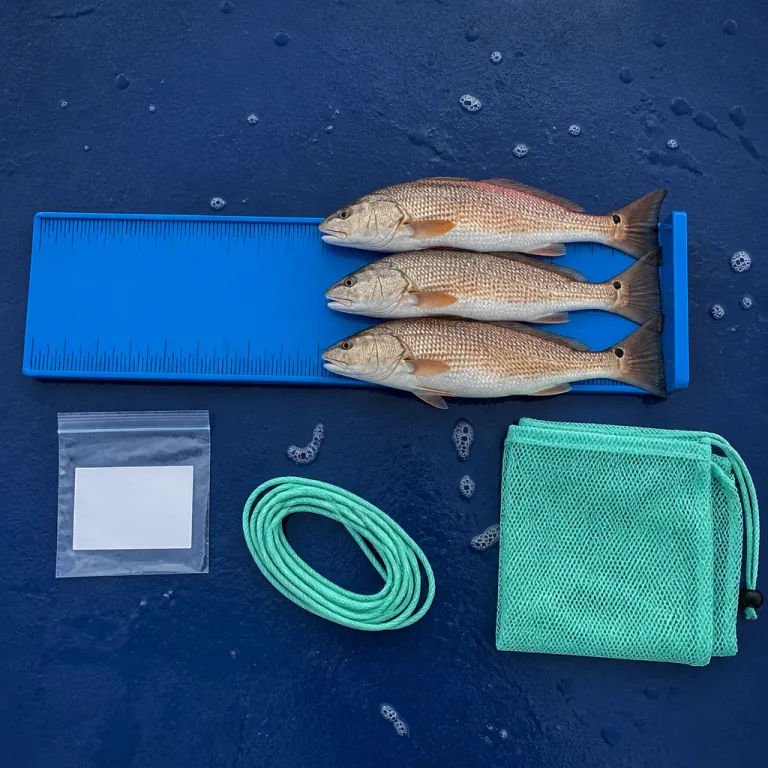
This wider 18–25 inch slot gives anglers a little flexibility while still protecting the larger spawning size class of the species. A red drum in the 18–25 inch range is usually a strong, healthy game fish that has not yet joined the main spawning stock, so the regulation aims to balance harvest and conservation in coastal waters. For practical planning, you now need to measure every fish carefully, think in terms of one legal fish per person day, and treat any overslot or underslot drum as part of your normal catch and release routine rather than bonus meat for the cooler.
Circle hooks, gear choices, and ethics under the new fishing regulations
The south carolina red drum regulations 2026 do more than change numbers on a page, because they also overhaul how you rig natural bait for this species. When you target red drum or any other designated game fish with natural bait and a hook size of 4/0 or larger, you must now use a non offset, non stainless circle hook to comply with the updated fishing regulations. Stainless hooks are specifically banned because they do not corrode when a fish breaks off, which means a deep hooked drum or snapper can carry that hardware for an entire season and suffer long term injury in both state waters and nearby federal waters.
On the water, that rule pushes you toward modern circle hook patterns that match the new conservation ethic, especially for saltwater fishing around jetties, marsh creeks, and nearshore reefs. A 4/0 or 5/0 non stainless circle hook paired with a 40 pound fluorocarbon leader has tested well for me on Charleston Harbor flats, where a typical 22 inch red drum will inhale a cut mullet but still slide off the hook cleanly at the jaw hinge. If you are used to J hooks for mixed bag trips that might include a bonus snapper or other saltwater game species, you now need to separate rigs in your tackle box and clearly label which ones are legal for red drum and which are reserved for offshore bottom fishing beyond state waters.
These gear mandates sit in the same legal code that also covers deer tags and other big game rules, because the legislature is amending and relating to a broad wildlife framework rather than writing a one off fish rule. For weekend anglers who already buy deer tags or follow deer season limits on public land, the message is familiar ; the state expects you to know the regulations before you head out. If you care about long term natural resources and want to understand how anglers fund most habitat conservation, the policy logic here mirrors the arguments made in this analysis of how anglers pay for conservation and why everyone else should help, and red drum management is now part of that same conversation.
What the harvest cuts mean for weekend anglers across the south Atlantic
For a typical weekend angler running a 5,5 meter bay boat out of Murrells Inlet, the south carolina red drum regulations 2026 change the math on every trip. Where a family of three once could legally bring home six red drum in a single day, the new catch limits cap that same crew at two legal fish per boat day, no matter how many people are aboard. That one fish per person day rule inside the two fish boat cap forces you to think about quality over quantity, and it makes a 20 inch slot fish feel more like a carefully chosen deer during rifle season than just another fillet.
The Department of Natural Resources has been clear that these tighter limits respond directly to the Atlantic States Marine Fisheries Commission assessment, which showed that too many fish were leaving the population each year. South Carolina’s move is the first major Atlantic coast harvest cut under the updated stock assessment framework, and neighboring states such as Georgia face the same deadline to submit compatible management plans, so similar fishing regulations for red drum are likely across the region. If you want a sense of how fast coastal rules can shift when a stock shows stress, look at how Maryland handled striped bass by bringing back an April catch and release only season, as reported in this piece on spring striped bass catch and release management.
From a gear and tactics standpoint, nothing in the law tells you which rod to buy, but the new size limits and the 18–25 inch slot should influence how you measure success. I now rig a medium power 2,1 meter spinning rod with 20 pound braid and a 30 pound leader, not to horse fish in faster, but to land them quickly, keep them in the water, and release any overslot drum with minimal stress so they can join the spawning stock that rebuilds the state resource. The south carolina red drum regulations 2026 are not about filling every cooler ; they are about making sure that the next time you ease the boat into a quiet marsh creek at dawn, there are still wakes pushing down the bank and tails tipping over oyster bars, because the measure of good management is not the spec sheet, but the tenth cast in the rain.