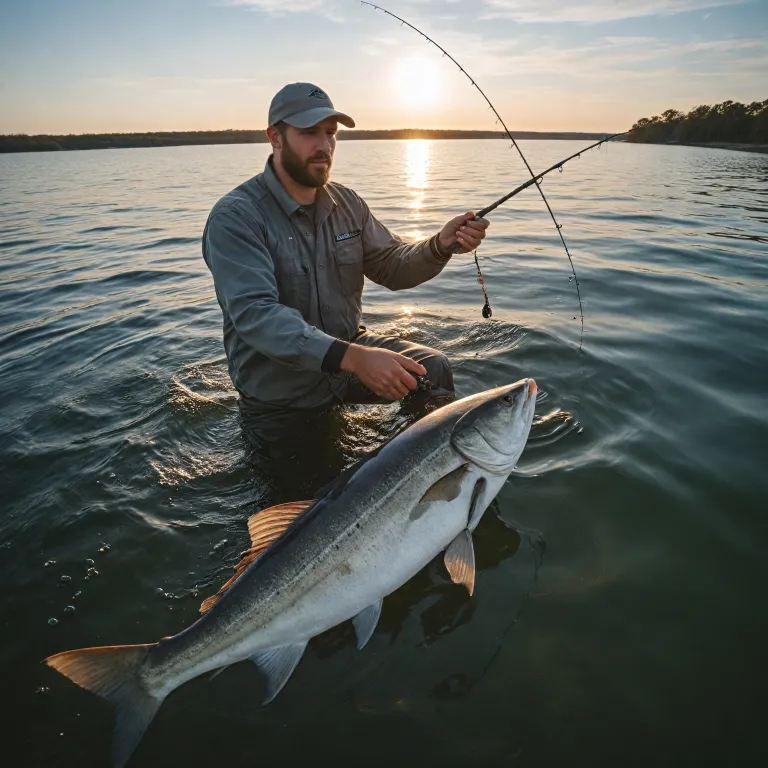
Reading Virginia cobia behavior and seasonal patterns
Cobia fascinate many anglers because these powerful fish combine brute strength with curious behavior. Along the Virginia coast and inside the Chesapeake Bay, cobia typically follow predictable seasonal movements that shape every fishing technique you choose. Understanding when cobia swimming patterns shift with water temperature helps you select the best cobia lures in Virginia with real confidence.
In late spring and early June, cobia arrive along the mid Atlantic coast and begin filtering into the Chesapeake Bay as the water warms above about 18 °C. This is often called cobia time by local fishing guides, because the first waves of fish are aggressive and respond well to brightly colored lures and live eels. Many anglers focus on the bay bridge tunnel and nearby structure, where cobia typically shadow baitfish, drum, and even striped bass that gather around current breaks.
By high summer, cobia chesapeake patterns split between roaming fish in open water and fish holding near buoys, channel markers, and wrecks. This is when sight fishing becomes dominant, and the best cobia lures in Virginia often include heavy, brightly colored jigs that can be dropped quickly to a cruising fish. Polarized sunglasses become essential to spot cobia near the surface, because glare and chop can easily hide even a large fish.
As September approaches, cobia typically begin staging near the mouth of the Chesapeake Bay and along the Virginia Beach oceanfront. Many anglers shift from purely sight fishing to a mix of chumming and live eel presentations, adjusting lure choice to match the fish mood on any given day. Knowing how cobia respond to changing light, tide, and bait concentrations will help you time each drift, cast, and fish catch more efficiently.
Essential lure categories and when to use them
For anglers targeting the best cobia lures in Virginia, three lure families dominate ; colored jigs, large soft plastics, and metal jigs or spoons. Heavy, brightly colored jigs in white, chartreuse, or pink remain the most versatile option for both sight fishing and vertical presentations. When cobia swimming just under the surface refuse natural baits, a well placed jig can trigger a reaction strike that turns a slow day into a memorable fish catch.
White soft plastics rigged on stout jig heads imitate squid or wounded baitfish and excel when cobia typically follow your boat or shadow a hooked drum or striped bass. Many Virginia Beach captains pair these lures with live eels, allowing anglers to alternate between artificial and natural offerings until the fish reveal their preference. When you fish the bay bridge or other deep structure, metal jigs dropped through the water column can reach cobia holding tight to the bottom, especially during strong current.
Live eel and live eels remain a cornerstone of cobia fishing in the Chesapeake Bay, even for anglers who prefer artificials. A thoughtful comparison of natural baits and lures can be found in this detailed guide to the market for American eels and their use in fishing. Many experienced captains rig a live eel on one rod while casting colored jigs with another, ensuring that any curious cobia has both options available.
In shallow water near a favorite spot or shoal, lighter jigs and soft plastics allow more subtle presentations that spook fewer fish. Around the bridge tunnel and bay bridge structures, heavier jigs help maintain contact with the lure in turbulent water, which is critical for feeling soft takes. Matching lure weight, profile, and color to depth, current, and water clarity will consistently improve your cobia catch rate across the Virginia coast.
Sight fishing tactics and visual equipment choices
Sight fishing for cobia in the Chesapeake Bay is one of the most visually engaging styles of bay fishing. Anglers slowly idle or drift across likely areas, scanning the water surface for cobia swimming alone, in pairs, or trailing rays and turtles. In these conditions, the best cobia lures in Virginia are those you can present quickly and accurately to a moving target.
Polarized sunglasses are non negotiable for effective sight fishing, because they cut surface glare and reveal subtle shadows or shapes beneath the water. Many cobia typically appear as dark, torpedo shaped silhouettes, and without quality polarized sunglasses you will simply never see them in time. When you finally spot cobia, a fast cast with a brightly colored jig or white soft plastic placed slightly ahead of the fish can prompt an immediate charge.
Boat positioning matters as much as lure choice, especially when working near the Chesapeake Bay bridge tunnel or other traffic heavy corridors. For a broader understanding of how to handle such environments safely, this guide to navigating waterway barriers as a recreational fisherman offers practical context. Keeping the sun at your back, the wind manageable, and the boat quiet will help you find more cobia and convert more follows into a solid fish catch.
Some anglers worry that repeated casts with colored jigs might spook fish, but cobia typically show remarkable curiosity and often return for a second look. When a fish refuses one lure, quickly changing to a different profile or switching from artificial to live eel can salvage the opportunity. For those interested in broader fish biology, including reproduction, this article on how fish reproduce provides useful background that deepens respect for each released cobia.
Chumming strategies, bait integration, and lure synergy
While sight fishing dominates many stories about the best cobia lures in Virginia, chumming remains a powerful technique when visibility is poor. Anglers anchor near a productive spot along the Chesapeake Bay channel edges, then deploy a steady chum slick to draw cobia into range. This approach works especially well from June through September, when cobia typically roam widely and respond strongly to scent in the water.
In a well established chum line, live eels, cut bait, and artificial lures can all play complementary roles. Some anglers present a live eel near the bottom while casting brightly colored jigs or white soft plastics higher in the water column. This layered strategy increases the chance that any passing cobia, drum, or even large bass will find something appealing and turn into a successful fish catch.
Chumming around the bay bridge or bridge tunnel requires careful attention to current, boat traffic, and safety, but the payoff can be significant. Cobia typically move along these travel corridors, using structure and depth changes to ambush baitfish and other prey. When you combine a consistent chum slick with disciplined lure presentations, you transform random bay fishing into a deliberate, repeatable technique.
Many recreational fishermen appreciate that chumming allows family members or less experienced anglers to participate actively. While one person manages the chum and bait rods, another can experiment with different colored jigs to see which pattern cobia prefer that day. Over time, keeping notes on water temperature, tide stage, and which lures produced the best results will refine your understanding of true cobia time in Virginia.
Bridging the product gap for recreational cobia anglers
One persistent challenge for recreational fishermen targeting cobia in Virginia is the lack of a specific product category tailored to their needs. Tackle shops often group cobia gear with generic saltwater fishing products, leaving anglers to guess which colored jigs, hooks, and leaders truly suit cobia chesapeake conditions. This gap makes it harder for newcomers to identify the best cobia lures in Virginia for their preferred technique and budget.
A more focused approach would organize products around real world scenarios such as sight fishing on bright days, chumming near the bay bridge, or working structure along the Virginia Beach oceanfront. Each scenario could highlight appropriate jig weights, preferred white or brightly colored patterns, and recommended leader strengths for typical fish sizes. Including guidance on when cobia typically appear in each area, from June through September, would further reduce confusion and improve fish catch outcomes.
Recreational anglers also benefit from transparent information about how lures perform alongside live eel or live eels, rather than in isolation. Many cobia specialists routinely combine artificial and natural offerings, yet packaging rarely explains how to integrate both within a single technique. Clear labeling that references cobia swimming behavior, water clarity, and common bycatch such as drum or striped bass would help fishermen make smarter choices.
Finally, digital resources linked from product packaging could provide seasonal maps of the Chesapeake Bay and mid Atlantic cobia routes. These tools might also explain how to safely fish near the bridge tunnel and other busy corridors while respecting local regulations and conservation goals. When manufacturers and retailers address these practical needs, they build long term trust and position their products as genuine allies in every cobia time adventure.
Ethics, safety, and practical considerations for Virginia cobia fishing
Targeting cobia in Virginia’s Chesapeake Bay demands not only effective lures but also responsible practices. Anglers should stay informed about size limits, bag limits, and any seasonal closures that protect spawning fish and maintain a healthy population. Ethical bay fishing means releasing undersized cobia quickly, handling them gently, and avoiding unnecessary stress during warm water periods.
Safety around the bay bridge, bridge tunnel, and other high traffic areas must remain a constant priority. Strong currents, shifting weather, and commercial traffic can turn a routine trip into a risky situation if you lose focus. Planning your route, monitoring forecasts, and ensuring all safety equipment is functional will help every cobia time outing end with positive memories rather than close calls.
Many anglers now pay closer attention to how chum use and bait choices affect non target species such as drum, bass, and other bay fish. Responsible fishermen adjust their technique to minimize deep hooking and reduce mortality among released fish, whether using live eels, live eel, or artificial lures. Respecting other boats’ space, avoiding crowding at popular spot cobia locations, and communicating clearly on the radio all contribute to a safer, more courteous community.
Finally, anglers should review each charter operator’s privacy policy and safety procedures before booking, especially when sharing catch photos or trip data online. Transparent communication about how client information is handled reinforces trust and aligns with broader expectations of professionalism in recreational fishing. When ethics, safety, and thoughtful lure selection come together, the pursuit of the best cobia lures in Virginia becomes both rewarding and sustainable for future generations.
Key statistics for Virginia cobia and Chesapeake Bay fishing
- Include regional cobia catch per unit effort data, highlighting peak months from June through September in the Chesapeake Bay and adjacent mid Atlantic waters.
- Present average water temperature ranges that correspond with cobia time, noting when cobia typically move into and out of Virginia coastal areas.
- Summarize typical size and weight distributions for cobia caught near the bay bridge tunnel and Virginia Beach structures.
- Outline approximate proportions of cobia caught by sight fishing versus chumming and bait fishing in recent surveys.
- Highlight estimated release rates and survival percentages for cobia handled with best practice catch and release techniques.
Common questions about the best cobia lures in Virginia
What types of lures work best for cobia in the Chesapeake Bay ?
Anglers consistently rely on heavy colored jigs, large white soft plastics, and metal jigs or spoons when targeting cobia in the Chesapeake Bay. These lures cover both sight fishing and deeper presentations around structure, allowing you to adapt as cobia swimming behavior changes. Pairing artificials with live eels often produces the most reliable fish catch results.
When is the best time to target cobia in Virginia waters ?
Cobia typically arrive along the Virginia coast and into the Chesapeake Bay around June, with strong fishing continuing through September in most seasons. This period is widely regarded as prime cobia time, especially when water temperatures stabilize in the high teens to low twenties Celsius. Within that window, many anglers favor early morning and late afternoon for both sight fishing and chumming.
Where should recreational fishermen look for cobia in the Chesapeake Bay ?
Productive areas include channel edges, shoals, and structure near the bay bridge and bridge tunnel, as well as buoys and wrecks closer to Virginia Beach. Cobia typically patrol these travel corridors while feeding on baitfish, drum, and other prey. On calm days, sight fishing over open water flats can also reveal cobia swimming near the surface.
How important are polarized sunglasses for cobia sight fishing ?
Polarized sunglasses are essential for effective sight fishing, because they dramatically reduce surface glare and reveal cobia silhouettes beneath the water. Without them, even experienced anglers struggle to spot cobia in time to present a lure accurately. Investing in high quality polarized sunglasses often improves both your visual comfort and overall fish catch rate.
Can artificial lures compete with live eels for cobia ?
Artificial lures such as brightly colored jigs and white soft plastics can absolutely compete with live eel and live eels, especially when cobia are aggressive. Many successful anglers keep both options ready, switching between them based on fish response and water clarity. Over time, careful observation of which presentations work best in specific conditions will refine your personal approach to the best cobia lures in Virginia.