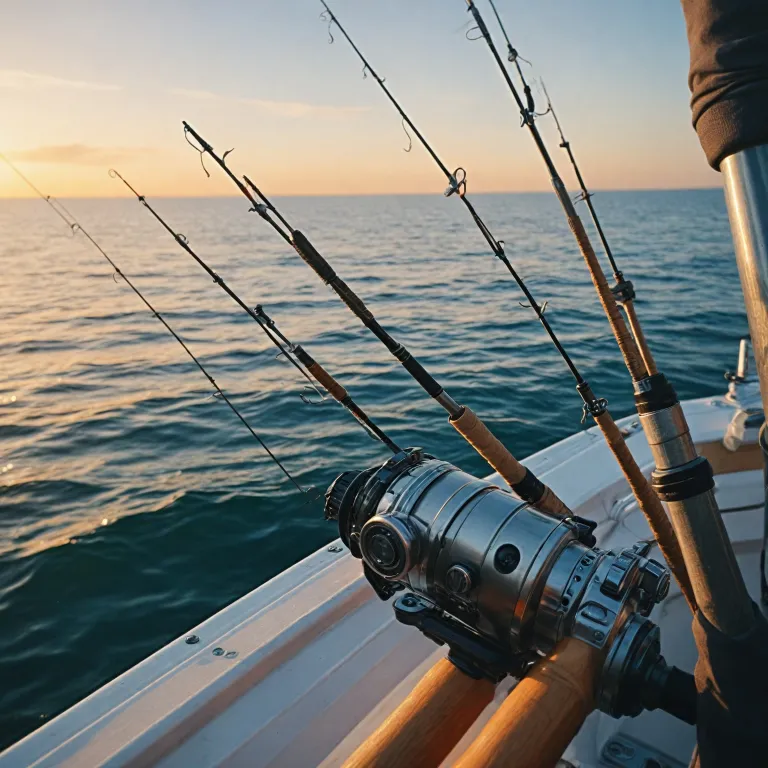
Understanding what makes a troll fishing rod truly effective
A troll fishing rod must balance sensitivity and strength for consistent results. When recreational anglers compare a trolling rod with other fishing rods, they quickly notice how different the rods are in power and action. The best products in this category are designed to keep lures running true while still protecting light leaders from sudden shock.
In practice, a dedicated trolling rod works very differently from casting rods or spinning rods used for shore fishing. These rods are designed to pull lures or natural baits at controlled speeds, so the material and blank taper must handle constant load over many hours. A wide array of trolling rods now exists, from compact lake models to heavy duty saltwater series rods that can subdue pelagic predators.
Many anglers still try to troll with a generic rod, but that usually exposes limits in power and durability. Purpose built trolling rods are rods built with reinforced guides, a secure reel seat, and grips that stay comfortable when the rod is locked in a holder all day. When you compare one product to another product, pay attention to how each model manages leverage, because that determines whether your fishing techniques remain efficient or exhausting.
Modern trolling casting setups also blur the line between traditional casting and trolling. Some models are designed as hybrid casting rods that can both troll crankbaits and cast spoons when fish move higher in the water column. This flexibility is valuable for anglers who want one rod to cover multiple fishing scenarios without sacrificing control during trolling.
Comparing rods, models and price levels for different fisheries
Recreational fishermen face a confusing market of rods, models, and marketing claims. A practical way to compare any troll fishing rod is to start with price, then evaluate whether the product specifications justify the investment. Many brands now segment their trolling rods into a series, with each model tuned for a specific lure weight and line class.
When you browse a wide array of fishing rods, you will see both spinning rods and casting rods offered for trolling. Spinning options suit lighter trolling techniques on small lakes, while casting models dominate where heavy duty gear and higher drag settings are required. Each series of rods designed for trolling should clearly state its power rating, lure range, and recommended line strength.
Saltwater anglers usually accept a higher price because corrosion resistant material and components increase manufacturing costs. In this segment, rods built for offshore trolling must endure constant spray, UV exposure, and brutal strikes from fast running predators. For freshwater trolling, a mid range trolling rod model often provides the best balance between price low enough for most budgets and performance high enough for demanding trips.
When comparing price high to price low within a single brand, look closely at guides, reel seat quality, and blank construction. Sometimes the difference between low high and high low pricing tiers is simply cosmetic, while in other series rods the step up buys you a much more strong durable blank. As you refine your choices, also think about how barometric pressure and other environmental factors influence your trolling speed and lure depth, because that will dictate the exact power and length you need for your home waters.
For anglers targeting complex ecosystems such as reservoirs with expanding Alabama bass populations, matching the trolling rod to species behavior becomes critical. Studying an in depth resource on Alabama bass and their impact on local ecosystems helps you choose models that keep lures in the right zone without overpowering the fight. This species focused approach ensures that each product you select is truly designed for the way you fish, not just for generic trolling scenarios.
Shimano, Daiwa and the role of brand engineering in trolling rods
Among serious recreational fishermen, shimano and daiwa dominate many discussions about the ideal troll fishing rod. These manufacturers offer extensive series rods that cover everything from light freshwater trolling to heavy duty saltwater work. Their products are designed with proprietary material blends that aim to keep blanks strong durable while still responsive under load.
In the shimano catalog, you will find trolling rods shimano that integrate reinforced reel seat designs and corrosion resistant guides. Each product line usually includes several models, so an angler can select a trolling rod model that matches specific fishing techniques and target species. Many rods shimano are built with progressive tapers, which means the rod bends smoothly from tip to butt when a fish surges boatside.
Daiwa follows a similar philosophy but often emphasizes weight reduction and sensitivity in its trolling rods. Some daiwa series rods use high modulus carbon material in key sections, allowing the rod to transmit vibration from the lure while still handling deep, sustained pressure. When comparing shimano and daiwa products, anglers should look beyond brand loyalty and focus on how each model behaves at trolling speeds and under real fighting loads.
Both brands offer casting rods and spinning rods suitable for trolling casting approaches, where anglers alternate between trolling and actively casting to surface activity. In these hybrid scenarios, a rod designed for both roles must balance casting distance with the backbone required for trolling. Understanding how atmospheric changes influence fish positioning, as explained in this guide on barometric pressure and fishing, helps you choose whether a lighter or heavier power rating is appropriate for your local conditions.
Because no single category is tailored specifically for recreational fishermen, both shimano and daiwa now market a wide array of fishing rods that can cross over between trolling and other methods. This flexibility is helpful, but it also demands that anglers read product descriptions carefully to ensure the rods are truly designed for sustained trolling loads. When in doubt, prioritize models explicitly labeled as trolling rods, since these are rods built with reinforced components and actions optimized for pulling lures at speed.
Power, action and material choices for deep and shallow trolling
Choosing the correct power rating is central to selecting any troll fishing rod. Light power trolling rods suit small crankbaits and shallow presentations, while medium and heavy duty models handle deep diving lures and larger fish. The action of the rod, whether moderate or fast, also shapes how the product behaves when a fish strikes at trolling speed.
For deep trolling, many anglers prefer a moderate action trolling rod that bends further into the blank. This design cushions sudden impacts, keeps hooks pinned, and allows the rod to act as a shock absorber between the reel seat and the lure. In contrast, fast action casting rods and spinning rods excel when trolling casting techniques require precise lure control and quick hook sets near the boat.
Material selection influences both durability and sensitivity in trolling rods. Fiberglass dominated older models because it is naturally strong durable and forgiving under constant load, but modern composite products blend carbon and glass to fine tune performance. These rods built with layered material can offer a high low mix of stiffness and flex, giving anglers better control over lure depth and action.
When evaluating a series of models, compare how each product handles a range of lure weights and line classes. Some series rods are designed with a wide array of overlapping powers, allowing anglers to fine tune their setups for specific fisheries. Others keep the lineup simple, with just a few fishing rods covering most trolling scenarios from shallow flats to deep structure.
Environmental factors such as water temperature, clarity, and seasonal fish movements also influence your choice of trolling rod. Studying resources on insulated fishing gear and thermal comfort can indirectly guide rod selection, because comfort and endurance affect how long you can maintain precise trolling passes. Matching rod power and action to both the environment and your preferred fishing techniques ensures that each product you buy is genuinely designed for the way you fish.
Practical buying advice, price ranges and shipping considerations
When recreational anglers shop for a troll fishing rod, they quickly encounter a wide array of price points and specifications. Entry level trolling rods often sit at the price low end, offering basic components and simple fiberglass blanks. Mid range products raise the price but usually deliver better guides, a more secure reel seat, and refined actions.
At the premium price high tier, trolling rods from brands like shimano and daiwa incorporate advanced material and meticulous quality control. These rods built for demanding anglers often feature composite blanks, corrosion resistant hardware, and grips designed for long days in rod holders. For many fishermen, the long term value of such a product outweighs the initial cost, especially when targeting powerful saltwater species.
Retailers frequently organize listings with filters such as low high or high low to help customers sort by price. While this is convenient, it is important not to judge a trolling rod solely by cost, because some models hide impressive performance behind modest pricing. Reading detailed product descriptions and user feedback can reveal which series rods consistently deliver strong durable performance on the water.
Shipping orders also play a role in the final value equation for fishing rods. Long one piece trolling rods may incur higher shipping charges, while multi piece models reduce both shipping orders cost and storage challenges. Anglers should weigh these practical factors alongside pure performance, especially when ordering multiple rods designed for a complete trolling spread.
Sales events can further complicate decisions, as a rod on sale might temporarily shift from a mid range to a budget price category. When evaluating any sale, confirm that the product is still the correct power, length, and action for your fishing techniques. A discounted trolling rod that does not match your needs remains a poor investment, regardless of how attractive the price appears on the screen.
Rigging, reel seats and matching reels to trolling rods
Even the best troll fishing rod performs poorly if paired with an unsuitable reel and rigging. A quality reel seat is essential, because trolling places continuous pressure on the connection between rod and reel. Many trolling rods feature metal or reinforced composite reel seats designed to prevent flex and slippage under heavy load.
When matching reels to trolling rods, consider both line capacity and drag performance. Casting reels dominate many trolling casting setups, especially where precise line control and clicker functions are important. Spinning reels can still pair well with spinning rods for light trolling, but they must offer enough spool capacity to handle deep presentations and long runs.
Rigging choices also influence how a trolling rod behaves under strain. Using high quality terminal tackle and appropriately rated leaders ensures that the rod, not the weakest link, manages the fight. For deep trolling, many anglers run high low combinations of main line and leader materials, such as braided main line with fluorocarbon leaders, to balance sensitivity and abrasion resistance.
Because no specific category is tailored exclusively for recreational fishermen, many anglers adapt general purpose products to trolling. In these cases, verify that the rods are truly designed to handle constant load and repetitive strikes. Look for rods built with double foot guides, durable grips, and actions that keep hooks pinned even when the boat changes speed or direction.
Finally, remember that a trolling rod is only one part of a complete system that includes reel, line, lures, and boat control. Coordinating all these elements around your preferred fishing techniques ensures that each product in your arsenal works together rather than in isolation. This systems thinking approach helps recreational anglers extract maximum value from every rod, reel seat, and accessory they purchase.
Adapting trolling setups to diverse fisheries and evolving products
Recreational fishermen operate across an enormous range of environments, from small inland lakes to open saltwater. A troll fishing rod that excels on a compact reservoir may struggle when exposed to the relentless forces of offshore trolling. This is why manufacturers continue to expand their products into specialized series rods that address distinct fisheries and techniques.
In freshwater, many anglers favor medium power trolling rods that can handle both walleye crankbaits and light salmon gear. These rods designed for versatility often double as casting rods or spinning rods when fish move shallow and respond better to casting presentations. Saltwater anglers, by contrast, typically rely on heavy duty trolling rods built with corrosion resistant material and reinforced reel seats.
Brands like shimano and daiwa respond to these diverse needs by releasing new models and refining existing product lines. Some rods shimano are built specifically for downrigger trolling, while others target flat line or planer board techniques. Daiwa likewise offers a wide array of fishing rods tuned for everything from coastal pelagics to deep structure species that demand immense lifting power.
Because the market still lacks a neatly defined category tailored only to recreational fishermen, buyers must interpret specifications carefully. Comparing price low to price high within and across brands helps identify which products deliver genuine performance rather than cosmetic upgrades. Anglers should also monitor how shipping orders, regional availability, and seasonal sale events influence access to specific models.
Ultimately, the most effective trolling rod is the one that aligns with your local conditions, target species, and preferred fishing techniques. By evaluating each product as part of a complete system and by understanding how rods are designed and built, recreational fishermen can assemble trolling outfits that remain strong durable season after season. This thoughtful approach turns a simple purchase into a long term investment in more efficient, enjoyable days on the water.
Key statistics on trolling rods and recreational trolling
- Global sales of trolling rods and related fishing rods have grown steadily in recent seasons, reflecting increased participation in recreational trolling.
- Mid range trolling rod models typically represent the largest share of units sold, as they balance performance and price for most anglers.
- Saltwater trolling products account for a significant portion of revenue despite lower unit volume, due to higher material and component costs.
- Composite material blanks now appear in a majority of new trolling rods, replacing pure fiberglass in many series rods.
- Online channels, where shipping orders and sale events are prominent, continue to gain market share over traditional retail outlets for trolling equipment.
Questions recreational fishermen often ask about troll fishing rods
What length of trolling rod should I choose for my boat ?
Most small boat anglers prefer trolling rods between 1,8 and 2,4 metres, which provide enough leverage without overwhelming limited cockpit space. Longer rods help spread lines and reduce tangles when running multiple products, especially with planer boards. Very compact models suit kayaks and small inflatables where storage and maneuverability are critical.
Is a casting rod or spinning rod better for trolling ?
Casting rods paired with conventional reels dominate most trolling applications because they offer superior line capacity and drag control. Spinning rods still have a place for light trolling with small lures or live baits, particularly in shallow freshwater. The choice depends on your target species, depth, and whether you also plan to use the rod for casting techniques.
How much should I expect to pay for a quality trolling rod ?
Entry level trolling rods often start at a relatively low price, making them accessible for occasional anglers. Serious recreational fishermen typically invest in mid range models, where improved material and components justify the additional cost. Premium series rods from brands like shimano and daiwa command higher prices but offer long term durability and refined performance.
Can one trolling rod cover both freshwater and saltwater fishing ?
Some versatile products can handle both environments, especially if they use corrosion resistant material and hardware. However, frequent saltwater use usually demands rods built specifically for that environment, with sealed components and robust reel seats. If you split time between fresh and saltwater, consider owning separate models or carefully maintaining a single crossover rod.
What power rating is best for deep trolling with large lures ?
Deep trolling with big crankbaits or heavy weights generally requires medium heavy to heavy duty power ratings. These trolling rods provide enough backbone to control lure depth and manage strong fish without overstressing the blank. Always match the rod’s stated line and lure ranges to your actual fishing techniques for safe, efficient performance.