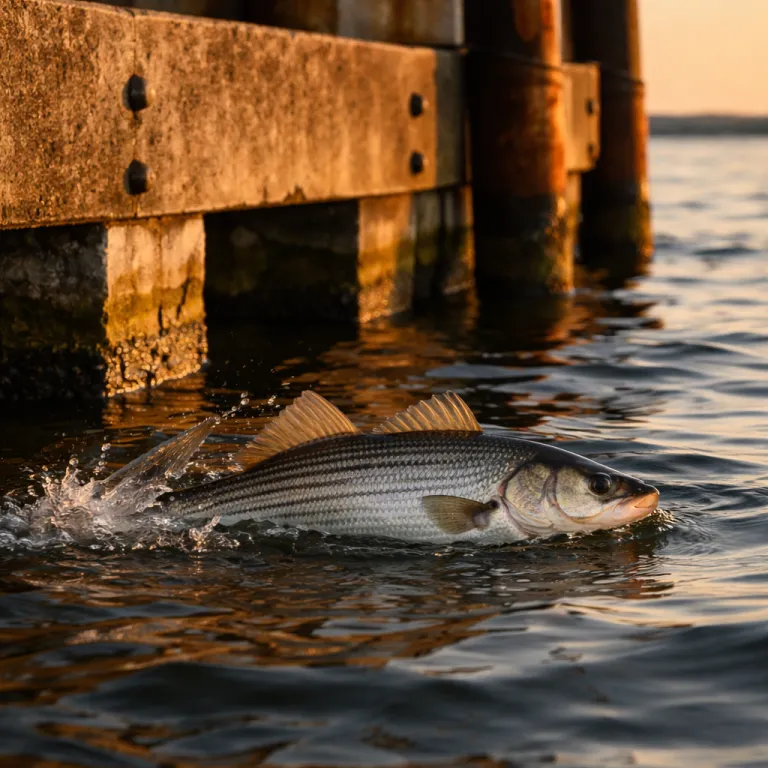

Regulation shifts and what they signal for bay recreational anglers
Maryland’s striped bass spring season returns to an April catch and release format after several tight years of broad closures. The Maryland Department of Natural Resources (DNR) has set an April 1 opening for recreational striped bass anglers, allowing release fishing only during a defined time period with strict gear rules and no harvest. For anyone who has watched fishing regulations creep tighter since the last open catch window, this shift signals cautious optimism for migratory fish recovery rather than a full reopening.
The Department of Natural Resources based the Maryland striped bass season 2026 framework on spawning stock biomass trends, young-of-year indices, and coastwide migratory assessments from the Atlantic States Marine Fisheries Commission, including the most recent striped bass stock assessment update and associated addenda to Amendment 7 of the Interstate Fishery Management Plan. Those data suggested enough improvement in striped bass recruitment to justify limited bay recreational access, while still keeping harvest catch off the table during peak spawning. That is why the season structure keeps size limits and daily angler effort restrictions focused later in the year, protecting big fish staging in spawning rivers.
Since 2019, emergency regulations closed most April bass fishing in key Chesapeake areas, after several weak year classes and poor water temperatures during spawning documented in the Maryland Striped Bass Juvenile Index and annual DNR monitoring reports. Guides on the Chesapeake Bay watched bookings collapse as recreational fishing effort shifted to blue catfish and shad in every river that would give up a bend in the rod. The new season pattern restores some economic oxygen without abandoning conservative limits on striped bass harvest, and DNR has been explicit in public rule notices and season summaries that any rollback will depend on continued gains in juvenile indices and spawning success.
Catch and release rules, gear choices, and ethical handling
Under the Maryland striped bass season 2026 rules, every fish you catch in April must go back, and how you release that bass matters as much as whether you caught it. Maryland DNR requires non-offset circle hooks for any natural bait fishing in tidal waters, because traditional J hooks gut too many striped fish during a cold-water bite, a pattern highlighted in the DNR striped bass catch-and-release guidance and Atlantic States Marine Fisheries Commission technical reports on release mortality. If you are throwing soft plastics or jigs, barbless or pinched barbs are strongly recommended for faster release fishing and lower handling stress.
Regulations also close specific spawning areas and spawning rivers to protect stacked migratory striped bass that are waiting on the right water temperatures. In open areas of the Chesapeake Bay, anglers must keep the fish in the water whenever possible, avoid lip-gripping heavy bass vertically, and limit photo time to a few seconds per angler on board. That kind of ethical catch and release is not feel-good marketing; it is the difference between a striped bass swimming off strong and one that dies quietly after the boat leaves, and DNR enforcement officers routinely cite mishandling as a contributing factor in release mortality in their annual enforcement and compliance summaries.
For anglers who want a deeper dive into how local rules intersect with conservation, a detailed guide on understanding local fishing regulations helps frame why these Maryland rules look the way they do. The Department of Natural Resources has made clear that any violation of size limits, closed seasons, or gear regulations in April will be treated seriously because the stock is still rebuilding under Atlantic States Marine Fisheries Commission rebuilding timelines. If you are going to enjoy this renewed recreational striped opportunity, you owe the resource the discipline to fish within both the letter and spirit of the law, including checking the latest DNR advisories, public notices, and regulation digests before every trip.
Chesapeake migration patterns, tourism impact, and practical on water strategy
When the Maryland striped bass season 2026 opens for April catch and release, the first migratory fish will already be pushing through the lower Chesapeake Bay. Those early striped bass ride warming water temperatures up from the ocean, pausing on channel edges before committing to spawning rivers like the Choptank, Patuxent, and upper bay tributaries. On a typical spring day with light south wind, you will find them tight to current seams where blueback herring and menhaden stack.
Charter captains from Kent Island to Solomons expect this renewed season to revive spring bookings, after years of watching clients chase other recreational fishing options. Eastern Shore towns that lean on bay recreational traffic in April should see more hotel nights, more fuel sales, and more tackle receipts, even with a strict harvest catch prohibition. For visiting anglers used to different systems, resources on navigating non-resident license processes offer a useful template for checking Maryland paperwork before you fish, including coastal saltwater registration, striped bass endorsements, and any required conservation stamps.
On the product side, serious bass fishing in this time period rewards medium-heavy rods with forgiving tips, paired with braided main line and abrasion-resistant fluorocarbon leaders rather than ultra-light tackle. That kind of balanced setup turns big striped bass quickly in heavy current, shortens fight duration, and improves post-release survival in both open catch zones and tighter river channels, aligning with best-practice recommendations in Maryland DNR’s striped bass handling guidance. If you care about the broader ecosystem that supports these migratory runs, a background read on the role of marine predators in recreational fishing helps connect your single bass to the larger web of natural resources that the Department of Natural Resources is trying to steward, from forage fish to apex predators offshore.
Key statistics for Maryland’s striped bass management
- Maryland DNR reopened April catch and release striped bass fishing after several consecutive years of spring closures focused on spawning protection, following coastwide reductions of roughly 18–20 percent in striped bass removals adopted through Atlantic States Marine Fisheries Commission striped bass addenda and documented in recent stock assessment updates.
- Size limits and harvest catch opportunities remain concentrated in later seasons to reduce pressure on large migratory fish staging in spawning rivers, with minimum sizes and narrow slot limits designed to protect both juveniles and older breeders as outlined in Maryland’s annual striped bass regulation summaries.
- Fishing effort in the Chesapeake Bay striped bass fishery is closely monitored to align recreational striped access with coastwide conservation targets, using harvest estimates, release mortality rates, and juvenile index trends reported annually by Maryland DNR in the Striped Bass Juvenile Index and Atlantic States Marine Fisheries Commission compliance reports.
Questions anglers are asking about Maryland’s striped bass season
How does the April catch and release season protect spawning striped bass ?
The April season allows anglers to fish only in designated open areas, while critical spawning rivers and upper bay zones remain closed to protect dense aggregations of pre-spawn fish. Mandatory circle hooks for bait, careful handling, and no harvest catch during this time period reduce mortality on large breeders that drive future year classes. This balance lets recreational fishing continue without undermining long-term stock rebuilding and keeps Maryland in compliance with Atlantic States Marine Fisheries Commission rebuilding timelines and striped bass management benchmarks.
What gear is legal for striped bass during the spring season in Maryland ?
Maryland fishing regulations require non-offset circle hooks whenever you use natural bait for striped bass, and strongly encourage barbless hooks for artificial lures to speed release. Treble hooks are still allowed on many plugs in open catch zones, but anglers are urged to swap to inline singles to reduce deep hooking and handling time, consistent with DNR best-practice guidance. Weighted treble snagging rigs are prohibited around migratory fish staging areas to prevent foul hooking during the spawn and to keep incidental mortality within the limits set in the current striped bass fishery management plan and associated Atlantic States Marine Fisheries Commission addenda.
Where can recreational anglers target striped bass legally in April ?
Open areas typically include portions of the main Chesapeake Bay channels and some lower river sections, while clearly marked spawning rivers and upper reaches stay closed. Maryland DNR publishes detailed maps each year showing which sections are open to bass fishing and which are off limits, including GPS coordinates and chart references in the annual Maryland Fishing and Crabbing Guide. Checking those maps before every trip is essential because boundaries can shift between seasons as management needs change and new juvenile index data become available.
How do changing water temperatures affect the striped bass bite in spring ?
As water temperatures climb through the single digits into low teens Celsius, migratory striped bass move from deep wintering channels toward shallower staging flats. That temperature window often triggers more aggressive feeding, especially on blueback herring and menhaden schools along channel edges and rips. Sudden cold fronts can stall this movement, pushing fish back into deeper water and slowing the bite for several days, while rapid warming can compress the spawn and concentrate fish in smaller areas that managers may close on short notice through emergency DNR advisories.
Why are size limits and bag limits so strict for striped bass now ?
Size limits are designed to protect both juvenile fish that have not spawned and large breeders that drive future year classes and stabilize the stock. Tight bag limits per angler per day keep total recreational striped removals in line with coastwide conservation targets set by interstate managers and written into Maryland’s striped bass management plan and Atlantic States Marine Fisheries Commission addenda. These restrictions feel tough on the dock, but they are the main tools managers have to rebuild a stock that supports thousands of jobs and a cherished bay recreational tradition, from charter fleets and marinas to small-town tackle shops.
Sources: Maryland Department of Natural Resources striped bass regulation summaries and Striped Bass Juvenile Index reports; Atlantic States Marine Fisheries Commission Atlantic Striped Bass Stock Assessment Updates and Addendum documents; Coastal Angler Magazine coverage of Chesapeake striped bass management.