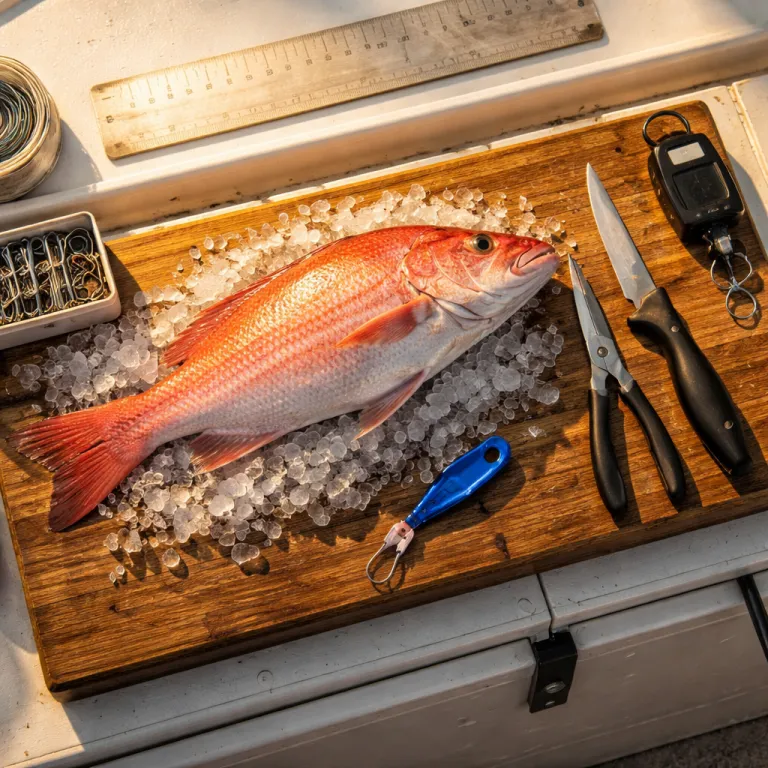

Longer Gulf red snapper season and what it means for your trips
The headline for every recreational angler is simple this year. The gulf red snapper season 2026 is projected to stretch roughly fifty to sixty days, with the season open from early June in most gulf state waters and likely running into late July before the limit is reached. That is a major jump from the thirty nine day snapper season window many of you planned around last year, and it will change how you schedule time off, book a federal hire charter, and stage your reef fish gear.
NOAA Fisheries has signaled that improved stock assessments for red snapper in gulf America justify this longer season, and the agency will adjust if the recreational catch rate spikes. In practice, that means the season will still close when the recreational red quota in federal waters is met, so a hot bite out of louisiana or Alabama can still burn through pounds weight faster than expected. Treat every calm weekend as a gift, because the limit daily harvest target can still shut things down earlier than the most optimistic projections.
For planning, assume that state regulations in nearshore waters may not mirror the federal regulations offshore, especially where state federal management plans diverge. Some gulf states have pushed for more control over snapper fishing in their own waters, which can create different bag limit and size limit rules inside nine nautical miles compared with federal waters beyond that line. Before you trailer to Venice, Port Fourchon, or Grand Isle, check the latest state agency updates and the NOAA Fisheries bulletins, then build your daily bag strategy around the stricter rule set.
Navigating state and federal waters, limits, and ethical pressure
Where you point the bow matters as much as when you go, because the gulf is a patchwork of state and federal waters with different rules for every reef fish. In louisiana, for example, you may fish red snapper under one bag limit close to the marsh passes, then cross into federal waters where the daily bag and size limit for recreational red snapper change the moment your GPS ticks past the boundary. That state federal split is where many weekend anglers accidentally break regulations, especially when the bite is hot and the icebox fills fast.
Expect the federal season to be tightly managed with a clear bag limit per angler, often two red snapper per person with a defined minimum size limit, while some state seasons may run longer or even feel almost year round. The gulf red snapper season 2026 expansion does not mean a free for all, because every fish you keep still counts against the recreational quota that NOAA tracks in near real time. If you fish with a federal hire charter captain, they will usually handle reporting and compliance, but private boats must own that responsibility and log every catch accurately.
Ethically, the longer season open window is a stress test for our community, not a license to stack fillets. When you hit your limit daily on quality atlantic red style fish in the northern gulf, consider switching to other species or heading in rather than high grading or bending rules. For a deeper look at how changing rules shape coastal anglers, the analysis of new regional fishing guidelines on this fishing regulations explainer offers a useful model for reading dense rule books and applying them on the water.
Ports, gear, and trip strategy for a longer offshore window
A longer gulf red snapper season 2026 rewards anglers who plan specific ports and tackle, not just dates. Venice and Grand Isle in louisiana, Orange Beach in Alabama, and Port Aransas in Texas all put you close to productive snapper fishing structure, from oil platforms to natural reefs that hold mixed reef fish all year round. When the season open dates line up with a stable weather pattern, those ports let you run shorter distances, burn less fuel, and spend more time working precise drifts over thirty to sixty metre humps.
Your freshwater bass rod will feel outgunned here, so bring a 1,8 to 2,1 metre conventional setup rated for at least twenty to thirty pounds weight, matched with 20 to 30 kilogram braid and a fluorocarbon leader. For most gulf America bottom spots, a simple fish finder rig with a 6 0 to 8 0 circle hook, enough lead to hold bottom, and a strong knot like a doubled uni will out fish flashy hardware on pressured red snapper. If you want a gear deep dive that cuts through catalog hype, the tackle breakdown in this practical fishing gear guide shows how to prioritize hooks, line, and terminal tackle over yet another shiny reel.
Longer access in the gulf also sits in a wider context, as seen when California salmon fishing reopened after multi year closures, covered in this salmon season report. The same science driven approach from NOAA and regional councils that rebuilt south atlantic and atlantic red stocks is now shaping how NOAA Fisheries manages snapper season timing, bag rules, and catch reporting in the gulf. If we respect the current regulations, keep only what we will eat, and release the rest in good condition, we give managers room to keep seasons open year after year, judged not by the spec sheet, but by the tenth cast in the rain.