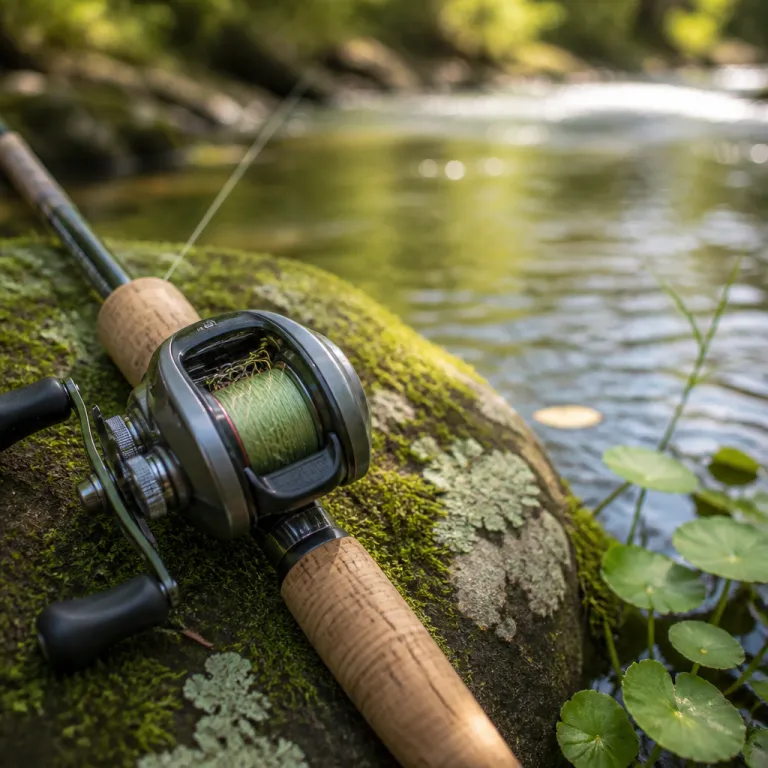
Why backlash happens on a baitcaster and how the spool really works
Backlash on a baitcaster is not magic or mystery at all. It simply occurs when the spool spins faster than line can peel off cleanly, so the rotating metal overruns the lure and piles loose coils under your thumb. Every baitcasting reel beginner backlash tips guide should start by explaining that backlash occurs when the spool rotation outpaces the lure and the water, not when the rod or the angler somehow misbehaves.
Picture the spool as a small flywheel that stores energy during the cast, and remember that backlash occurs when the spool keeps turning after the lure hits the water or the bank. When the lure hits the surface or the ground, the lure stops but the spool spin continues, so the spool spins with no tension and the line has nowhere to go except into a bird’s nest. This is why baitcaster backlash feels sudden and brutal, because the spool spins faster in a fraction of a second while the lure hits the water or even hits ground on a low cast.
On most modern reels the braking system is your first line of defense, and these braking systems are designed to slow the spool before backlash occurs and before the spool spins out of control. Centrifugal brakes use small plastic pins that swing outward as the spool spins faster, and when those pins are fully engaged they rub a raceway and add braking power automatically. Magnetic braking systems use magnets to resist the metal spool spin, and a magnetic centrifugal hybrid system can give beginners more control over how the spool spins during the cast.
Think of the tension knob as your second safety net, because the spool tension it adds is constant and does not care how fast the spool spins during the cast. When you tighten the tension knob on a baitcaster, you are pressing a small pad against the side of the spool, and that extra friction helps when the lure hits the water and tries to yank line suddenly. This is why every baitcasting reel beginner backlash tips checklist tells you to start adjusting the tension knob first, then fine tune the brakes and finally train your thumb.
Once you understand that backlash occurs when the spool outruns the lure, you stop blaming the reel and start reading what the cast is telling you. If the spool spins freely and the bird’s nest appears right after the lure hits ground, you know the spool tension is too loose and the braking system is not doing enough work. If the backlash occurs mid flight while the lure is still sailing, the brakes or pins are not providing enough braking power and the spool spins faster than the line can leave the reel.
The 5 minute setup routine: tension, brakes and first casts
Before your first real cast, you should set the baitcaster in a quiet spot and treat the reel like a tool that needs calibration. Clip on a practice lure around 10 to 15 grams, then start adjusting the spool tension until the lure falls slowly when you press the thumb bar and let the spool spin under light thumb pressure. This simple routine is the backbone of practical baitcasting reel beginner backlash tips, because it teaches you how spool tension, braking and thumb control work together.
Hold the rod at about eye level, press the thumb bar and let the lure drop while you lightly touch the spool, and watch how the spool spins as the lure falls. If the lure hits the ground and the spool spins on for more than half a turn, tighten the tension knob a little and repeat until the lure hits ground and the spool stops almost at the same moment. When the lure hits the floor and the spool stops cleanly without backlash, you have a safe starting point for avoiding backlash on your first baitcaster start session in the yard.
Now move to the braking system and turn the external brakes dial to a high setting, because strong braking power makes early practice easier. On a centrifugal system, open the side plate and click at least four pins engaged out of six, then close the plate and use the external dial if your reel offers extra magnetic centrifugal adjustment. With magnetic brakes only, set the control to about 75 percent, since heavy control braking at the start lets you feel how the spool spins under training wheels.
Once the tension and brakes are set, make short sidearm casts into open grass and read what the reel is doing. If the cast dies early and the lure lands short, you can back off the brakes one click at a time and slightly loosen the tension knob, then repeat until the spool spins freely but still stops when the lure hits the grass. This is the same logic behind a dead slow retrieve in cold water, where you deliberately limit speed to gain control, as explained in many slow crank retrieve breakdowns such as this detailed piece on a dead slow crank that outfishes faster retrieves.
During this five minute routine, keep your thumb lightly on the spool and feel how the spool spin changes as the lure flies and then as the lure hits the ground. You will notice that the spool spins faster at the start of the cast, then slows as the lure loses speed, and your goal is to match that curve with brakes, spool tension and thumb pressure. Once you can make ten short casts in a row without baitcaster backlash, you are ready to lengthen the cast and start adjusting the settings for real fishing.
Braking systems explained: centrifugal, magnetic and digital help for beginners
Not all braking systems are created equal, and the type of braking system on your baitcaster matters more than the logo on the side plate. Centrifugal brakes use small pins that ride inside the side plate, and when the spool spins faster those pins swing outward and rub a brake ring to add braking power automatically. Magnetic brakes use magnets that resist the metal spool, and the closer the magnets sit to the spool the more they slow the spool spin during the cast.
On a pure centrifugal system, you usually set the pins once and then fine tune with the tension knob, because the pins engaged will control braking mostly during the early part of the cast. When the spool spins faster right after you load the rod and fire, the centrifugal pins push harder against the raceway, so they are excellent for avoiding backlash in that first explosive half second. If backlash occurs late in the cast as the lure hits water, you probably need more spool tension or a touch more magnetic braking if your reel combines both systems.
Magnetic systems shine when you want to adjust on the fly, because the external dial lets you add or remove braking power between casts. If a gust of wind appears across the lake at Lake Fork or Guntersville, you can simply turn the control knob toward maximum and let the magnets tame the spool spins while the lure flies into the breeze. When the wind dies or you tie on a heavier lure, you can back the control braking off and let the spool spin more freely for extra distance.
Some modern reels blend magnetic centrifugal designs, and these hybrid reels give beginners a wider safety margin when they start adjusting settings for different lures. You might run four centrifugal pins engaged for consistent early control, then use the magnetic dial as a fine tuner when the lure hits the water differently in wind or calm. This layered system means backlash occurs less often, because the spool tension, centrifugal pins and magnets all share the work of slowing the spool spins.
Digital braking, such as Shimano’s DC technology, adds a microchip that reads spool speed and applies electronic braking power during the cast. These reels are not mandatory for learning, but they can flatten the learning curve for a baitcaster start by automatically changing how the braking system behaves when the spool spins faster or slower. As seasonal patterns shift and you move from summer to fall bass, the same reel with smart brakes can help you focus on reading transitions, as covered in many seasonal pieces like this guide on when summer bass become fall bass.
Spool tension, thumb timing and the three casting motions that prevent backlash
Once the reel is roughly set, your casting motion and thumb timing decide whether backlash occurs or the line flows cleanly. The first motion is smooth acceleration, where you load the rod gradually instead of punching it, because a violent start makes the spool spin faster than the lure can accelerate. The second motion is thumbing at the apex of the cast, when the lure is highest and the spool spins hardest, so a light feathering touch keeps the spool under control.
The third motion is stopping the spool just before the lure hits the water, which is the moment when most baitcaster backlash explosions happen. If the lure hits the surface and the spool spins freely for even a quarter turn, loose coils form instantly because the spool spin no longer matches the lure speed. Train yourself to watch the lure in flight and press your thumb down firmly a split second before the lure hits water or hits ground on a low skipping cast.
Spool tension supports these motions by limiting how freely the spool spins at low speeds, especially at the end of the cast. With more spool tension, the spool slows itself as the lure loses speed, so even if your thumb is a hair late when the lure hits, the reel is less likely to explode into backlash. With less spool tension, the spool spins longer and spins faster at the end, which feels great for distance but punishes sloppy thumb timing.
During practice, deliberately exaggerate your thumb use and read the feedback from the reel, because your thumb is the final brake that no system can replace. Make ten casts where you stop the spool early and let the lure fall short, then ten where you let the spool spin longer and stop it just as the lure hits the grass. This drill teaches you how different settings lure behavior and thumb pressure interact, and it builds a mental guide for how much control braking you need in wind, with light lures or when skipping under docks.
As you gain confidence, you can loosen the tension knob slightly and reduce the brakes, which lets the spool spins increase and the lure fly farther. Each time you change a setting, make a few shorter casts first and watch whether backlash occurs mid flight or only when the lure hits the water. Over time you will feel when the spool spins too freely, and you will instinctively add a click of braking or a quarter turn of spool tension before the next baitcaster start cast.
Choosing beginner friendly reels, line and lures for fewer tangles
Gear choices can either hide your mistakes or magnify them, and the right beginner setup makes every baitcasting reel beginner backlash tips lesson easier to apply. For your first baitcaster, look for a 150 size spool with a 7.1:1 gear ratio, because that balance keeps the spool spins manageable while still giving you a versatile retrieve speed. Oversized 200 class reels hold more line but the larger spool spins faster and carries more energy, so backlash occurs harder when things go wrong.
Line choice matters as much as the reel, and many new anglers sabotage themselves by filling the spool with thin braid. Braid digs into itself on the spool when you pull out a backlash, and the lack of stretch makes every mistake more violent when the lure hits the water or hits ground on a bad cast. A good starting point is 12 to 15 pound fluorocarbon or monofilament, which fills the spool nicely and adds a bit of cushion when the spool spins faster than it should.
Lure weight also affects how the braking system behaves, because light lures do not pull line hard enough to keep up with the spool. Start with lures in the 10 to 20 gram range, such as compact spinnerbaits, small jigs or medium diving crankbaits, and match your settings lure by lure instead of using one universal setup. When you tie on a lighter lure, increase the brakes and spool tension slightly, then start adjusting downward only after you can cast it without baitcaster backlash.
Rod choice plays a quieter role, but a medium or medium heavy rod around 2,0 to 2,1 meters with a moderate fast action loads more predictably for a beginner. That smoother load keeps the spool spin curve more consistent, which makes it easier for the braking system and your thumb to stay ahead of backlash. Ultra stiff rods can make the spool spins surge at the start of the cast, and that sudden burst is exactly when backlash occurs most often.
When you are ready to expand into more specialized techniques like trolling or vertical presentations, you can apply the same logic to electronics and boat gear, as explained in detailed tools focused pieces such as this guide on choosing the right fishing flasher for smarter trolling success. The common thread is control, because every system from a baitcaster spool to a sonar flasher rewards careful setup and patient adjustment. Buy the reel you can control, not the one with the flashiest marketing, and you will spend more time fishing and less time digging out bird’s nests.
Common beginner mistakes and a simple troubleshooting guide on the water
Most beginners make the same handful of mistakes, and each one leaves a signature in how the spool spins and where backlash occurs in the cast. Overcasting for distance is the first trap, because when you swing too hard the spool spins faster than any braking system can safely manage. The second trap is thumbing too late, which lets the lure hit the water while the spool spin continues unchecked for a full turn or more.
Another frequent issue is using line heavier than the reel is designed for, which reduces how much line fits on the spool and changes how the spool spins. When the spool is overfilled with thick line, the outer wraps travel farther per revolution, so the spool spins faster in terms of line payout and backlash occurs more violently. Underfilling the spool creates the opposite problem, because the smaller effective diameter makes the spool spin more times to move the same length of line, which can make the braking system feel inconsistent.
On the water, treat every backlash as data instead of a disaster, and read where in the cast the problem started. If the bird’s nest appears right after the lure hits ground or water, tighten the tension knob a quarter turn and add one click of brakes, then make a shorter test cast. If backlash occurs halfway through the flight, increase the braking power more aggressively and consider engaging extra centrifugal pins if your reel allows it.
When a backlash does happen, resist the urge to yank hard, and instead press your thumb firmly on the spool and pull line out gently. This keeps the line from digging into itself on the spool, which is especially important with braid and with compact reels where the spool spins tightly packed coils. Once the tangle is clear, reset your settings lure by lure and make a few easy casts to rebuild rhythm before you start bombing the far bank again.
Over time, you will build a mental troubleshooting guide that links specific tangles to specific fixes, such as more spool tension, more brakes or a smoother casting stroke. The goal is not to eliminate backlash forever, because even experienced anglers will blow up a reel when pushing limits in wind or with ultralight lures. The goal is to make baitcaster backlash a rare, manageable event that you can fix in under a minute, so you spend your best light windows actually fishing instead of cutting out knots.
Key statistics about baitcasting reels, backlash and beginner performance
- Industry surveys from major tackle retailers have reported that spinning reels still account for roughly 60 to 70 percent of freshwater reel sales in the United States, largely because many beginners are intimidated by baitcaster backlash and the learning curve of spool control.
- Testing by several independent fishing publications has shown that properly set centrifugal or magnetic braking systems can reduce severe backlash incidents by more than half for new anglers during their first few practice sessions, compared with reels that are used with factory default settings and no tension adjustments.
- Line choice plays a measurable role, with controlled casting tests indicating that beginners experience significantly fewer tangles when using 12 to 15 pound monofilament or fluorocarbon on a baitcaster, compared with thin braided line of equivalent breaking strength that tends to dig into the spool under load.
- Entry level baitcasting combos in the 100 to 150 dollar range often include reels with more advanced braking systems than ultra budget options, and field comparisons have found that these mid priced setups can cut practice time to reach consistent, backlash free casts by several outings for many new anglers.
FAQ: baitcasting backlash and beginner setup
Why does my baitcaster backlash even with the brakes on high
If your baitcaster still backlashes with the brakes on high, the most common causes are too little spool tension and late thumb timing. Tighten the tension knob until your lure falls slowly when you press the thumb bar, then practice stopping the spool just before the lure hits the water. If backlash continues, check that all centrifugal pins are properly engaged and that the line is not overfilling the spool.
What is the best line for a first baitcasting reel
For a first baitcasting reel, 12 to 15 pound monofilament or fluorocarbon is usually the most forgiving choice. These lines add a bit of stretch and resist digging into the spool when you pick out a backlash, which makes mistakes less punishing. Thin braid can work later, but it magnifies errors and is better saved for when your thumb control is consistent.
How tight should I set the spool tension knob
A good starting point is to set the spool tension knob so that your lure falls slowly and stops when it touches the ground without creating slack. Hold the rod level, press the thumb bar and watch the lure drop while you lightly touch the spool with your thumb. If the spool keeps turning after the lure lands, tighten the knob a little and repeat until the spool stops as the lure hits.
Are digital braking reels worth it for beginners
Digital braking reels can help beginners by automatically adjusting braking during the cast, which reduces the number of severe backlashes. They are not required to learn baitcasting, but they can shorten the learning curve if your budget allows and you plan to fish windy conditions or very light lures. For many new anglers, a well tuned centrifugal or magnetic system offers enough control at a lower price.
How long does it take to get comfortable with a baitcaster
Most new anglers can reach consistent, short backlash free casts after a few focused practice sessions in the yard or at a pond. Building full confidence with longer casts and lighter lures usually takes several outings, especially if you only fish on weekends. The key is to practice with controlled settings, pay attention to when backlash occurs and adjust tension, brakes and thumb timing one variable at a time.