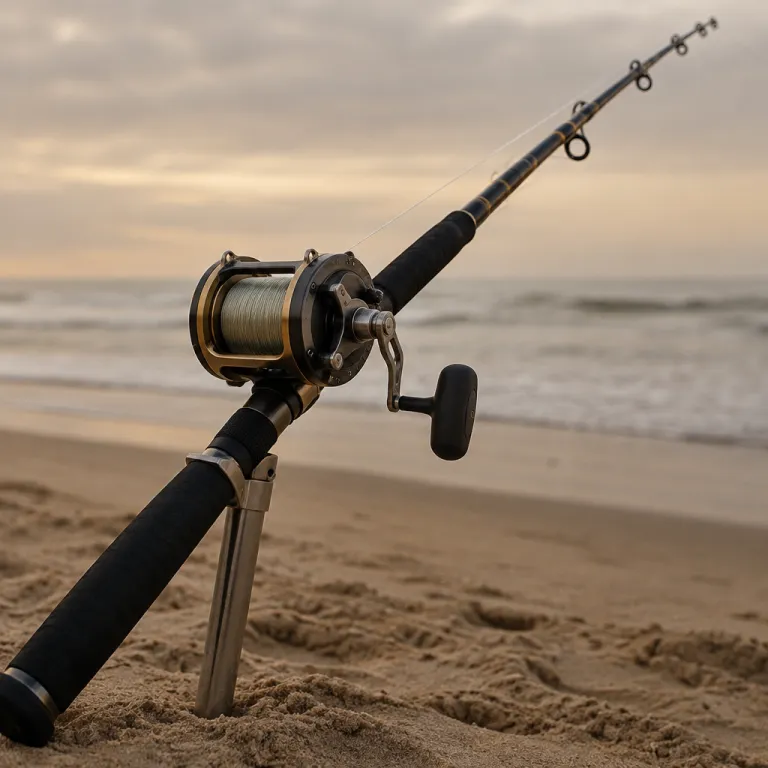
Why a rod shark specialist matters for serious shark fishing
When you target big coastal shark from the beach, a generic surf rod quickly shows its limits. A true rod shark specialist focuses on how heavy-duty shark rods are engineered to survive brutal runs, heavy sinkers, and abrasive sandbars, which separates reliable shark gear from regular surf models. If you want consistent performance on land based shark fishing missions, you need to understand how every rod component works together under extreme load.
Most recreational anglers first look at the price in US dollars and compare the regular price between different rods without checking the technical details. That habit makes sense for light spinning rods, yet it can be dangerous when a land based shark setup must handle 30 kg class fish or more. Before you view any unit price or tempting offer with free shipping, evaluate whether the rod blank, guides, and reel seat are truly purpose built for shark fishing abuse.
Specialist brands and custom builders design rods built specifically for land based shark anglers who cast heavy baits far beyond the shore break. These shark rods use long carbon or composite blanks with reinforced strength in the butt section, so the rod can lift a shark safely without sudden failure. When you compare models from a maker like Okuma or a custom heavy series build, always ask how the rods designed for shark differ from their regular surf fishing rod range.
Blanks, carbon layups, and strength in rod shark designs
The heart of any rod shark setup is the blank, because the blank dictates casting distance, lifting strength, and how the rod recovers after a heavy load. High modulus carbon blanks feel light in the hand, yet the way they are built and wrapped determines whether they can handle repeated 24–37 lb class pressure from powerful shark. Many land based anglers now choose hybrid models that mix carbon with glass in the lower section to gain extra strength without losing too much sensitivity.
When you compare rods, do not only view the stated line rating, since that number alone hides important details about wall thickness and carbon orientation. A rod rated for 24–37 lb line may still fold too deeply if the builder saved weight in the wrong area of the blank. Ask whether the rods built for shark fishing use extra reinforcement in the ferrule and butt, because those zones see the highest stress when you lean back on a long run.
Some manufacturers such as Okuma publish technical diagrams that show how their shark rods distribute carbon along the blank length. That level of transparency helps you judge performance instead of relying only on marketing claims about strength or sensitivity. For a deeper look at how blank color and finish affect visibility and bite detection, many anglers study analyses of how vibrant fishing rods reshape the way recreational anglers fish before choosing a final rod shark model.
Guides, hxn guides, and why alps hxn hardware matters
Guide choice is one of the most overlooked aspects of a rod shark build, yet guides decide how smoothly heavy braid leaves the spool during a cast. On a long land based shark rod, poor guide layout can rob you of distance and even damage the line when a shark surges close to the beach. That is why many purpose built shark rods now rely on Alps HXN frames or similar heavy duty HXN guides designed for extreme pressure.
Traditional Fuji guides remain a benchmark for corrosion resistance, but some anglers prefer Alps HXN models because their frames are slightly taller and stiffer. This design helps keep the line off the blank when you fight a shark at a steep angle, which protects both the carbon surface and the guides themselves. When you inspect rods built for shark fishing, run your fingers along the guide train and check whether the spacing supports your reel size and preferred casting weight.
Premium shark rods often combine Fuji or Alps frames with SiC guide inserts, since silicon carbide rings handle heat from long runs better than cheaper ceramics. If you order a custom heavy build from a specialist, you can usually specify whether you want Fuji SiC guides, Alps HXN guides, or a mix based on your budget. Anglers who need a lighter fishing rod for family members sometimes consult resources on how to choose a women’s fishing pole that truly fits the angler, then apply the same ergonomic thinking to their heavy shark rods.
Reel seat, handle layout, and ergonomics in shark rods
Even the strongest rod shark blank feels useless if the reel seat and handle layout do not match your body and fighting style. A secure reel seat with double locking nuts is essential on shark rods, because a slipping reel during a hard run can cost you both the fish and the entire setup. Many purpose built land based shark models use long foregrips and extended butt sections to give leverage when you fight from a sand spike or harness.
When you compare the price in US dollars between different models, pay attention to how the handle materials feel when wet and sandy. High density EVA or heat shrink grips provide a firm hold, while cheaper foam can twist under load and reduce your control over the rod. If you commission a custom heavy build order, you can specify exact handle lengths in centimeters so the fishing rod balances correctly with your chosen reel and line capacity.
Some Okuma shark rods and other premium models include gimbal butts that lock into fighting belts, which helps transfer load from your arms to your hips. That feature becomes critical when a large shark uses the current and forces you into a long fight that tests both your strength and the rod’s performance. Before you commit to any unit price or regular price, pick up the rod, simulate a fight stance, and check whether the ergonomics truly suit your height and reach.
Pricing, usd unit costs, and value in rod shark equipment
Cost always enters the conversation when recreational anglers weigh a new rod shark purchase against other gear upgrades. Retailers often list a regular price in US dollars alongside a discounted price, yet the cheapest option rarely offers the best long term value for shark fishing. Instead of chasing the lowest unit price, evaluate how the rod’s blank, guides, and reel seat will hold up over several seasons of land based shark trips.
Many specialist shops now sell shark rods with transparent cost breakdowns that show how much you pay for components versus labour. That clarity helps you judge whether rods built on premium carbon blanks with Fuji or Alps HXN hardware justify their higher price compared with regular surf rods. When free shipping is included, the final cost difference between a budget rod and a purpose built shark model often shrinks, especially once you factor in reduced risk of breakage.
Custom builders who offer heavy duty series frequently work on a built to order basis, which means you wait longer but receive a fishing rod tailored to your exact needs. These rods may carry a higher regular price, yet they often outlast several cheaper models and provide more reliable performance on trophy shark. Before you skip content on specification sheets, read the small details about line ratings, guide materials, and warranty terms, because those lines reveal the real value behind every price tag.
Land based tactics and matching rod shark gear to real conditions
Effective land based shark fishing starts with matching your rod shark setup to the specific beach, reef, or pier you frequent. On open sandy beaches, long rods around 3.6 to 4 metres help you cast heavy baits beyond the breakers and keep line clear of shore turbulence. Around rocky headlands, slightly shorter shark rods with thicker blanks and stronger tips provide better control when a shark tries to cut you off on structure.
Many experienced anglers choose Okuma reels on purpose built rods because the combination balances well for repeated long casts with heavy sinkers. When you plan multi day sessions, consider carrying two models with different line ratings, so one rod handles lighter slide baits while the other manages whole fish baits for larger shark. This approach spreads wear across your gear and ensures you always have a backup fishing rod if a guide ring chips or a reel seat thread fails.
Modern land based shark specialists also pay attention to lure and bait visibility, especially at night or in stained water. Some experiment with bright rod finishes and high contrast lines, drawing on insights similar to those used by inshore anglers who analyse why electric chicken lures keep outfishing natural colors for inshore anglers. Whatever your colour choices, never skip content in safety guidelines about handling shark, because responsible release practices protect both the fish and your hard earned equipment.
Key statistics on shark fishing rods and angler preferences
- According to the American Sportfishing Association, more than 49 million people participate in recreational fishing in the United States, and a growing subset targets large coastal species such as shark from shore, which increases demand for purpose built shark rods.
- Market analyses from major tackle retailers show that rods in the 24–37 lb and 37–50 lb heavy series account for a significant share of heavy surf and shark rod sales, reflecting anglers’ preference for higher strength ratings when targeting powerful fish from land based positions.
- Industry reports indicate that carbon composite blanks now dominate the mid to high end surf and shark rod segment, with many models combining carbon and glass to balance sensitivity and durability under heavy drag pressures.
- Surveys of coastal anglers in regions such as the Gulf of Mexico and the Atlantic seaboard reveal that a large proportion of shark fishing enthusiasts prefer rods between 3.3 and 4 metres in length, because these long rods improve casting distance and line control over breaking waves.
- Component manufacturers such as Fuji and Alps report sustained demand for heavy duty SiC guides and HXN style frames, driven by the increased use of braided lines and higher drag settings on modern reels used for shark fishing.
FAQ about rod shark equipment and land based shark fishing
What length of rod is best for land based shark fishing ?
Most land based shark anglers choose rods between 3.3 and 4 metres, because this length range offers a balance between casting distance and leverage. Longer rods help keep the line clear of waves and sandbars, which reduces drag during the fight. Shorter heavy rods may suit pier or rock platforms where casting distance matters less than lifting strength.
How important are guides and Sic guides on shark rods ?
Guides are critical on shark rods, since they manage friction and heat when heavy braid runs under high drag. SiC guide inserts handle heat better than many cheaper ceramics, which protects both the line and the guide frame. Choosing quality Fuji or Alps HXN guides reduces the risk of cracked rings and improves casting performance.
Should I buy a custom lbs custom shark rod or a factory model ?
A custom heavy shark rod allows you to specify blank power, handle length, and guide layout to match your exact style and body size. Factory models from brands such as Okuma offer reliable performance at a lower price and faster availability. The best choice depends on how often you fish, your budget, and whether you need specialised features such as extra long grips or unique line ratings.
What reel seat features matter most on a rod shark setup ?
A strong reel seat with metal hoods and double locking nuts is essential for shark fishing, because it prevents the reel from loosening under heavy drag. Many anglers prefer size 22 or 24 reel seats on heavy rods, since these sizes fit large surf and overhead reels securely. Non corroding materials and solid mounting to the blank are more important than cosmetic details.
How do I evaluate the value behind the price usd of a shark rod ?
To judge value, compare the price in US dollars against the quality of the blank, guides, and reel seat, as well as the warranty and expected lifespan. A slightly higher regular price can be worthwhile if the rod uses premium carbon, SiC guides, and robust hardware that withstands years of shark fishing. Consider total cost of ownership, including potential replacements, rather than focusing only on the initial unit price.