Why forage fish management decides how your season fishes
You can throw the sharpest hooks in the box and still blank when the forage is gone. When managers get forage fish management fishing wrong, the blitzes that make your autumn feel alive simply do not form because the bait never stacks, the predators stay scattered, and your best spots turn into empty water. Every experienced angler has watched a once reliable rip go quiet and blamed the moon, the wind, or the lure, when the real problem was that the food chain under the surface had already been thinned.
Forage is the word biologists use for the small fish species that bigger fish hunt and feed on. In the Atlantic surf that usually means Atlantic menhaden, river herring, and other schooling forage species that move in dense balls and serve as the primary food source for striped bass, bluefish, and other predator fish that anglers chase. When a local fishery loses even a modest percent of that biomass through poor fishery management, the entire food web shifts, and the fishing you feel at the rod tip shifts with it.
Think about your favorite estuary or bay where you do most of your recreational fishing. If the bait fish are thick, the predators are relaxed, the wildlife habitat feels alive, and every cast into nervous water feels like it will get crushed by a fish. When those same spawning grounds get hammered by a reduction fishery or an overbuilt bait market, the marine system loses a trophic level buffer, and suddenly your fish management debates about slot limits are arguing over scraps instead of abundance.
Managers on the Atlantic coast are now taking public comment on menhaden and herring rules, and those meetings matter more to your future fishing than any new reel. The Atlantic States Marine Fisheries Commission (ASMFC) routinely holds hearings on Atlantic menhaden amendments, while the New England and Mid-Atlantic Fishery Management Councils take comment on in-season Atlantic herring effort controls, and those sessions are not abstract policy games because they decide how much feed stays in the water for the predators you care about. If you ignore those fisheries management choices, you are letting someone else write the management plan for your weekends on the water.
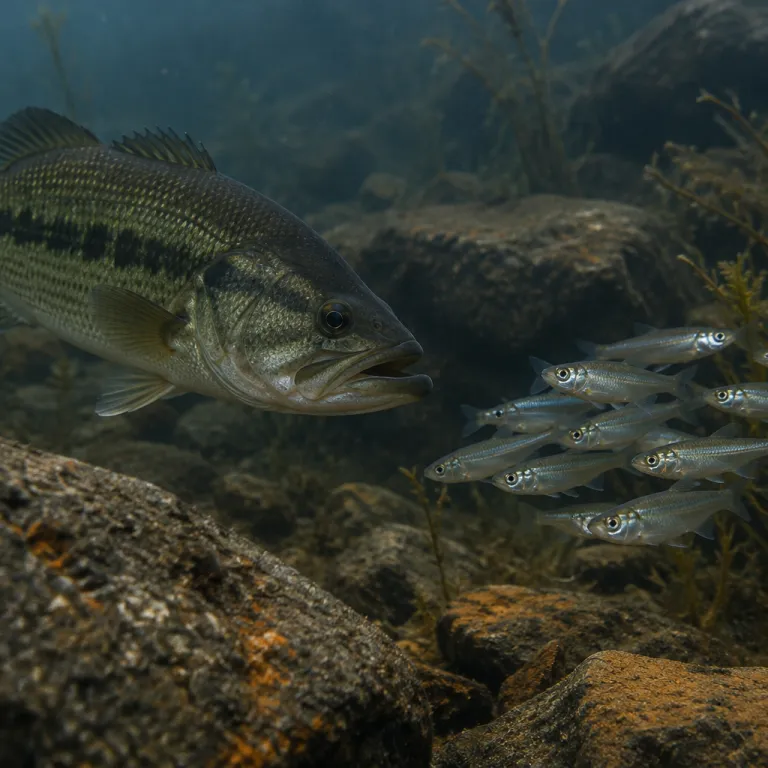
Every time a school of menhaden or river herring gets pushed tight to the surface, you see the food web working in real time. The forage fish are the link between plankton and the fish species you actually target, and that link is what turns a quiet tide into a full blown feed. No bait, no blitz, and no amount of fancy fishery management language changes that simple hunting equation.
Why nobody fights for the fish they never photograph
Walk into any tackle shop and you will see posters of striped bass, not a single menhaden on the wall. We glamorize the predators and ignore the forage fish, which means the loudest voices in fisheries debates usually chase gamefish regulations while the quiet decisions about forage species slide through with little pushback from anglers. That silence lets other interests frame fish management around short term extraction instead of long term conservation that keeps your home fishery healthy.
Part of the problem is emotional, because anglers bond with the fish they hold and release, not the oily bait fish they snag by accident. You probably know the exact centimeter length of your personal best striped bass, but you may not know whether your state allows industrial menhaden boats inside three nautical miles, or how many river herring are allowed to be taken as bycatch in nearby fisheries. When we stay ignorant about those management details, we leave the food chain decisions to people who may never pick up a rod.
There is also a cultural blind spot in how we talk about ethics and conservation in recreational fishing. We argue about spot burning and whether posting a GPS tagged photo hurts a small river, yet we rarely ask how many percent of the local forage fish biomass can be removed before predator fish start to decline. If you care about the ethics of sharing locations, you should also care about the ethics of how much feed is left in the water for the next generation of anglers.
That is where the broader idea of fishing impact needs to grow up for serious anglers. The real fishing impact of your community is not just how many fish you keep, but how loudly you speak when a management plan for forage species comes up for public comment. Reading a notice, sending a short email, or showing up once a year is not performative activism, it is basic fish wildlife stewardship that any seasoned angler can handle.
If you already think hard about the ethics of sharing fishing locations, extend that same care to the invisible parts of the food web. The same judgment you use when deciding whether to post a photo from a small river should apply when you hear about new Atlantic herring rules that could affect your local wildlife habitat. Ethics in modern fisheries management means protecting both the places you cast and the bait that makes those places come alive.
The trade off: jobs, bait, and the real economics of forage
It is easy to paint commercial boats as villains, but that is lazy thinking. Menhaden reduction plants, bait dealers, and Atlantic herring trawlers support real jobs, real mortgages, and real coastal economies that have been tied to these fisheries for generations. Any honest conversation about forage fish management fishing has to admit that cutting quotas or moving effort offshore will hurt some working families even as it helps predator fish and recreational fishing.
When you buy a flat of frozen bait fish or a bucket of fresh menhaden chunks, you are participating in that same fishery whether you like it or not. The question is not whether commercial fisheries should exist, but how fisheries management can balance a sustainable food source for marine predators with a stable supply chain for human use. Good fishery management does not chase a single percent of profit this season, it protects the spawning grounds and food webs that keep the fishery alive for decades.
Biologists talk about trophic level when they explain why forage species matter so much. Forage fish sit low on the trophic level ladder, which means a small change in their numbers can ripple up through multiple predator fish species and even into seabirds and marine mammals. When that base collapses, the wildlife habitat above it unravels, and no amount of clever fish management for top predators can fix a broken food web.
As anglers, we should argue for management that keeps more feed in the water, not none in the net. That means supporting science based catch caps, seasonal closures around key spawning grounds, and gear rules that reduce river herring bycatch in mixed species fisheries. It also means accepting that some Atlantic herring and menhaden will always be taken for bait and reduction, because a working waterfront without any fishery is not a victory for conservation.
Gear companies will keep selling you new lures that promise to match the hatch, but they cannot sell you a hatch that no longer exists. Understanding how fish see versus how humans see can help you pick better colors, yet even the most realistic pattern is useless if the natural forage is gone from your favorite water. The smartest anglers I know spend as much time reading management documents as they do reading sonar, because they know the real pattern is written in policy, not paint.
What a weekend angler can actually do about forage fish
You do not need a biology degree to influence forage fish management, just the same persistence you use to pattern a tough fishery. Start by learning which agency handles fisheries management where you fish, then sign up for email alerts about Atlantic menhaden, Atlantic herring, and river herring so you see every proposed management plan before it quietly becomes law. Reading one notice over coffee takes less time than retying a wind knot, and it will shape more seasons than any single lure swap.
When a proposal hits, look for three things that directly affect your fishing. First, check whether the plan keeps enough forage fish in the water to maintain a healthy food chain for striped bass and other predator fish, rather than just maximizing landings for a single fishery. Second, see whether the plan protects key spawning grounds and nearshore wildlife habitat where juvenile fish species grow into the bait fish that fuel your autumn feeds.
Third, ask whether the managers are using up to date data on fish wildlife interactions, or leaning on old assumptions about how many percent of the stock can be safely removed. If the science looks thin, say so in a short, respectful comment that asks for better monitoring of forage species and clearer reporting on trophic level impacts. Your goal is not to write a thesis, it is to remind decision makers that real anglers are paying attention to how much feed stays in the water.
Local closures for predator fish can be a wake up call about deeper problems in the food web. When a state shuts down a month of striped bass fishing in a major estuary, that is not just a story about gamefish limits, it is a signal that the underlying food source and broader fish management picture may be out of balance. Paying attention to those closures and asking how forage fish trends contributed will make you a sharper observer of your home water.
The next time you motor across a bay and see a nervous patch of water, think beyond the cast you are about to make. Under that ripple is a stack of forage fish, a living management plan, and a chain of decisions that either left enough food in the water or did not. Fishing well over the long haul means caring about the parts of the water you never cast to, because the fight that decides your future seasons is happening over the bait, not the bass.
Key figures that show why forage fish matter
- In many marine ecosystems, forage fish such as menhaden and herring can make up more than 60 percent of the total fish biomass, which shows how much of the food web depends on a few small species (data summarized by regional fishery management councils and ecosystem status reports from NOAA Fisheries).
- Ecologists have estimated that predator fish, seabirds, and marine mammals may require roughly half of the standing forage fish biomass to remain in the water as feed, meaning that leaving only a small additional percent for human harvest can still support strong recreational fishing (analysis reported by North Atlantic ecosystem modeling studies and multi-species stock assessments).
- Studies of Atlantic striped bass diets have found that menhaden can account for a large share of their food source in some estuaries, which links forage species abundance directly to the condition and growth rates of this key recreational fish species (results published in peer reviewed marine biology research and Atlantic striped bass stock assessment documents).
- River herring runs have declined by more than 90 percent in many Atlantic coastal rivers compared with historical baselines, and managers now track these fish wildlife trends closely because they affect both freshwater wildlife habitat and nearshore marine food chains (figures reported by U.S. regional fisheries bodies and Atlantic States Marine Fisheries Commission technical reports).
- Ecosystem models show that reducing forage fish harvest rates from traditional single species targets to more conservative ecosystem based levels can increase long term yields of predator fish by several percent while also stabilizing food webs, which benefits both commercial and recreational fisheries (results from international trophic level modeling work and ecosystem based fisheries management case studies).