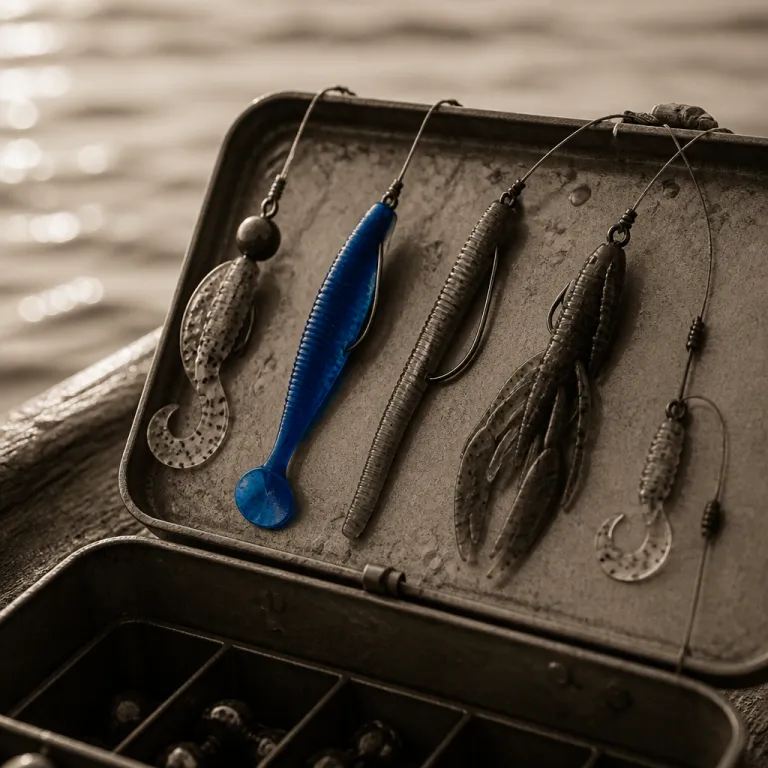
The five soft plastics that carry a weekend angler
When recreational anglers talk about the best soft plastic lures fishing, they are really talking about five shapes that quietly handle most situations. Those five are the stick bait, paddle tail swimbait, creature bait, finesse worm, and craw style soft bait, and each one shines when you match the right hook, weight, and color to the water. If you learn how these soft plastics behave around cover, current, and pressured fish, you will catch more fish per euro than with almost any hard bait on the market.
On my local reservoir near Lyon, I can cover an entire day of bass fishing with only these five plastic lures and a small box of hooks and jig heads. The regular pattern is simple ; start with a paddle tail or minnow style soft plastic to find active fish, then slow down with a stick bait or finesse worm when the bite fades. That rhythm lets you adjust without constantly retying, which matters when you only have a few hours between family duties and the drive home.
Color choice stays just as disciplined as lure choice, because the best soft plastic lures fishing setups rely on confidence colors more than fancy laminates. Green pumpkin, black blue, and plain shad or pro blue style shades cover almost everything, while accents like blue flake, pumpkin blue, or watermelon red help when the water clarity shifts. I still carry a few wild plastics in red or bright baby blue for experiments, but the workhorses are always natural pumpkin, muted green, and simple baitfish tones that match local forage like gizzard shad or small perch.
Stick baits and wacky rigs for pressured fish
The humble stick bait is the backbone of the best soft plastic lures fishing approach, because its slow horizontal fall triggers strikes from bass that have seen every spinnerbait in the shop. A 10 to 13 centimetre soft plastic stick, rigged weightless on a size 1/0 to 3/0 hook, will shimmy down next to a pontoon post or laydown and make even regular pressured fish slide out to eat. When the lake is calm and the sun is high, that subtle fall outfishes louder plastic baits by a wide margin.
For wacky rigs, I run the hook through the middle of the soft plastic so both ends flutter, which makes the lure look like a stunned baby minnow or dying shad. Use a light wire hook to keep the fall slow, and if there is wind or current, add a 1 to 2 gram nail weight in one end of the plastic to maintain bottom contact without killing the action. This is where colors like green pumpkin, green gizzard style laminates, or a simple pumpkin blue mix shine, because they stay natural while still giving a hint of contrast.
Texas rigging the same stick bait lets you slide through grass and wood, which is crucial on lakes where regular price tournament pressure has pushed bass deep into cover. Peg a 3 to 5 gram bullet weight, tie a strong knot, and use a 3/0 extra wide gap hook to keep the soft plastic straight so it glides instead of spinning. When the water is stained, I switch to black blue or green pumpkin with blue flake, because those plastics throw a stronger silhouette without looking unnatural to the fish.
Anglers comparing tackle often obsess over sale price versus regular price, but with stick baits the bigger difference is density and salt content. Heavier soft plastics fall faster and tear more easily, while tougher plastic lures last longer but may not shimmy as well on the wacky rig. I keep a mix of cheaper bags for aggressive fish and a few best selling premium packs for tough days, and I treat the price regular label as less important than how the bait actually moves in the water.
When you shop online, you will see regular price and sale price tags everywhere, sometimes with free shipping banners that nudge you toward bulk orders. Before you load up on every color of soft plastic stick, ask yourself which three shades you truly trust for your local bass fishing, then buy more of those instead of chasing every new flake pattern. That habit keeps your tackle box focused and your budget under control, which matters more than saving a few euros on a price sale that fills drawers with unused plastics.
If you want to pair these soft plastics with a versatile rod that handles weightless wacky rigs and light Texas rigs, a medium fast casting rod in the 2,4 to 2,6 metre range is ideal. A detailed review of a strong yet lightweight option for this style of fishing can be found in this expert guide to choosing the right lure rod for demanding anglers. Matching the rod to the weight of your plastic baits lets you cast accurately into tight cover, which is where the biggest fish usually live.
Paddle tail swimbaits, shad profiles, and open water
Paddle tail swimbaits and shad style soft plastics are my first search tools when I launch the boat on a new lake. A 7 to 10 centimetre soft plastic minnow on a 5 to 10 gram jig head covers water quickly, lets you feel bottom, and draws reaction bites from bass, zander, and even trout when they are chasing bait. This is where the best soft plastic lures fishing strategy overlaps across species, because every predator eats a fleeing minnow or gizzard shad.
For open water, I like natural shad colors such as pro blue, green gizzard, or simple blue back with a silver belly, which all imitate local forage without screaming artificial. When the water is slightly stained, a green pumpkin back with a light belly or a pumpkin blue laminate gives just enough contrast, while blue flake in the tail can flash like real scales. On very bright days, a pale watermelon red or subtle red flake pattern can help the plastic stand out without looking like a toy.
Rigging matters as much as color, and a steady retrieve is usually all you need with these plastic lures. On rocky points, I count the soft plastic down until I feel bottom, then reel just fast enough to keep the paddle tail thumping and ticking the tops of stones, which often triggers fish that are hugging structure. Around grass, I switch to a belly weighted hook to keep the soft bait weedless, which lets me swim it through lanes where a hard bait would foul instantly.
These swimbaits also shine as trailers on spinnerbaits and underspins, especially when bass are feeding on small shad or baby perch. A slim 8 centimetre soft plastic minnow in pro blue or shad color behind a 10 gram underspin can be deadly on suspended fish, because the flash and vibration call them in while the plastic offers a natural profile. When the bite is tough, downsizing to a baby 5 centimetre paddle tail often keeps you catching instead of just casting.
From a budget angle, paddle tails are where sale price deals can genuinely help, because you burn through them faster on rocks and toothy fish. I watch for price sale offers on bulk packs of soft plastics in my core colors, then top up when the sale price drops below the usual regular price by a meaningful margin. Just remember that the cheapest plastic baits sometimes tear after one fish, so balance price regular against durability and action rather than chasing the lowest number alone.
For anglers who like to throw topwater at first light before switching to swimbaits once the sun climbs, it is worth reading this analysis of why the first 45 minutes of surface fishing often outproduce the rest of the morning. That early window lets you cover the shallow bite with surface lures, then transition to soft plastic shad profiles as fish slide deeper, which keeps you on the best soft plastic lures fishing pattern all day. The key is planning your lure rotation around light levels and baitfish movement, not around what looks prettiest in the tackle shop.
Creature baits and craws for heavy cover
When the sun is high and the shallow bite dies, creature baits and craw style soft plastics take over around heavy cover. These bulky plastic lures push water, show multiple appendages, and give pressured bass a different look than the endless stream of jigs and crankbaits they see every weekend. On lakes with thick timber or weed beds, a creature soft bait often draws the only bites of the afternoon.
For flipping and pitching, I rig a 9 to 11 centimetre creature bait Texas style with a 3/0 or 4/0 hook and a 7 to 14 gram bullet weight, depending on how thick the cover is. The goal is to make the soft plastic punch through the mat, fall straight down, and then glide or kick once it reaches the bottom, which is where the fish usually sit. Short pitches to each target, with a one or two second pause on the bottom, are enough ; if nothing eats, reel in and hit the next piece of cover.
Color rules stay simple here, and they mirror the broader best soft plastic lures fishing guidelines. In clear water, green pumpkin or green pumpkin with blue flake remains my default, sometimes with a hint of watermelon red in the claws to mimic a real craw. In stained or muddy water, black blue or black with blue flake throws a strong silhouette, while pumpkin blue or dark red variants can help when the fish have seen the same black blue bait all season.
Craw style soft plastics also shine as jig trailers, especially around rocky points and riprap where real crawfish live. I trim a baby craw down to match the jig size, then thread it on so the claws sit up when the jig rests on the bottom, which makes the plastic look like a defensive craw ready to pinch. That posture often triggers reaction bites from bass that are not actively feeding but will not tolerate an intruder in their face.
On one of my regular rivers, a simple green pumpkin craw with subtle blue flake outfishes more complex plastic baits by a clear margin, especially when the water is low and clear. The fish there feed heavily on natural crayfish, so a realistic soft plastic in the right size and color beats loud, oversized lures that look nothing like the local forage. That is the essence of the best soft plastic lures fishing mindset ; match the real food first, then tweak from there.
If you want a rod that can handle both flipping creature baits and dragging craws on a Carolina rig, a strong yet versatile casting rod is essential. A detailed test of a carbon casting rod designed for pike, perch, and zander, which also suits heavy soft plastics, is available in this review of a powerful freshwater casting rod. Pairing the right rod with your soft plastic lures lets you feel subtle bottom changes and light bites, which often separate a blank day from a steady pick of fish.
Finesse worms when nothing else works
Every angler who relies on the best soft plastic lures fishing approach needs a pack of finesse worms for the tough days. These slender soft plastics, usually 10 to 15 centimetres long, shine when the lake is flat, the sky is blue, and the fish have seen every noisy bait in the catalogue. When I guide friends on pressured waters, the finesse worm is often the first soft bait I tie on after the morning flurry.
The drop shot rig is my primary way to fish a finesse worm, especially for suspended or bottom hugging bass on steep structure. I tie a size 1 or 1/0 hook about 30 to 50 centimetres above a 5 to 10 gram drop shot weight, nose hook the soft plastic, and shake it gently in place rather than dragging it. This subtle presentation keeps the worm in the strike zone longer, which is crucial when fish are lethargic or heavily pressured.
On flatter areas or around scattered rock, a shaky head jig with a finesse worm can be deadly. I thread the soft plastic onto a 3 to 7 gram stand up jig head so it sits upright, then drag and hop it slowly along the bottom, letting the tail quiver on pauses. This imitates a small worm or baby baitfish feeding on the bottom, and it often gets bites when faster moving plastic lures are ignored.
Color selection for finesse worms follows the same disciplined palette as other soft plastics. In clear water, green pumpkin, watermelon red, and subtle shad style colors like pro blue or green gizzard work best, especially when the sun is high. In stained water, I lean on black blue or darker pumpkin blue mixes, sometimes with blue flake to add a hint of flash without overdoing it.
From a budget perspective, finesse worms are usually sold at a reasonable regular price, and they tend to last longer than softer stick baits because they are less heavily salted. I still watch for sale price offers on my favourite brands, but I do not chase every price sale banner when the difference between regular price and discount is only a few cents per bait. The real value comes from confidence and time on the water, not from shaving every euro off the price regular tag.
Because finesse worms are light, pairing them with a sensitive spinning rod and thin braided line helps you feel subtle bites and bottom changes. That sensitivity matters when you are trying to coax fish that barely move the line, and it turns the best soft plastic lures fishing theory into real, measurable results. In the end, the finesse worm is the quiet workhorse that keeps you catching when louder tactics fail.
Craws, color rules, and smart storage
Craw style soft plastics deserve their own focus because they bridge the gap between creature baits and more subtle bottom presentations. On rocky lakes where crayfish are a primary food source, a realistic soft plastic craw on a jig or Carolina rig can outfish almost anything else in your box. That is why many best selling soft plastics in bass fishing are some variation of a craw or creature with strong claws.
On a Carolina rig, I pair a 10 to 12 centimetre craw with a 10 to 20 gram egg sinker, a bead, and a swivel, then run a 50 to 80 centimetre leader to a 2/0 or 3/0 hook. This setup lets the plastic craw glide and kick behind the weight, ticking over rocks and shells where real crayfish live, which keeps the bait in contact with the bottom and the fish. A slow drag with occasional pauses is usually enough to trigger bites, especially when the water is cool and fish are hugging structure.
Color rules for craws follow a simple framework that keeps the best soft plastic lures fishing system easy to apply. In clear water, green pumpkin, green pumpkin with blue flake, or watermelon red mimic natural crayfish, especially when the claws are slightly lighter than the body. In stained water, black blue, pumpkin blue, or darker red variants stand out better, while a touch of blue flake can imitate the iridescence on real crawfish shells.
Storage is where many anglers quietly ruin their investment in soft plastics without realising it. Different brands use different plastic formulas, and mixing soft plastic baits from multiple companies in the same box can cause them to melt, bleed color, or fuse into a single unusable lump. To avoid this, I keep each brand of plastic lures in its original bag, sorted by type and color, and I never store soft plastics with hard baits that might deform them.
Heat is another silent killer of plastic baits, especially in cars parked at the ramp on hot days. Leaving a box of soft plastics on the dashboard or in direct sun can warp tails, flatten claws, and ruin the action that makes them effective in the first place. I store my plastics in a shaded compartment or insulated bag, which protects both the baits and the money I spent, whether at regular price or during a sale price promotion.
Finally, think about how you organise colors so you can quickly grab the right soft bait when the light or water clarity changes. I group green pumpkin and natural shades together, black blue and darker tones in another stack, and shad or pro blue style minnow plastics in a separate pouch. That simple system keeps the best soft plastic lures fishing approach practical on the water, where seconds spent digging in a box are seconds not spent making the next cast.
Hooks, weights, and matching gear to plastics
Even the best soft plastic lures fishing plan falls apart if your hooks and weights do not match the baits. Oversized hooks kill the action of small soft plastics, while hooks that are too small lead to missed fish and poor hook penetration. The goal is always balance ; the hook should support the plastic without overpowering it.
For stick baits and finesse worms, I generally use size 1/0 to 3/0 hooks, with lighter wire for wacky rigs and slightly heavier wire for Texas rigs. Paddle tail swimbaits and shad style soft plastics pair well with jig heads that have strong, sharp hooks sized to the bait length, usually 2/0 to 4/0 for 7 to 10 centimetre lures. Creature baits and craws around heavy cover call for stout 3/0 to 4/0 hooks, because you need the strength to pull fish out of grass and timber without bending the metal.
Weight selection depends on depth, wind, and cover, not on habit or what the package suggests. In shallow water under 2 metres with light wind, I often fish soft plastics weightless or with 3 to 5 gram bullet weights, which keeps the fall slow and natural. As depth and wind increase, I step up to 7, 10, or even 14 gram weights for Texas rigs and jig heads, always checking that the plastic still moves freely and does not spin.
Line choice also plays a role in how your plastic baits behave. Thinner diameter lines let soft plastics sink faster and move more naturally, while thicker lines add drag and slow the fall, which can be useful in some situations. For most bass fishing with soft plastics, I run braided main line with a fluorocarbon leader, which gives sensitivity, abrasion resistance, and stealth in clear water.
From a cost perspective, hooks and weights rarely go on dramatic sale price promotions, so I focus less on price sale tags and more on reliability. A missed fish due to a dull hook or broken weight clip costs more in lost confidence than the small difference between regular price and a minor discount. I buy proven models in bulk when I can, which effectively lowers the price regular per piece without forcing me into untested gear.
In the end, the best soft plastic lures fishing system is not about owning every color or chasing every new design. It is about five core shapes, a disciplined color palette, and hooks and weights that let those soft plastics move the way they were designed. What matters is not the catalogue description, but how the bait behaves on the tenth cast in the rain.
Key figures on soft plastics and lure performance
- Market analyses from tackle industry reports show that soft plastics account for roughly 30 to 40 percent of all artificial lure sales in freshwater segments, reflecting their central role in modern bass fishing strategies.
- Catch rate comparisons in controlled club tournaments often indicate that anglers relying heavily on soft plastic lures land between 15 and 25 percent more fish per day than those using primarily hard baits, especially on pressured lakes with clear water.
- Consumer surveys from major retailers report that green pumpkin and black blue remain the two best selling soft plastic colors for bass, together representing more than half of all soft bait color sales in many regions.
- Field tests by regional fishing clubs have found that downsizing from a 10 centimetre to a 7 centimetre paddle tail swimbait can increase bites by 20 to 30 percent on heavily pressured waters, particularly during high barometric pressure conditions.
- Long term storage studies by tackle manufacturers indicate that soft plastics kept in original packaging and stored away from heat retain usable action for more than five years, while baits left loose in mixed boxes show deformation or color bleed in less than one season.
FAQ about soft plastics every angler should know
What are the five soft plastics I should always carry ?
The five core soft plastics that cover most freshwater situations are the stick bait, paddle tail swimbait, creature bait, finesse worm, and craw style soft bait. Together, these shapes let you fish top to bottom, from open water to heavy cover, with only a small box of hooks and weights. Focusing on these categories keeps your tackle efficient and aligned with the best soft plastic lures fishing principles.
Which colors work best for different water clarities ?
In clear water, natural shades like green pumpkin, watermelon red, and shad style colors such as pro blue or green gizzard usually perform best. In stained or muddy water, darker tones like black blue, pumpkin blue, and green pumpkin with blue flake create a stronger silhouette that fish can track more easily. White or pale shad colors shine in open water when predators are chasing baitfish near the surface.
How should I rig soft plastics for heavy cover ?
For heavy cover such as grass, timber, or docks, a Texas rig with a pegged bullet weight and a strong extra wide gap hook is usually the most reliable option. Creature baits and craw style soft plastics excel here, because their bulk and appendages displace water and draw attention without snagging constantly. Use heavier weights, from 7 to 14 grams, to punch through thick vegetation and reach the fish holding underneath.
How do I prevent my soft plastics from melting or deforming ?
To avoid melting and deformation, keep different brands of soft plastics in their original bags and avoid mixing them in the same compartment. Store your plastic lures out of direct sunlight and away from high heat, such as car dashboards or metal boxes left on the bank. This simple storage discipline preserves both the action of the baits and the money you invested, whether at regular price or during a sale.
Are expensive soft plastics always better than cheaper ones ?
More expensive soft plastics often offer better action, scent, or durability, but they are not automatically superior for every situation. For high loss techniques like fishing paddle tails around rocks, mid range plastic baits at a fair regular price can be more cost effective than premium models, especially when you factor in frequent snags. Reserve higher priced, best selling soft plastics for tough conditions where their subtle advantages genuinely increase your catch rate.