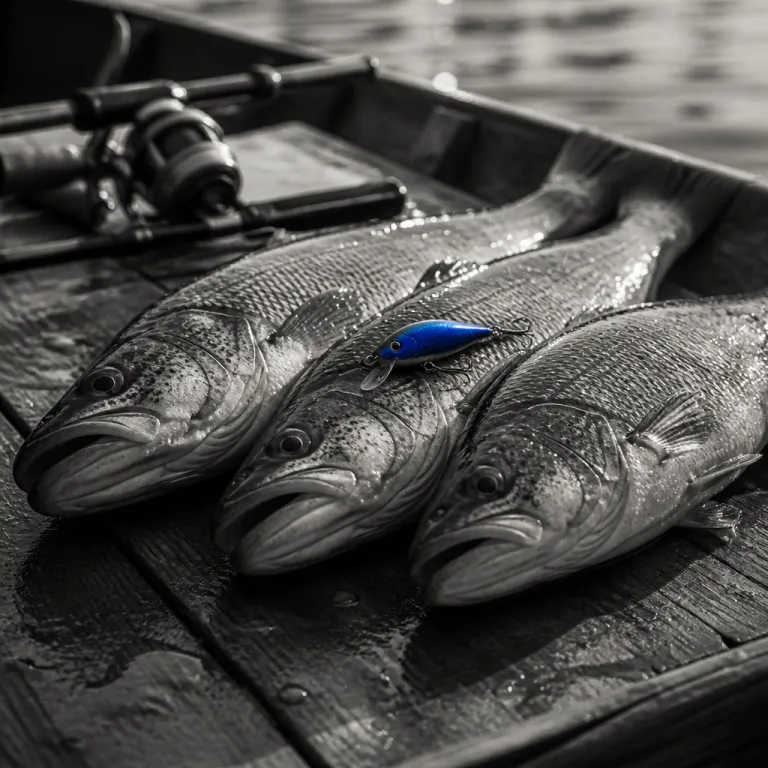
Short fishing trip planning for a quick, reliable outing
A two hour fishing trip can feel more focused than a full day grind. When you treat short fishing trip planning for a quick outing as its own skill, you turn small windows of time into real fishing time instead of rushed chaos. That mindset will help you fish more often, teach your kids faster, and still be home before breakfast is cold.
Start by drawing a twenty minute circle around your house and listing every pond, small lake, and easy access creek where you can reasonably catch fish. This local view of your options matters more than any glossy brochure for deep sea tours or distant fishing charters, because short trips live or die on drive time and simple logistics. If you burn forty five minutes of hours in the car each way, your quick day trip stops being a two hour fishing trip and becomes a rushed half day with cranky kids.
For these close to home trips, forget the idea that you need a boat or an entire boat rental to make memories. Shoreline bluegill, pond bass, and stocked trout give beginners live fish action without the cost or stress of a charter mate, fuel, or sea conditions. You are trading the chance to fish big offshore species for more frequent, low friction outings where your child actually feels a bite and learns to catch fish.
Keep your planning brutally simple and repeatable so you can launch a fishing trip in minutes. A written checklist of things you always bring will help you avoid forgetting pliers, snacks, or the valid fishing license you must carry in most states. When short fishing trip planning for a quick outing becomes a routine, you stop debating whether you have time water to go and simply say, we will fish this evening for two hrs.
Choosing water within 20 minutes of home
For a parent angler, the best time to fish is the time you can actually reach the water with kids still in a good mood. That means prioritizing ponds in city parks, small reservoirs with safe banks, and community creeks over famous fishing tours or offshore fishing charters that eat an entire day. Short fishing trip planning for a quick outing starts with honest driving math, not dreams of a full day offshore adventure.
Look for spots where you can park within a short walk of the bank, because every extra hundred metres with chairs, snacks, and kids drains your limited hours. A small suburban pond with visible shoreline weeds, overhanging trees, and a little wind ripple often holds more catchable fish than a huge lake that requires a boat ramp, a mate to help launch, and thirty minutes of idle time water before you even cast. When you can step out of the car and be casting in five minutes, your two hour fishing time window suddenly feels generous.
State wildlife agencies often publish online maps of stocked community waters that are perfect for a quick day trip with children. These places are managed so beginners can catch fish, and many have clear rules about catch and release, bait, and whether you may keep live fish or must release everything. Always check the local regulations and make sure every adult has a current fishing license before you go, because nothing ruins a short fishing trip planning for a quick outing like a ticket on the first day.
Skip the sea wall hotspots that only fire during a narrow tide unless you live on the coast and know that rhythm well. For most inland families, reliable pond bluegill and small bass are better than chasing a rare chance to fish big migratory species that require perfect season timing and specialized gear. If you later decide to try a charter or deep sea boat, you will already have kids who understand basic things like casting, waiting, and how guides will help them handle a catch.
Keeping gear and expectations local
Match your gear to these close waters instead of packing as if you were boarding a charter boat for offshore trips. A medium light spinning combo spooled with 6 to 8 pound line, a small box of hooks and jig heads, and a few floats cover almost every pond or creek fishing trip you will take with kids. Leave the heavy deep sea rods, giant coolers, and complex tackle bags at home, because they slow you down and turn a quick outing into a gear management exercise.
When you focus on nearby water, you also avoid the hidden costs that come with long charters and organized tours. There is no charter mate expecting a tip, no long hrs offshore, and no need for fish cleaning services or freezer space for a huge catch fish haul you may not even want. You are buying time with your kids, not kilos of fillets, and that trade beats most full day charters for a family still learning the basics.
If you already own too much tackle, resist the urge to bring it all and instead learn to master what you own in small, focused kits. A hip pack with a few proven lures, some live bait if legal, and one spare spool will help you stay mobile and keep kids fishing instead of sorting through boxes. For a deeper dive on this mindset, look at advice about how to stop buying gear and start mastering what you own, then apply that discipline to every short fishing trip planning for a quick outing.
Pre rigging at home so you fish from minute one
The biggest mistake I see fishing parents make is rigging at the water while kids stare at a blank pond. Every knot you tie on the bank is lost fishing time, and on a two hour trip those ten minute delays add up fast. Short fishing trip planning for a quick outing means you arrive with rods ready, hooks tied, and bobber stops already set to the right depth.
For a family of two or three anglers, I like two simple setups that cover almost every situation in small waters. One rod gets a small topwater or shallow crankbait for active fish near the surface, and the other carries a worm on a size 6 hook under a float or a 1/16 ounce jig for slower bites. That pairing lets you search for aggressive fish big enough to chase lures while always keeping one bait soaking where bluegill and sunfish live.
Rig these rods the night before and check every knot by pulling hard, because guides will tell you that most failures come from rushed knots tied in bad light. Lay out your basic gear on a table, including pliers, a small towel, a stringer if you plan to keep fish, and a trash bag for line scraps and snack wrappers. This five minute dry run will help you see missing things before they cost you precious hrs of fishing time at the pond.
If you use live bait such as worms or minnows, prepare a simple plan for keeping them alive without turning the outing into a science project. A small insulated bait bucket with a frozen water bottle often keeps live fish bait healthy enough for a two hour session, and you avoid lugging heavy aerators or power packs. When kids can rebait quickly and cast again, they stay engaged and you get more chances to catch fish in a short window.
What to leave behind for a quick outing
On these short trips, the list of things you do not bring matters as much as what you pack. Leave the boat at home unless you live on a small lake where launching takes less than ten minutes and you can be fishing almost immediately. Anything that requires a ramp, a mate to help, or long idle time water eats into your limited hours and turns a quick day trip into a logistical headache.
You also do not need a full day cooler, a camp kitchen, or a giant tackle trunk for a two hour bank session. A small backpack with water, a few snacks, sunscreen, and a compact first aid kit will help you handle most family needs without feeling like you are moving house. For lure selection, think in terms of three confidence baits that cover top, middle, and bottom rather than a suitcase of options you will never tie on.
When you strip your load down to two rods, one small bag, and maybe a folding chair, you move more, cast more, and waste less fishing time. That mobility lets you walk the bank, change your view, and find active fish instead of waiting all day in one dead corner. For more ideas on simple pond tactics that fit this style, look at resources on summer pond fishing with simple setups for bass and bluegill without overthinking, then adapt those patterns to your own short fishing trip planning for a quick outing.
Timing windows and species that reward short sessions
Fish do not care about your work schedule, but they do follow light and temperature patterns that you can use. Dawn and dusk usually compress the best time to catch fish into tight two hour blocks, which is perfect for a parent planning a quick outing before school or after dinner. When you align your short fishing trip planning for a quick outing with that natural fish clock, you stop fighting the day and start riding the bite.
In warm months, aim for the first light window when the water is coolest and fish feel safe cruising the shallows. Bluegill and other sunfish slide tight to the bank, bass prowl along weed edges, and stocked trout in community ponds often feed near the surface before the sun climbs. Those species are ideal for short trips because they live close to shore, respond well to simple live bait or small lures, and rarely require a boat or complex fishing guide tactics.
During colder season periods, late afternoon can be the best time as the shallows warm slightly and baitfish move. A quick day trip after school, with ninety minutes of casting into the last light, often outfishes a full day of midday casting under a high sun. Guides will often schedule their own personal trips around these windows, even when their paying fishing charters run at less ideal hrs for client convenience.
For kids, the goal is steady action, not a trophy wall, so target species that cooperate. A simple float rig with a worm can catch fish big enough to thrill a child but small enough to handle safely, and you can teach gentle catch and release habits from the first day. If regulations and your ethics allow keeping a few, plan ahead for basic fish cleaning at home, but never feel pressured to fill a cooler just because a charter brochure once promised a limit.
Reading conditions without overcomplicating things
You do not need advanced electronics or a professional fishing guide to make smart timing calls on a pond. Pay attention to wind pushing surface food into one corner, shade lines from trees, and any visible baitfish flickering near the bank, because those clues show where your limited fishing time will help most. If one stretch feels dead after fifteen minutes, move rather than waiting as if you were locked into a full day charter schedule.
Cloud cover can stretch the bite, giving you more forgiving hours to work with on a short outing. On bright, still days, focus your two hour window tighter around sunrise or sunset and fish closer to cover where bass and panfish feel secure. When you teach kids to notice these simple patterns, you are quietly giving them the same tools that guides will use on professional trips without ever calling it a lesson.
As your skills grow, you may read about technologies such as forward facing sonar that are changing how some anglers approach bass fishing. Those tools matter more on big waters and long trips than on a quick bank session, where your eyes and a simple plan still rule. For a family focused on short fishing trip planning for a quick outing, the real upgrade is more frequent, well timed sessions, not more screens on a boat console.
The family angle: two hours, three bluegill, and a lifetime habit
Kids measure a fishing trip in laughs, snacks, and tugs on the line, not in hrs logged or kilometres travelled. A tight two hour window with three or four cooperative bluegill often beats a full day on a charter boat where they catch one tired sea fish after six hours of waiting. Short fishing trip planning for a quick outing respects their attention span and builds a positive story they will want to repeat.
Set expectations before you leave the driveway so the day feels like a win. Tell your child that the goal is to spend some time water together, learn a new knot, and hopefully catch fish, not to fill a cooler like a commercial crew. When the focus is shared time rather than numbers, even a slow bite can feel like an adventure instead of a failed day trip.
Give kids real jobs scaled to their age, such as carrying a light tackle bag, watching the float, or helping with gentle catch and release. These small responsibilities turn them from passengers into mates, and that sense of ownership will help them stay engaged even when the fish take a break. When they are ready, let them handle simple fish cleaning for a kept panfish under close supervision, teaching respect for the catch and the rules printed on the fishing license.
Frequency beats length when you are building skills and memories. Two short trips each week, where your child casts, misses, and finally learns how to catch fish on their own, teach more than one marathon outing every few weeks where an adult or guide will do everything. Over a season of these quick outings, you will see their confidence grow from tentative casts to proud, independent fishing time.
When to consider guides, charters, and bigger adventures
Once your family has a rhythm of local pond sessions, you may start thinking about a bigger trip. A half day inshore charter or a calm bay boat ride can be a great next step, but only if you treat it as a special event, not the default way to fish. Choose fishing charters that welcome kids, explain that guides will focus on teaching, and avoid deep sea runs that require long hrs and heavy gear for your first outing.
Ask any potential fishing guide how they handle young anglers, whether they support catch and release, and if the entire boat can be booked for your family so you control the pace. A good guide will help your child bait hooks, handle live bait safely, and decide whether to keep or release fish big enough for the table. Remember that you do not need a charter mate or offshore sea conditions to validate your fishing; your weekly pond trips already make you a real angler.
Back home, keep the habit going with more short sessions rather than waiting months for the next big charter. The quiet repetition of casting in familiar water, watching the seasons change, and seeing which spots produce at different hours teaches more than any single epic trip. In the end, what your kids remember will be the tenth cast in the rain, not the spec sheet of a rented boat.
FAQ
How long should a kids’ fishing trip last?
For most children under twelve, a one to two hour fishing trip is ideal. That duration gives enough fishing time to cast, miss, and hopefully catch fish without pushing past their attention span. You can always end early on a high note and plan another short fishing trip planning for a quick outing later in the week.
What is the best time of day for a short outing?
Dawn and dusk are usually the best time windows for a quick bank session. In those two hour blocks, light and temperature push fish shallow, so you can catch fish close to shore without a boat. If mornings are tough, aim for the last ninety minutes before dark and keep your drive under twenty minutes.
Do I need a fishing license for a quick two hour trip?
In most U.S. states, every adult needs a valid fishing license regardless of how many hrs they plan to fish. Some states allow kids to fish without a license, but adults helping them often still need one. Check your state wildlife agency rules before any short fishing trip planning for a quick outing to avoid fines.
What basic gear should I bring for a two hour family session?
Two light spinning rods, a small box of hooks and floats, and simple live bait such as worms cover most pond situations. Add pliers, a small towel, sunscreen, water, and a few snacks, and you are ready for most quick trips. Leaving heavy coolers and extra gear at home will help you move more and spend more time water actually fishing.
How often should we go if we want kids to improve?
Short trips once or twice a week build skills faster than rare full day outings. Frequent practice lets kids refine casting, learn to watch a float, and understand when fish bite in different conditions. Over a season of regular short fishing trip planning for a quick outing, you will see their confidence and success grow noticeably.