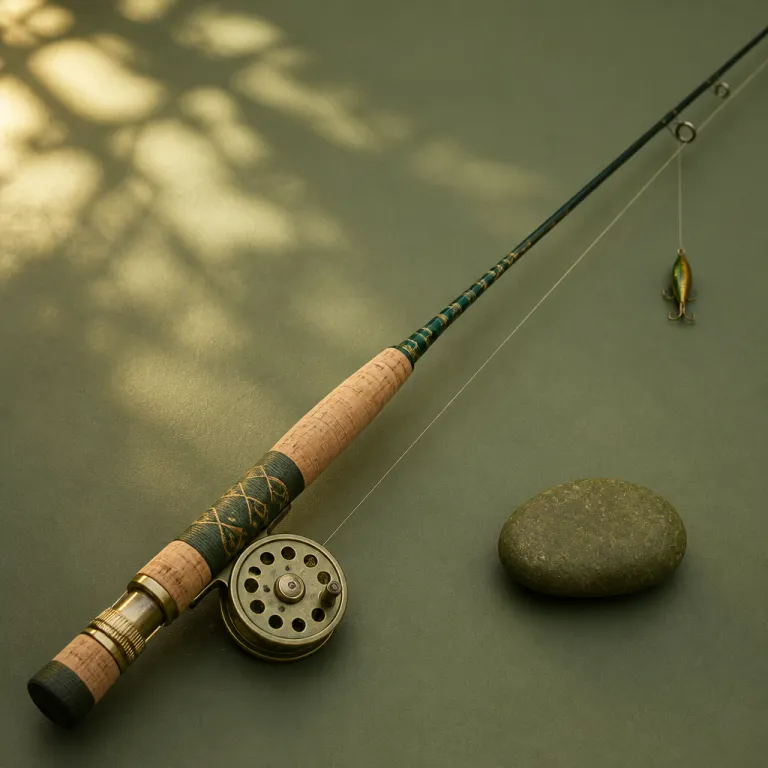

Personalized fishing poles: how custom rods change the way you fish
A personalized fishing pole turns a standard rod into a precise extension of your hand. When a fishing rod is tuned to your height, casting style, and target species, every movement feels more efficient and less tiring over a long day. That level of custom fishing control is what separates casual gear from tools that serious recreational anglers rely on.
Most factory fishing rods are built to hit a target price and to suit as many people as possible, which means compromises in blank action, handle length, and guide layout. A true custom rod starts from the blank upward, so the rod builder can match power, taper, and components to your local fishing conditions and preferred lures. That is why anglers who move to custom rods rarely go back to generic products once they feel the difference in sensitivity and balance.
Think about how often you fight a heavy fish and feel the rod load in the wrong place, or how a spinning rod feels tip heavy after a few hours. With a personalized fishing pole, the current wrap pattern, handle material, and reel seat position are all chosen to reduce fatigue while improving bite detection. The result is a product that feels hand built for your style, not just another item pulled from a shop rack during a seasonal sale. One coastal angler, for example, switched from an off‑the‑shelf spinning rod to a custom build with a slightly shorter rear grip and immediately noticed cleaner casts and fewer missed strikes on light inshore lures.
Matching rod power, action, and series to your fishing style
Choosing the right personalized fishing pole starts with understanding rod power and action. Light, medium, and heavy ratings on fishing rods describe how much load the blank can carry, while fast or moderate actions describe where the rod bends under pressure. When these elements are aligned with your lures and fish counts on local waters, your casting accuracy and hook setting improve dramatically.
For inshore lure work, a medium fast spinning rod in a reputable series often gives the best blend of casting distance and sensitivity. Anglers targeting pike or catfish from the bank may prefer heavy rods with slower actions, because these rods hand more of the fight into the mid section and protect thicker lines. If you mainly fish estuaries or sheltered coasts, guides often recommend studying a detailed comparison of top rated inshore spinning rods, such as the analysis provided in this guide to serious coastal spinning setups.
When you commission a custom rod, you can request a blank from a specific series that has already proven itself on your home waters. The rod builder then adjusts handle length, guide spacing, and wrap style to fine tune the product for your casting stroke and preferred line class. Over time, dedicated anglers often end up with several custom rods, each tailored to a narrow role, rather than one generic fishing rod that never feels quite right in any situation.
| Fishing scenario | Typical custom inshore spinning rod build | Example spec |
|---|---|---|
| Light estuary lure fishing | Medium power, fast action, braid ready guides | 7'0" blank, 8–15 lb line, size 3000 reel seat |
| Bank fishing for pike or catfish | Heavy power, moderate action, longer handle | 8'0" blank, 20–40 lb line, extended rear grip |
| All round freshwater spinning | Medium light power, fast action, split grip | 6'6" blank, 6–12 lb line, lightweight guides |
Inside the build: blanks, quality components, and hand finished wraps
The heart of any personalized fishing pole is the blank, which is the tapered graphite or composite tube that defines power, action, and overall feel. High quality blanks use carefully oriented carbon fibers and precise resin systems, which allow a rod to be both light and strong under heavy loads. When you choose a custom fishing build, you can specify the exact blank model that matches your target species and casting distance.
Quality components matter just as much as the blank, because guides, reel seats, and grips all influence sensitivity and durability. Many custom rods use stainless steel or titanium guides with ceramic inserts, which protect braided lines and pair well with advanced terminal tackle such as stainless steel fishing wire explained in this technical overview of wire choices for serious anglers. A hand built handle with cork or EVA, shaped to your grip, can reduce fatigue and improve control when a heavy fish surges near the boat.
The wrap work that secures each guide to the rod blank is more than decoration, because thread tension and epoxy coverage affect how stress travels along the rod. Builders often offer an original wrap pattern or a series of color options that echo your club colors or a memorable catch. When you study a respected performance focused range such as the TFO Professional spinning rod series, highlighted in this in depth review of inshore performance rods, you see how careful guide layout and component choice translate into real world casting gains.

Balancing price, value, and long term performance
Many anglers hesitate before ordering a personalized fishing pole because the price looks higher than a mass produced alternative. The original price of a custom rod can easily be double a mid range factory fishing rod, especially when you choose premium blanks and quality components. Yet when you spread that cost over the long durée of regular fishing seasons, the price custom anglers pay often delivers better value per trip.
Retailers sometimes show a current price and a crossed out original price to highlight a sale price on selected rods, but that does not always tell the full story. A lower price current on a discounted product may still represent weaker components, less precise guide spacing, or a blank that feels dead in the hand. By contrast, a custom rod with a stable current price reflects the time a rod builder invests in each hand built piece, which often includes careful static testing and test casting before delivery.
When you browse an online shop, it is tempting to add items to the cart quickly, especially when a banner promotes a flash sale on spinning rods or ice fishing combos. Slowing down to compare the current price of a personalized fishing pole against the likely lifespan and performance can prevent disappointment when fish counts rise and your gear is under real pressure. Many experienced anglers would rather add cart entries for fewer custom rods that last, instead of filling a cart with cheaper rods rights that fail at the worst possible moment. A simple buyer checklist helps: confirm blank rating matches your main lure weights, check guide material and spacing, and read the warranty terms before you click add cart.
From online cart to bank side: ordering and specifying your build
Ordering a personalized fishing pole online usually starts with a configuration page where you choose blank length, power, and action. You then select handle style, guide type, wrap colors, and any custom text, before you finally add the build to your cart. This process turns a generic product listing into a detailed specification that a rod builder can follow step by step.
Many specialist shops present their custom rods as a series of base models, each with a clear current price and a list of upgrade options. You might see a standard spinning rod with an original price, then a higher price custom version that includes lighter guides, a split grip, and a different reel seat. When you click add cart on the upgraded model, you are effectively voting for better performance and durability over a short term saving at the point of sale.
Some anglers prefer to speak directly with a builder before they commit, especially when they want a personalized fishing pole for demanding ice fishing or for throwing heavy lures from rock marks. A quick conversation about your local fish counts, casting distances, and preferred line strengths helps the builder refine the blank choice and guide layout. Once the specification is final, the order moves from the digital add cart stage to the workbench, where rods hand crafted to your needs slowly take shape. If you are unsure where to start, most custom shops invite you to call or email so you can compare blanks and talk through options before placing the order.
Ethics, durability, and the rights around custom rod designs
Commissioning a personalized fishing pole also means engaging with the craft and intellectual property of the builder. Many custom rods carry subtle branding or a note such as all rights reserved on the blank, which signals that the wrap patterns, logo, or specific component combinations are protected designs. Respecting those rods rights helps sustain a community of skilled builders who invest time in refining techniques that benefit recreational fishermen.
Durability is another ethical dimension, because a well built fishing rod that lasts for decades reduces waste and the environmental cost of repeated replacements. When a rod builder uses quality components and carefully aligned guides, the finished product resists corrosion, impact, and the repeated stress of heavy fish. That resilience matters in harsh environments such as winter ice fishing, where cheap rods often fail at the handle or guide feet after only a few seasons.
Many anglers also appreciate the transparency that small builders offer around material sourcing and working conditions, which contrasts with anonymous mass production. When you order custom rods from a named craftsperson, you know who stands behind the warranty and who has literal hands on the blank during each wrap. That personal accountability, combined with clear statements about rights reserved and design ownership, builds trust that extends far beyond the initial sale price on your invoice.
Key statistics on custom rods and recreational fishing gear
- According to the American Sportfishing Association, recreational anglers in the United States spend more than 7 billion dollars annually on rods, reels, and related fishing equipment, which shows how significant rod choice is within overall gear budgets (see the ASA “Sportfishing in America” economic impact report for detailed figures, available on the American Sportfishing Association website).
- Industry surveys from major tackle retailers indicate that custom and semi custom rods now represent roughly 10 to 15 percent of total rod sales by value, reflecting a steady shift toward personalized fishing pole builds among committed anglers; these estimates are consistent with internal category breakdowns reported in retailer earnings calls from large chains such as Bass Pro Shops and Cabela’s.
- Warranty data summarized by several premium rod manufacturers in their public warranty policy notes show that blanks built with higher modulus graphite and quality components have failure rates below 1 percent in normal use, compared with rates above 3 percent for entry level rods, which supports the long term value argument for price custom investments; supporting figures can be found in warranty information published by brands such as St. Croix, G. Loomis, and Temple Fork Outfitters.
- Market analyses of ice fishing gear report that specialized ice fishing rods and combos account for around 8 percent of rod unit sales in colder regions, but a higher share of revenue, because many anglers choose upgraded components to cope with harsh winter conditions; these findings align with regional sales snapshots published by large outdoor retail chains and summarized in annual reports from companies like Rapala VMC and Pure Fishing.
- Customer review aggregations from large online shops consistently show that personalized or hand built rods receive average ratings above 4.7 out of 5, while mass produced mid range rods cluster closer to 4.3, suggesting that anglers notice and reward the performance and feel of custom fishing builds; these figures are based on publicly visible rating distributions in the rod and reel categories on major e‑commerce platforms.
FAQ about personalized fishing poles and custom rods
Is a personalized fishing pole really worth the higher price for casual anglers ?
A personalized fishing pole offers the greatest benefit to anglers who fish regularly and can feel subtle differences in balance and sensitivity. Casual anglers who only fish a few times per year may be better served by a solid mid range factory fishing rod, especially if budget is tight. However, anyone who struggles with casting comfort or specific techniques can still gain from a well specified custom rod tailored to their height and preferred lures.
How do I choose the right blank and components for my custom rod ?
Start by defining your main target species, lure weights, and line strengths, because these factors determine the ideal blank power and action. Then consider where you fish most often, such as rivers, lakes, or coastal areas, and whether you need a spinning rod or a casting model. A reputable rod builder can guide you through quality components, including guides, reel seats, and grips, to match your budget and performance goals.
Can a custom spinning rod handle both freshwater and light saltwater fishing ?
Many personalized spinning rods are designed as versatile tools that can cover both freshwater and light inshore saltwater use, provided they use corrosion resistant guides and reel seats. If you plan to fish in saltwater regularly, ask your builder to prioritize stainless steel or similarly durable components and to seal all wraps carefully. Rinsing the rod with fresh water after each saltwater session will further extend the life of the product.
How long does it usually take to receive a hand built custom rod ?
Lead times vary by builder and season, but many custom rods take between four and eight weeks from order to delivery, because each blank must be wrapped, finished, and cured properly. Complex builds with intricate wrap patterns or unusual components can take longer, especially during peak fishing seasons when order volumes rise. Planning ahead before major trips ensures your personalized fishing pole is ready when you need it.
What maintenance does a personalized fishing pole require to stay in top condition ?
Routine maintenance for a personalized fishing pole includes rinsing with fresh water after each trip, gently drying the blank and guides, and checking wraps for any cracks or lifting. Periodically inspect the reel seat, handle, and tip top for looseness, and address small issues early to prevent larger failures under heavy load. Storing the rod in a protective tube or rack, away from extreme heat, will help preserve both the blank and the finish over many seasons.