Why shore lunch still matters when you fish with kids
Shore lunch is the moment a simple fishing trip turns into a story your kids repeat for years. When you keep shore lunch fish cooking outdoor simple, you show them that fresh fish, a small fire, and a calm shore can beat any restaurant. The goal is not gourmet perfection, but a safe, tasty meal that proves catching and cooking belong together.
On family trips I keep the gear minimal so I can focus on teaching how to handle fish fillets safely, not juggling gadgets on top of a crowded picnic table. A parent who is already managing rods, snacks, and sunscreen does not need a full camp kitchen, just a reliable way to cook fresh fish over fire with a few ingredients like salt pepper and a squeeze of fresh lemon. When kids see a walleye or trout go from hook to pan in minutes, they understand why fishing is more than a hobby.
Think of shore lunch as a portable classroom where they learn knife safety, fire respect, and why we never waste fresh walleye or lake trout. You can talk about why we keep only what we will cook and how sea salt, pepper, and a little olive oil or canola oil can turn simple fish fillets into something special. The memory that sticks is not the spec sheet on your reel, but the first bite of hot fish eaten with cold fingers on a windy shore.
The five item shore lunch kit that actually fits in a tackle bag
For most parents, the difference between talking about shore lunch and actually cooking fish is weight and bulk. To keep shore lunch fish cooking outdoor simple, I use a five item kit that lives in my main fishing bag so it is always ready for a quick lunch. The kit is built around one idea : if it does not help you clean or cook fish safely, it stays home.
The first item is a sharp fillet knife with a rigid 15 cm blade, which makes fast work of panfish, fresh walleye, and small lake trout without slipping. Second is a roll of aluminum foil, because foil packets over fire handle everything from delicate trout to firmer fish fillets when you do not want to mess with a pan or cooking oil. Third is a small tube of sea salt and black pepper, which lets you season any recipe from simple foil trout to breaded fish without hauling a spice rack.
Fourth, I pack individual butter packets that work as both oil and flavor when you do not want to carry olive oil, canola oil, or other cooking oil in bottles that can leak. Fifth is a reliable lighter, because nothing ruins a shore lunch faster than perfect fish and no fire to cook it over. If you are starting a new family fishing tradition and you feel overwhelmed, this tiny kit pairs well with the advice in guides on building a fishing tradition when you are the only angler, and together they keep the whole experience manageable.
Method 1: foil packet on coals for foolproof trout and walleye
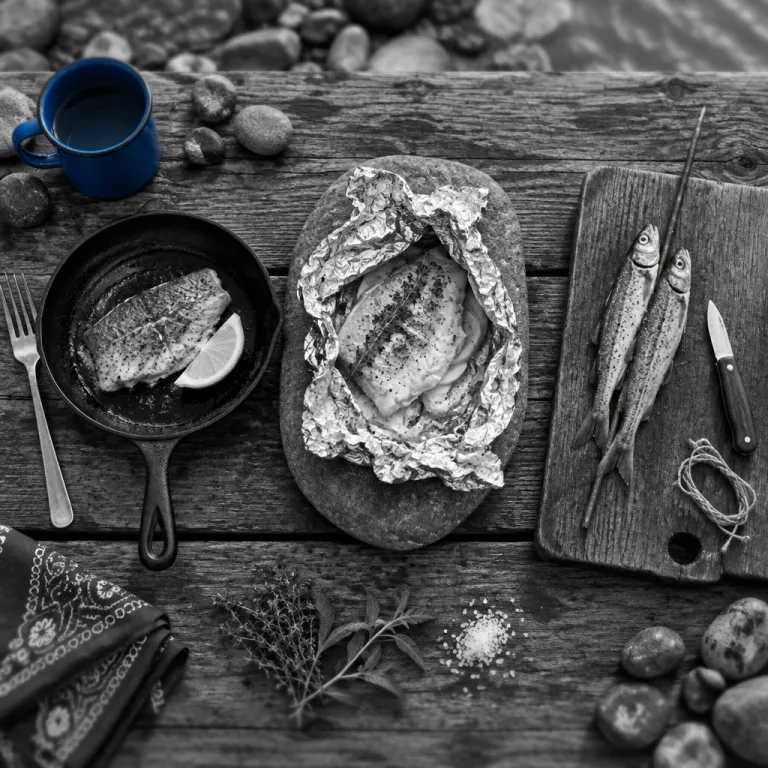
When you want shore lunch fish cooking outdoor simple and nearly impossible to ruin, start with foil packets on coals. This method shines with trout and fresh walleye because their moist flesh steams gently inside the packet instead of drying out over open fire. You do not need a pan, oil, or even breading, just clean fish fillets, foil, and a small bed of coals.
Clean the fish first, using a quick three minute fillet technique for panfish or a gut and grill method for whole trout, then pat the fresh fish dry. Lay each fish fillet on a sheet of foil, add thin slices of potatoes onions if you have them, then season with sea salt, pepper, and a drizzle of olive oil or a pat of butter. Finish with a slice of fresh lemon on top, fold the foil tight to seal in steam, and set the packets directly on the coals for about fifteen minutes.
While the packets cook, keep kids back from the fire and talk through why we never leave foil or fish scraps on the shore. This is a good time to explain food safety basics, like keeping fish on ice or in cold water until cooking and aiming for an internal temperature of about 63 °C for safe eating. If you want more simple bank side ideas for panfish and bluegill before you try this, the approach in simple summer pond fishing setups pairs nicely with an easy foil packet shore lunch.
Method 2: cast iron pan, light breading, and crisp fillets
When you have a small camp stove or a stable fire grate, a cast iron pan gives you the crispiest shore lunch fish cooking outdoor simple enough for any beginner. Cast iron holds heat evenly, which helps you cook thin fish fillets like crappie, perch, or fresh walleye in just a few minutes without burning the breading. The key is to preheat the pan and use enough cooking oil to shallow fry, not deep fry.
Start by mixing a quick breading mix in a plastic bag : equal parts corn meal and bread crumbs, plus a pinch of sea salt and pepper. In a small cup, beat an egg with a splash of water to make a basic egg wash that helps the fish breading stick to the fillets. Dip each piece of fresh fish into the egg wash, shake it in the breading mix bag, then lay it gently into the hot pan with olive oil, canola oil, or butter shimmering but not smoking.
Cook the fish for about three minutes per side, turning once when the edges turn golden and the breading feels crisp under the spatula. This method works beautifully with lake trout and even fish from an ice fishing session, as long as you kept them cold and dry before cooking. For kids, the sizzle of fish in cast iron and the smell of hot breading on the shore becomes the part of the trip they talk about long after they forget which lure caught the fish.
Method 3: fish on a stick over open flame, plus safety and stories
Cooking fish on a stick over open flame is the oldest form of shore lunch fish cooking outdoor simple enough to teach a child in one outing. This method works best with trout or smaller lake trout, split and splayed so they cook evenly without a pan or oil. You need a green stick about as thick as your thumb, a small fire burned down to coals, and patience.
Clean the fish, then run the stick up through the mouth and along the spine, using small cross sticks to hold the fillets open like a book. Season the fresh fish lightly with sea salt, pepper, and maybe a brush of olive oil or melted butter if you have it, then angle the stick so the fish faces the heat but not the direct flame. Rotate slowly every few minutes until the flesh turns opaque and flakes easily, usually in ten to fifteen minutes depending on the size of the fish.
While the fish cooks, talk with your kids about leave no trace habits, like packing out foil, line, and any breading mix bags, and scattering rinse water well away from the shore. This is also a good moment to share cultural stories about fishing traditions, or even point them later toward resources on outdoor heritage such as the artistry of Native American jewelry and its connection to land and water. In the end, what they remember is not the brand of cooking oil you used, but that you stood together by a small fire, watching fresh fish turn golden on a stick while the lake went quiet.
Cleaning, safety, and digital access to better shore lunch habits
Good shore lunch fish cooking outdoor simple enough for families starts with clean fish and safe handling. For panfish, I use a three minute fillet method : cut behind the gill plate, follow the backbone, flip the fillet, and slide the knife under the skin, leaving you with clean fish fillets ready for the pan or foil. For trout, a quick gut and grill approach keeps the fish whole for foil packets or stick cooking, which many kids find more exciting.
Always keep fresh fish on ice or in a mesh basket in cold water until you are ready to cook, especially after a long morning of fishing or ice fishing. Aim for an internal temperature of about 63 °C, which you can judge by checking that the flesh flakes easily and is opaque all the way through, whether you used breading, egg wash, or just sea salt and fresh lemon. Pack a small trash bag for foil, paper towels, and any leftover fish breading or breading mix, and clean fish well away from the main shore area so gulls and raccoons do not start associating anglers with easy food.
Many parents now use digital access to keep recipes, safety checklists, and local regulations on their phones, which helps them remember details like how much oil to use in a cast iron pan or how to season potatoes onions alongside fish in a foil packet. Save a simple walleye recipe, a trout foil method, and a basic pan breading guide offline so you are not stuck if the signal drops. The more you repeat these routines, the more your kids see that a good shore lunch is not an accident, but a habit built from small, careful choices.
FAQ: shore lunch basics for fishing parents
How do I keep shore lunch safe for kids to eat
Keep fish on ice or in cold water from the moment you decide to keep it until you cook. Clean the fish with a sharp knife on a stable surface, then cook it thoroughly until the flesh is opaque and flakes easily, which corresponds to about 63 °C internal temperature. Make sure kids wash or sanitize their hands before eating, and store raw fish, breading, and cooked fillets separately so juices do not mix.
What fish species are best for a first shore lunch
For beginners, panfish like bluegill and perch are ideal because their small fillets cook quickly in a pan with light breading. Trout works very well in foil packets on coals, since the skin and bones help keep the meat moist and forgiving. Walleye and small lake trout are excellent when you have a cast iron pan and a bit of oil, because their firm flesh holds together during cooking.
Do I really need a cast iron pan, or will any pan work
Any sturdy pan can cook fish, but cast iron handles uneven camp heat better than thin aluminum or cheap nonstick. It holds heat when you add cold fish fillets, which helps breading crisp instead of steaming. If you only buy one pan for shore lunch, a medium cast iron skillet around 25 cm wide is the most versatile choice.
How can I keep shore lunch gear light when fishing with kids
Limit yourself to a fillet knife, foil, a small container of salt and pepper, butter packets, and a lighter, then add a compact cutting board if you have room. Use resealable bags for breading mix and keep a small bottle of olive oil or canola oil in a leakproof container. Store everything in a single pouch inside your tackle bag so you are not hunting for pieces while supervising children near the water and the fire.
What should I do with fish scraps and used foil after cooking
Pack all foil, paper, and plastic out with you in a dedicated trash bag, even if there is a fire ring or other litter nearby. Dispose of fish heads and guts at designated cleaning stations when available, or bury them well away from the shore and trails if regulations allow. Never toss scraps into the water near where people fish or swim, because it attracts wildlife, spreads odor, and teaches animals to associate anglers with food.