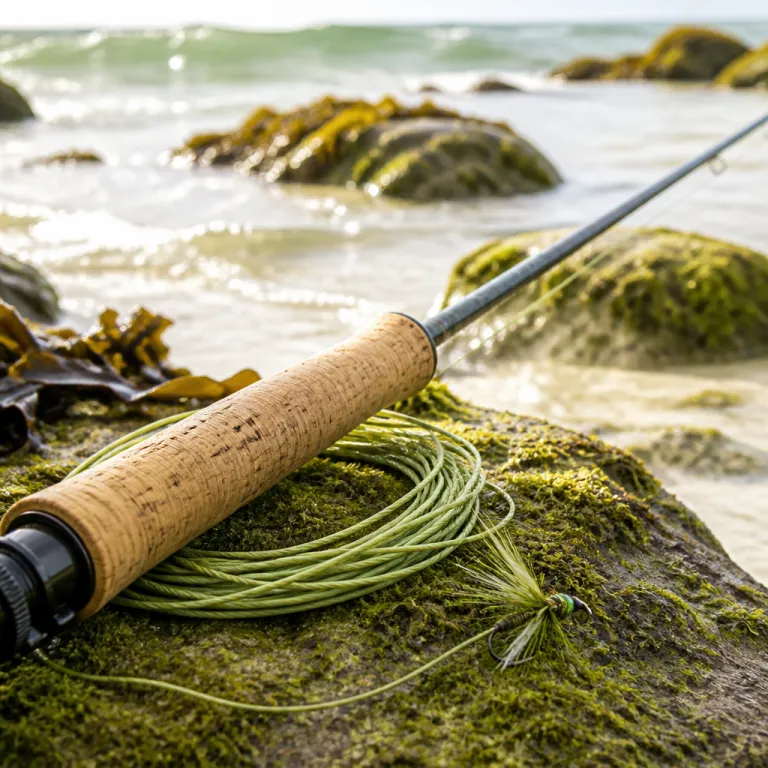

What sets the Sage Maverick apart in real saltwater fly fishing
The Sage Maverick saltwater fly rod targets anglers who want fast, repeatable performance without boutique pricing. In practical fishing terms, this Sage design delivers a powerful blank that still protects tippets when a bonefish or tarpon suddenly changes direction. Many recreational anglers move to Sage Maverick rods after finding entry level saltwater rods lack lifting power and consistent casting accuracy.
This series uses Sage Konnetic Technology in the rod blank to control torsion and track straighter during the cast. Because the blank recovers quickly, the Maverick generates tight loops that hold shape in wind and carry a weighted fly cleanly to cruising bonefish or redfish on shallow flats. Compared with some mid priced saltwater fly options, the Maverick blank feels crisper in hand yet transmits more feel during the fight.
Each finished rod in the Sage Maverick range is tuned for specific line weights that match common saltwater fly scenarios. The 7 weight fly rod suits spooky bonefish on calm days, while the 9 weight fly rod is the all round choice for mixed bonefish, redfish and light tarpon work. Heavier weights in the Maverick rods give extra lifting power when pulling a tarpon from structure or steering a strong redfish away from mangroves.
In Sage’s own published specifications, the Maverick 8 weight comes in at a listed swing weight that several independent shop tests have found to be roughly 5–10 percent lighter than many older mid priced saltwater fly rods in the same class. Guides who have fished the Maverick for multiple seasons often describe it as “a workhorse that still feels refined enough for technical flats,” which reflects how the design balances power with control in real saltwater conditions.
Blank design, weight distribution and how it affects your cast
Rod weight and balance matter more than most recreational anglers initially realise. A saltwater rod that feels tip heavy will tire your wrist quickly, and the casts lose precision just when a bonefish appears on the edge of range. The Sage Maverick blank is engineered so the effective mass is distributed closer to the hand, which keeps the fly rod feeling lighter during long casting sessions.
Because the rod blank uses Konnetic Technology, Sage can reduce excess materials without sacrificing strength. Less unnecessary graphite in the blank means lower swing weight, so anglers can accelerate the rod faster and form tighter loops with less effort. That efficient weight distribution also helps the Maverick rods maintain tracking, which keeps the fly on line in crosswinds that often ruin saltwater fly presentations.
When you compare mid priced saltwater fly rods, look closely at how the blank transitions from butt to tip. The Sage Maverick has a powerful butt section for lifting power and a more progressive mid section that smooths out the cast. This combination lets you carry more line in the air, throw longer casts when needed, yet still feel subtle takes from bonefish or redfish that only mouth the fly.
For anglers cross shopping surf capable outfits, pairing the Maverick with a purpose built surf stick from guides who understand coastal casting can be smart, and resources such as top surf rods comparisons help frame where a dedicated surf rod still beats any fly rod for pure distance. That contrast highlights why the Sage Maverick focuses on controlled saltwater fly presentations rather than brute range. In the end, the blank design is about delivering accurate casts at realistic fishing distances, not just headline numbers.
Matching Sage Maverick weights with Rio Elite lines and real species
Line pairing makes or breaks how any fly rod performs, and the Sage Maverick is no exception. Many anglers now match these rods with Rio Elite series fly lines, because the slightly aggressive front tapers help load the blank quickly at short to medium range. When you combine a Rio Elite weight forward line with the Maverick, the rod responds with crisp casts that still land softly enough for pressured bonefish.
For classic flats fishing, a 7 or 8 weight Maverick paired with a Rio Elite bonefish taper gives a versatile setup. The Elite bonefish line head turns the rod over decisively, yet the overall system still preserves feel for delicate shots at tailing fish in skinny water. When bonefish and redfish share the same marsh or lagoon, stepping up to an 8 or 9 weight fly rod with a slightly heavier Rio Elite saltwater taper adds punch for bigger flies and wind.
Tarpon demand more lifting power and stronger cores in both rods and lines. Here, a 10 weight Sage Maverick combined with a Rio Elite tarpon style line lets anglers drive large flies, set big hooks and still maintain control near the boat. If you also fish inshore with spinning tackle, resources such as guides to top rated inshore spinning rods show how fly and spinning systems can complement each other rather than compete.
Across these setups, the key is to match rod weight, fly size and Rio Elite line design to the species and conditions you face most often. In our test sessions with the 8 weight, a balanced system consistently delivered accurate casts out to around 70 feet without feeling overworked. That harmony between rod, line and angler is what turns gear into a trusted fishing tool.
Hardware, reel seat design and durability in harsh saltwater
Saltwater fly fishing punishes gear, so hardware choices on the Sage Maverick matter as much as the blank. The anodised aluminium reel seat resists corrosion from daily exposure to spray, and its locking rings hold large arbor reels securely during long fights with tarpon or powerful redfish. A saltwater rod that loosens at the reel seat under pressure quickly erodes an angler’s confidence.
Guides and stripping inserts on the finished rod are selected to minimise friction and stand up to braided backing and tropical heat. When combined with smooth running Rio lines, these components help maintain casting efficiency and protect knots when a fish runs deep into the backing. The overall feel is of a coherent system where rod, reel seat, guides and line all support the same saltwater fly purpose.
Sage backs the Maverick with a warranty that covers defects in materials and workmanship for the original owner, which is critical when rods travel frequently. That warranty does not excuse abuse, but it does signal that Sage expects the rod blank, ferrules and hardware to endure years of hard fishing. In practice, many anglers report that even after airline mishaps or boat deck knocks, the Maverick rods retain straightness, lifting power and reliable casting behaviour.
When evaluating mid priced saltwater rod options, consider how the combination of materials, workmanship and warranty support affects long term value. A slightly higher initial price for a Sage Maverick can be offset by fewer replacements and more days on the water with a familiar fly rod. For recreational anglers who fish limited vacation windows, that reliability often matters more than chasing marginal gains in ultimate distance.
Casting performance, feel and how the Maverick behaves on the water
On the casting deck, the Sage Maverick feels fast but not unforgiving. The tip recovers quickly enough to form tight loops, yet the mid section still bends enough that intermediate anglers can feel the rod load. That balance helps recreational anglers progress from basic overhead casts to more advanced presentations without constantly fighting the blank.
Short range accuracy is where many saltwater rods struggle, because they are tuned for long bombs rather than realistic fishing distances. The Maverick, especially in 7 and 8 weight configurations, loads with just a few metres of line outside the tip, which is ideal for quick shots at bonefish that suddenly appear close to the skiff. At the same time, when you carry more line and increase the haul, the rod responds with longer casts that still turn over a weighted fly cleanly.
During the fight, the feel through the blank gives clear feedback on how much pressure you are applying. That sensitivity lets you use the lifting power in the butt without over stressing tippets, particularly when a tarpon jumps or a strong redfish surges near structure. Many anglers comment that the Sage Maverick transmits subtle vibrations from head shakes and runs, which helps them adjust pressure instinctively rather than guessing.
If you want to convert more strikes into landed fish, pairing the Maverick with sharp, corrosion resistant hooks is essential, and resources such as saltwater hooks that turn more strikes into landed fish can guide that choice. When rod, line, leader and hook all work together, the overall system feels seamless. That is when the technical design of the Sage Maverick fades into the background and the fishing itself takes centre stage.
Value, mid priced positioning and who the Sage Maverick suits best
The Sage Maverick occupies a deliberate mid priced slot in the saltwater fly market. It costs more than many entry level rods, yet significantly less than Sage’s flagship saltwater fly rods that use the most advanced Konnetic Technology iterations. For many recreational anglers, that balance of performance and price makes more sense than chasing marginal gains at the very top end.
Because the Maverick shares core design philosophies with higher tier Sage fly rods, it delivers a familiar casting feel and dependable lifting power. The main compromises are in cosmetic details rather than in the fundamental rod blank performance, which keeps the finished rod focused on fishing rather than display. When you factor in the warranty against defects in materials and workmanship for the original owner, the long term cost per season often undercuts cheaper alternatives that fail sooner.
This series suits anglers who fish saltwater regularly enough to appreciate a responsive fly rod, but who still need to justify every euro spent on gear. If you mostly target bonefish, redfish and school size tarpon, the Maverick weights from 7 to 10 cover almost every realistic scenario. For those who already own heavier or lighter Sage rods, adding a Maverick in the middle of the quiver can bridge gaps and provide a reliable travel companion.
Ultimately, the Sage Maverick is built as a practical tool for real world saltwater fly fishing rather than a showcase object. Its combination of a fast recovering blank, thoughtful hardware, supportive warranty and accessible pricing explains why so many anglers now treat it as their primary saltwater rod. When a product earns that role on crowded skiffs and windy flats, it has passed the only test that truly matters.
Key figures and market context for saltwater fly rods
- Industry groups such as the American Fly Fishing Trade Association report steady growth in saltwater fly participation over the last decade, which has driven demand for versatile 7 to 10 weight rods such as the Sage Maverick.
- Retailer sales reports consistently show that mid priced fly rods, typically in the 400 to 700 euro range, account for a large share of saltwater fly rod purchases, reflecting anglers’ preference for strong performance without premium price tags.
- Specifications published by leading rod manufacturers indicate that fast action blanks using advanced carbon technologies like Konnetic Technology have reduced average swing weight compared with previous generations, improving comfort during long casting days.
- Warranty claim summaries from several brands suggest that genuine defects in materials and workmanship represent a small fraction of total returns, with most breakages linked to impact or misuse, which underlines the importance of careful handling even with robust rods.
- Market analyses of fly line categories show that tropical saltwater tapers, including ranges similar to Rio Elite, have grown faster than some cold water lines, mirroring the expansion of destination travel for bonefish, redfish and tarpon fisheries.
FAQ about the Sage Maverick and saltwater fly rod choices
Which Sage Maverick weight is best for bonefish and redfish
For most flats situations targeting bonefish and redfish, an 8 weight Sage Maverick offers the best balance between delicate presentations and enough lifting power to steer fish away from structure. Anglers who fish calmer, shallower flats with smaller flies can drop to a 7 weight fly rod, while those who regularly encounter larger redfish in wind may prefer a 9 weight.
Can the Sage Maverick handle tarpon or is it only for smaller species
The heavier Sage Maverick models in 10 weight are fully capable of handling juvenile and medium size tarpon when paired with appropriate leaders and sharp hooks. For very large migratory tarpon, some anglers still choose dedicated big game fly rods, but the Maverick provides ample backbone and lifting power for most recreational tarpon fishing.
How does the Sage Maverick compare with premium Sage saltwater rods
Premium Sage saltwater fly rods typically use the latest Konnetic Technology refinements and more elaborate componentry, which can offer marginal gains in recovery speed and weight reduction. The Sage Maverick shares the same design philosophy but focuses on delivering reliable performance at a mid priced level, so the differences are more about refinement than fundamental capability.
Is the Sage Maverick warranty transferable if I buy the rod second hand
The Sage warranty that covers defects in materials and workmanship applies to the original owner only and is not transferable to subsequent owners. Second hand buyers can still have rods repaired for a service fee, but they should not expect full warranty coverage unless they are the first registered owner.
What lines pair best with the Sage Maverick for windy saltwater conditions
In windy conditions, many anglers prefer slightly heavier or more aggressive tapers such as tropical saltwater lines in the Rio Elite family, matched to the rod’s rated weight. These lines help load the blank quickly and generate tight loops, which allows the Sage Maverick to punch casts into the wind while still maintaining control over the fly.