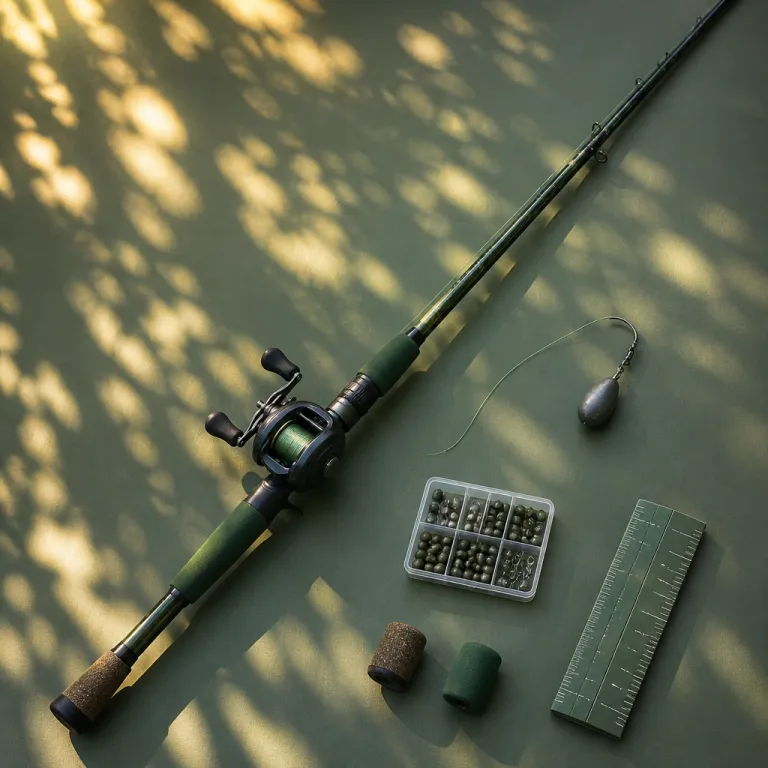

Why bottom fishing rods are different from other fishing rods
Bottom fishing rods face constant pressure from sinkers, current, and big game fish. A rod designed for this style must keep contact with the bottom while still transmitting subtle bites from cautious species like bream, snapper, or cod. Shorter boat rods with strong backbones help you lift fish vertically from deep water without losing control.
When you compare a typical spinning rod for lure casting with true bottom fishing rods, the differences in blank power, guides, and handle length become obvious. Many rods designed for bottom work use thicker walls and reinforced guide frames to handle high drag settings in saltwater, especially when you fish from a boat over wrecks or reefs. That extra strength lets you apply steady pressure without worrying about sudden failures when a heavy fish surges near the bottom.
Recreational anglers often underestimate how deep water and current change the way a rod behaves. A boat rod that feels regular in 20 m can feel slow and overloaded at 80 m, especially when you add a heavy sinker and bait. Matching rod action and length to your typical depth range is the first real step toward choosing bottom fishing rods that feel balanced instead of tiring.
Spinning rods versus conventional rods for bottom fishing
Most recreational fishermen start with spinning rods, then later test conventional rods when they move offshore. A modern spinning rod designed for bottom fishing can handle high drag and braided lines, yet a compact conventional rod often gives better line control when you drop straight down from a boat. The choice between spinning and conventional setups depends on how you fish, not just on habit.
Spinning rods shine when you mix bottom fishing with light jigging or slow jigging in moderate depths. A jigging spinning combo lets you drop a lure, work it near the bottom, then switch to bait without changing the entire outfit, which is ideal for mixed structure spots. Conventional rods, by contrast, excel when you fish deep water with heavy sinkers, where direct line lay on the spool improves sensitivity and reduces twist.
Brands like Daiwa and Penn offer both spinning and conventional series that target bottom fishing specifically. A Daiwa spinning rod in a bottom fishing series may pair well with a compact reel for inshore reefs, while a short Penn Ally conventional rod is built for deep drops and big game pressure. If you also enjoy ice fishing, looking at a dedicated guide to top ice reels can teach you a lot about drag smoothness and spool control that also matters for bottom fishing rods.
How brands like Daiwa and Penn shape modern bottom fishing rods
Serious recreational anglers often compare rods Daiwa produces with the Penn Ally range when they plan offshore trips. Daiwa bottom fishing rods usually focus on lighter blanks and refined actions, while Penn bottom fishing rods often emphasize brute strength and durability for harsh saltwater use. Both brands design boat rods that can handle deep structure, but they approach balance and feel differently.
Within the Daiwa catalog, you find boat rod models and jigging rods that cross over nicely into bottom fishing. Some rods designed originally for slow jigging or slow pitch jigging now double as sensitive bottom sticks, especially when you fish braid and smaller leads in moderate depth. Penn Ally conventional rods, on the other hand, are clearly a big game series, built to fish high drag with heavy leaders over wrecks where one mistake means a cut off.
When you compare these series, pay attention to how each rod designed for bottom work distributes power along the blank. A premium quality Daiwa boat rod might bend progressively, giving a slow but forgiving action that protects light leaders, while a Penn Ally rod hits a more regular, powerful curve that lifts fish quickly from deep water. For carp anglers who also fish saltwater, reading a specialist guide to top carp rods can highlight how freshwater power ratings differ from those used for offshore bottom fishing rods.
Understanding actions, power, and slow jigging crossovers
Action and power define how bottom fishing rods behave under load, especially in deep water. A slow action rod bends through most of its length, while a regular or fast action keeps more stiffness in the lower section for stronger lifting power. Power ratings, usually expressed in grams or lure weight ranges in the metric system, tell you how much weight the rod can handle without feeling overloaded.
Slow jigging and slow pitch jigging rods entered recreational fishing from Japanese offshore techniques, but they now influence many bottom fishing designs. A slow jigging rod is built to work metal jigs with a rhythmic lift and fall, yet its sensitive tip and strong mid section also make it excellent for feeling bites close to the bottom. When you use such jigging rods for bait, you gain sensitivity and fun fight curves, though you must respect the recommended sinker weight to avoid damaging the blank.
Pitch jigging and vertical jigging spinning setups also blur the line between lure and bait fishing. Many anglers now carry two bottom fishing rods on the same boat, one conventional rod designed for heavy sinkers and one spinning rod tuned for jigging spinning techniques around structure. This flexible approach lets you adapt quickly when fish move higher in the water column or when current makes a pure bottom fishing strategy less efficient.
Price, value, and how to read regular price versus sale price
Choosing bottom fishing rods often starts with a budget, but price alone never tells the full story. The regular price of a premium quality boat rod reflects materials, guides, and testing, while a temporary sale price or price sale may simply respond to a new series arriving. Recreational fishermen should compare features and build quality first, then judge whether the discount truly offers value.
When you see a bottom fishing rod designed for offshore use at a very low price, check carefully for compromises. Some cheap fishing rods use soft blanks that feel fine in shallow water but fold under high drag when you hook big game fish over deep reefs. Others cut costs on guides and reel seats, which can corrode quickly in saltwater and turn an apparent bargain into a short lived purchase.
By contrast, a higher regular price on rods Daiwa or Penn Ally produce often includes better stainless steel components and stronger blanks. These boat rods may seem expensive at first, yet they spread their cost over many seasons of bottom fishing if you rinse and store them properly. For anglers who want to understand why corrosion resistance matters so much, a detailed article on stainless steel fishing components offers useful context when you compare bottom fishing rods at any price level.
Practical setup tips for offshore bottom fishing from a boat
Once you choose your bottom fishing rods, rigging them correctly for offshore use becomes the next priority. A balanced boat rod setup starts with matching line strength, sinker weight, and reel capacity to the depth and current you usually fish. Too light a rod designed for shallow reefs will struggle when you move to deep wrecks with stronger flow.
For saltwater bottom fishing, many anglers pair a short conventional rod with braided main line and a fluorocarbon leader. This combination keeps stretch low, so you feel bites even when your rig rests 80 m below the boat, and the conventional rods handle high drag settings without twisting. Spinning rods can also work well offshore, especially when you mix bait with jigging spinning techniques around structure that holds both bottom feeders and mid water predators.
Boat rods used for big game bottom species like grouper or amberjack need extra attention to knots and terminal tackle. Check that your rod guides align perfectly and that the reel seat clamps the reel firmly, because any play becomes dangerous under heavy load in deep water. Whether you choose Daiwa, Penn Ally, or another premium quality series, treat each rod as a critical piece of safety equipment as well as a tool for more effective bottom fishing.
Key statistics about bottom fishing rods and offshore gear
- Trade bodies and large tackle retailers regularly report that bottom fishing rods and related boat rods make up a substantial share of saltwater rod sales, underlining how central bottom fishing remains for recreational anglers worldwide.
- Recent offshore rod catalogs from leading brands show that a clear majority of new boat rod series now use braided line ratings rather than monofilament ratings, reflecting the dominance of braid in deep bottom fishing applications.
- Interviews with charter skippers in regional saltwater magazines consistently suggest that rods designed specifically for bottom fishing lose fewer fish around wrecks than generic spinning rods, mainly due to stronger butt sections and better guide layouts.
- Field tests reported by tackle magazines and corrosion studies from component manufacturers such as Fuji and Alps indicate that premium quality stainless steel or titanium guides can significantly extend the functional life of saltwater bottom fishing rods compared with basic chrome plated guides.
- Consumer review summaries from major online retailers show that anglers who invest in mid range to high end bottom fishing rods are more likely to keep the same primary boat rod for many seasons, indicating better long term value despite a higher regular price.
FAQ about bottom fishing rods
What length is best for bottom fishing rods from a boat ?
For most offshore bottom fishing from a boat, rods between 1,8 m and 2,1 m offer the best balance of leverage and control. Shorter boat rods around 1,8 m give more lifting power in deep water, while slightly longer rods help when you need to clear outboard engines or fish around the bow.
Should I choose spinning or conventional rods for deep bottom fishing ?
Conventional rods are usually better for deep bottom fishing because they handle heavy sinkers and high drag more efficiently. Spinning rods work well in moderate depths or when you mix bottom fishing with jigging, but conventional setups give superior line control when dropping straight down.
How much weight should a bottom fishing rod handle safely ?
A typical offshore bottom fishing rod should comfortably handle sinkers from 150 g to 300 g for medium depths, with heavier models rated up to 500 g or more for very deep water. Always follow the manufacturer’s recommended weight range, because exceeding it can damage the blank and void warranties.
Are slow jigging rods suitable for bait fishing on the bottom ?
Many slow jigging rods and slow pitch models work very well for bait fishing on the bottom, especially in moderate depths with lighter leads. Their sensitive tips transmit subtle bites clearly, but you must respect the maximum jig or sinker weight to avoid overstressing the rod.
How do I protect my bottom fishing rods from saltwater damage ?
Rinse your bottom fishing rods with fresh water after every saltwater trip, paying attention to guides, reel seats, and any metal parts. Let them dry completely before storage, and inspect for corrosion or cracks regularly so that small issues do not become failures during a hard offshore fight.