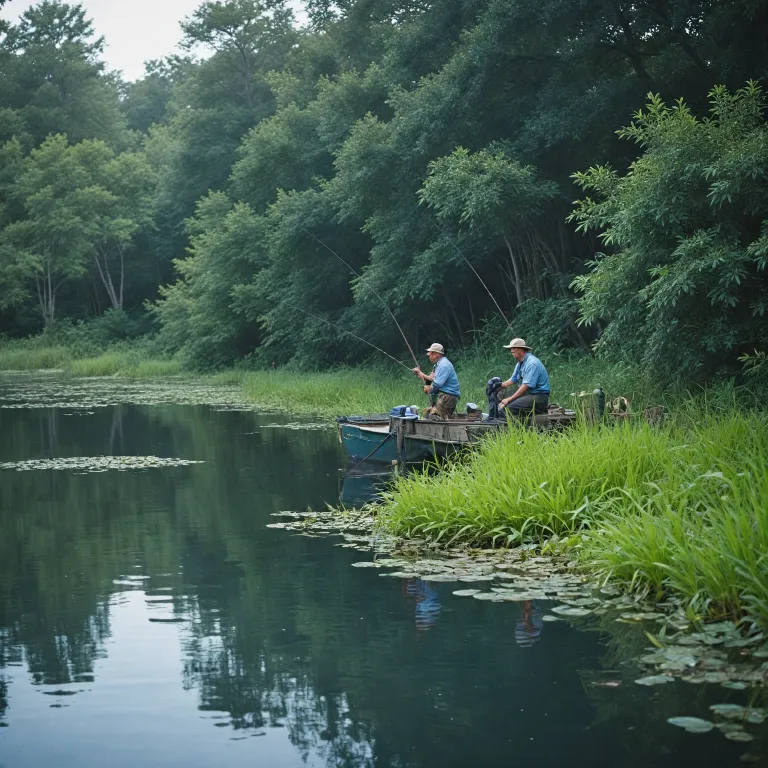
Understanding weed fishing environments
Recognizing Productive Weed Beds
When you’re targeting fish in weedy waters, understanding the environment is the first step. Weed beds, grass patches, and submerged vegetation offer shelter and food for many species. Carp will often patrol these areas, especially where the weeds meet open water. Look for spots where the weed thins out or forms clear channels—these are prime locations where fish will find bait and feel safe enough to feed.
Why Fish Gravitate Toward Weeds
Weeds provide cover from predators and a steady supply of natural food. In crystal clear water, fish use the thick weed as camouflage, making them harder to spot but also more likely to stay in the area. If you want to increase your number fish, focus on these weed edges and pockets. Don’t forget, a small amount of open bottom near dense grass can be a magnet for big fish.
Timing and Water Conditions
The best time to fish weed beds is often early morning or late evening, when fish are most active. However, water clarity plays a big role. In clear water, fish are more cautious, so your approach and rig choice matter. In murkier conditions, fish will move into shallower weed areas to hunt for bait.
Adapting Your Approach
Every weed bed is different. Some are thick and tangled, while others are sparse. Take time to observe the area work before you cast. Use polarized sunglasses to spot fish areas and identify the best places to drop your bait hook. Fishing thick weed requires patience and the right gear, which we’ll cover in the next section. For more on easy fish rigs that work well in these environments, check out this guide on simple and effective easy rigs for recreational fishing.
Choosing the right fishing gear for weedy waters
Essential gear for fishing in thick weeds
When you’re targeting fish in weedy waters, your gear selection can make or break your session. The right rod, reel, and rig will help you fish areas where big fish hide, but also where snags and lost tackle are common. Here’s what to look for when building your setup for fishing thick weed and grass.
- Rods: Choose a rod with enough backbone to pull fish out of dense weed beds. A medium-heavy to heavy action rod gives you the power to control the fish and avoid getting tangled. Length matters too—a longer rod helps you cast over weeds and reach those hard-to-access spots.
- Reels: Go for a reel with a strong, smooth drag system. You’ll need it when a carp will dive into the weeds after taking your bait. A higher gear ratio can help you retrieve line quickly if you need to clear your rig from grass or debris.
- Line: Braided line is a top choice for weed fishing. It cuts through vegetation better than monofilament and gives you more sensitivity to detect bites, even in crystal clear water. Don’t forget to check your line regularly for damage from sharp weed stems.
- Rigs: The right rig will help your bait stay visible and effective in weedy conditions. Consider using a drop shot rig for presenting your bait just above the bottom, where fish will find it more easily. Lead clips are also useful for quick rig changes and for dropping the lead if it gets stuck in thick weed.
Adapting your setup to the spot
Every weed bed is different, so take time to assess the area you want to fish. In spots with a small amount of weed, a standard rig might work. But in heavy grass, you’ll need to adjust your setup. Use hooks in shapes and sizes that match your bait and the number fish you expect to encounter. A bait hook with a wide gap can help you hook fish more easily, even if there’s weed around the bait.
Don’t forget to bring a selection of baits and rigs. Sometimes, fish will be feeding right on the bottom, while other times they’ll be suspended above the weed. Having options lets you adapt quickly and find what works best in each area work. The right gear not only makes it easier to cast and retrieve in weedy water, but also helps you land more fish and spend less time dealing with snags.
Selecting effective lures and baits for weed fishing
Smart lure and bait choices for thick weed
Fishing in heavy weeds or grass is a real challenge, but the right lures and baits will help you find those big fish hiding in the cover. Fish will often use weed beds as shelter, so your bait needs to get through the thick stuff without getting snagged. Here’s what works best when you want to fish areas with lots of vegetation.
- Weedless soft plastics: These baits are designed to slip through grass and weeds. Rigging them Texas-style or with a weedless hook makes it easy for fish to bite without you getting stuck every time you cast. A small amount of weight helps your bait reach the bottom, where carp will often be waiting.
- Spinnerbaits and chatterbaits: Their unique shapes and sizes let them move through weeds with less trouble. The vibration and flash attract fish even in crystal clear or murky water. Don’t forget to use a strong rod and a good lead clip to keep your rig secure.
- Topwater frogs: These are perfect for fishing thick mats of weeds. Fish will explode through the surface to grab them, making for exciting action. Make sure your bait hook is sharp and strong enough to handle a number fish in one spot.
- Natural baits: Sometimes, a simple bait fishing approach works best. Worms or corn can be rigged weedless and dropped into clearings in the weed. Fish weed edges or pockets where you will find carp and other species waiting for an easy meal.
When you’re choosing lures and baits, match them to the area you work. In dense weed, go weedless. In more open spots, you can try a wider range of baits. The time of day and water clarity also matter—a bright lure in crystal clear water might spook fish, so try natural colors when it’s clear and brighter options when it’s murky.
For more tips on organizing your gear and making quick changes on the water, check out this guide on choosing the right fly fishing vest. The right vest will help you keep your baits, hooks, and rigs close at hand, so you spend more time fishing and less time searching for gear.
Techniques for casting and retrieving in heavy weeds
Smart Casting and Retrieval for Thick Weeds
Fishing in weed-heavy waters can be tough, but with the right approach, you will find it rewarding. When you cast, aim for small openings in the weeds or grass. These spots often hold big fish waiting for bait to drift by. Try to cast just beyond the weed edge, letting your bait sink naturally to the bottom. This will help your rig settle in a fishable area without getting tangled.
Adapting Your Retrieve to Weed Conditions
Retrieving your bait through thick weed beds takes patience. Use a slow, steady retrieve to keep your bait just above the weeds. If you feel resistance, give your rod a gentle lift to clear the hook from grass. Don’t forget, a sudden stop might mean a fish has taken your bait, so be ready to set the hook quickly. In crystal clear water, fish will often watch your bait for a while before striking, so keep your movements natural and avoid jerky motions.
Choosing the Right Spot and Time
Fish areas where weeds meet open water or where you see a change in weed shapes and sizes. Carp will often patrol these edges, especially during low light times. Early morning or late evening is a good time to fish weed beds, as fish will move in to feed. If you find a spot with a small amount of open water surrounded by thick weeds, it’s likely a number fish will be nearby.
Rig Adjustments for Easy Fishing
- Use a lead clip system to help your rig drop the lead if it gets stuck in weeds.
- Keep your bait hook sharp and check it often, as weeds can dull the point.
- Try bait fishing with buoyant baits that sit just above the bottom, making them easy for fish to find.
Remember, every area will work differently. Test different baits and retrieval speeds until you find what works best in your chosen spot. With practice, fishing thick weed beds can become a reliable way to catch big fish.
Maintaining and cleaning your gear after weed fishing
Keep Your Gear in Top Shape After Weed Fishing
Fishing in thick weeds and grass can be rewarding, but it’s tough on your gear. After a session in weedy waters, a small amount of effort goes a long way to keep your rod, reel, and rig performing at their best. Here’s what you need to know:- Remove all weed and debris: As soon as you finish fishing, check your rod guides, reel, and line for any weed, grass, or muck. Even a little bit can cause problems the next time you cast or retrieve.
- Clean your reel and line: Rinse your reel and line with fresh water, especially if you’ve been fishing areas with a lot of plant matter. This will help prevent buildup and keep your gear moving smoothly.
- Inspect your hooks and baits: Weeds can dull hooks and damage baits. Run your finger along the hook point to check for sharpness. If it’s not sharp, replace or sharpen it. Don’t forget to check your bait hook and any lead clip for wear or damage.
- Check your rig and knots: Fishing thick weed can put extra strain on your knots and rig. Make sure everything is secure and replace any weak spots before your next trip.
- Dry your gear: Let your rod, reel, and tackle dry completely before storing them. This helps prevent rust and keeps your equipment in good condition for the next time you fish weed-heavy spots.
Safety and environmental considerations in weed fishing
Staying Safe in Weedy Waters
Fishing in thick weeds or grass can be rewarding, but it also comes with unique safety challenges. Always check the area you plan to fish for hazards like slippery banks, deep mud, or sudden drop-offs. If you’re wading, use a sturdy rod for balance and wear proper footwear to avoid sharp objects hidden in the weeds. Don’t forget to keep a small amount of first aid supplies handy in case of minor cuts or scrapes from hooks or vegetation.
Protecting the Environment While You Fish
Weed fishing spots are often delicate ecosystems. When you cast your bait or rig, try to avoid damaging the bottom or uprooting too many plants. Fish areas with care, and use lead clips or weights that are safe for the water. If you use baits or lures in different shapes and sizes, make sure none are left behind. Picking up any trash, old line, or lost hooks will help keep the spot clean for the next time you fish.
Handling Fish Responsibly
When you catch a fish in weedy water, handle it gently and release it quickly if you’re not keeping it. Carp will often hide in thick weed beds, so landing them can be tricky. Use a net with a clear mesh to avoid harming the fish or the weeds. If you’re bait fishing, check your bait hook regularly to ensure it’s not tangled in grass or debris. This will help you catch a good number of fish while protecting the environment.
Respecting Local Rules and Wildlife
Always follow local regulations about fishing in weed-heavy areas. Some spots may have restrictions to protect spawning grounds or sensitive habitats. Take time to learn about the fish species and the best times to fish without disturbing wildlife. Being mindful of these details will help you find easy fish and enjoy your time on the water, whether you’re after big or small catches.