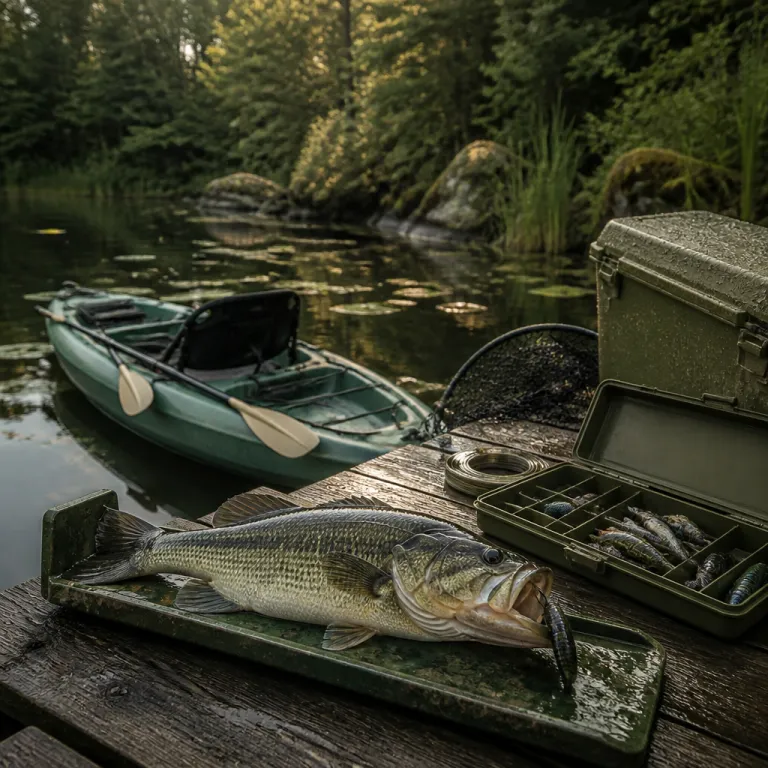
Fishing pressured bass tactics for crowded lakes
How fishing pressure reshapes bass behavior on crowded lakes
On a busy Saturday, fishing pressure changes bass behavior long before you launch. As boat wakes stack against the bank and trolling motors hum over every point, the cumulative pressure from constant bass fishing pushes fish off the obvious spots and forces them to adjust in ways many beginners never see. When you understand how this pressure bass response works, you stop blaming luck and start reading the water like a map of escape routes.
Heavy boat traffic raises noise, throws shadows, and churns shallow water, so bass will slide tighter to any available cover or drop into the lower part of the water column. Under these conditions, fish behavior is less about hunger and more about survival, which means even actively feeding bass become selective and hold where hulls and prop wash cannot easily reach them. That is why pressure fishing on small lakes often feels like casting at ghosts while the real fish sit buried in brush piles or pinned to mid depth breaks.
Weather and barometric changes layer on top of this human pressure and further affect bass decisions. Fisheries biologists with agencies such as the U.S. Fish and Wildlife Service and state natural resource departments have documented how rapid barometric swings and cold fronts can compress the strike zone and reduce chase distance, especially in clear water. For example, controlled work on largemouth bass in experimental ponds by Suski and Svec (Illinois Natural History Survey, 2007) found that feeding rates dropped by more than 30 percent in the 24 hours after a sharp pressure rise. When a high barometric reading settles in after a cold front, high pressure locks many fish close to bottom structure and makes them reluctant to chase fast baits in the upper water column. During low pressure ahead of a storm or a gentle falling pressure phase, bass will often roam more and use mid depth lanes, but on crowded lakes they still track away from traffic corridors and into secondary points, side pockets, and overlooked stretches of bank.
Think about how a bass experiences a busy day on the water. Every passing hull sends a pressure wave, every wake slaps the bank, and every trolling motor adds a new vibration signature that can affect bass comfort even when the water temperature and clarity look perfect to you. Over hours, this constant disturbance pushes fish into patterns that feel random to beginners but are actually predictable once you factor in boat routes, wind direction, and the timing of each weather front.
Boat traffic, barometric pressure, and where pressured bass actually go
Once the first wave of boats runs across a main lake point, many bass will not simply vanish, they relocate along the nearest safe line of travel. On clear reservoirs like Lake Lanier in Georgia or Lac Léman in Europe, that usually means sliding from the top of the point down the side into 15 to 25 feet (about 5 to 8 meters) of water, then holding on isolated rock or brush that still offers cover from both predators and surface disturbance. The same fishing pressure bass behavior adjust pattern shows up on stained ponds, but the shift may be from 3 foot grass edges to 10 foot channel swings or mid lake humps.
Barometric pressure adds a vertical push or pull to this horizontal relocation. Under high barometric readings after a cold front, bass will often hug the bottom or bury in thick cover, using their swim bladder to fine tune position in the water column while avoiding the bright post front light and boat shadows above. Controlled tank studies on centrarchid species, including work by Neumann and Ward (North American Journal of Fisheries Management, 1999), have shown that even modest pressure changes of 0.5 to 1.0 inches of mercury can alter swim bladder volume and preferred depth, which helps explain why fish feel “glued” to the bottom on bluebird days. During a period of falling pressure before a storm, those same fish may rise a meter or two, roam along contour lines, and become more actively feeding, yet they still track away from the noisiest traffic lanes and into quieter side pockets.
Wind direction decides which of these new holding spots actually load with fish. A steady cross wind blowing into a secondary point or bridge piling creates current, stacks plankton and bait, and turns that structure into a pressure relief valve where bass fishing pressure is lower but feeding opportunity is higher. When the wind shifts and pushes waves straight down a popular bank, fish behavior often flips, and bass will slide behind the nearest break in the waves such as docks at odd angles, riprap corners, or pilings between bridge traffic lanes.
Gear choices should follow these moves instead of fighting them. A drop shot rig with a 6 to 9 foot (2 to 3 meter) leader lets you present soft plastic baits precisely in the mid depth water column where pressured fish suspend, while a split shot rig shines when bass will hold just off bottom on subtle breaks. To make this more practical on the water, think in terms of quick adjustments:
- Fish sliding deeper off points: Downsize to a finesse worm on a drop shot and drag it along the first break.
- Bass pinned to bottom after a front: Use a split shot or light Texas rig and crawl it slowly along rock or shell.
- Roaming fish under falling pressure: Swim a small paddletail just above the depth where you marked bait.
Reading overlooked structure when the main spots are burned
On a crowded lake, the best fishing often starts where the obvious spots end. When every boat in the bay has already pounded the main point and the first row of docks, bass behavior adjust patterns push fish into secondary cover that most anglers idle past without a cast. Learning to read these pressure relief areas turns a frustrating day into a quiet pattern that holds up even under brutal conditions.
Start with the boat ramp itself, especially if it has riprap or a retaining wall that drops quickly into 6 to 12 feet (2 to 4 meters) of water. Creel surveys from busy urban lakes, such as data summarized by the Texas Parks and Wildlife Department for Lake Austin and by the Florida Fish and Wildlife Conservation Commission for Orlando city lakes, frequently show above average catch rates near ramps and marinas, not because fish enjoy noise, but because the broken rock and sudden depth change create ambush cover that many anglers overlook. Constant traffic keeps the immediate surface zone noisy, but bass will often sit halfway down the rocks or at the base of the ramp, using the broken cover as a shield from both waves and light while they wait for bait to wash past. A light drop shot or split shot rig with a small soft plastic bait can slide down those rocks and hang in the strike zone without spooking fish that are already on edge from high pressure and engine noise.
Bridge pilings between traffic lanes are another classic pressure bass refuge. Boats tend to run the same arcs through the channel, leaving small dead zones of calmer water and shade where bass will stack vertically along concrete or steel, adjusting their swim bladder to hold at the exact depth where current and food intersect. Under rising pressure after a front, these fish may pin tight to the up current side of the piling, while during low pressure or falling pressure they often roam around the down current eddies and become more actively feeding.
Do not ignore the back of a cove that everyone just idled through on the way to the main point. Once the wakes settle and the water temperature stabilizes again, bait and bass will often drift back into the last third of the pocket, especially if there is a mix of wood cover and a small inflow of cooler water. That is where a quiet approach, a single well placed cast, and a subtle soft plastic presentation can outfish every noisy crankbait that just tore through the same stretch, and where understanding the impact of invasive fish on local waters, such as the patterns described in this analysis of invasive fish in Florida, helps you predict how forage shifts might change which coves hold life.
Timing, weather fronts, and ethical pressure management
When the lake is packed, timing becomes as important as lure choice. Early in the morning before the first wakeboard boat launches, bass will often roam shallower, use more of the water column, and feed more aggressively along primary points and flats that will be unfishable by mid morning. As traffic builds and barometric conditions shift with each approaching front, those same fish slide deeper, tuck into cover, and wait for a quieter window that many weekend anglers never see.
Low pressure ahead of a storm, especially when paired with a gentle south or west wind, can trigger some of the best feeding activity you will ever see under heavy fishing pressure. During this falling pressure window, bass will often push bait against wind blown banks, suspend around mid lake humps, and chase moving baits even in areas that were dead an hour earlier under high barometric readings. Once the storm passes and a cold front brings clear skies and high pressure, expect bass behavior to tighten up, with fish holding closer to bottom structure and reacting better to slow, precise presentations than to fast moving lures.
Ethical anglers use this understanding of fish behavior not just to catch more, but to reduce stress on already pressured populations. Rotating spots, limiting repeated catches from the same small area, and handling fish quickly in warm water temperature conditions all help reduce delayed mortality that can quietly affect bass numbers on popular lakes. Fisheries reports from heavily fished reservoirs, including U.S. Army Corps of Engineers lakes in the Southeast and Midwestern power plant lakes, consistently note that post release survival improves when anglers minimize air exposure and avoid marathon photo sessions. If you are planning trips around seasonal regulations or special seasons, such as the extended Gulf red snapper opportunities explained in this overview of the impact of a longer red snapper season, apply the same mindset to your local bass fishing by spreading your effort and respecting no wake zones that give fish a break from constant disturbance.
Pressure management is also about gear and technique choices. Using slightly heavier line than necessary in snaggy cover can shorten fight times and reduce exhaustion, while barbless hooks or crimped barbs make unhooking faster and safer for both angler and fish. On days when high pressure and intense traffic have bass barely nipping at baits, downsizing hooks and switching to soft plastic finesse rigs can maintain hookup rates without resorting to live bait that may increase deep hooking and stress.
Practical gear setups for pressured bass and conservation minded anglers
When everyone else is burning banks with loud baits, your edge comes from quiet efficiency. A 7 foot (2.1 meter) medium light spinning rod like a Shimano Zodias paired with a 2500 size reel and 10 pound (0.10 millimeter) braid to a 7 to 8 foot (about 2.5 meter) fluorocarbon leader lets you present finesse soft plastic baits with precision in the lower half of the water column. That same setup handles drop shot and split shot rigs, which are ideal for targeting bass that will hold off bottom on subtle breaks after a day of relentless fishing pressure.
For pressured fish pinned to heavy cover, a 7 foot (2.1 meter) medium heavy casting rod with 12 pound (0.30 millimeter) fluorocarbon gives you enough power to move bass quickly without overplaying them. Under high barometric conditions after a cold front, rig a compact creature style soft plastic on a light Texas rig and crawl it through brush piles or dock posts where pressure bass often stack in tight groups. During periods of low pressure or gently rising pressure, swap to a small swimbait or finesse jig and swim it just above the cover line, letting fish behavior dictate whether you pause or maintain a steady retrieve.
Terminal tackle choices matter more than most beginners realize. Short drop shot leaders of 12 to 16 inches (30 to 40 centimeters) keep the bait just off bottom when bass hug the lake floor under high pressure, while longer leaders of 24 to 32 inches (60 to 80 centimeters) shine when falling pressure or a pre storm front pulls fish higher in the water column. Split shot rigs excel when you need a natural, gliding fall that matches inactive or selectively feeding fish, especially in clear water where any unnatural movement can affect bass willingness to commit.
Every adjustment you make should balance effectiveness with ethics. Pinch barbs when you can, keep fish in the water while unhooking, and avoid long photo sessions in warm water temperature periods when oxygen levels are low and stress from both barometric swings and angling pressure is already high. In the end, the best measure of your setup is not the spec sheet, but the tenth cast in the rain.
FAQ
How does heavy boat traffic affect bass location during the day ?
Heavy boat traffic pushes bass away from shallow, exposed banks and into deeper or tighter cover. As wakes and engine noise increase, many fish slide down the nearest break line, hold behind docks, or stack on mid depth structure that offers both shade and reduced turbulence. This relocation often happens within minutes, so adjusting your casts to secondary points and deeper edges is critical.
What is the best time to fish a crowded lake for pressured bass ?
The most consistent windows on crowded lakes are early morning before traffic builds and late afternoon after most boats leave. During these quieter periods, bass often move shallower, use more of the water column, and feed more actively on primary structure. Midday can still produce, but you usually need to target deeper, shaded cover with slower, more precise presentations.
How do barometric pressure changes affect bass feeding behavior ?
Low barometric pressure ahead of a storm often increases bass activity and encourages roaming, especially along wind blown banks and mid depth structure. High pressure after a cold front usually makes fish less aggressive, pushing them tighter to bottom or heavy cover and favoring finesse techniques. Falling or gently rising pressure between these extremes can create short feeding flurries that reward anglers who stay mobile.
Which lures work best when bass are heavily pressured ?
On pressured lakes, smaller, natural looking lures usually outperform loud, bulky options. Finesse soft plastics on drop shot or split shot rigs, compact jigs, and subtle swimbaits often trigger bites from fish that have seen too many bright crankbaits and spinnerbaits. Matching local forage size and color while slowing your retrieve is often more important than buying a new lure style.
How can I reduce my impact on bass while still fishing often ?
You can reduce impact by rotating spots, limiting repeated catches from small areas, and handling fish quickly with wet hands and barbless hooks. Avoid long air exposure, especially in warm water, and release fish gently over the area where they were caught. Respect no wake zones and spawning areas, which act as essential refuges on heavily pressured lakes.
