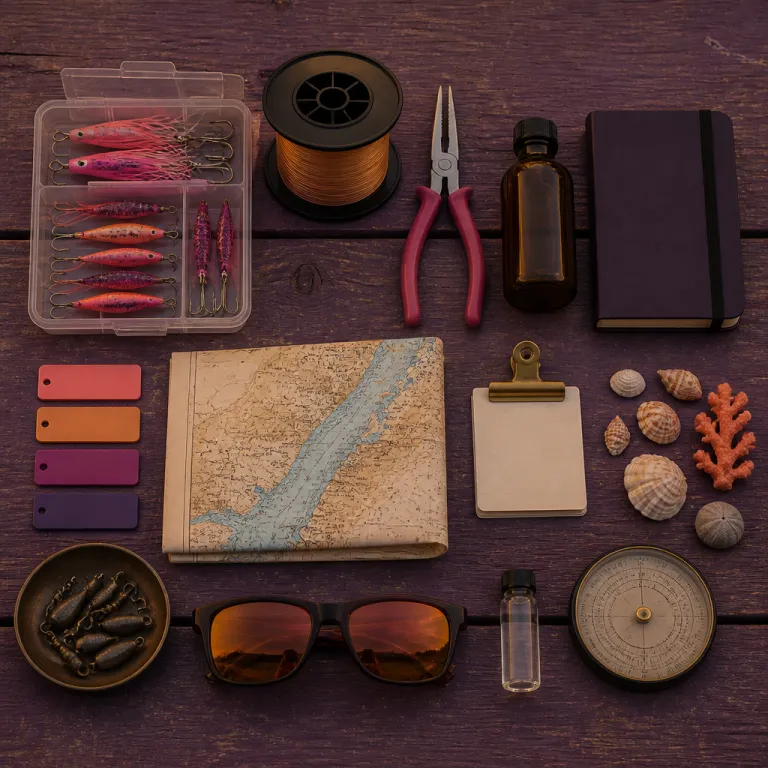
Northeast tides in July: striped bass, fluke, and bluefish windows
July is when the july saltwater fishing best species pattern in the Northeast shifts from migration to feeding on local bait. Striped bass slide off the beaches of Massachusetts, Rhode Island, Connecticut, New York, and New Jersey, and the best fishing for bigger fish often happens at night on the rips and around structure in 8 to 20 metres of water. If you plan your saltwater fishing around the moon phases, the best times for these fish are the darker nights when boat traffic drops and the tide really moves.
For many anglers, fluke and bluefish become the practical july saltwater fishing best species targets once the sun is high and the beaches fill. Fluke (summer flounder) stack along inshore channels and nearshore reefs, and this is where top fishing happens for mixed fish species when you drift bucktails tipped with strip baits on 15 to 20 lb braid. Bluefish roam the same saltwater edges, and when they push bait to the surface you get short, violent blitzes that reward quick casting and punish light leaders.
On the Northeast flats, early morning is the best time for sight driven fishing saltwater sessions. In skinny water around Cape Cod and Long Island, you can treat striped bass almost like tropical game fish, poling for them in 0,5 to 1 metre depths and making long fly fishing shots with 8 weight rods and intermediate lines. This style of flats fishing is unforgiving, but when a bass tracks a small fly and eats at the rod tip, it feels like the best fishing in the united states.
Weekend anglers who usually chase trout or bass can bring some freshwater habits, but not all the gear survives the saltwater. A 2500 size spinning reel that feels great on a river will often fail in july saltwater fishing best species conditions, because the drag overheats on long runs and the bearings corrode after a few trips. If you must cross over, rinse your reel after every fishing season outing, upgrade to 10 to 15 kg of smooth drag, and run 20 to 30 lb fluorocarbon leaders to handle toothy fish.
Shore based fishing opportunities are better than many visiting anglers think, especially for those without fishing charters booked. In New Jersey and Long Island, night time jetty fishing saltwater sessions with 20 to 30 g metal lures or soft plastics can out fish nearby boats, especially when the swell is low and the wind is light. Piers and rock walls also give access to deeper water where mixed fish species like bluefish, schoolie bass, and the occasional drum cruise past within casting range.
Booking guides in the Northeast for july saltwater fishing best species targets means thinking weeks ahead, not days. The best time to lock in a striped bass or fluke trip is late spring fall, when captains still have gaps and you can choose tides that match your schedule. By early July, prime dawn and dusk slots are usually gone, leaving only mid day times that can still be good but rarely match the top fishing windows.
Mid Atlantic runs: cobia, red drum, and offshore tuna
From Delaware to North Carolina, the july saltwater fishing best species calendar centres on cobia, red drum, and offshore tuna. Cobia migrate up and down this coast following water temperatures, and by mid summer they hold around buoys, wrecks, and bait rich rips within a short offshore run. When the water is clear and the sun is high, sight casting to these fish from a tower boat becomes one of the best fishing opportunities of the whole fishing season.
Redfish and black drum share many of the same inshore haunts, but they behave differently enough that you should rig for both species. In the sounds and estuaries of Virginia and North Carolina, big red drum prowl channels and bars at night, while black drum root along deeper edges during the day, so smart anglers bring both cut bait and crustaceans. If you want july saltwater fishing best species action without running far, focus on these inshore fish species and leave the long offshore runs for calmer days.
Offshore fishing in the Mid Atlantic during summer is about timing your weather windows as much as the bite. Yellowfin tuna and other pelagic game fish hold along temperature breaks and structure 50 to 120 kilometres out, and the best times are often the first stable high pressure after a front. When you finally get that good time and the sea lays down, a spread of small lures and ballyhoo behind 30 to 50 lb tackle covers most realistic july saltwater fishing best species options for weekend crews.
Shore and pier anglers are not locked out of this region’s saltwater fishing. Ocean piers in North Carolina and Virginia Beach produce spanish mackerel, bluefish, and the occasional cobia for those who are patient and fish live baits or jigs near the surface. If you usually fish freshwater banks, reading pier current lines and learning how to position baits up current of pilings is as important as any fancy tackle, and guides who work piers often share that knowledge for a small fee.
For those who like to walk and cast, the surf offers steady summer fishing when you match the swell and wind. Light to medium spinning outfits with 15 to 20 lb braid and 30 lb leaders handle most surf fish, from small drum to crevalle jack that occasionally push bait into the wash. Anglers who have practiced shoreline presentations for other species, such as those described in this guide to mastering shoreline tactics, adapt quickly to reading sandbars, cuts, and rips along the Atlantic beaches.
Booking fishing charters in the Mid Atlantic for july saltwater fishing best species targets requires even more lead time than many visitors expect. Cobia and tuna dates with respected guides often fill a month ahead, especially around new and full moons that line up with weekends. If you are flexible, look for shoulder dates mid week, when captains may still have gaps and you can negotiate start times that match the best time for tides and your own travel schedule.
Gulf Coast and Florida: redfish, snook, snapper, and tarpon
The gulf of Mexico and the coasts of florida hold the densest july saltwater fishing best species mix for weekend anglers. From the Panhandle to Texas, inshore redfish and speckled trout feed along grass edges, oyster bars, and marsh drains, while offshore snapper seasons create short, intense windows of top fishing. On the Atlantic side of florida, tarpon fishing peaks along beaches and inlets, turning quiet towns into busy hubs for travelling anglers chasing one of the most iconic game fish in the united states.
Inshore, redfish and black drum are the backbone of summer fishing saltwater plans for many local anglers. On the flats of Mosquito Lagoon, Tampa Bay, and the Texas coastal bend, you can pole in less than a metre of water and sight cast soft plastics or flies to tailing fish species that push wakes across the grass. When the sun gets high and the wind picks up, sliding to slightly deeper channels and working live baits along drop offs keeps the july saltwater fishing best species bite going through the heat.
Offshore fishing in the gulf of Mexico during summer is shaped by short, regulated seasons for red snapper and other reef species. When those dates open, the best fishing charters are booked solid, and the best times to secure a spot are often late spring fall, before most tourists think about summer holidays. If you miss those prime dates, look for mixed bag offshore fishing trips that target amberjack, king mackerel, and other game fish, which still provide strong fishing opportunities without the snapper crowds.
Tarpon fishing deserves its own line on any july saltwater fishing best species calendar for florida. Along the Atlantic beaches from Miami to Jacksonville, and on the gulf side from Boca Grande to Apalachicola, migrating tarpon roll and daisy chain within fly casting range at first light. Fly fishing purists throw 10 to 12 weight rods with floating or intermediate lines, but spinning anglers with 30 to 40 lb braid and 60 to 80 lb leaders hook just as many fish when they present live crabs or soft swimbaits naturally.
For shore based anglers, florida and the broader gulf coast offer great fishing opportunities without a boat, especially at dawn and dusk. Piers, passes, and jetties around places highlighted in this Fort Lauderdale fishing report give access to snook, tarpon, and crevalle jack that push bait against structure. If you time your sessions around moving water and avoid the brightest part of the day, you can turn short sessions into some of your best time on the coast.
Because the gulf of Mexico and florida coasts fish well almost year round, many visiting anglers underestimate how early they must book. July weekends for inshore redfish and offshore snapper are often locked up 3 to 4 weeks ahead, especially with reputable guides who run safe boats and respect bag limits. To keep your options open, aim for mid week dates, consider late afternoon trips that line up with evening tides, and remember that a slightly less popular port can still offer july saltwater fishing best species action without the crowds.
Booking smart, fishing smarter: charters, DIY options, and gear that survives salt
Planning around the july saltwater fishing best species calendar means treating your trip like a limited resource, not a last minute gamble. For most coastal regions in the united states, the best time to book summer fishing charters is 3 to 6 weeks before your target dates, especially if you want dawn or dusk departures. Early July is peak holiday season, so the best fishing times are usually taken first by repeat clients who know how quickly good guides fill their books.
If your preferred captain is full, do not assume your july saltwater fishing best species plans are finished. Many ports have smaller or newer guides who still offer good fishing opportunities, especially on shoulder dates or in less famous inshore zones. You can also pivot to DIY shore or pier fishing, using local tackle shops for up to date intel on which fish species are active and what baits or lures are working.
For DIY anglers, timing is the currency that matters most in summer saltwater fishing. Early morning and late evening usually offer the best times for active fish, lighter winds, and manageable heat, which is why sunset and twilight sessions often out fish the middle of the day. If you want to understand how low light changes fish behaviour and feeding lanes, this piece on unique sunset fishing opportunities gives a useful framework you can apply directly to beaches and piers.
Gear wise, many freshwater setups can handle light july saltwater fishing best species duty, but only if you respect their limits. Reels need sealed or at least well shielded drag systems, smooth performance at 20 to 30 percent of line breaking strength, and regular rinsing after every fishing saltwater session. Lines should be abrasion resistant braid or monofilament in the 10 to 20 kg range, with fluorocarbon leaders sized to the likely game fish, whether that is schoolie redfish or larger cobia and crevalle jack.
Flats fishing and fly fishing demand slightly different tools, but the principles stay the same across regions. For inshore redfish, black drum, and similar species, 7 to 9 weight fly rods with saltwater safe reels and floating lines cover most situations, while 8 to 10 weight outfits are better for tarpon fishing and bigger game fish. On spinning gear, medium to medium heavy rods around 2,1 to 2,4 metres long with fast actions give you the casting distance and hook setting power you need on open beaches and piers.
Finally, think about your july saltwater fishing best species plans across the whole year round calendar, not just one trip. Spring fall often bring more forgiving weather, lighter crowds, and aggressive fish that have not seen as many lures, which can make them the best fishing seasons for learning new techniques. The anglers who consistently find the best fishing are the ones who treat every outing as practice for the next, because what counts is not the spec sheet, but the tenth cast in the rain.
FAQ
What are the best july saltwater fishing best species targets for beginners on the beach ?
For beginners fishing from beaches in July, the most realistic july saltwater fishing best species targets are smaller surf fish such as whiting, schoolie striped bass, and pan sized redfish. These species feed close to shore in the wash, so you can reach them with simple spinning outfits and basic rigs. Focus on dawn and dusk, use fresh bait, and keep your tackle light enough to feel bites in the surf.
How far in advance should I book a july saltwater fishing best species charter ?
For popular coastal areas in the united states, you should book july saltwater fishing best species charters 3 to 6 weeks ahead. Early July weekends often fill first, especially for inshore redfish, offshore snapper, and tarpon fishing in florida and the gulf of Mexico. If you are flexible on dates and times, mid week trips and late afternoon departures are easier to secure.
Can I use my freshwater gear for july saltwater fishing best species trips ?
Many medium freshwater rods and reels can handle light july saltwater fishing best species duty, but they require extra care. You need to rinse reels with fresh water after every saltwater fishing session, check drag systems for smooth performance, and replace any corroded hardware quickly. For larger game fish such as cobia or big drum, purpose built saltwater gear is strongly recommended.
What is the best time of day to target july saltwater fishing best species from shore ?
The best time of day for shore based july saltwater fishing best species is usually around dawn and dusk. Low light encourages fish to move shallower, bait to rise in the water column, and predators to feed more confidently near beaches and piers. Midday can still produce fish, but you often need deeper structure, longer casts, and more patience.
Which regions offer the most consistent july saltwater fishing best species action ?
The gulf of Mexico and florida coasts generally offer the most consistent july saltwater fishing best species action, thanks to warm water and diverse habitats. The Northeast and Mid Atlantic also fish well, but their bites can be more weather dependent and tied to specific migrations. Planning around local reports, tides, and realistic travel times helps you match your trip to the strongest regional patterns.