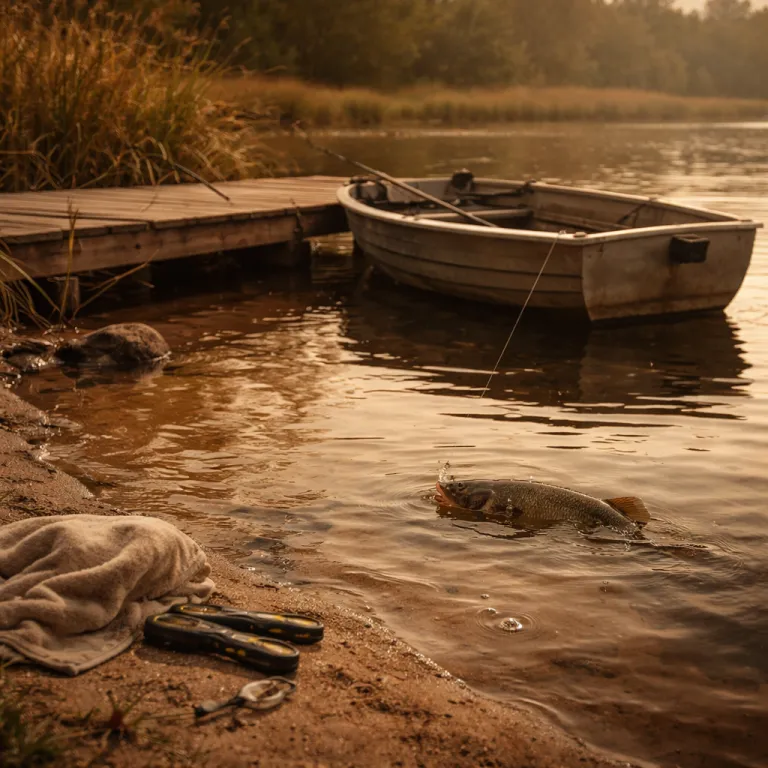

Why water temperature decides whether your catch survives
Most anglers think any fish swims away fine after a quick release. When the water climbs above about 21 °C (roughly 70 °F), the same fish faces far more stress from low oxygen and the fight itself, so smart catch and release fishing tips start with checking temperature before you even cast. Fisheries research from agencies such as NOAA and state wildlife departments shows that post release mortality for coldwater species like trout rises sharply once water temperatures move into the high teens and low 20s °C, especially after long fights or air exposure.
Use a simple stream thermometer and log the water at your usual spots. When the fish water temperature creeps toward 21 °C, you should shorten fights, avoid deep water jigging, and keep fish in the water during photos to reduce stress and make survival easier. Once the water passes that mark, guidance from groups like Trout Unlimited and several provincial fisheries ministries suggests that the most ethical release fishing decision is often to stop targeting fragile species like trout and instead keep fish only from robust, legal populations if you plan to eat them.
Warm water holds less oxygen, so every second a fish is out of the water matters more. A bass or trout that you land quickly with a barbless hook and a rubber landing net will usually recover, but the same fish caught in hot water and held for a long photo may not survive even if it swims off strongly. Studies on catch and release survival in warm water 21 °C and above show that combining long fights with extended air exposure can double or triple delayed mortality, so treat hot days as a signal to avoid repeated catch release on the same fish and avoid any unnecessary handling that adds hidden stress.
Think about how you hook fish when temperatures spike. Vertical jigging in deep water can leave a fish caught deep with inflated swim bladders, so even careful releasing fish may not dive, and those fish wet and gasping are easy targets for predators. In those conditions, the best catch and release fishing tips say to change techniques, move to cooler inflows, or simply keep fish only when you can use them for the table and regulations allow it.
Handling time, wet hands, and the 30 second rule
Once a fish is hooked, the clock starts ticking on survival. Aim to land fish within 30 seconds to one minute on balanced tackle, because every extra minute of fighting and every extra second out of the water adds stress that you cannot see. Biologists working on salmonid catch and release often recommend a “30 second rule” for air exposure, and controlled studies on trout and steelhead show that keeping fish out of the water for more than about half a minute can significantly increase delayed mortality, especially in warm water.
Lay out your landing net, pliers, and camera before you start fishing. When a fish caught finally comes to the net, you can keep fish in the water while you remove hook pressure, which makes hook removal faster and easier for both you and the fish. If you plan to eat one legal fish, bleed it quickly and humanely, and then go back to strict release fishing for the rest of the session.
Always handle fish with wet hands, not dry palms or towels. Dry skin removes the protective slime layer and leaves the fish wet but vulnerable to infection, so a quick dip of your hands in the fish water before you hold it is one of the simplest catch and release fishing tips you can apply. If you must lift a fish, support its weight horizontally with one wet hand under the belly and the other gently around the tail.
Keep the fish low over the water so a slip does not mean a hard landing on rocks. Avoid squeezing the gills or eyes when you handle fish, and avoid passing them around for multiple photos, because each transfer risks dropping them and increases stress. If you want to learn more about preparing harvested fish properly, a guide on cleaning a walleye step by step shows how careful handling continues after the catch when you decide not to release fish.
Hooks, hook removal, and when to cut the line
The hook you choose decides how fast you can release fish and how much damage you cause. Single barbless hooks make hook removal dramatically easier, and they usually keep fish pinned just as well as barbed trebles if you maintain steady pressure. On my own spinning outfits for river trout, I run size 8 barbless hooks on small inline spinners, and I lose fewer fish than friends who insist on oversized barbed hardware.
Use long nose pliers or hemostats for removing hook points, not your fingers. With a fish held gently in the water or cradled in a landing net, rotate the hook fish backward along the entry path and the hook will usually slide out cleanly, which shortens handling time and reduces stress. When you remove hook points quickly, you avoid the frantic twisting that can tear tissue and you avoid dropping a slippery fish onto the bank.
Sometimes the best catch and release fishing tips say to leave the hook in place. If a fish is caught deep in the throat or gills and you cannot see the bend, cutting the line close and releasing fish immediately gives them a better chance than digging around and removing hook metal by force. Studies on release fishing from agencies such as the U.S. Fish and Wildlife Service report that many hooks corrode or work free over time, while aggressive removing hook attempts often cause fatal bleeding.
Match your hooks to your target species and local fishing regulations. Circle hooks for bait fishing tend to hook fish in the corner of the mouth, which makes hook removal faster and easier and keeps fish wet in the water while you work, and many striped bass regulations now recommend or require them for that reason. Carry a small hook removal tool on a lanyard, because fumbling for gear while a fish gasps in shallow water is the opposite of ethical catch release practice.
Reviving, species differences, and when not to fish
Letting a fish simply flop away is not a real release. After a hard fight, especially in warm water, you should hold the fish facing into gentle current so oxygen rich water flows over the gills and you can feel when the muscles regain strength. This revival step can improve post release survival by a large margin, and it turns rushed releasing fish into a deliberate conservation act.
For river trout, keep fish in the water with one hand under the belly and the other lightly on the tail. Do not push the fish back and forth, because that can damage gills; instead, let the current do the work while you keep fish stable until it kicks away strongly, which may take longer when the fish was caught deep or fought hard. Bass in lakes often need only a brief hold near the surface, but in hot water they benefit from the same patient support before you release fish.
Panfish such as bluegill and perch usually tolerate handling better, yet they still suffer when you keep fish out of the water for long photos. With these species, quick hook removal and an immediate release fishing routine are usually enough, and you can safely keep fish for the table when regulations allow without feeling guilty about conservation. Large predators like pike or muskie demand extra care, because their long bodies are prone to injury if you hold them vertically by the jaw.
Sometimes the most ethical catch and release fishing tips tell you to stay home. When water temperatures stay high at dawn and you know fish will be under maximum stress, choosing not to fish protects the resource more than any fancy landing net or barbless hooks ever could. Conservation is not the spec sheet, but the tenth cast in the rain.
Gear choices that make ethical catch and release easier
Thoughtful gear turns good intentions into real survival gains for every fish. A rubber or silicone coated landing net protects scales and slime far better than knotted nylon, and it lets you keep fish wet in the water while you unhook them instead of dragging them onto hot rocks. I have retired every old string net I owned, because the difference in how quickly fish calm down in a modern net is obvious.
Choose rods and lines that let you land fish quickly without constant break offs. For example, a medium light 2,1 m spinning rod with 6 to 8 lb braid and a 2 m fluorocarbon leader gives you enough power to land fish efficiently while still enjoying the fight, and that balance reduces stress on both you and the fish. Ultralight rods with tiny hooks and thread thin line have their place, but they are a poor match for big trout in warm water when your goal is ethical release fishing.
Carry a compact thermometer, quality pliers, and a dedicated hook removal tool in a small chest pack. When everything is within reach, you avoid wasting time while a fish is caught in shallow water and struggling, and you can remove hook points in seconds instead of minutes, which makes every catch release event easier on the fish. A simple pair of polarized glasses also helps you see how releasing fish behave after they leave your hands.
Pay attention to local fishing regulations, because they often encode hard learned lessons about seasons, size limits, and gear that keep fish populations healthy. Some waters restrict bait or require barbless hooks to reduce deep hooking, and respecting those rules is as important as any personal code when you handle fish. For more field tested gear advice that still respects conservation, a guide on choosing practical fishing gear shows how smart tackle choices support both your success and the health of the fish water you love.
FAQ about practical catch and release fishing tips
How long can a fish safely stay out of the water ?
A good rule is to keep fish out of the water for less than 30 seconds whenever possible. In warm water, even that can be too long, so you should keep fish wet in a landing net while you prepare for a quick photo and hook removal. Fisheries agency guidelines for trout and salmon often echo this 30 second rule, because air exposure beyond that point has been linked to higher catch and release mortality in several peer reviewed studies.
Are barbless hooks really better for catch and release ?
Barbless hooks make it much easier to remove hook points quickly, which shortens handling time and reduces tissue damage. When you keep steady pressure during the fight, barbless hooks hold fish just as well as barbed versions for most recreational fishing. They also reduce the risk of injury when a hook is removed from your own skin.
What should I do if a fish is hooked deep in the throat ?
If a fish is caught deep and you cannot see the bend of the hook, cutting the line close is usually better than trying to pull the hook out. Deep removing hook attempts often tear gills or vital organs, which can be fatal even if the fish swims away. Leaving the hook in place and releasing fish quickly gives them a better chance of survival.
How does water temperature affect catch and release survival ?
Warm water holds less oxygen, so fish tire faster and recover more slowly after a fight. Above about 21 °C, stress levels rise sharply, and even short fights can be dangerous for sensitive species like trout. On hot days, the most ethical catch release choice is often to fish early, switch species, or stop fishing entirely.
Do different species need different handling techniques ?
Yes, species vary in how they respond to stress and handling. Trout and salmon are more sensitive to warm water and rough handling, so you should keep fish in the water and support their bodies carefully, while bass and many panfish tolerate slightly more handling but still benefit from quick hook removal and minimal air exposure. Large predators like pike or muskie need strong horizontal support to avoid jaw and spine injuries when you land fish and release fish.