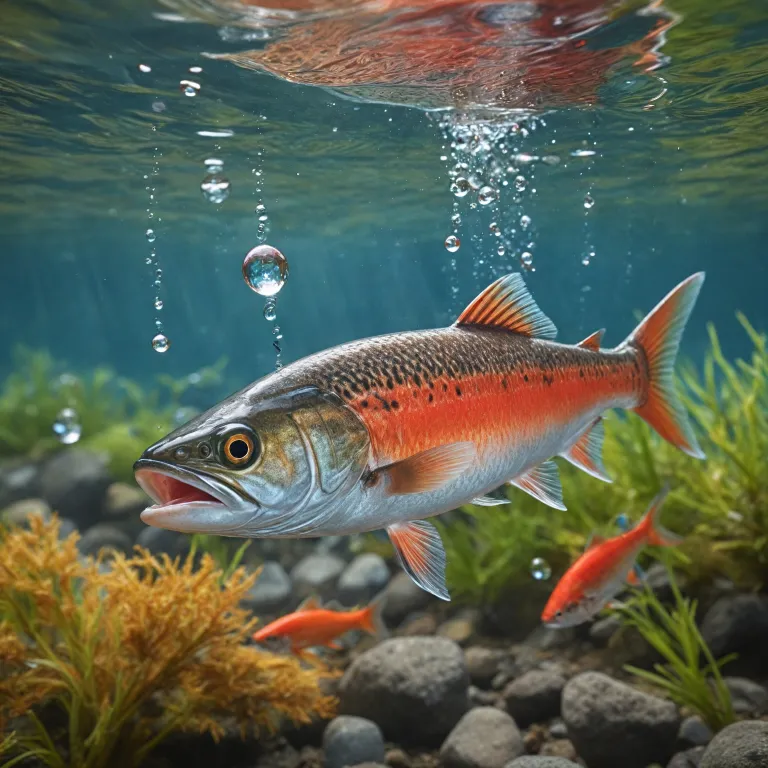
Understanding kokanee behavior before choosing fishing lures
Kokanee are selective fish, so kokanee fishing lures must respect their habits. When you plan any kokanee fishing session, think first about light levels, water clarity, and the kokanee salmon depth because these factors dictate lure color and action. Matching kokanee behavior with each lure and dodger combination helps you turn short strikes into solid hook ups.
Many anglers treat every kokanee as if it were a generic salmon, yet kokanee trout and kokanee salmon often respond better to smaller profiles and subtle vibration than to oversized gear. A compact lure with a thin blade or sling blade style dodger can outfish a bulky product because pressured kokanee inspect every detail before committing. When you refine your fishing tackle to match their mood, you gain confidence and spend more time adjusting depth and speed instead of constantly changing gear.
The best kokanee fishing lures share several traits, including a small silhouette, a lively ring connection, and a balanced hook layout that keeps the lure tracking straight. Many proven designs use a wedding ring or ring classic body ahead of a double hook rig, which presents corn or soft bait right in the fish’s face. By pairing these compact lures with a responsive dodger or lite troll, you create a full system that moves naturally and tempts even neutral kokanee into striking.
Key components that define effective kokanee fishing lures
Every serious kokanee fishing setup starts with understanding how each component influences action, from the dodger to the final lure. The blade shape, ring style, and leader length all change how kokanee fishing lures swing, roll, and flash, which in turn affects how kokanee salmon track and attack them. When you evaluate any product, look beyond the packaging and study how the tackle will behave at your preferred trolling speed.
A classic original sling blade or similar troll blade creates a wide, rolling kick that sends pulses down the leader to the lure. Behind it, a small kokanee killer or koke nut style lure with a smile blade or flash lite blade adds a tight vibration that often triggers following fish. Combining a double dodger or lite troll with a compact lure can be deadly when kokanee hold deep and need extra flash to locate your presentation.
Hardware details matter as much as color, so inspect every ring, hook, and swivel before trusting a new product. Many anglers upgrade to a welded ring and a double hook rig to reduce failures when a strong kokanee trout surges near the net. For casting presentations with light rods, pairing these refined lures with a balanced setup similar to those discussed in this guide to top casting rods for precise lure control helps maintain consistent action and hook penetration.
Comparing popular kokanee lure families and their on water roles
Several families of kokanee fishing lures dominate tackle boxes because they cover different moods and depths. The wedding ring and ring classic style lures excel when kokanee salmon are cautious, since their slim bodies and rotating blade create a gentle shimmer that appeals to pressured fish. In contrast, a kokanee killer or whammy kokanee pattern adds a more aggressive wobble that can wake up schools during low light periods.
Many anglers rely on a sling blade or similar troll blade ahead of these lures, adjusting leader length to fine tune action for each fishery. A longer leader behind a flash lite or smile blade dodger softens the lure’s movement, which can be ideal when kokanee trout follow closely but refuse to strike. Shortening the leader behind a double dodger or lite troll increases the lure’s snap and can turn tentative taps into committed hits.
Brands that focus on kokanee pro level tackle often refine small details, such as blade thickness, ring size, and hook spacing, to keep lures running true at slow speeds. When you pair these lures with a smooth drag and a quality reel similar to those highlighted in this overview of top spinning reels for finesse presentations, you protect light leaders and land more fish. Over time, you will learn which original patterns excel in your home waters and which specialized products stay reserved for tough conditions.
Balancing price, originality, and performance in kokanee tackle
Evaluating the price of kokanee fishing lures requires more than comparing numbers on a pegboard. A slightly higher price often reflects better hooks, stronger ring connections, and more consistent blade finishes, all of which matter when you target kokanee salmon in deep, clear lakes. Cheap tackle that fails after a few fish can cost more in lost time and missed opportunities than a premium product that lasts many seasons.
Original designs such as the classic original sling blade, specialized kokanee killer patterns, or cha kokanee and cha kokanee salmon variants often emerge from guides who refine gear on the water. These anglers test different double dodger chains, lite troll combinations, and koke nut or whammy kokanee bodies until they find a balance that consistently fools kokanee trout. When a product earns a kokanee pro reputation, it usually means the details have been tuned for real fishing rather than only for shelf appeal.
Still, value matters, so build a core spread with a few proven wedding ring and ring classic lures, then add specialized blades like smile blade and flash lite versions over time. This approach lets you compare original patterns directly and decide which justify their price in your specific fisheries. For anglers who also chase other salmon species, cross referencing kokanee gear with resources such as this guide to top lures for catching coho salmon can highlight products that perform across multiple targets.
Rigging tips to get the most from kokanee fishing lures
Rigging kokanee fishing lures correctly often matters more than the exact color you choose. Start by pairing each lure with an appropriate dodger, such as a sling blade, double dodger, or lite troll, then adjust leader length based on how aggressively kokanee salmon are feeding. A shorter leader usually makes the lure dart more, while a longer leader allows a smoother, rolling action that can tempt neutral fish.
Many anglers favor a double hook rig behind wedding ring, ring classic, kokanee killer, or koke nut bodies, because kokanee often nip short at the bait. Position the rear hook so it sits just behind the bait cluster, and use a quality ring to connect the leader to the lure body for consistent tracking. When fishing around structure or other boats, a flash lite or smile blade dodger can provide enough attraction without overpowering the small lure.
Fine tuning speed is another critical element, since most kokanee fishing relies on slow trolling between roughly 1,0 and 1,6 km/h. Watch how each product behaves beside the boat, ensuring the blade spins freely and the lure does not roll excessively at your chosen speed. Over time, you will develop personal tips for pairing specific dodger and lure combinations with seasonal kokanee trout and kokanee salmon movements, which is the hallmark of a true kokanee pro approach.
Building a versatile kokanee box for changing conditions
A well planned kokanee fishing box balances proven staples with experimental patterns for tough days. Start with several sizes and colors of sling blade and similar troll blade dodgers, then add a mix of double dodger and lite troll options for varying flash levels when kokanee salmon move deeper. Pair these with compact kokanee fishing lures built around wedding ring, ring classic, kokanee killer, koke nut, and whammy kokanee bodies to cover different actions.
Color selection should reflect your local water, with natural tones for clear lakes and brighter hues for stained conditions where fish rely more on flash than on subtle details. Include both smile blade and flash lite versions of your favorite product lines, since each blade style produces a distinct vibration that kokanee trout may prefer on different days. Keeping duplicates of your most productive original patterns prevents a lost lure or damaged ring from ending a successful pattern mid bite.
Finally, organize your fishing tackle so you can change quickly when light, wind, or depth shifts. Group dodgers, blades, and lures by action rather than only by color, which helps you think in terms of presentation rather than fashion. With time on the water, your box will evolve into a focused kokanee pro kit where every piece of tackle has earned its place by consistently putting more kokanee in the net.
Common questions about kokanee fishing lures
No faq_people_also_ask data was provided in the dataset, so specific external FAQs cannot be reproduced. Below are general answers based on established kokanee fishing practice.
How small should kokanee fishing lures be for consistent results ?
Most anglers favor lures between 2 and 5 cm, which match the small forage kokanee typically chase. Compact profiles paired with an appropriate dodger create a tight, enticing action that larger lures often fail to deliver. Adjust size slightly based on water clarity and the average kokanee trout or kokanee salmon length in your lake.
What trolling speed works best with dodgers and kokanee lures ?
Kokanee respond well to slow trolling, usually between about 1,0 and 1,6 km/h. At these speeds, sling blade, double dodger, and lite troll setups impart a steady pulse without causing lures to spin out. Always test each product beside the boat to confirm the blade and lure move cleanly at your chosen speed.
Are premium kokanee lures worth the higher price for casual anglers ?
Premium kokanee fishing lures often use sharper hooks, stronger rings, and more consistent blades, which improve landing rates even for occasional fishermen. While the initial price is higher, these products usually last longer and maintain their action after many fish. Building a small selection of proven premium patterns can be more effective than filling a box with cheaper, less reliable tackle.
How many colors of kokanee lures should I carry on the boat ?
A practical approach is to carry 6 to 10 core colors that cover clear, slightly stained, and heavily stained water. Within those colors, include both smile blade and flash lite or similar blade styles to vary vibration as well as appearance. This balance keeps your tackle organized while still giving you enough options to adapt to changing light and depth.
Can the same kokanee lures be used for other salmon species ?
Many kokanee fishing lures also tempt smaller salmon and trout, especially when those fish feed on small baitfish. However, larger salmon often prefer bigger profiles and heavier tackle, so consider scaling up blades and hooks when targeting them specifically. Using kokanee gear as part of a broader salmon strategy can still be effective, particularly in clear lakes where fish are wary.