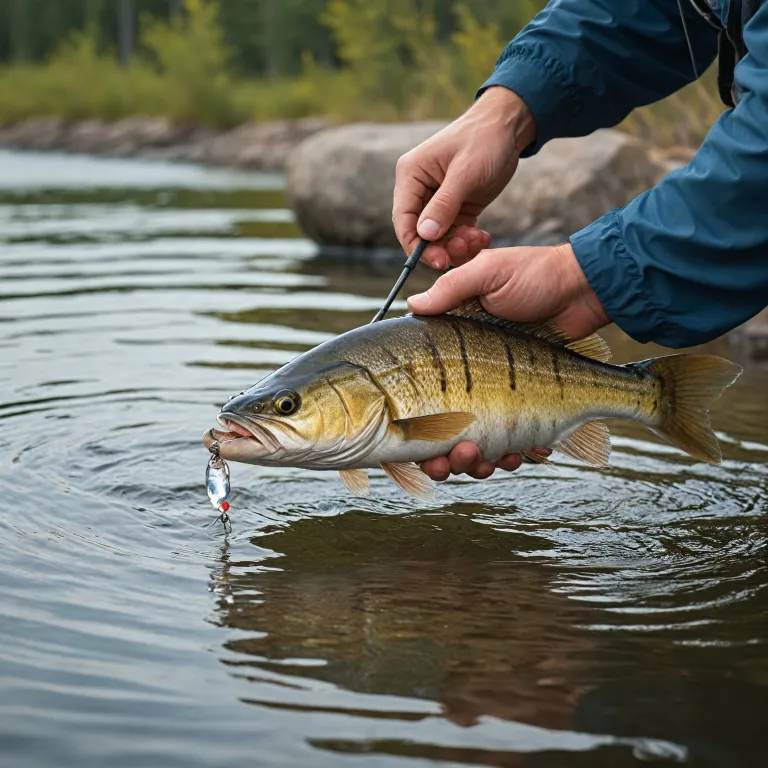
Why bottom bouncing for walleye rewards precise control
Bottom bounce for walleye appeals to anglers who value precision. When you run a bottom bouncer correctly, the bait tracks just above the bottom where walleye fishing pressure is often highest, yet your rig stays surprisingly snag free. This balance between contact and control lets you fish bottom efficiently while still feeling every change in structure.
Many anglers fishing large reservoirs or rivers struggle to keep bait bottom oriented without constantly hanging up. A properly tuned bouncing setup solves that by using a weight bouncer on an L shaped wire, which rides over rocks while the harness or plain hook trails cleanly behind. The result is a bottom bouncing presentation that covers long breaklines and flats while your boat will move steadily along a precise contour.
For recreational fishermen, the deep subject hiding here is product design that truly matches technique. There is still no specific category tailored specifically for recreational fishermen who want a dedicated bouncer rods lineup with moderate action blanks, tuned tips, and labeled weight bouncer ranges. Instead, many anglers mix generic fishing rods, random bouncers, and mismatched blades, then blame the fish when their bouncing walleye program underperforms.
Yet bottom bouncers are unforgiving of poor choices in rod, reel, and rig setup. If you cannot feel the bottom or feel the blade pulsing, you are simply towing hardware instead of presenting bait bottom tight to the strike zone. Understanding how each product in the bouncing rig chain influences sensitivity, depth control, and snag resistance is what separates casual fishing bottom attempts from consistent walleye results.
Building a purpose driven bottom bouncer setup for walleye
A serious bottom bounce for walleye approach starts with the right rod. Most experts prefer bouncer rods around 2,1 m with moderate action tips that cushion surging fish yet still transmit bottom contact clearly. Pair that rod with a compact baitcasting reel holding at least 100 m of 0,28 mm line, and you have a responsive walleye fishing tool instead of a blunt instrument.
The heart of the system is the bottom bouncer itself. Choose a weight bouncer between 14 and 85 g depending on depth and speed, remembering that heavier is not always better for feeling subtle changes in the fish bottom contour. When anglers fishing shallow flats overload their bouncers, the wire plows instead of tapping, and the bait bottom presentation loses its natural, gliding action.
On the business end of the bouncing rig, a worm harness or single plain hook can both shine. A harness with gold silver blades adds flash and lift, ideal when walleye are roaming higher but still relating to fishing bottom edges. In contrast, a simple plain hook with a leech or minnow keeps the profile subtle, which can be deadly on pressured bouncing walleye in clear water.
Boat control completes the setup and is often overlooked. Your boat will dictate how cleanly the bottom bouncer tracks, so use a GPS trolling motor or kicker to hold 0,5 to 2,5 km/h while following depth contours. For anglers preparing for a first local event, this same controlled approach translates well to a recreational fishing tournament, where precise presentations often separate the leaders from the pack.
Dialing in feel, blades, and bait for consistent walleye
In bottom bounce for walleye, feel is your primary feedback loop. Through the rod you must feel the bottom bouncer ticking, the blade thumping, and the occasional change when the rig slides from sand to rock. If your rods are too stiff or too soft, that tactile language disappears and you are effectively fishing blind.
Modern bouncer rods with moderate action blanks help translate those signals. They bend enough to protect light line when a fish hits hard, yet they recover quickly so you still sense each tap of the bouncing setup. This is especially important when anglers fishing deep water need to distinguish between a weight bouncer dragging and an actual walleye inhaling the bait bottom near a transition.
Blade choice on a worm harness also shapes how your rig behaves. Colorado blades create strong lift and vibration, excellent for slow bottom bouncing along muddy flats where fish rely heavily on their lateral line. Willow blades track tighter with less drag, which keeps the bouncing rig closer to the fish bottom when current or speed increases.
Colour and finish matter as well, particularly gold silver combinations that flash naturally in stained water. Many bass pro style anglers quietly rely on these understated blades when targeting both walleye and incidental bass on the same trolling pass. If you add a short gear checklist to your boat, include spare blades, extra harness lengths, and several bouncers so you can adapt quickly as light and water clarity change.
From years ago to now: how products shape bottom bouncing
Many anglers remember learning bottom bounce for walleye years ago with simple wire bouncers and basic monofilament. Those early setups caught fish, but they offered limited feel and forced conservative presentations to avoid constant snags. Today, purpose built bouncer rods, refined harness materials, and better terminal components have transformed bottom bouncing into a far more precise technique.
Yet retail shelves still lack a clear category tailored specifically for recreational fishermen focused on bottom bouncers. Products are scattered between trolling, bass, and generic walleye sections, leaving newcomers to guess which rod, bouncer, and harness truly belong together. This fragmentation makes it harder for anglers fishing casually to assemble a coherent bouncing setup that matches their local conditions.
Specialized lines and leaders now help maintain contact with the fish bottom while resisting abrasion. Low stretch main line combined with a slightly softer leader lets you feel the bouncer tapping yet cushions sudden strikes from aggressive bouncing walleye. When paired with quality swivels and clevises, the blades spin freely, and the bait bottom tracks naturally even at the slower speeds often required in cold water.
Media has also changed how we learn these techniques. A well produced pro video can show exactly how a bottom bouncer should ride, how the rod should load, and how the boat will move relative to the contour. As Captain Joe Holly notes, "Bottom bouncing is considered one of the deadliest tactics when mastered for bottom-dwelling fish like walleye."
Practical on water adjustments for better bottom bouncing results
Once you understand the basics of bottom bounce for walleye, refinement happens on the water. Start by setting your line so the bottom bouncer touches, then lift slightly until you feel intermittent taps instead of a steady drag. This light, rhythmic bouncing tells you the weight bouncer is gliding over structure while the bait bottom stays just above snags.
If you lose contact, either the depth changed or your speed shifted. Anglers fishing steep breaklines should be ready to free spool briefly, letting the bouncing rig drop until it again ticks the fish bottom. Conversely, when the bouncer pounds too hard, either reel up a turn or increase speed slightly so the wire rides more upright and reduces hang ups.
Rod angle also influences how clearly you feel the bouncer and blades. Holding the rod at about 45 degrees off the water gives enough cushion for strikes while still transmitting the subtle vibration of the harness. In rough conditions, some anglers tuck the rods into holders, but periodically lifting and lowering helps maintain a consistent bouncing setup.
Boat control tools and electronics further refine this process. Use sonar to track depth and mark fish, then adjust your trolling path so the boat will follow the contour where marks cluster near the bottom. For gear planning and upgrades, a detailed guide to top spinning reels for serious anglers can complement your bouncer rods, especially when you prefer spinning outfits for lighter bouncers or finesse harnesses.
Bridging the product gap for recreational bottom bouncing anglers
The deeper issue around bottom bounce for walleye is not technique alone. Recreational anglers fishing weekends often face a confusing mix of bouncers, rods, and harnesses that were never designed as a unified system. This lack of a clear product pathway discourages some from fully embracing bottom bouncing despite its proven effectiveness.
Retailers and manufacturers could address this by creating coherent bottom bouncers kits. Each kit would pair a moderate action bouncer rod, matched weight bouncer options, and a selection of worm harness and plain hook leaders with complementary gold silver blades. Clear labeling for depth ranges, ideal speeds, and suggested line types would help anglers fishing new waters quickly assemble a reliable bouncing setup.
Educational packaging and QR linked pro video content would further shorten the learning curve. Imagine scanning a code on a bottom bouncer package and immediately seeing how the rod should bend, how often the wire should tap, and how the boat will track along a contour. Such tools would translate years ago of guide experience into accessible, on demand instruction for everyday anglers.
Until that ecosystem matures, focus on building your own integrated system piece by piece. Choose rods that let you feel both the fish bottom and the blade, select bouncers that match your typical depths, and carry multiple harness styles for changing conditions. With thoughtful gear choices and attentive on water adjustments, bottom bouncing walleye becomes not just a tactic, but a refined, confidence building way to fish.
Key statistics for effective bottom bouncing
- Typical optimal trolling speed for controlled bottom bouncing presentations starts around 0,5 km/h and often stays below 2,5 km/h in many walleye scenarios.
- Common bottom bouncer weight ranges run from approximately 14 g to 85 g, with lighter weights favored in shallow water and heavier options used for deeper or faster conditions.
- Maintaining consistent contact with the bottom while avoiding constant dragging significantly increases the percentage of time your bait remains in the primary strike zone.
- Electronics that accurately track depth changes and structure edges can markedly improve your ability to keep the bouncing rig at the correct level relative to the lake or riverbed.
Frequently asked questions about bottom bouncing for walleye
How fast should I troll when using a bottom bouncer for walleye ?
Most anglers start between 0,5 and 2,5 km/h, adjusting speed until the bottom bouncer taps bottom intermittently rather than dragging. Colder water and neutral fish usually call for slower speeds, while active walleye can handle slightly faster passes. Always watch rod tip vibration and bottom contact to fine tune your pace.
What rod is best for fishing bottom bouncers ?
A rod around 2,1 m with moderate action and a sensitive tip works well for most bottom bouncing situations. This design cushions surging fish yet still lets you feel the bouncer ticking and the blade pulsing. Match the rod with an appropriate reel and line to maintain both control and sensitivity.
How do I choose the right weight for my bottom bouncer ?
Select the lightest weight that still maintains reliable contact with the bottom at your chosen speed and depth. In shallower water, 14 to 28 g often suffice, while deeper or faster conditions may require 42 to 85 g. If the bouncer drags constantly or loses contact entirely, adjust weight until you achieve a steady tapping rhythm.
Should I use a worm harness or a plain hook behind the bouncer ?
Worm harness rigs with blades excel when you want added flash and vibration, especially in stained water or when fish are slightly elevated off bottom. A plain hook with live bait shines in clear water or under heavy pressure, where a subtle profile can trigger more cautious walleye. Many anglers carry both options and switch based on water clarity, light, and fish mood.
Can bottom bouncing work from a small boat without advanced electronics ?
Yes, bottom bouncing remains effective even from simple boats, provided you pay close attention to rod tip feedback and line angle. While electronics help track depth precisely, you can still follow visible shoreline contours and use periodic depth checks with your rig. Over time, you will learn how different line angles and tapping patterns correspond to specific depths and structures.