Materials, construction, and how they shape telescopic performance
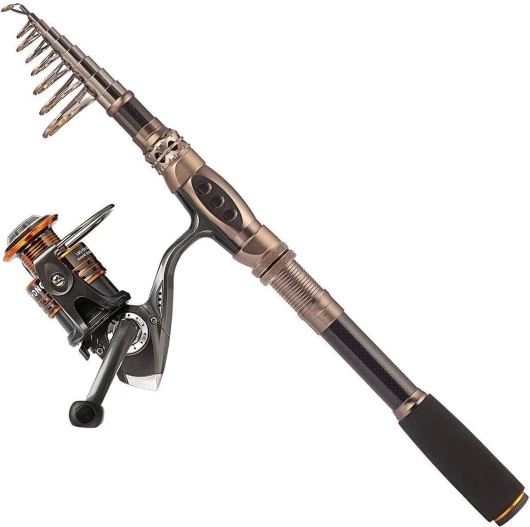
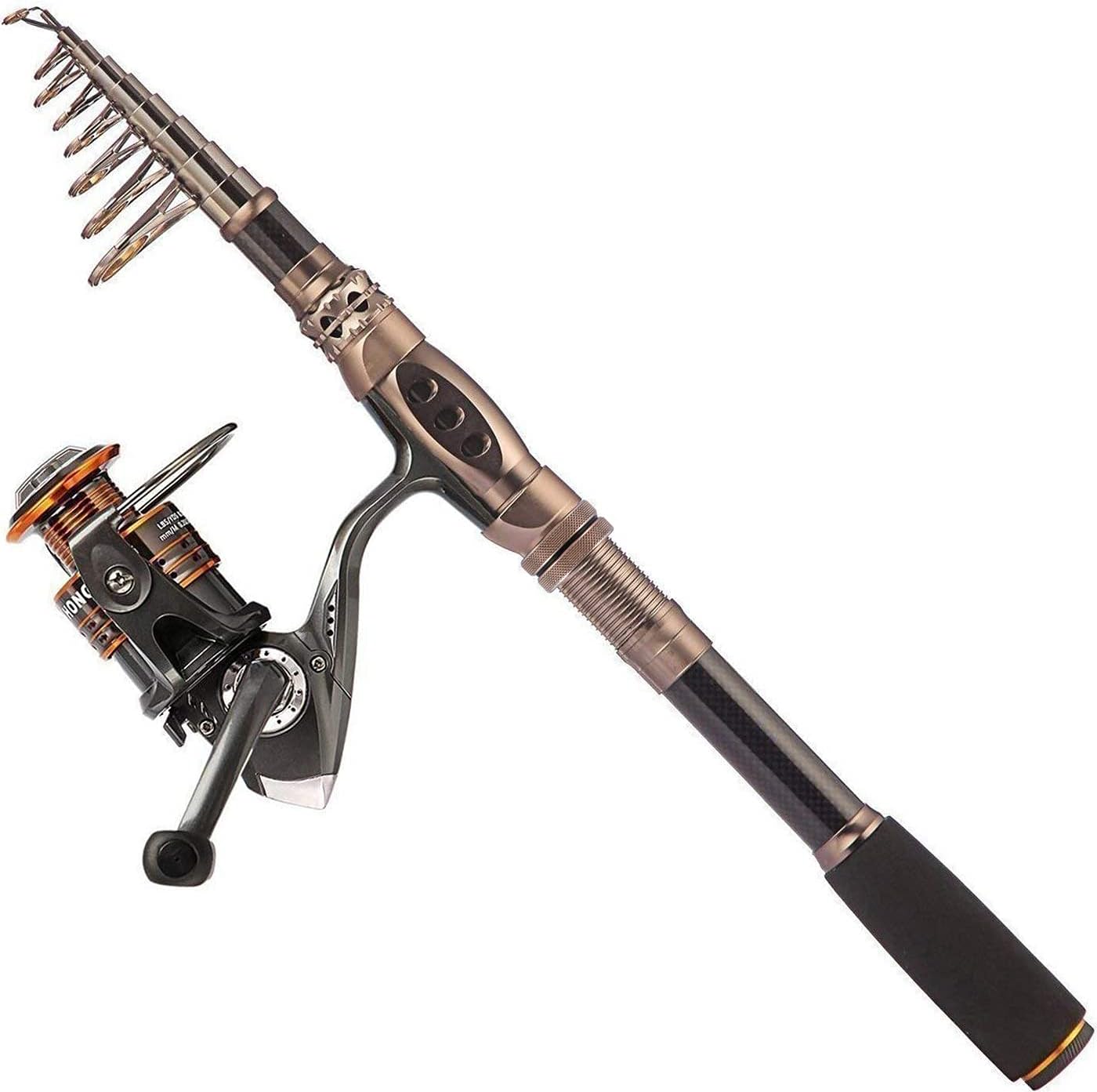
Material choice defines how the best telescopic rods behave on the water. High modulus carbon fiber gives a telescopic rod crisp recovery and light overall weight, while blended fiber telescopic designs add durability for rough travel. Many modern fishing rods use carbon fiber with a fiberglass tip to protect against knocks when the rod is collapsed in a backpack or car boot.
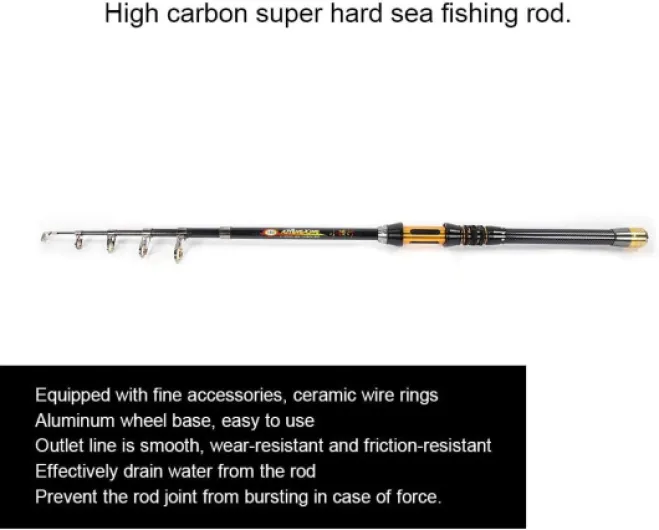
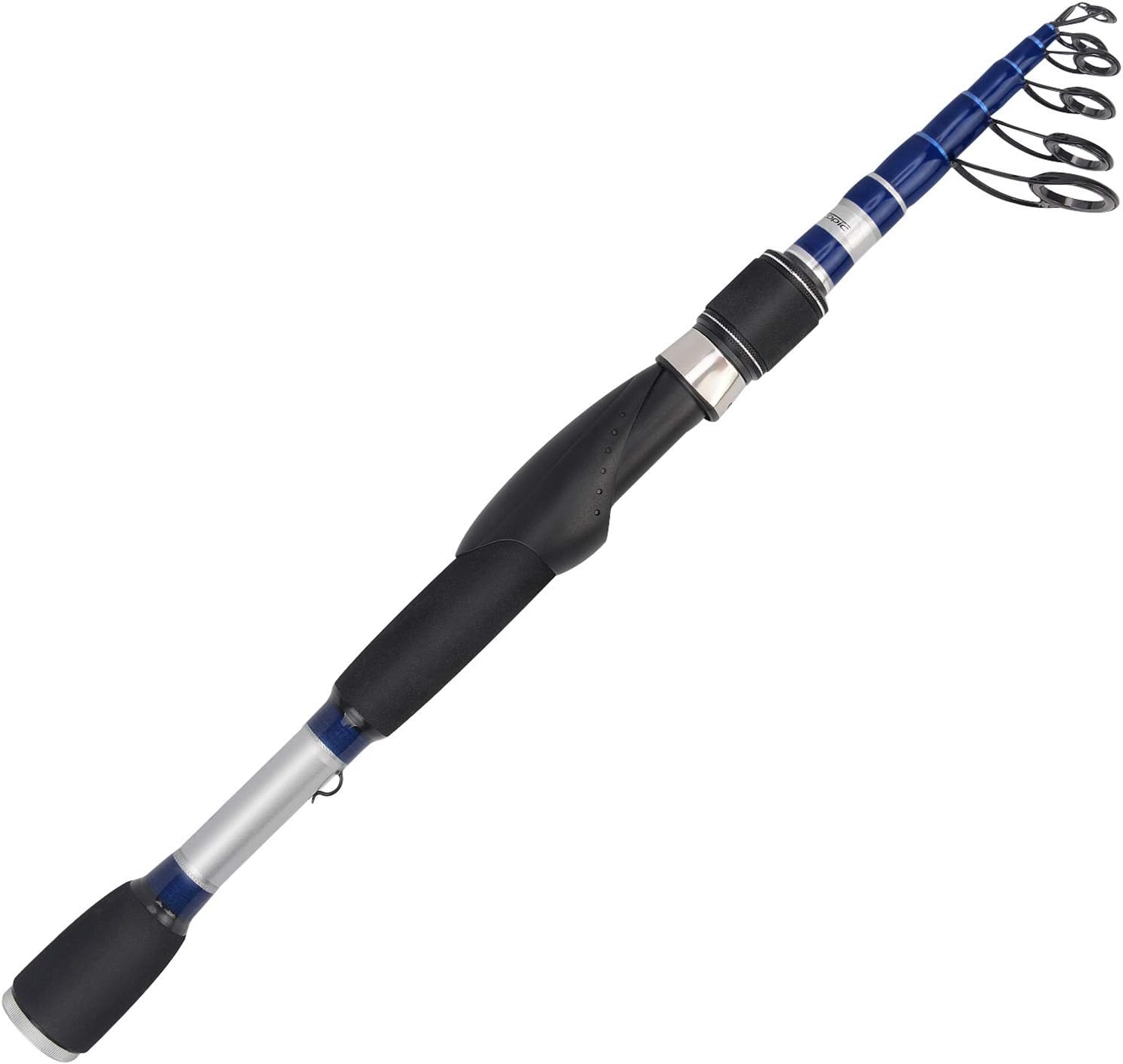
Look closely at each fishing rod section, because wall thickness and joint design affect strength. Quality telescopic fishing rods use reinforced joints and aligned carbon fibers to prevent twist, which is vital when you cast heavier lures near the upper casting weight range. Stainless steel guides with smooth inserts protect your line from abrasion, especially in saltwater where sand and salt crystals can quickly damage cheaper components.
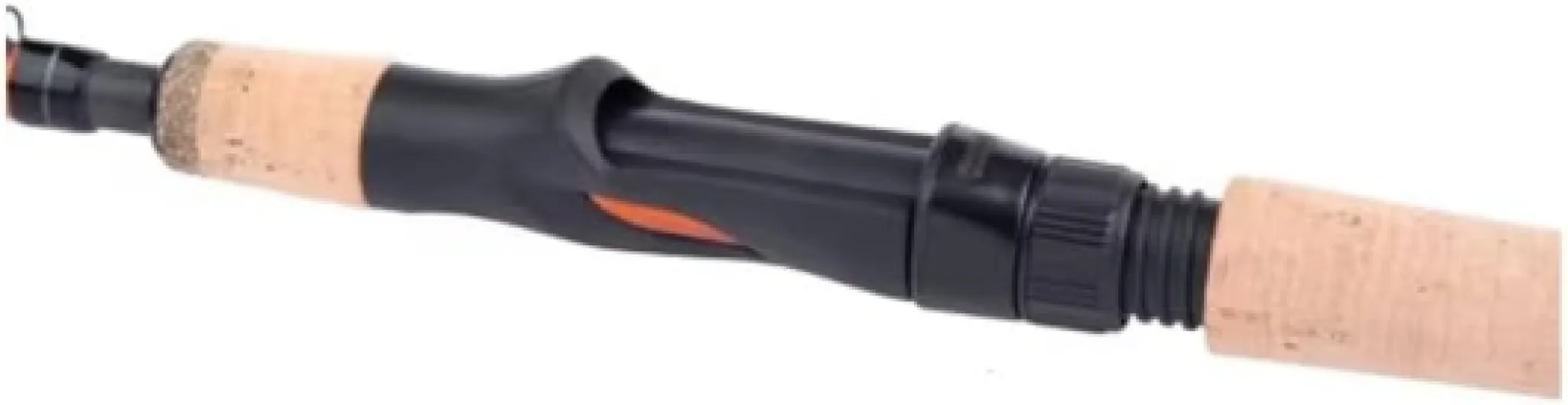
The reel seat is another critical piece that many recreational fishermen overlook. A solid reel seat with metal hoods secures a spinning reel or baitcasting reel firmly, preventing wobble that can ruin casting accuracy and fish control. On better telescopic rods, the reel seat, handle, and blank work together so the rod reel combo feels like a single integrated tool rather than a loose collection of parts.
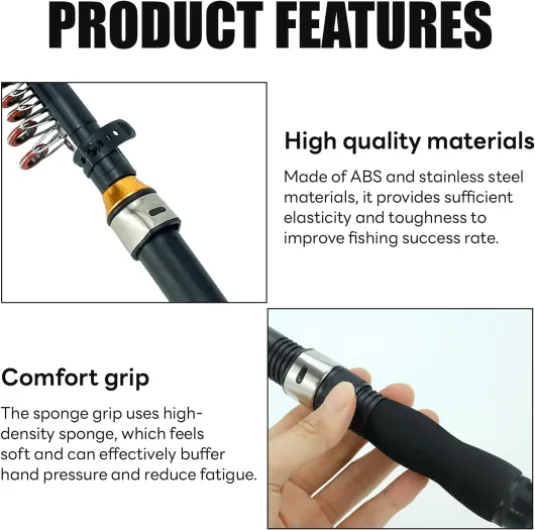
Handle design also shapes comfort during long fishing sessions. EVA or cork handles on a travel rod should allow a relaxed grip, and the overall handle length must match your casting style and target fish size. When you compare models such as the kastking blackhawk II, daiwa ninja telescopic versions, or an abu garcia telescopic rod, pay attention to how the handle transitions into the first guides and how the rod balances with your preferred reel combo.
Key models among the best telescopic rods for recreational anglers
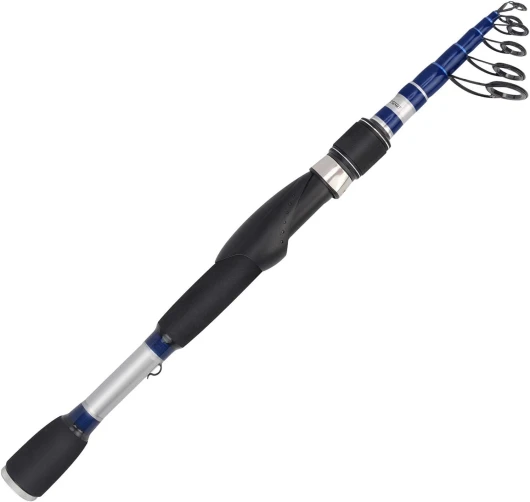
Several stand out models consistently appear when anglers talk about the best telescopic rods. The kastking blackhawk II telescopic rod uses a carbon fiber blank with a fiberglass tip, giving a responsive feel that still forgives sudden lunges from strong fish. Many recreational fishermen appreciate how this spinning rod packs down for travel yet behaves like a traditional one piece rod during casting.
The daiwa ninja X telescopic rod targets anglers who want a refined fishing rod with a sensitive carbon fiber blank. Its casting weight range suits light to medium lures, making it ideal for perch, trout, and light saltwater fishing from piers or rock marks. Paired with a compact spinning reel, this travel rod offers a precise rod reel balance that appeals to technique focused fishermen.
Abu garcia also offers telescopic rods aimed at finesse fishing, where low weight and crisp action matter more than brute strength. These abu garcia designs often use high grade carbon fiber and quality stainless steel guides, so they handle braided lines and repeated casting without grooving. When combined with a smooth reel combo, they become versatile tools for both freshwater and light saltwater work.
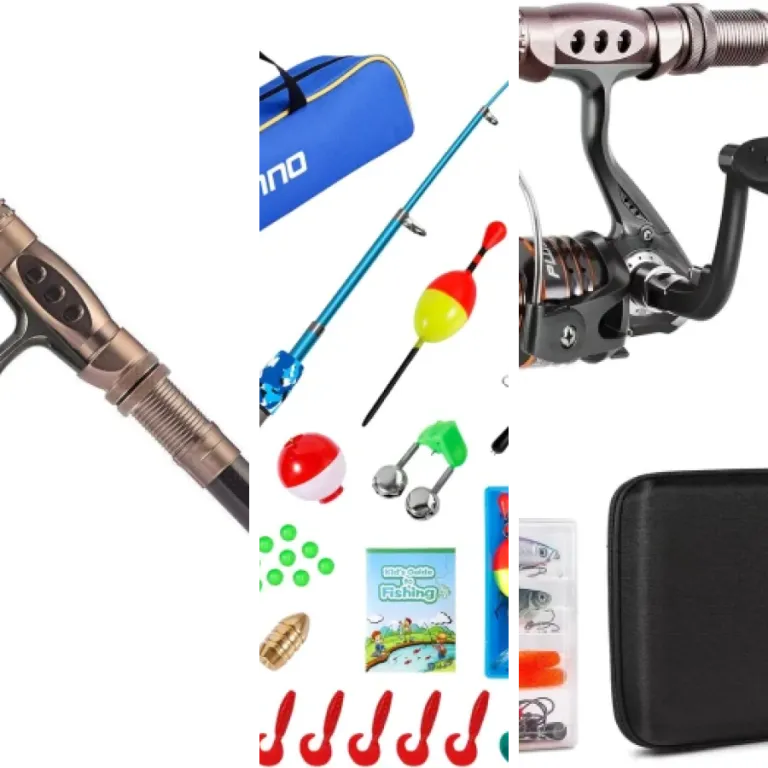
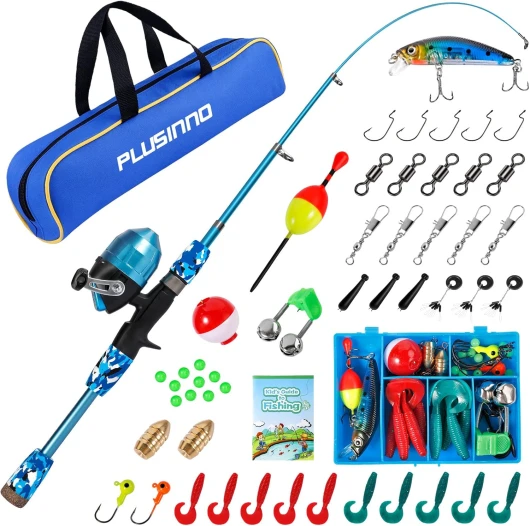
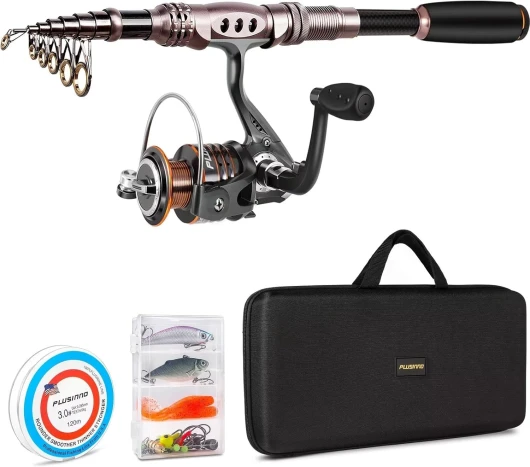
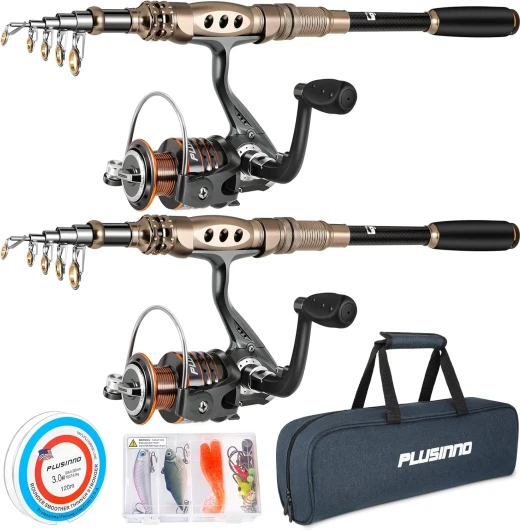
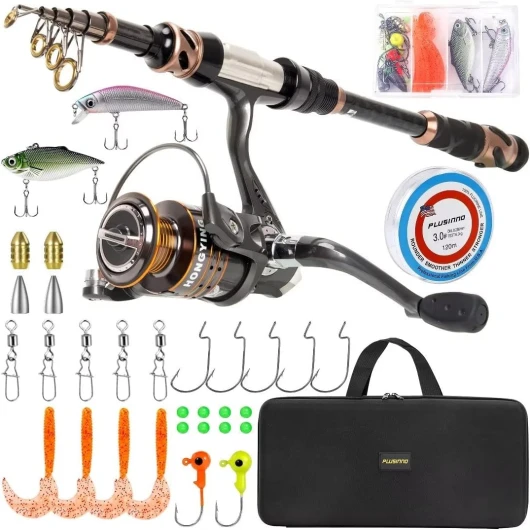
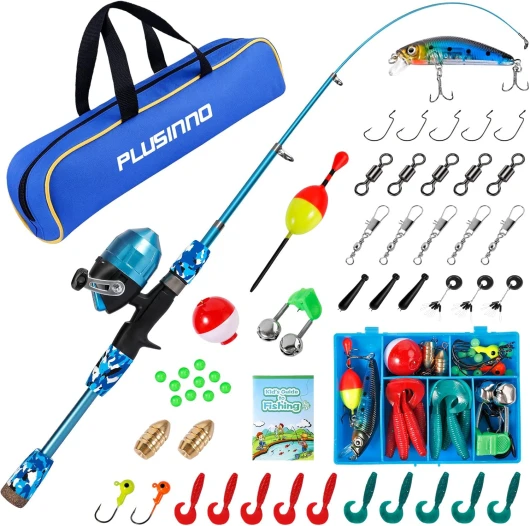
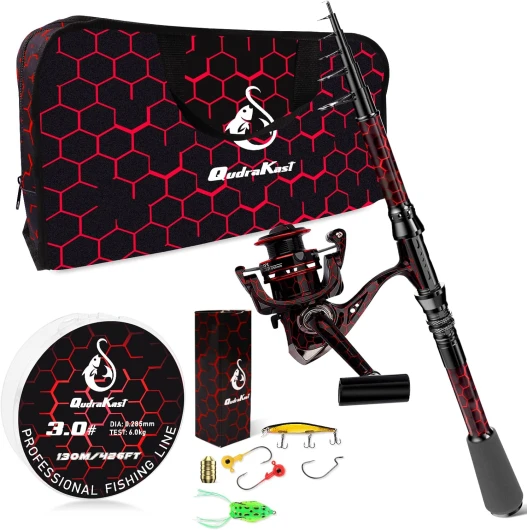
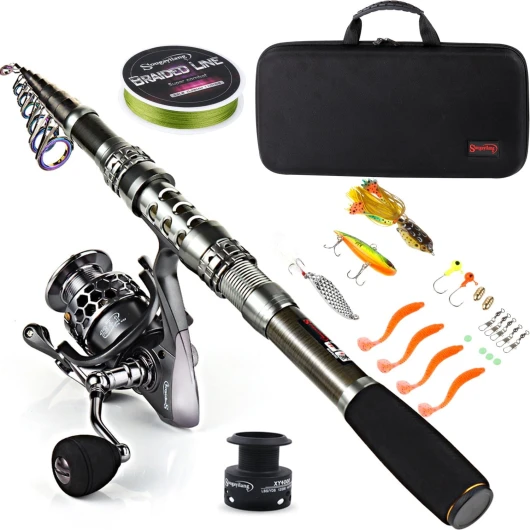
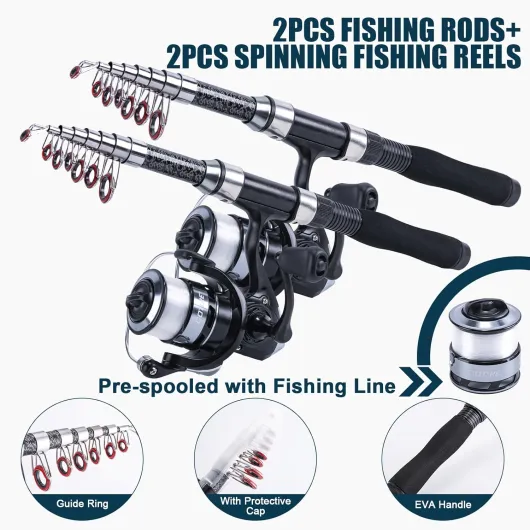
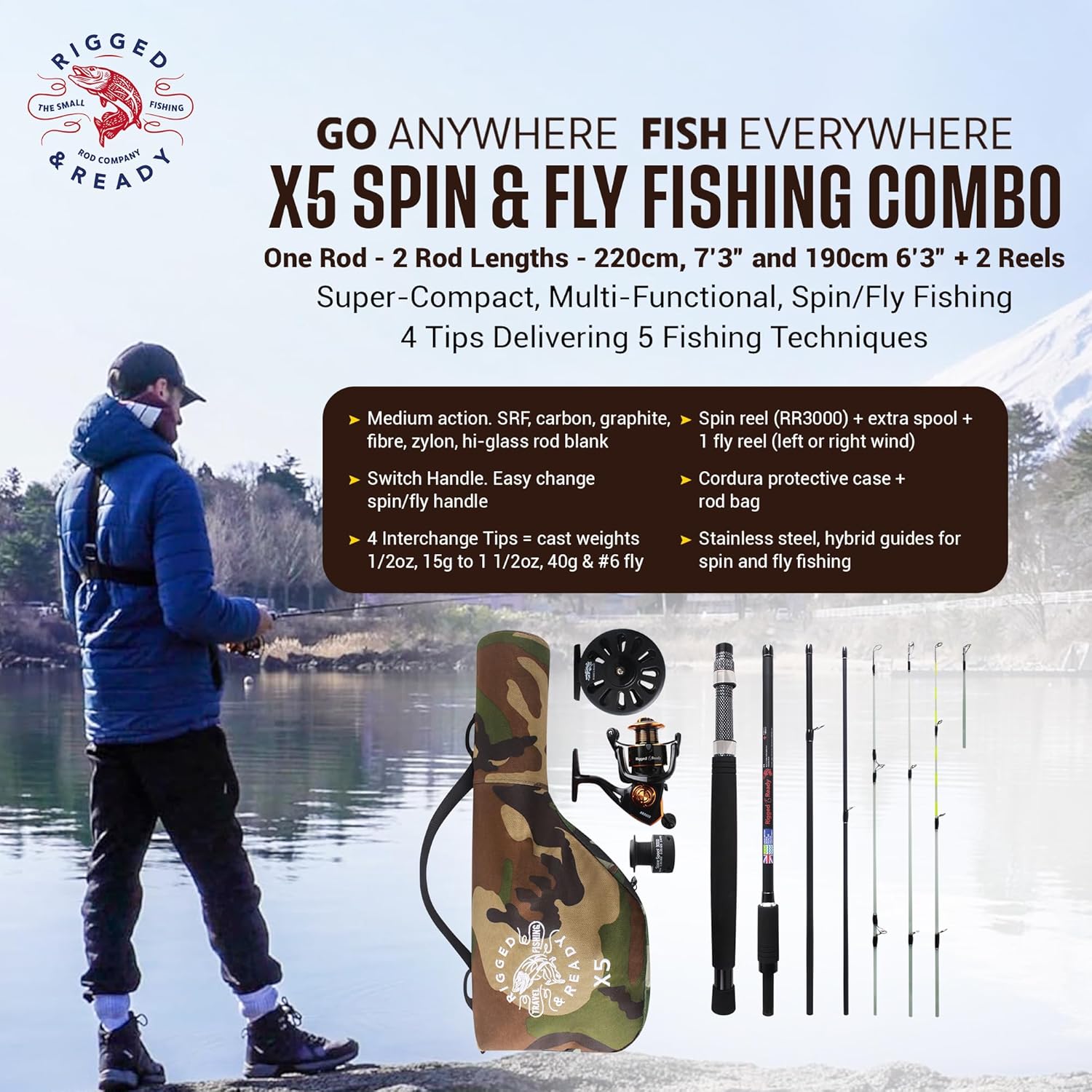
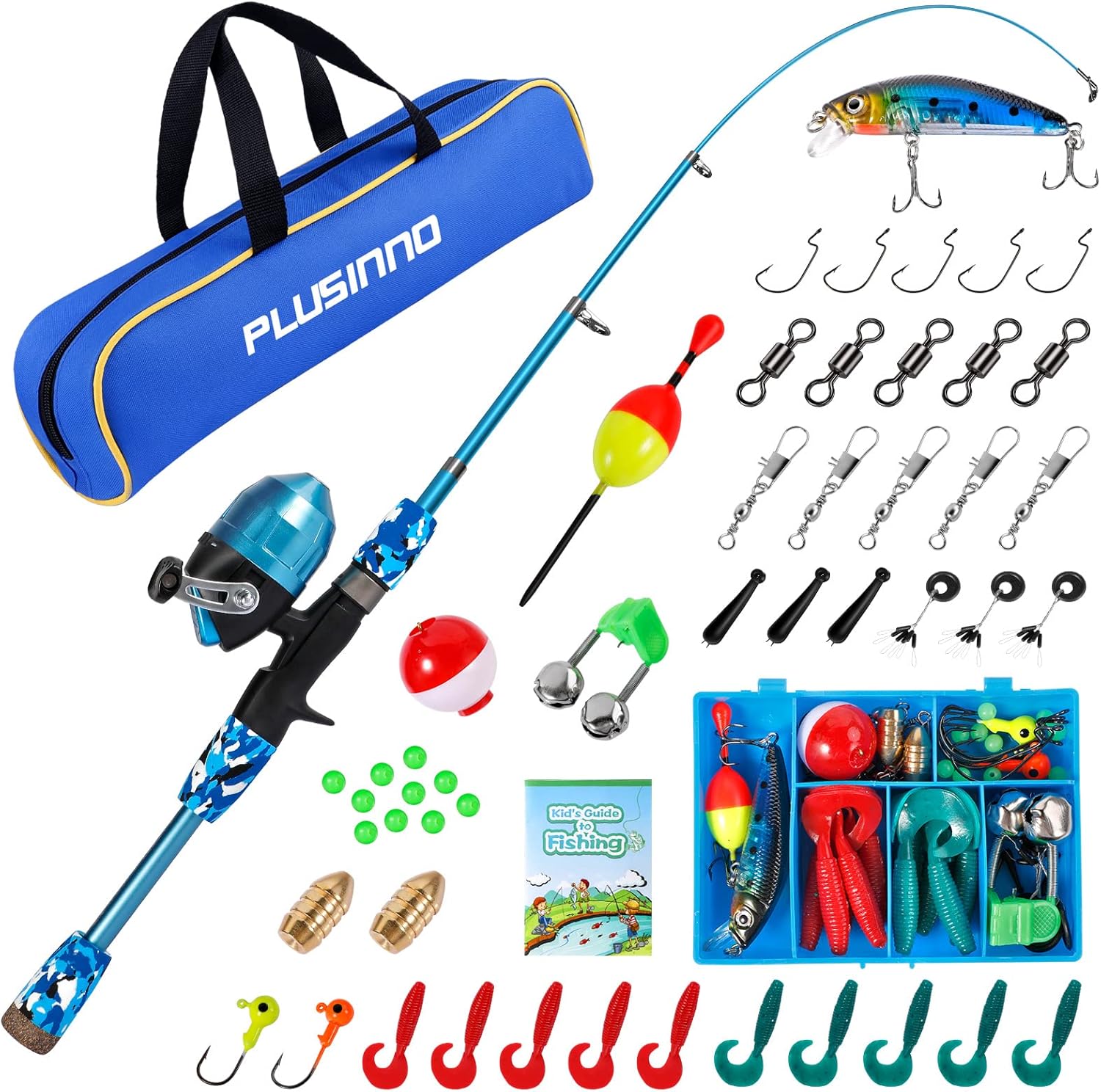
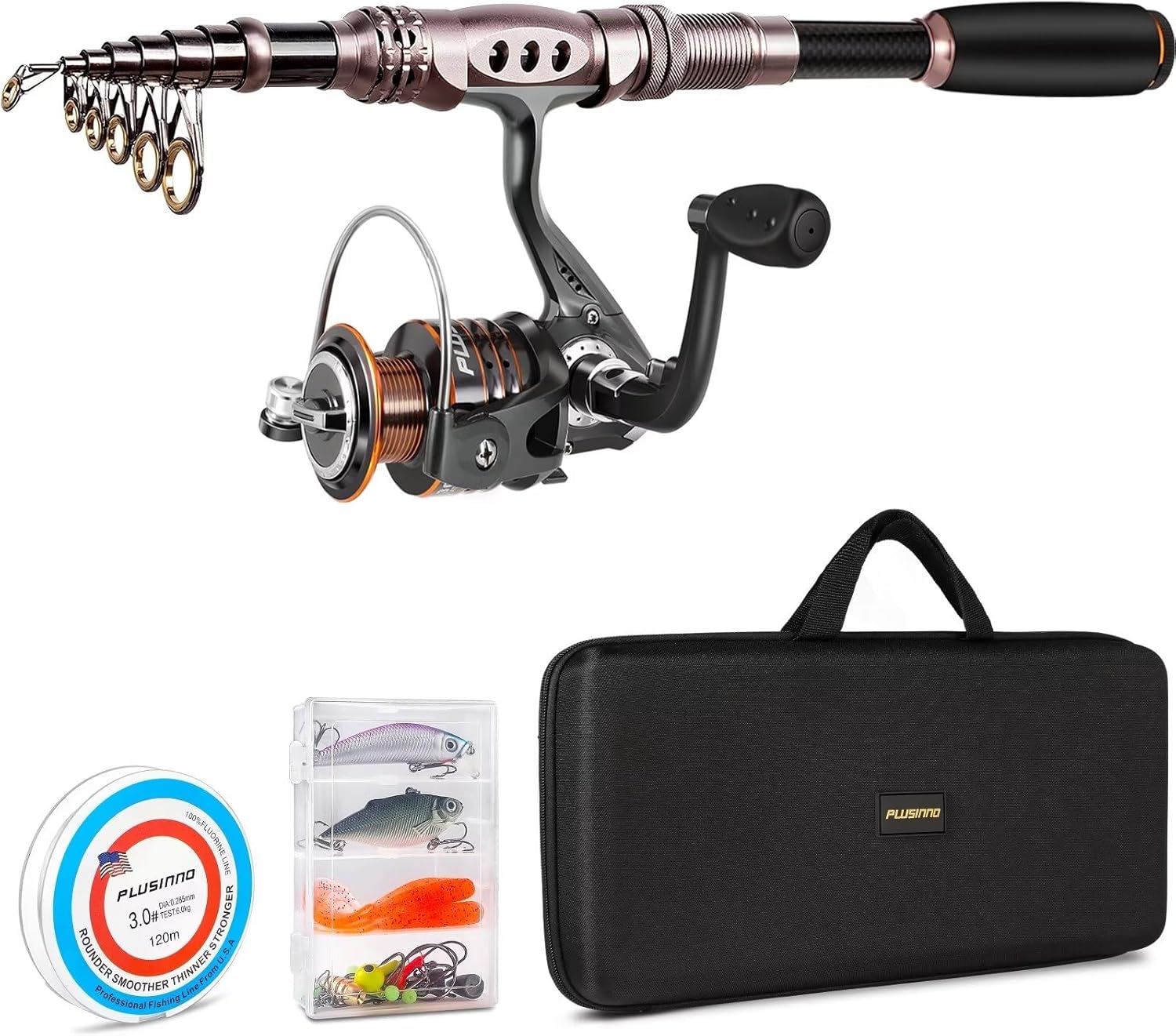
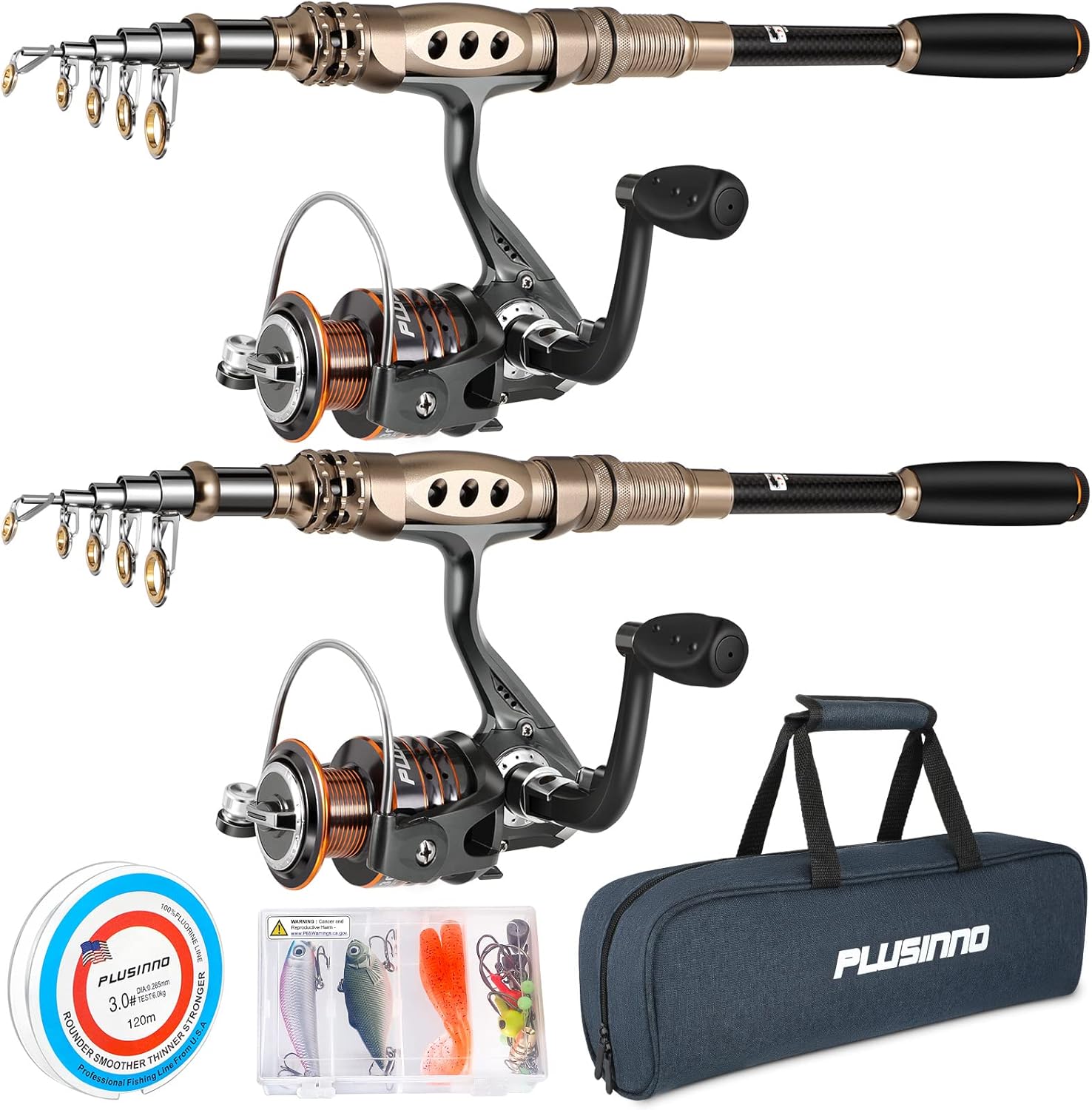
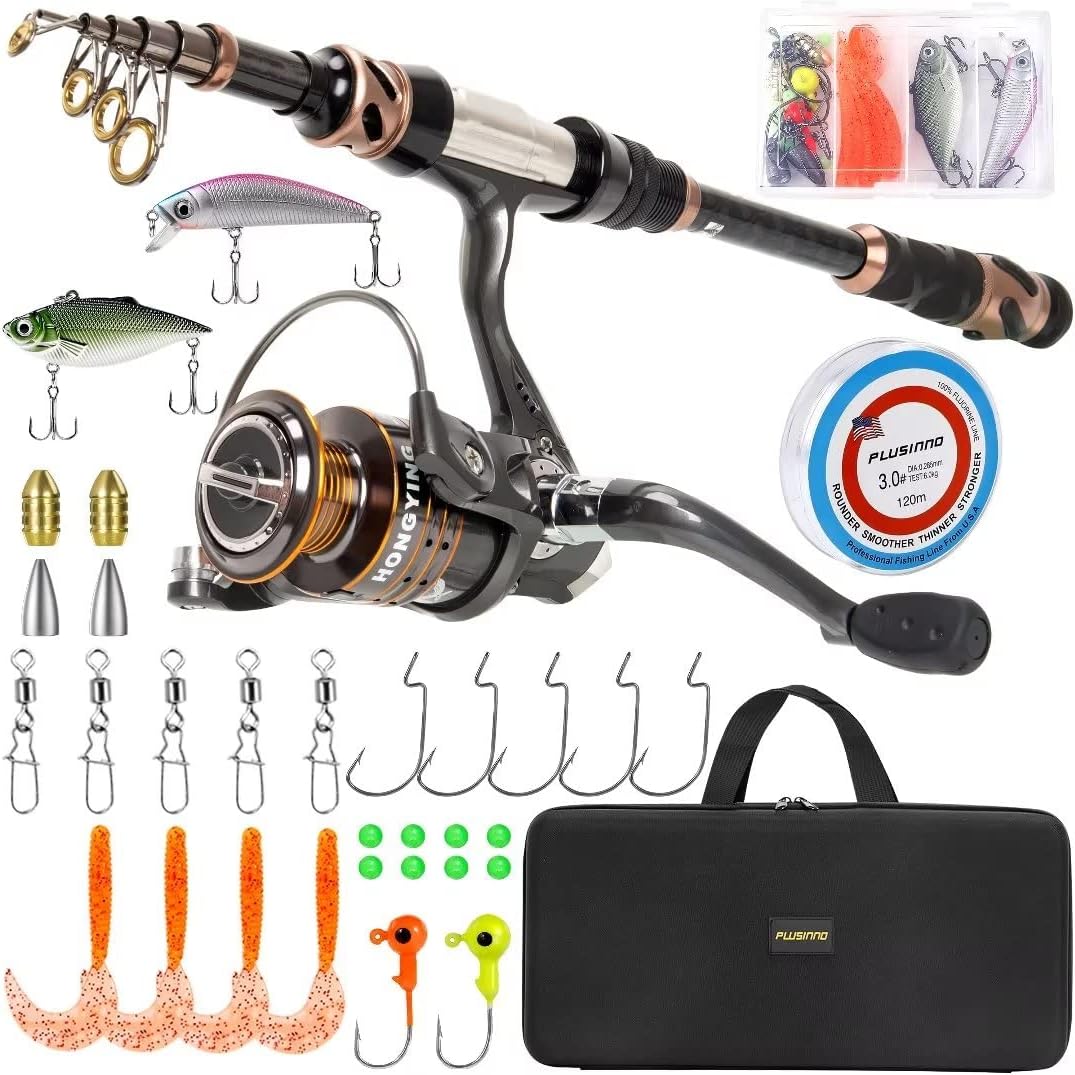
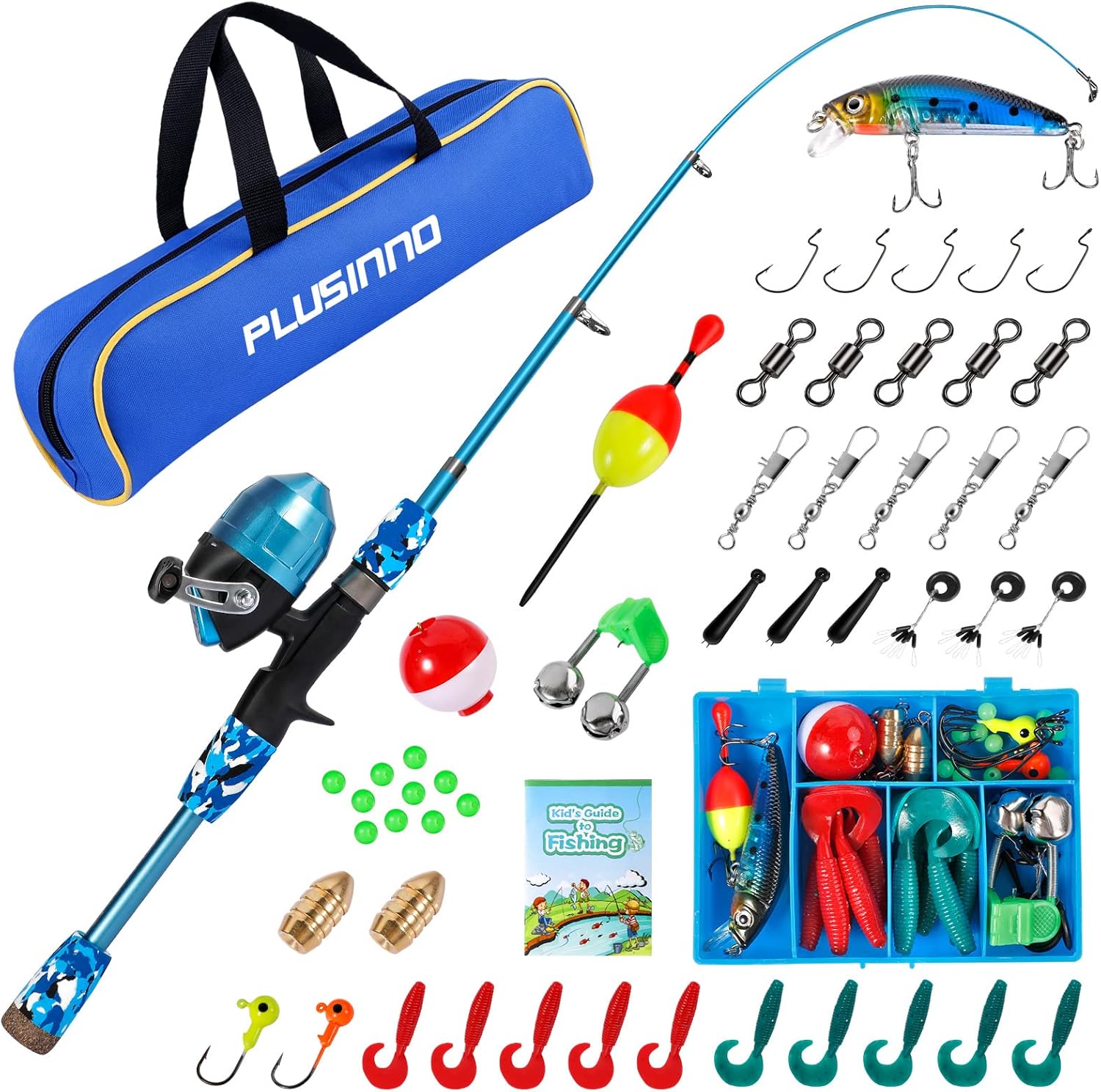
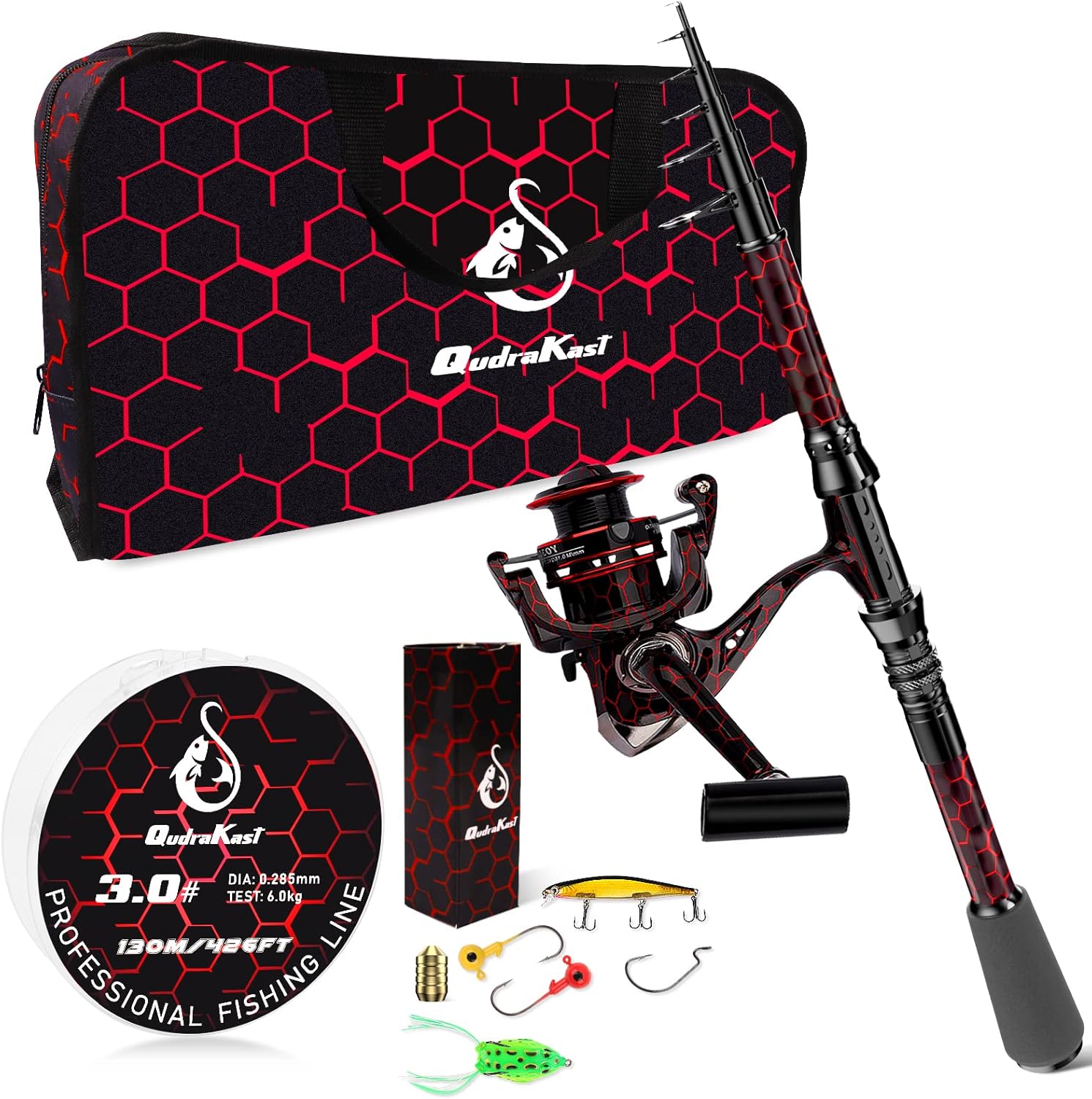
Budget conscious anglers often look at brands like plusinno, especially when buying a complete combo on amazon that includes a telescopic fishing rod, spinning reel, and basic tackle. While the price is attractive, you should still check details such as fiber telescopic wall thickness, reel seat quality, and overall rods tested feedback from experienced users. For a deeper comparison of a carbon fiber telescopic fishing rod and reel combo kit, many anglers consult this detailed test of carbon fiber telescopic fishing rod and reel combos before deciding.
Balancing portability, casting weight, and real world fishing needs
Portability is the headline advantage of telescopic rods, but it must not overshadow fishing performance. A portable telescopic rod that fits in a suitcase or under a car seat still needs an appropriate casting weight range for your lures and rigs. If you mainly fish small rivers with light spinners, a lighter casting weight spinning rod will feel lively and accurate.
For saltwater fishing from breakwaters or beaches, you may need a telescopic fishing rod with a higher casting weight to launch heavier leads and larger lures. In this case, a robust carbon fiber or mixed fiber telescopic blank with reinforced joints and stainless steel guides becomes essential. Matching that rod with a corrosion resistant spinning reel or casting reel ensures the complete combo survives repeated saltwater exposure.
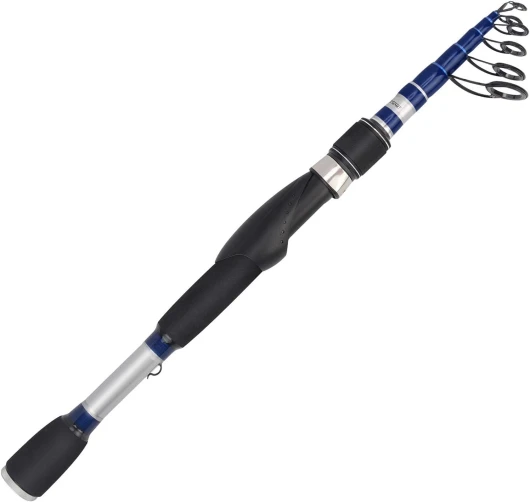
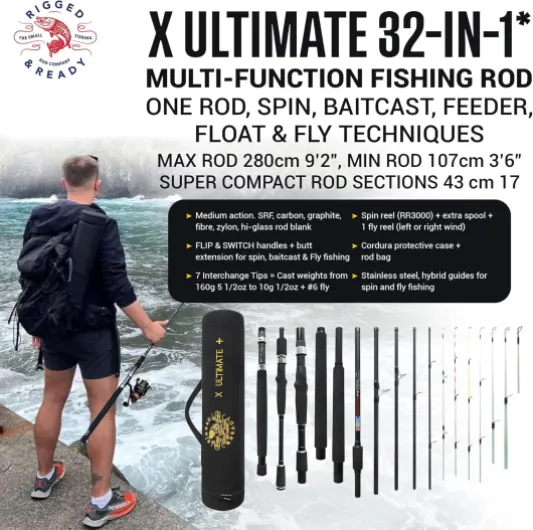
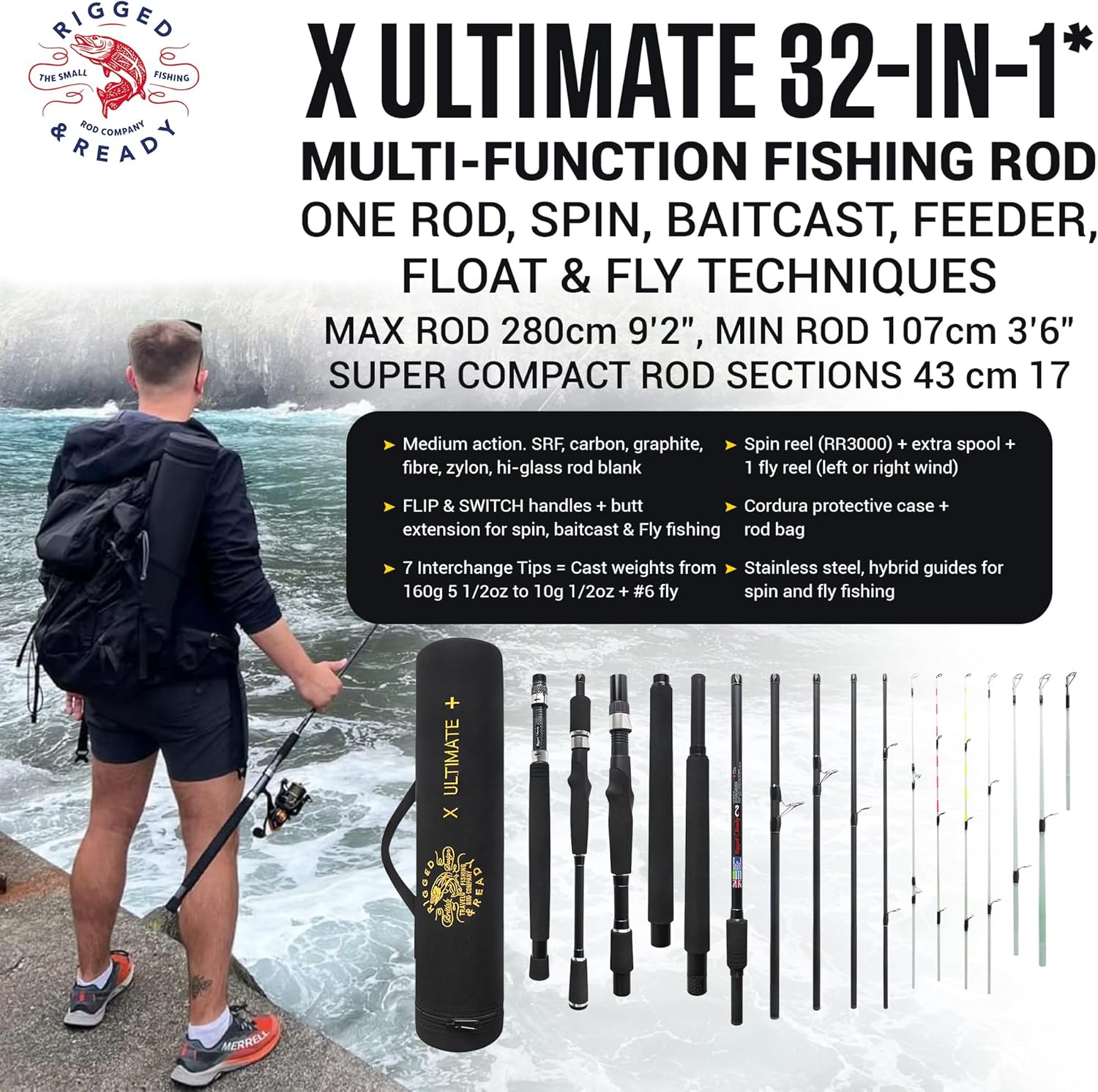
Travel also influences how you choose among the best telescopic rods. Airline restrictions and limited luggage space push many recreational fishermen toward a compact travel rod that collapses to less than 50 cm, yet still extends to a practical fishing length. When you compare rods tested by reviewers, check collapsed length, extended length, and overall weight to ensure the fishing rod fits your specific travel patterns.
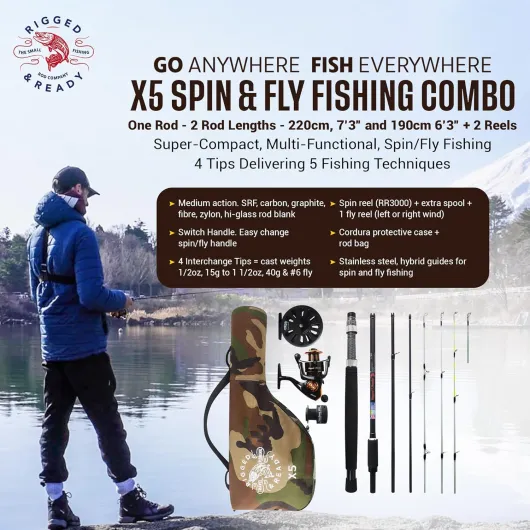
Accessories around the rod matter as well, especially when no specific category tailored specifically for recreational fishermen exists in local shops. A protective tube, rod socks, and a padded case keep the telescopic rod safe alongside nets and other gear, while a small tackle bag holds your spinning reel and lures. For anglers who also target crustaceans, pairing a compact telescopic setup with efficient net systems such as those described in this guide to versatile double hoop crab nets can create a highly adaptable shore fishing kit.
Evaluating value, price, and where to buy telescopic rods
Price remains a decisive factor when choosing among the best telescopic rods. Online platforms such as amazon offer a wide range of telescopic fishing options, from entry level plusinno combos to mid range kastking blackhawk and premium daiwa ninja or abu garcia models. Recreational fishermen should compare not only the initial price but also expected lifespan, warranty, and rods tested feedback from experienced users.
A low price telescopic rod and reel combo can be attractive for occasional fishing, yet hidden compromises may appear in the reel seat, guides, or handle. Cheaper stainless steel guides might lack proper inserts, increasing line wear, while a weak reel seat can loosen under load when a strong fish runs. Reading detailed reviews where anglers describe real fishing situations helps you read best between marketing claims and actual performance.
When assessing value, consider how the telescopic rod fits into your existing fishing rods collection. If you already own several one piece or two piece rods, a compact travel rod may serve as a backup or specialist tool for spontaneous trips. In that case, a mid priced carbon fiber telescopic model with a reliable spinning reel may offer the best balance between cost and utility.
Anglers who rely on a single primary fishing rod for both local and travel use should invest more heavily in build quality. A premium carbon fiber or advanced fiber telescopic blank, high grade stainless steel guides, and a secure handle will better withstand frequent casting and varied fish sizes. Complementing that rod with a smooth spinning reel combo and a well chosen landing net, as outlined in this article on selecting the right fishing net to improve catch rate, completes a trustworthy mobile fishing system.
Practical tips for matching rod, reel, and technique in telescopic setups
To get the most from the best telescopic rods, you must match each rod to a suitable reel and technique. A light to medium spinning rod pairs well with a compact spinning reel, creating a balanced rod reel combo for lures and float fishing. For heavier lures or bottom rigs, a sturdier telescopic rod with a higher casting weight rating and a robust reel becomes necessary.
Before your first trip, extend the telescopic fishing rod fully and check each piece for smooth locking and alignment. Inspect the stainless steel guides for damage, ensure the reel seat clamps the reel foot firmly, and confirm that the handle feels comfortable in both wet and dry conditions. Many anglers quietly perform their own rods tested routine at home, which prevents unpleasant surprises when a strong fish takes the bait.
Line choice also influences how a carbon fiber telescopic blank behaves under load. Braided lines transmit more feel through the fishing rod, while monofilament offers extra stretch that can protect lighter fiber telescopic tips from sudden shocks. Adjusting drag settings on the spinning reel or casting reel to match your line and target fish size keeps the system working harmoniously.
Finally, remember that no specific category tailored specifically for recreational fishermen means you must define your own standards. Focus on how the telescopic rods cast, fight fish, and pack for travel, rather than on brand hype alone. When you consistently evaluate rod, reel, handle, and hardware together, you will naturally gravitate toward the telescopic rods that truly are the best for your personal fishing style.
Key quantitative insights on telescopic fishing rods
- Typical carbon fiber telescopic rods for recreational fishing weigh between 120 g and 250 g, depending on length and casting weight rating.
- Collapsed lengths for travel rod designs usually range from 40 cm to 65 cm, allowing easy storage in backpacks or carry on luggage.
- Most spinning rod and reel combo packages for telescopic fishing target lure weights between 5 g and 40 g for all round freshwater use.
- Stainless steel guide sets on quality telescopic rods are commonly rated to handle braided lines up to 15 kg breaking strain without grooving.
- In comparative tests, carbon fiber telescopic blanks often retain more than 85 % of the sensitivity measured on equivalent two piece fishing rods.
Common questions about the best telescopic rods
Are telescopic rods as strong as traditional multi piece fishing rods ?
Modern carbon fiber telescopic rods can approach the strength of quality two piece fishing rods when built with reinforced joints and stainless steel guides. However, the multiple sliding sections introduce more potential stress points, so careful use and regular inspection remain important. For heavy saltwater fishing or very large fish, many anglers still prefer robust multi piece blanks.
What reel should I pair with a telescopic spinning rod for travel ?
A compact spinning reel in the 2000 to 3000 size range usually balances well with medium light telescopic rods designed for general freshwater fishing. For heavier lures or light saltwater work, a 4000 size spinning reel with corrosion resistant components may be more appropriate. Always mount the reel on the rod, check balance at the handle, and ensure the reel seat clamps securely before buying.
Can I use telescopic rods for both freshwater and saltwater fishing ?
Many of the best telescopic rods are rated for both freshwater and saltwater use, provided they feature corrosion resistant stainless steel guides and durable reel seats. After saltwater sessions, rinse the fishing rod and reel combo thoroughly with fresh water and allow all pieces to dry before collapsing the sections. Regular maintenance significantly extends the life of any telescopic fishing setup.
How do I choose the right casting weight for a telescopic rod ?
Start by listing the typical lures or rigs you use, then select a telescopic rod whose casting weight range comfortably covers those weights. Fishing mostly with light spinners and small soft baits calls for a lighter casting weight spinning rod, while heavier sinkers or large plugs demand a stronger blank. Staying within the recommended casting weight helps protect the carbon fiber structure and maintains predictable casting performance.
Are budget telescopic rod and reel combos from amazon worth buying ?
Budget combos from brands such as plusinno on amazon can be a reasonable entry point for occasional fishing or as a spare travel rod. You should still examine details like fiber telescopic wall thickness, guide quality, and reel smoothness, because these elements determine long term reliability. Anglers who fish frequently or target larger fish may find better value in mid range or premium telescopic rods paired with a separately chosen reel.