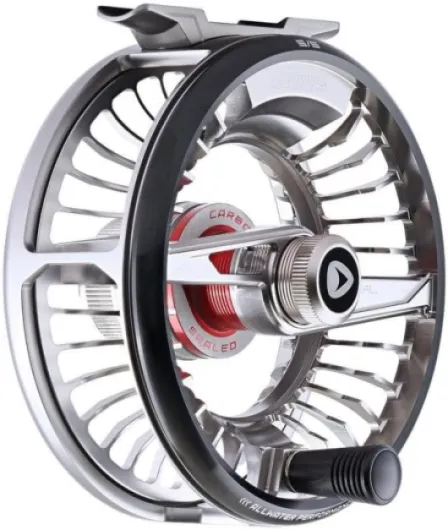
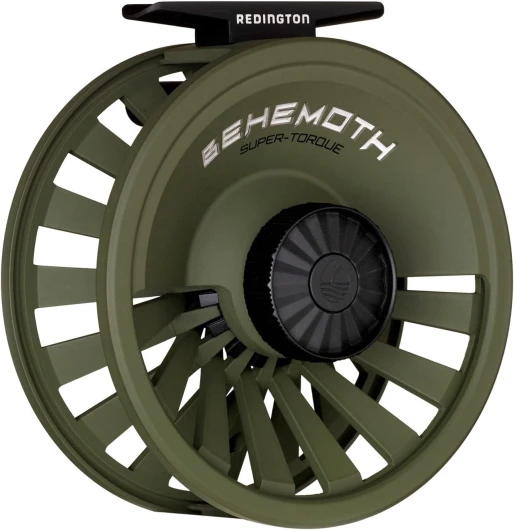
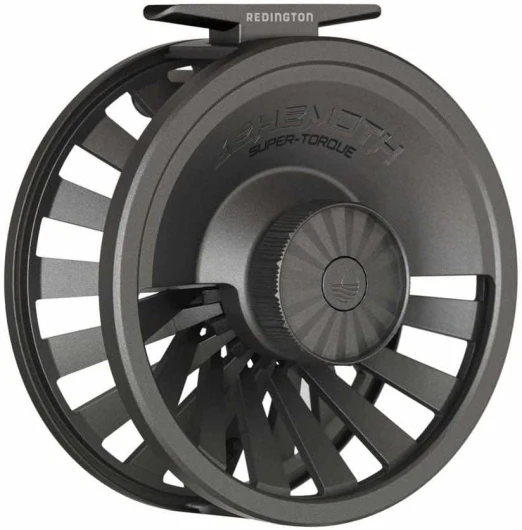
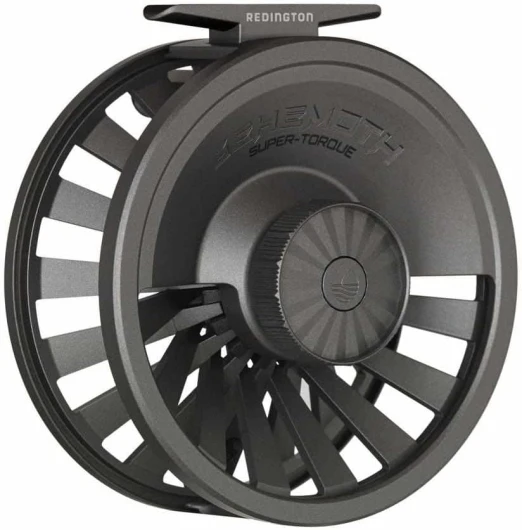
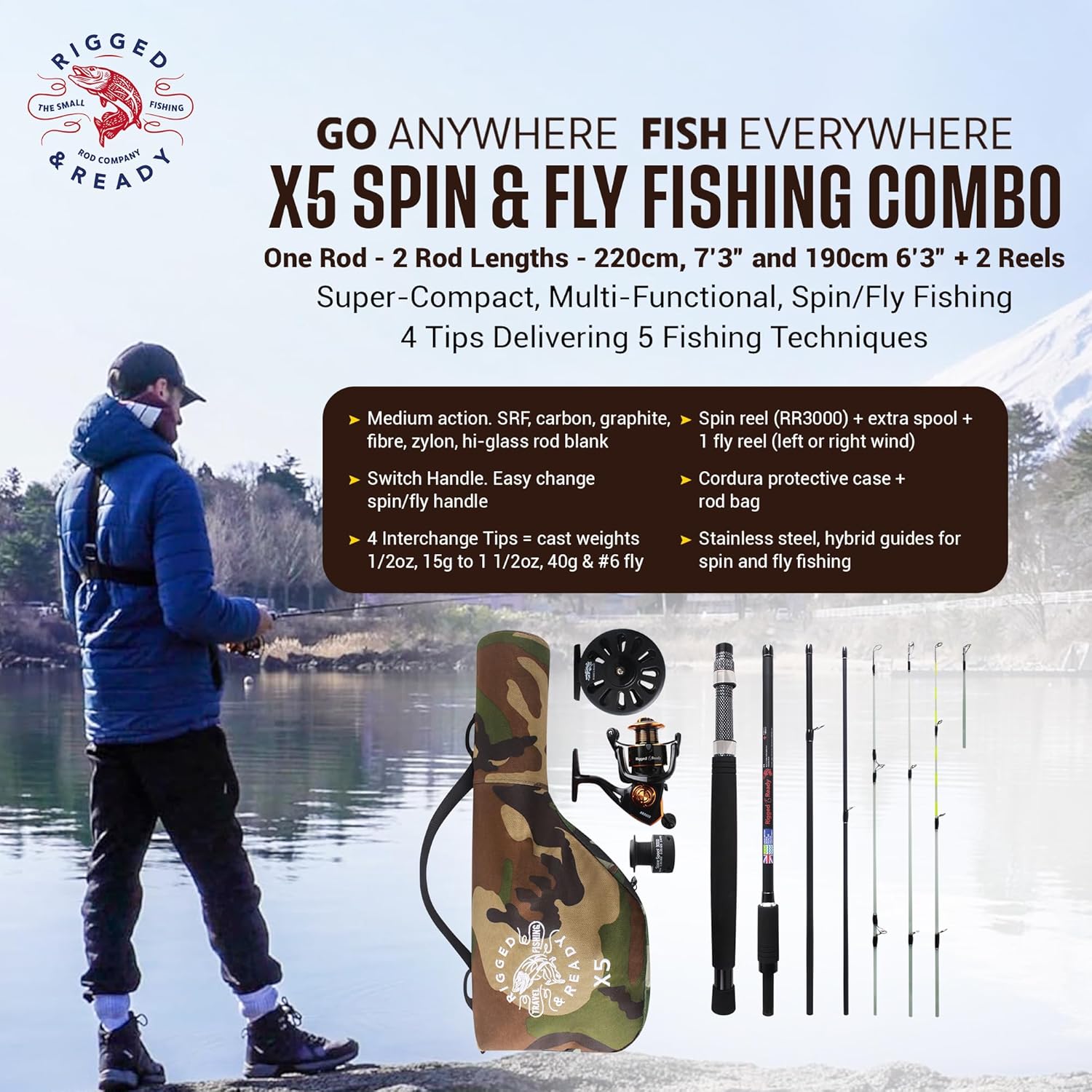
Key features that define the best fly reels
Several technical details separate average fishing reels from the best fly reels. First, the drag system must start smoothly at low pressure, because sudden resistance can snap fine tippet or damage delicate dry fly hooks. Modern disc drag designs from brands like Orvis, Redington and Ross generally offer better performance than older click systems, especially for saltwater fly work.
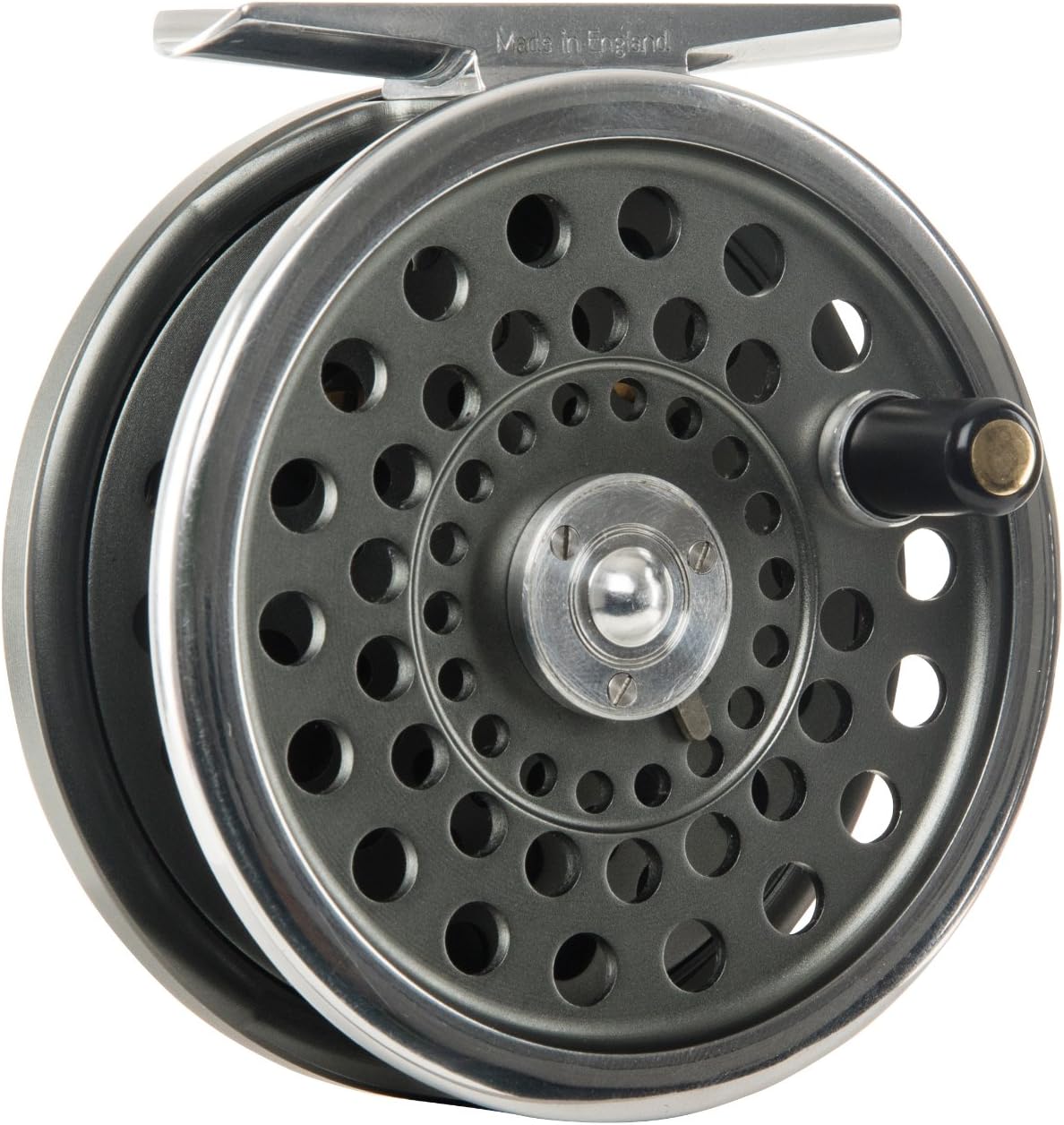
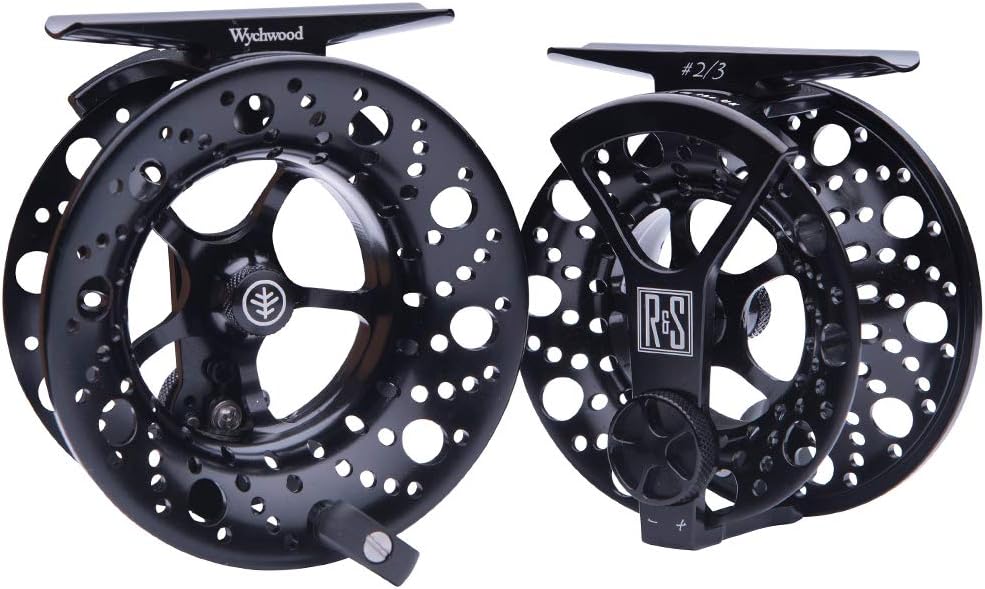
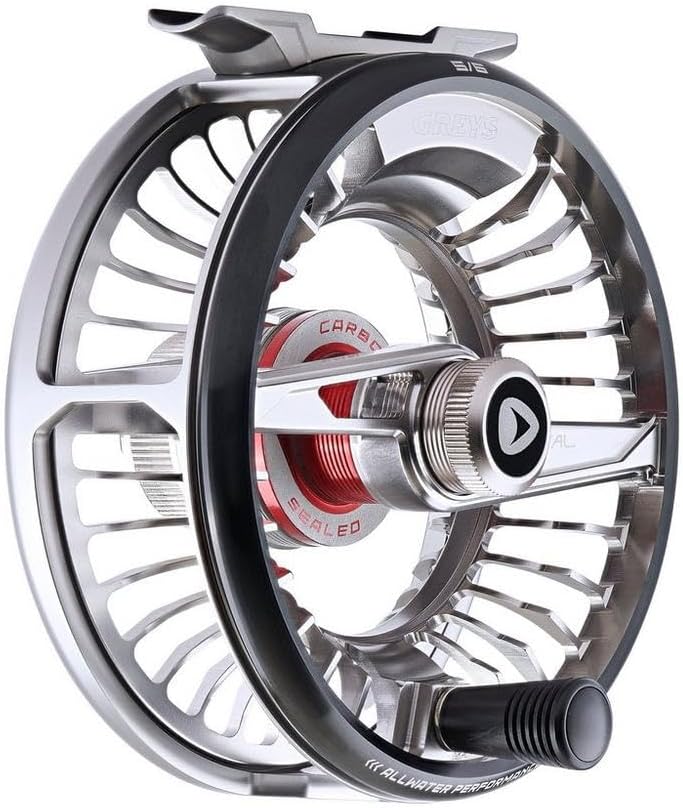
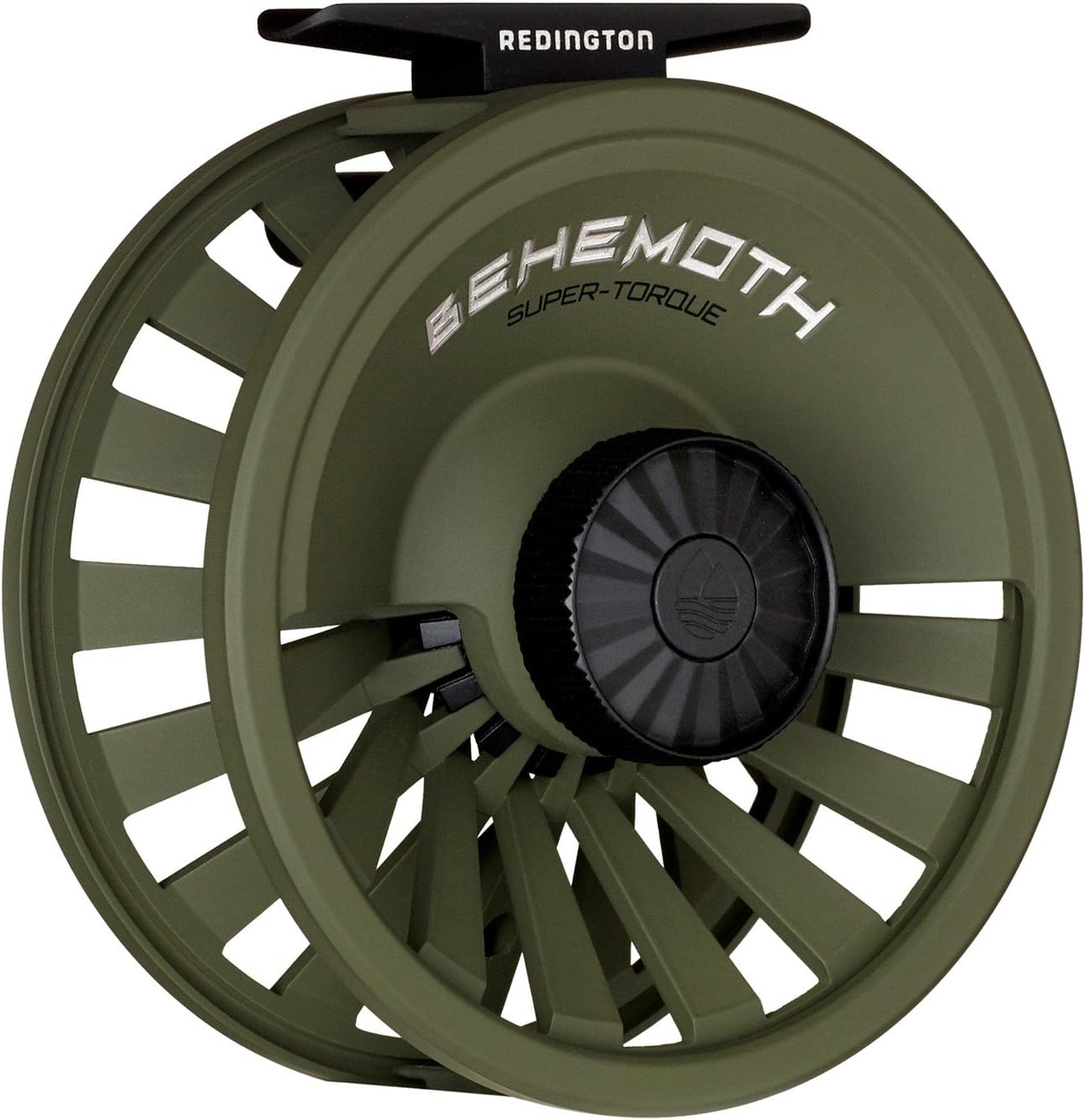
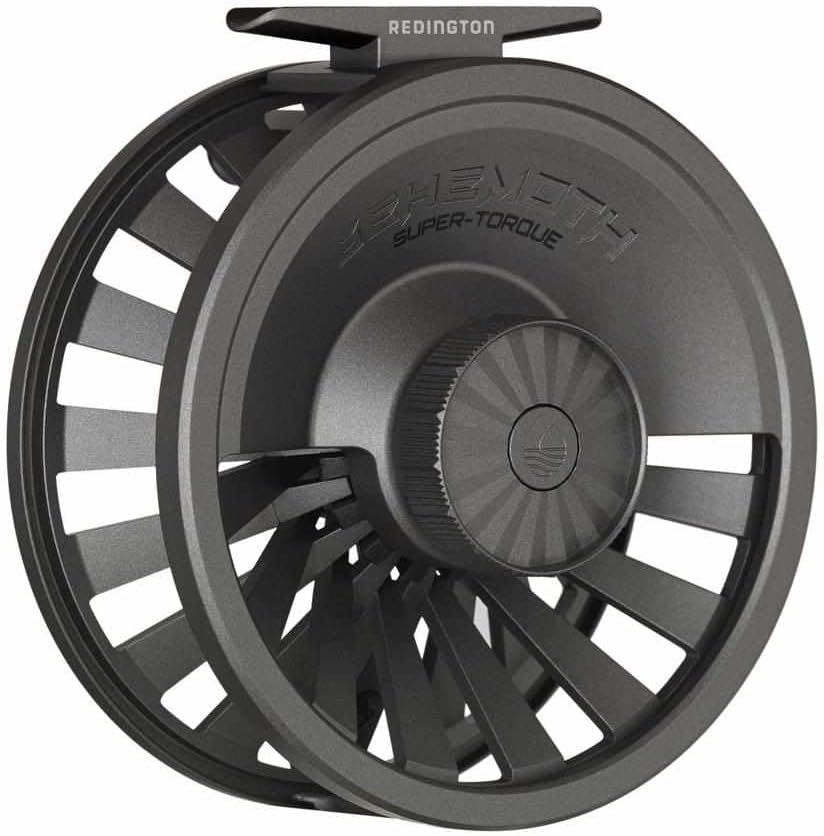
Arbor size is another decisive factor, since large arbor fly reels reduce line memory and speed up retrieval when a fish charges toward you. A true large arbor spool also spreads the fly line over a wider surface, which helps preserve coating and improves long term performance. When comparing reels on sale, check not only the stated diameter but also the effective arbor depth, because some series fly models exaggerate capacity at the expense of practicality.
Material and build quality influence both durability and weight, particularly on longer fly rods where balance is critical. Fully machined aluminium reels from makers such as Orvis or Ross usually outlast cast models, although a good cast reel can still serve well at a lower price. For recreational fishermen who fish often but not obsessively, a robust mid priced fly reel often represents the best compromise between regular price and real world longevity.
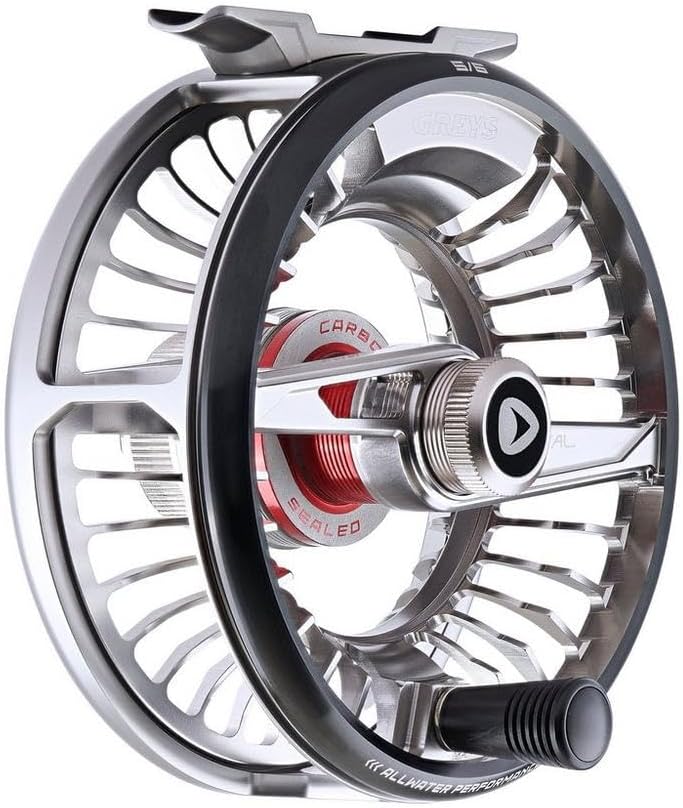
Saltwater fly environments demand extra attention to sealing and corrosion resistance, since fine salt crystals quickly ruin unprotected drag components. Look for sealed drag housings, anodised frames and stainless hardware on any reel marketed for saltwater fishing. Detailed field reports, such as those shared in specialised club strategy features, often reveal how these design choices hold up under hard use.
Balancing rods, reels and lines for real world fishing
Even the best fly reels feel disappointing if they sit on poorly matched fly rods. A balanced outfit starts with rod length and line weight, then pairs an appropriate fly reel that neither overwhelms nor underweights the setup. Recreational anglers should handle rods fly and reels together in store whenever possible, checking how the combination feels during a casting motion.
For light trout fishing with small flies and fine leaders, a compact large arbor reel with a subtle drag usually suffices. In this scenario, the fly line and leader system matters as much as the reel, because delicate presentations with a dry fly demand smooth turnover and precise control. Many anglers choose rods best in the 8 to 9 foot range, then add a mid sized reel that balances just ahead of the cork grip for comfortable all day casting.
Heavier fly rods for pike, bass or saltwater fly fishing require sturdier reels with stronger drag and deeper spools. Here, the interplay between fly lines, backing capacity and drag performance becomes critical when long runs threaten to empty the reel. Before committing to any fishing reels on sale, thread the intended line and backing to confirm that capacity claims match your practical needs.
Thoughtful anglers also consider how accessories such as fly boxes, leaders and tools integrate into their overall system. A well organised vest or pack with accessible tying tools, spare hooks and compact fly boxes reduces time wasted during changing conditions. For specialised advice on preserving memorable catches from these trips, resources like guides to local fish taxidermy experts can help turn a single fish into a lasting record.
Freshwater versus saltwater fly reels for recreational use
Recreational fishermen often start with freshwater fly fishing, then gradually explore saltwater fly opportunities as skills grow. Freshwater oriented fly reels typically prioritise light weight, simple drag and compatibility with common trout or grayling fly lines. In contrast, saltwater fly reels must endure harsh conditions, powerful fish and frequent exposure to sand, salt and sun.
When evaluating freshwater options, focus on how the reel handles typical river or lake scenarios with modest fish. A smooth drag that protects light leaders, combined with a large arbor for quick line pick up, usually defines the best fly choice for these waters. Many anglers pair versatile 5 or 6 weight fly rods with mid sized reels from Orvis, Redington or Ross, achieving a comfortable blend of price, performance and reliability.
Saltwater fly environments demand sealed drag systems, corrosion resistant frames and robust handles that remain secure with wet hands. Here, the regular price of premium reels may seem high, but the long term performance often justifies the investment compared with cheaper fishing reels on sale. Before committing, examine whether the reel’s drag remains consistent at different settings and whether the frame resists flex under heavy load.
Accessory choices also diverge between freshwater and saltwater, from leaders and tippet to tying materials and tools. Saltwater flies usually require stronger hooks, tougher feather craft components and more durable tying materials than delicate river patterns. For anglers who split time between both environments, a modular system of interchangeable spools and carefully selected accessories can keep overall costs under control while maintaining high performance.
Supporting your reel with smart fly tying and accessories
The best fly reels perform at their peak only when supported by thoughtful fly tying and accessory choices. Recreational fishermen who tie their own flies gain precise control over hook quality, feather craft selection and tying materials, which directly influence how patterns fish. A well tied dry fly or nymph that tracks correctly in the current reduces pressure on the drag system because fish hook themselves cleanly.
Investing in reliable tying tools, from bobbins to scissors and whip finishers, pays off through consistent, durable flies. Over time, a modest tying bench with organised fly boxes, labelled hooks and sorted materials becomes as important as any reel upgrade. Many anglers find that tying both singular fly patterns and varied flies series for specific rivers deepens their understanding of local hatches and fish behaviour.
Leaders and tippet act as the final link between fly line and fly, so their quality must match that of your reel and rod. Poorly chosen leaders can negate the benefits of a refined drag, especially when targeting wary fish in clear water. Reading detailed field reports, such as those in technical angling experience articles, helps anglers align leader design with reel performance and local conditions.
Thoughtful accessory selection extends to wading tools, line care products and storage systems that protect fly reels during transport. Simple habits, like rinsing saltwater fly reels after each trip and drying fly lines before storage, significantly extend service life. When all these elements work together, recreational fishermen enjoy a coherent system where reel, rod, line, leaders and flies operate in harmony.
Value, pricing and long term performance in fly reels
Understanding value in the market for the best fly reels requires looking beyond headline sale price tags. A reel with a modest regular price but poor long term performance can cost more than a premium model once replacements and repairs accumulate. Recreational fishermen should evaluate how drag consistency, frame strength and component quality hold up over several seasons of fly fishing.
Brands such as Orvis, Redington and Ross have built reputations by offering fly reels that balance price and reliability for a wide range of anglers. Their series fly offerings often include both entry level and advanced models, allowing fishermen to upgrade gradually while keeping familiar ergonomics. When comparing options, note whether spare spools are available at reasonable price points, since multiple spools extend the usefulness of a single fly reel across different fly lines.
Some anglers prioritise aesthetics, choosing reels that match rods best in colour and style, yet function should always come first. A large arbor design with a proven drag system will land more fish than a beautifully finished reel with erratic braking. Before purchasing, handle several fishing reels on sale, test the drag start up, and imagine how each would behave with a strong fish on the line.
Ultimately, the best fly choice for any individual depends on fishing frequency, target species and local conditions. By weighing regular price against expected lifespan and performance, recreational fishermen can assemble a coherent kit of fly rods, reels, lines and accessories. This thoughtful approach ensures that every future cast, whether with a single dry fly or a full box of experimental flies, rests on dependable equipment.
Statistics and common questions about modern fly reels
Key quantitative insights for recreational anglers
- Modern large arbor fly reels typically retrieve line 20 to 30 percent faster than traditional narrow arbor designs of similar diameter.
- Sealed disc drag systems can deliver smooth resistance across a range from less than 0,2 kg to more than 7 kg on premium saltwater fly models.
- Balanced outfits usually place 55 to 65 percent of total rod and reel weight ahead of the hand, improving casting comfort over long sessions.
- Entry level machined aluminium reels often weigh 10 to 20 percent less than comparable cast models while offering greater structural rigidity.
- Routine rinsing and drying after saltwater use can extend functional reel lifespan by several seasons compared with neglected equipment.
Frequently asked questions from recreational fishermen
How do I choose the right size fly reel for my rod ?
Match the reel to the line weight printed on your fly rod, then check that the reel balances near the front of the grip when loaded with backing and fly line. For example, a 5 weight rod usually pairs with a 4 or 5 weight fly reel, depending on manufacturer sizing. Always test the assembled outfit in hand, because personal comfort and casting style influence the ideal balance point.
Is a large arbor reel always better than a standard arbor model ?
A large arbor reel offers faster retrieval and reduced line memory, which benefits most modern fly fishing situations. However, standard arbor reels can still work well for light trout fishing where long runs are rare and backing capacity is less critical. Consider your typical waters and species before deciding, but many recreational anglers now prefer large arbor designs for their versatility.
Do I really need a sealed drag for freshwater fishing ?
A sealed drag is not strictly necessary for most freshwater fly fishing, yet it adds protection against grit and moisture that can degrade performance. For anglers who fish frequently or travel between freshwater and saltwater, a sealed system offers extra reliability. Occasional trout fishermen can often save money with a quality unsealed drag, provided they clean and maintain the reel regularly.
How many spare spools should I own for one fly reel ?
Owning at least one spare spool allows you to carry a floating and a sinking or intermediate fly line on the same reel. Many recreational fishermen eventually add a third spool for specialised lines, such as sink tips or technical presentation tapers. The ideal number depends on how many different fisheries you visit, but two to three spools usually cover most needs efficiently.
When should I replace my fly line instead of blaming the reel ?
If casting distance drops, the line feels sticky or cracked, or it sinks when designed to float, the fly line is likely the problem. A tired line can make even the best fly reels feel sluggish and unresponsive during casting and retrieval. Before investing in a new reel, try a fresh line on your existing setup to see whether performance improves significantly.