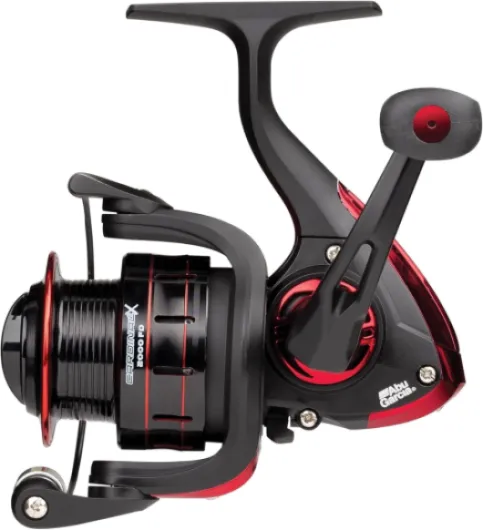
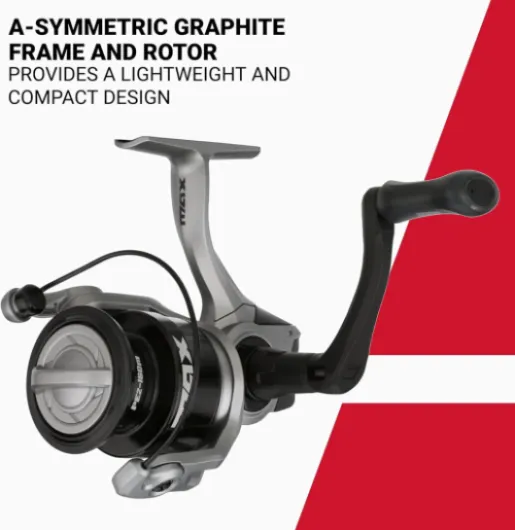
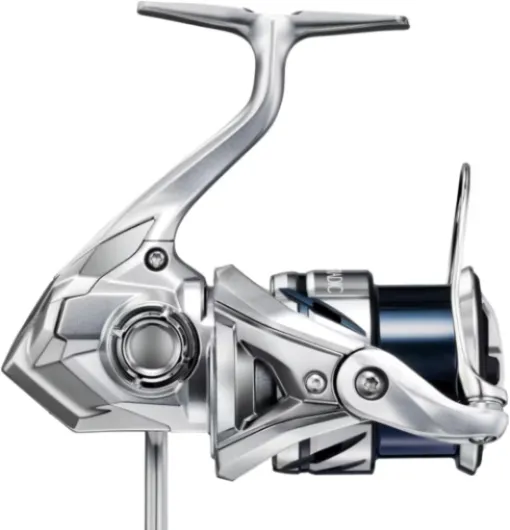
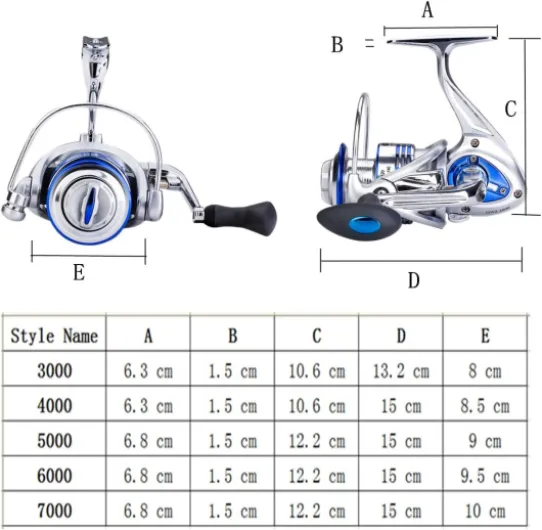
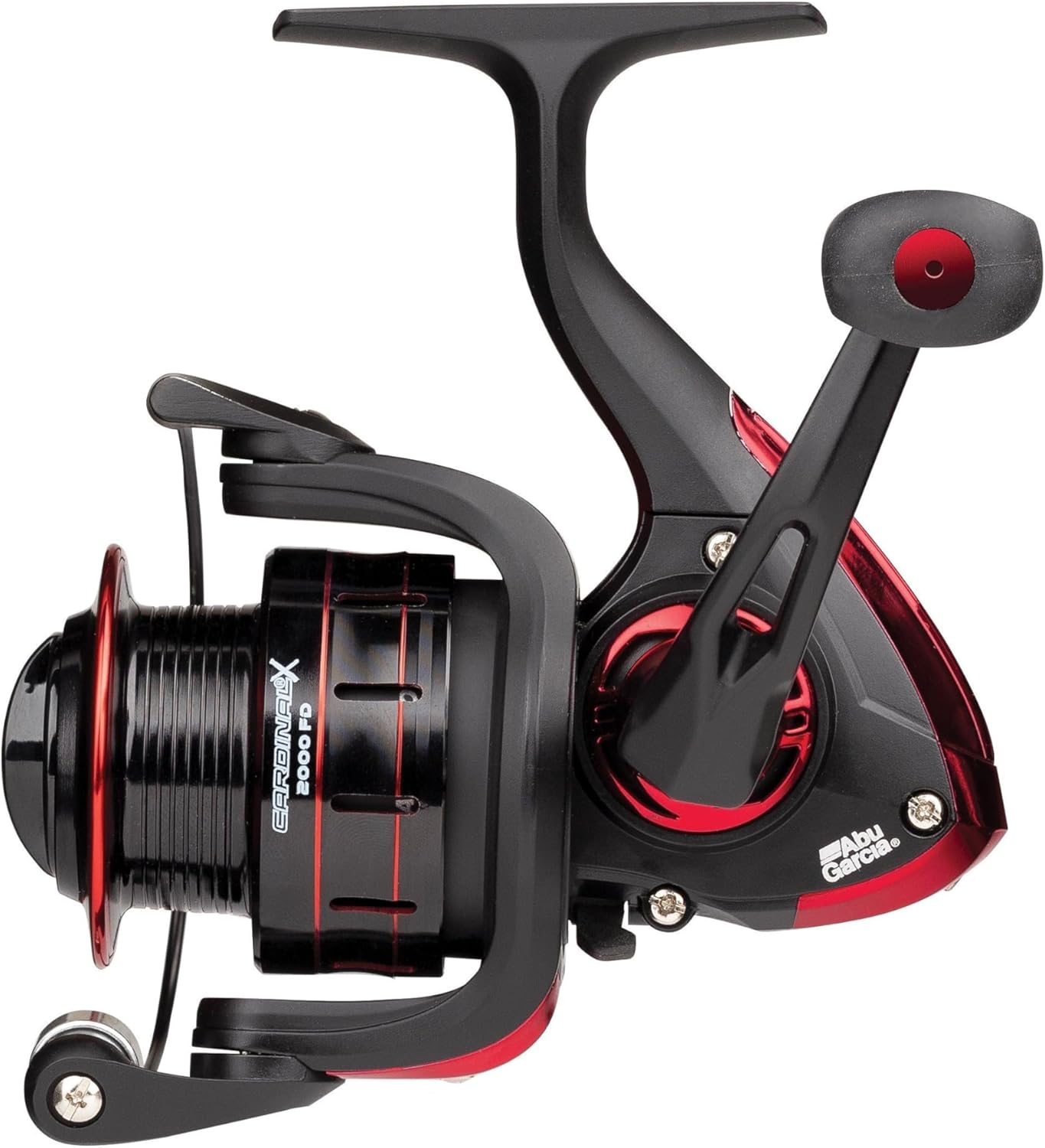
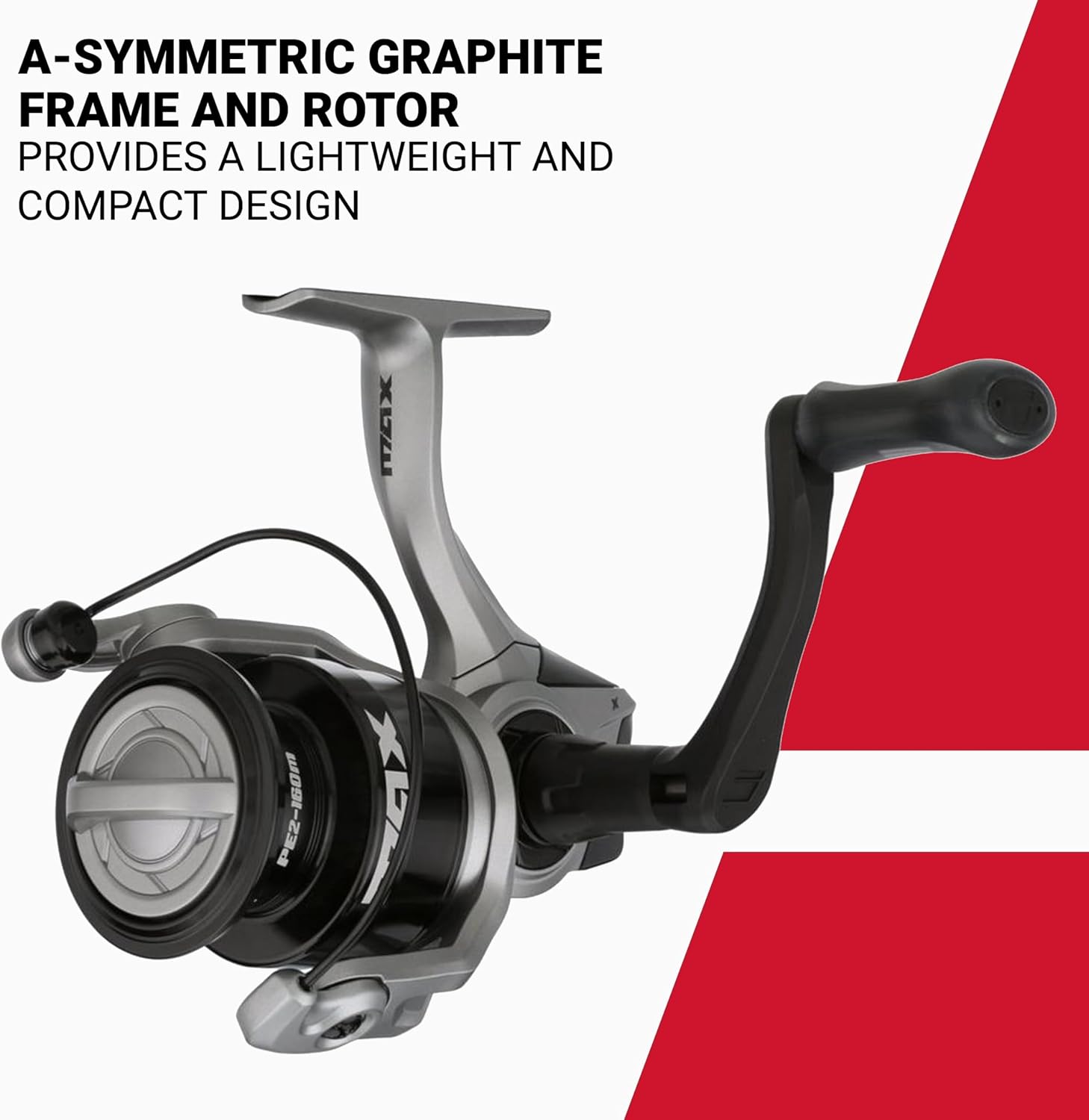
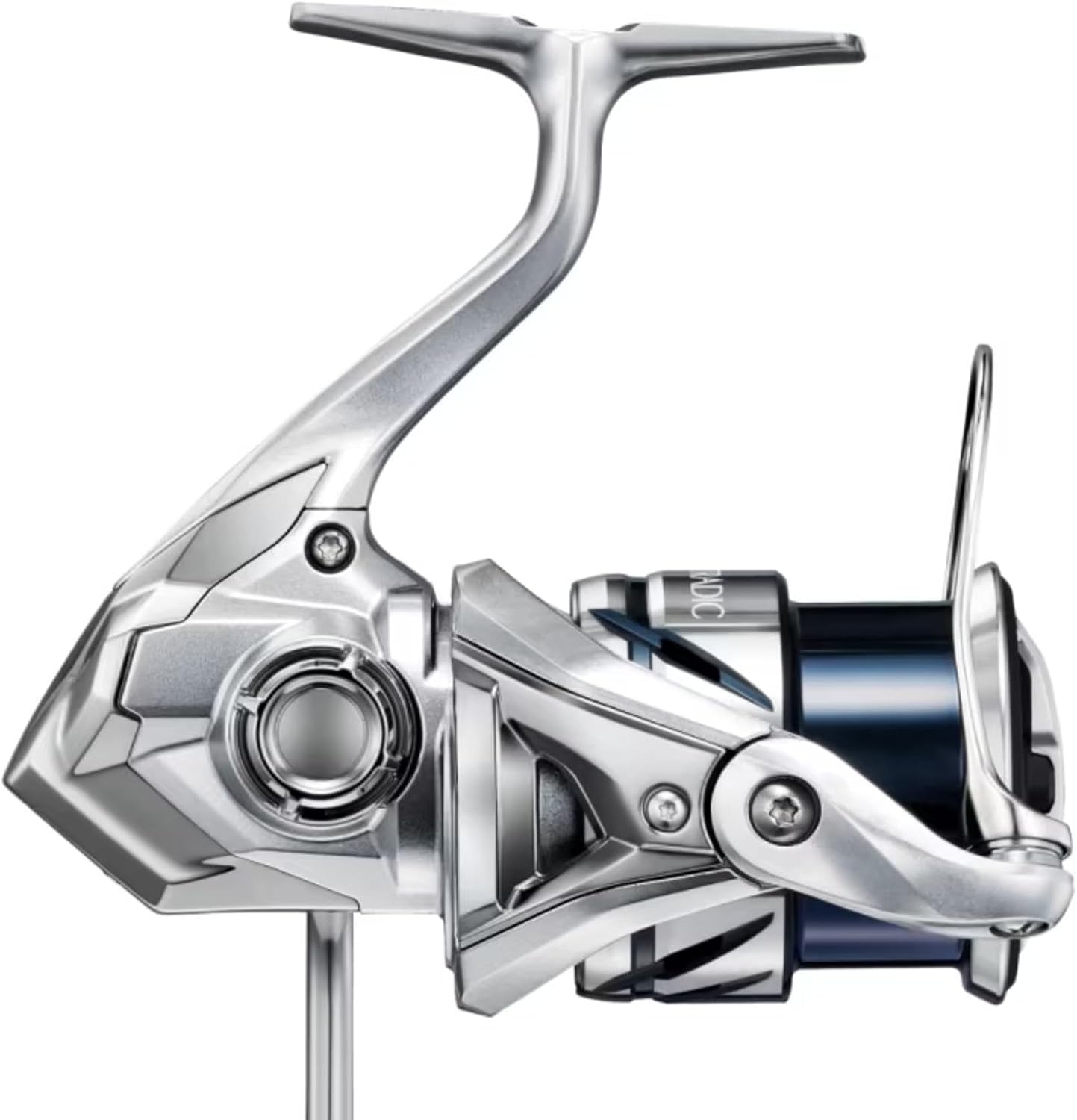
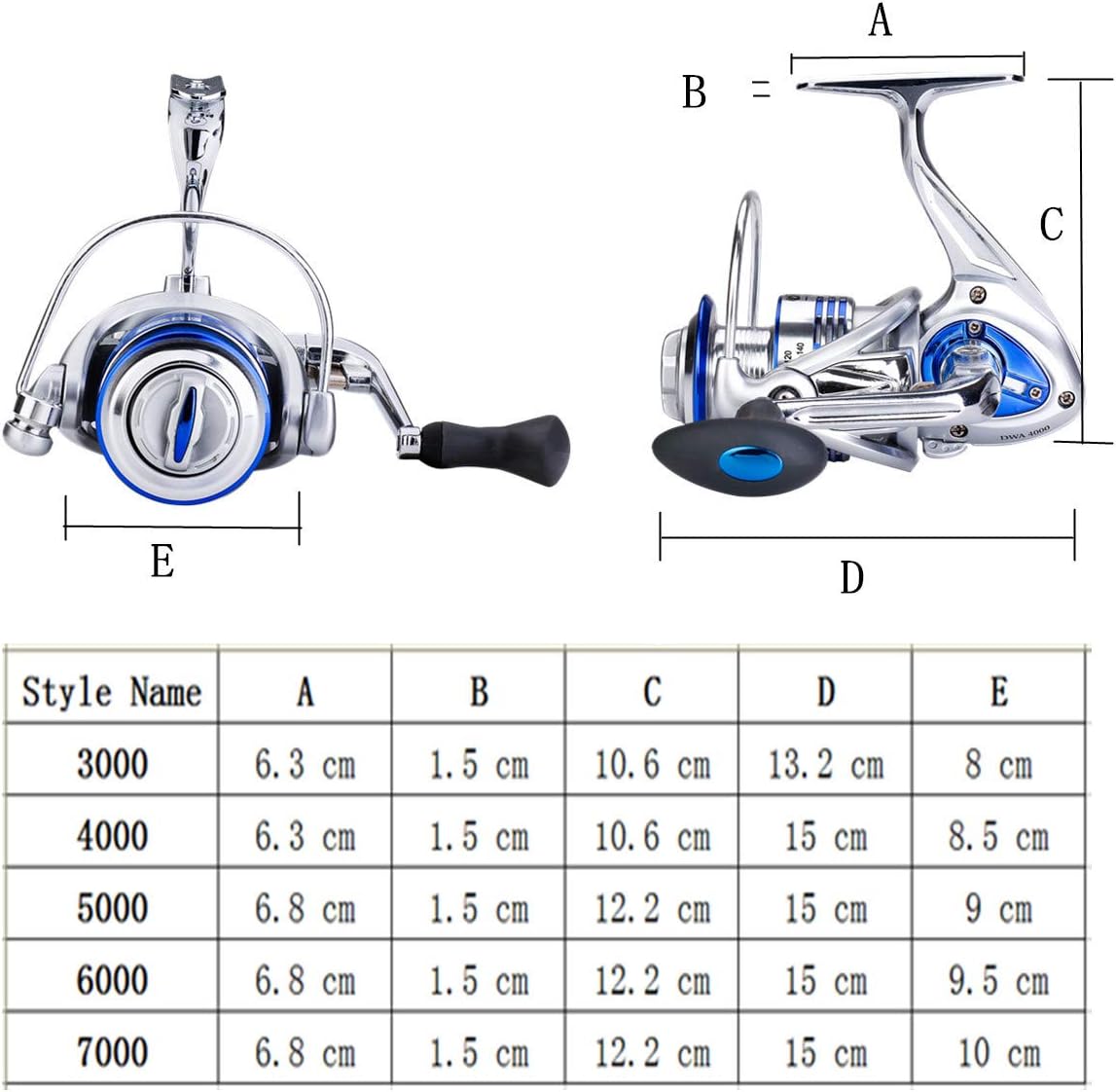
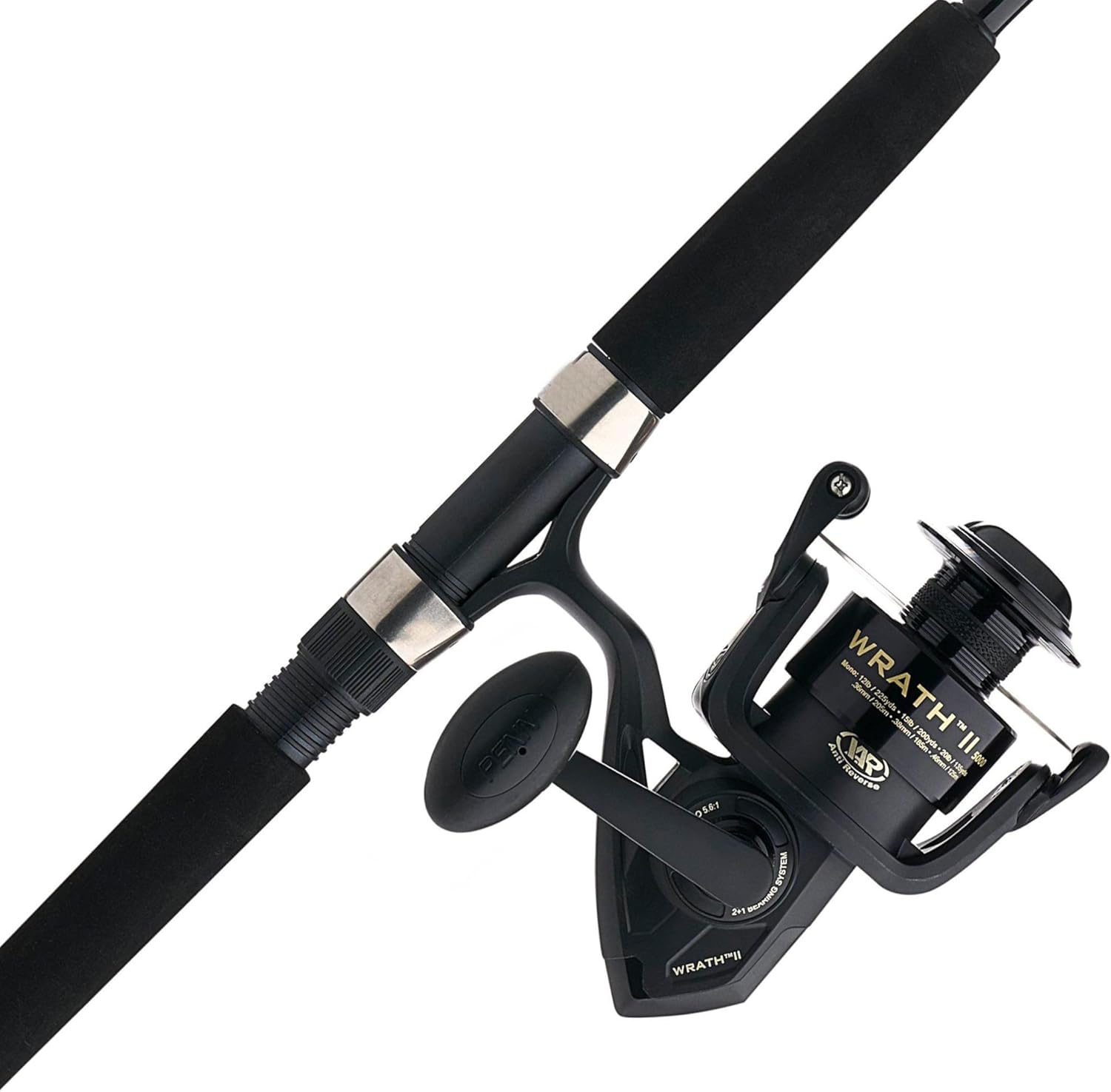
Key features that define the best spinning reels for freshwater use
Freshwater anglers looking for the best spinning reels should start with weight, balance, and line management. A light spinning reel paired with a responsive rod reduces fatigue during long sessions and keeps your wrist relaxed when working subtle presentations. When the reel and rod balance at the reel seat, casting accuracy improves and your spinning fishing techniques feel more controlled.
On modern freshwater spinning reels, the gear ratio dictates how quickly you pick up slack and control lures. A medium gear ratio around 5.0:1 to 6.2:1 suits most fishing situations, from slow rolling soft plastics to burning small spinners for active fish. Higher ratios feel fast but can sacrifice torque, while slower reels give more power for deep running crankbaits or heavy rigs.
Drag systems are equally important, even on smaller fishing reels aimed at trout or perch. A smooth drag system with consistent pressure prevents sudden line breaks when a fish surges near the net or dives under structure. Look for carbon fiber drag washers and sealed drag systems, which resist contamination and maintain performance over many seasons.
Materials define longevity, especially when reels see mixed freshwater and occasional saltwater fishing duty. Stainless steel main shafts, quality ball bearings, and rigid bodies reduce flex under load and keep the spinning reel running smooth. When you compare regular price versus sale price offers, always view the specification sheet carefully and use the quick view tools many retailers provide to check weight, drag rating, and bearing count.
For anglers targeting trout for the table, pairing a compact spinning reel with a light rod and fine line is ideal. You can explore detailed advice on top freshwater trout varieties for a delicious meal and then match your spinning reels to those environments. In every case, a well chosen fishing reel with a refined drag system will protect light leaders while still turning strong fish efficiently.
Saltwater spinning performance and corrosion resistant construction
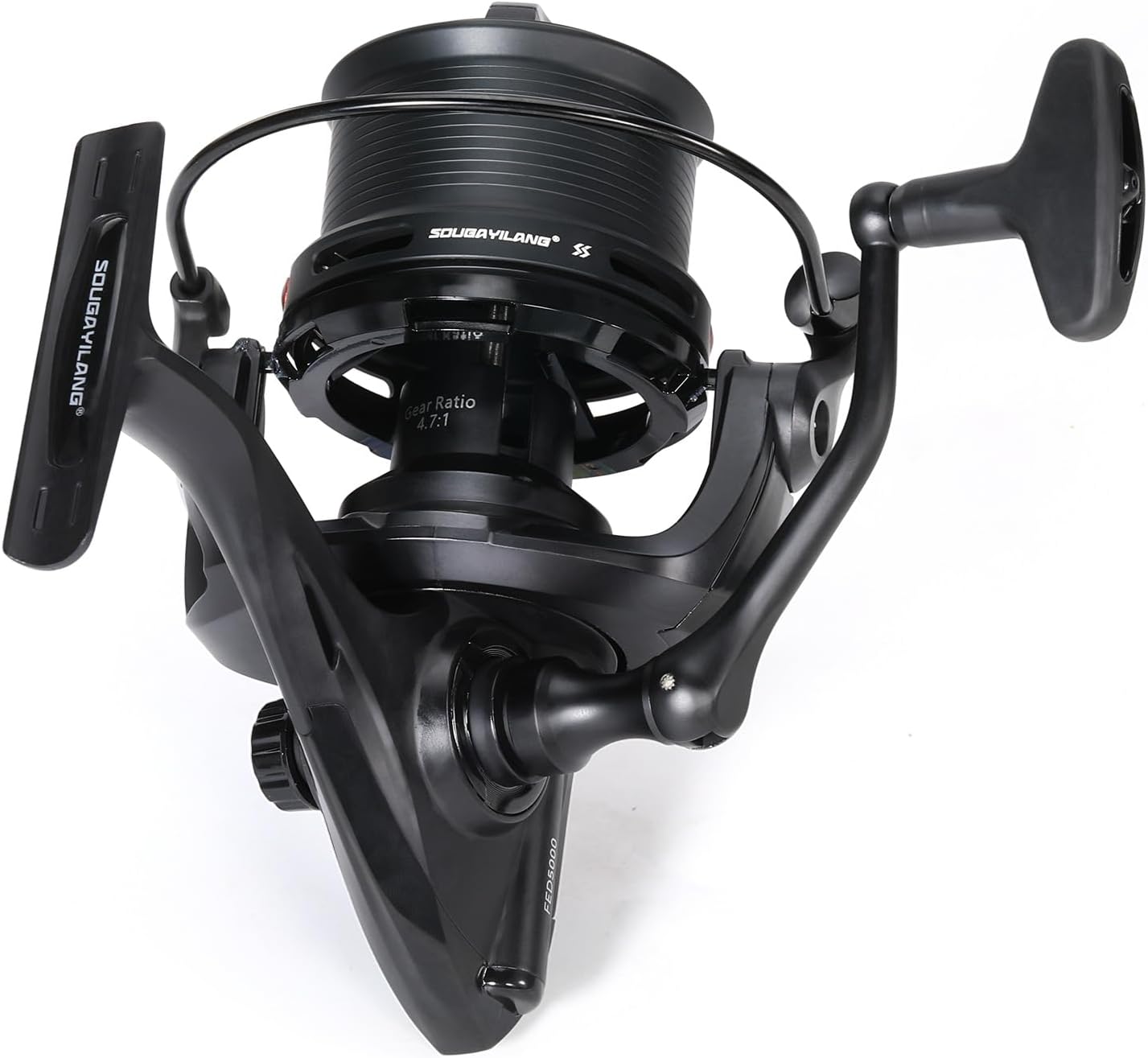
Saltwater spinning environments expose every spinning reel weakness, from poor sealing to weak drag systems. The best spinning reels for coastal and inshore work use robust stainless steel components, anodized finishes, and carbon fiber drag stacks to resist corrosion. When you fish surf, jetties, or estuaries regularly, a purpose built saltwater spinning reel quickly pays for itself in reliability.
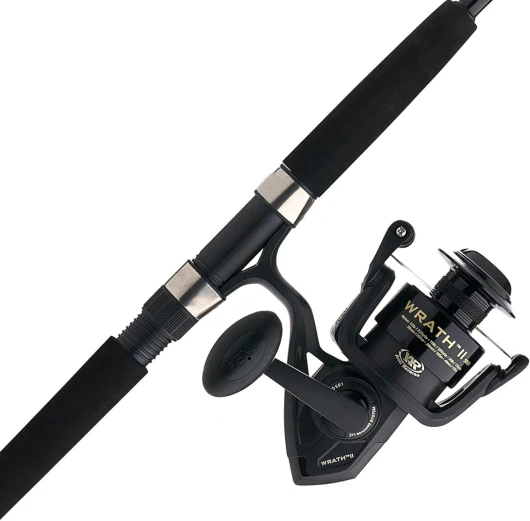
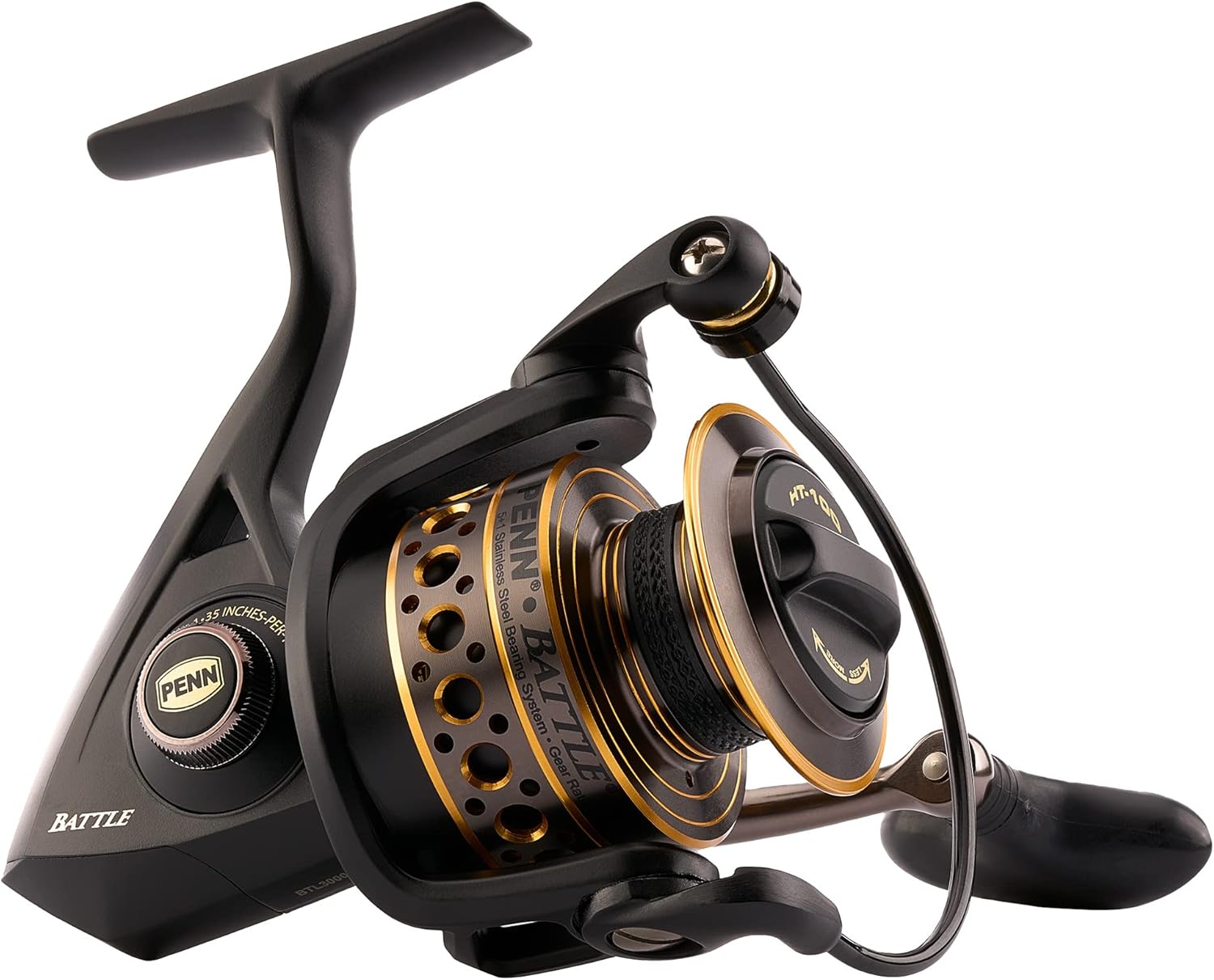
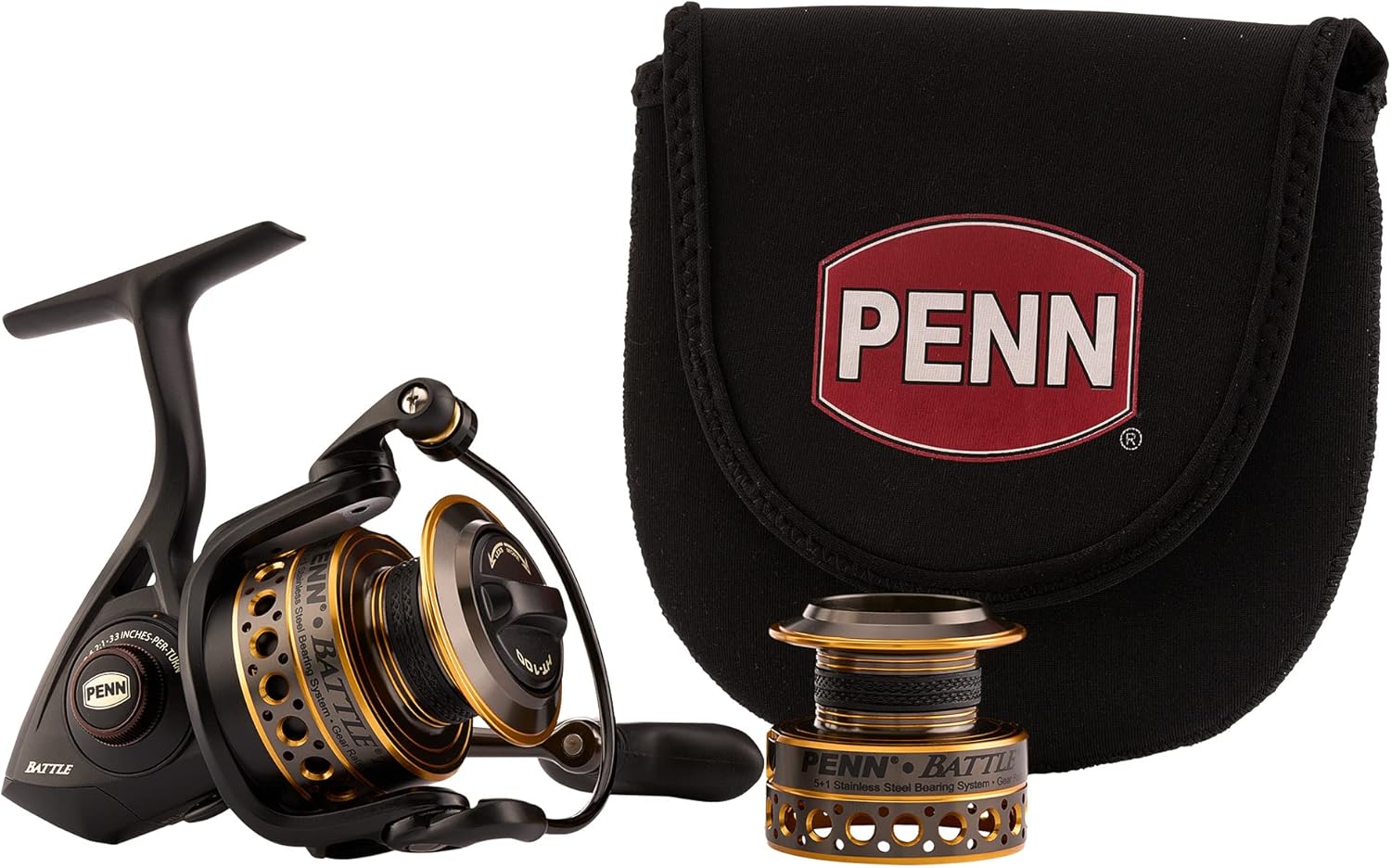
Brands like Penn and Shimano have long histories in saltwater fishing, and their saltwater spinning reels show that heritage. A Penn spinning reel often emphasizes raw drag performance and rugged frames, while a Shimano saltwater spinning reel may focus on ultra smooth gear meshes and refined line lay. Daiwa contributes with light but strong bodies that keep overall reel weight manageable for all day spinning fishing sessions.
At the premium end, Van Staal reels are almost a category of their own for hardcore surf anglers. A Van Staal spinning reel uses fully sealed bodies, stainless steel internals, and powerful drag systems designed to operate even when splashed or briefly submerged. Many recreational fishermen may view the price as high, but the long term performance and low maintenance appeal to those who fish rough coasts frequently.
When comparing saltwater fishing reels, always view the stated drag rating, gear ratio, and ball bearings count together. A smooth drag system with enough maximum pressure allows you to fish braided lines confidently around rocks, while a suitable gear ratio helps control fast running fish in current. Use quick view tools on retailer sites to compare regular price and sale price offers, but prioritize build quality over short term savings.
For anglers who split time between coastal species and inland predators like bass, a versatile saltwater spinning reel can serve double duty. You can read more about exploring bass fishing at High Rock Lake in late summer and then choose spinning reels that handle both environments. In every case, rinse your fishing reel after saltwater fishing and check drag systems regularly to maintain smooth performance.
Balancing price, value, and real world performance in spinning reels
Recreational anglers often face a crowded market where spinning reels range from budget to ultra premium. The best spinning reels are not always the most expensive, but they deliver consistent performance, durable drag systems, and reliable line management at a fair price. To judge value, compare regular price against sale price while also considering long term maintenance and potential replacement costs.
Entry level spinning reels can serve occasional fishing trips, yet they may lack the smooth drag and refined gear feel needed for demanding conditions. Mid range spinning reel models from Shimano, Daiwa, and Penn often hit the sweet spot for recreational fishing, combining light weight, solid stainless steel components, and carbon fiber drag stacks. When reels sale events appear, these mid tier fishing reels can become exceptional bargains if you track specifications carefully.
High end options like Van Staal spinning reels or flagship Shimano saltwater spinning models justify their price through extreme durability. Their sealed drag systems, precision machined gears, and corrosion resistant bodies withstand years of saltwater fishing abuse with minimal servicing. For anglers who fish weekly and chase powerful fish, the long term cost per season can actually be lower than repeatedly replacing cheaper spinning reels.
When evaluating any spinning reel, pay attention to the number and quality of ball bearings, not just the headline count. Well placed stainless steel bearings in key load points create a smooth retrieve and stable rotor under pressure, even with fewer total bearings. Reviews Shimano owners share, along with feedback from Daiwa and Penn users, provide valuable insight into how reels perform after several seasons.
There remains no specific category tailored specifically for recreational fishermen, so you must interpret marketing claims through your own fishing lens. Use quick view tools to compare gear ratio, drag rating, and weight across multiple spinning reels before committing. Over time, you will recognize which fishing reel features genuinely improve your experience and which are simply cosmetic or redundant.
Matching spinning reels, rods, and line to target species
The best spinning reels only reach their potential when matched correctly with rods and line. A light spinning reel on an overly stiff rod feels unbalanced, while a heavy saltwater spinning reel can overpower a delicate freshwater blank. Aim for a harmonious spinning fishing setup where reel weight, rod power, and line diameter complement each other.
For light lure work targeting perch, trout, or panfish, choose compact spinning reels with modest drag systems and fine braid or monofilament. A smooth drag system is still essential, because even small fish can break light leaders if the drag sticks at the start of a run. Carbon fiber drag washers and quality stainless steel components help maintain that smoothness over many outings.
When targeting larger predators or mixed species, step up to medium or heavy spinning reels with stronger drag systems. A higher maximum drag allows you to pressure fish away from structure, while an appropriate gear ratio helps control fast runs without exhausting your wrist. In these scenarios, ball bearings quality and rotor stability become critical for keeping the fishing reel smooth under heavy loads.
Offshore or surf anglers who pursue powerful saltwater fishing targets need robust saltwater spinning reels with sealed bodies. Penn, Shimano, Daiwa, and Van Staal all offer spinning reels designed for this level of punishment, often using stainless steel main shafts and carbon fiber drag stacks. Here, the price reflects not only materials but also the engineering required to keep drag systems consistent under extreme heat and pressure.
To refine your species specific strategy, it helps to study how different fish fight and feed. Articles such as this guide to top fish species to catch on Kodiak Island for recreational anglers illustrate how varied saltwater fishing demands can be. Use that knowledge to select spinning reels and fishing reels that align with your most frequent targets, rather than chasing every reels sale you see.
How to interpret specifications, reviews, and retailer quick view tools
Specification sheets and retailer quick view panels can feel overwhelming when comparing the best spinning reels. Focus first on core metrics such as gear ratio, maximum drag, reel weight, and ball bearings count, because these directly affect fishing performance. A balanced combination of these factors usually matters more than any single headline number.
Gear ratio tells you how many times the rotor turns per handle revolution, influencing lure speed and line pickup. Faster spinning reels help when chasing active fish or working topwater lures, while slower reels offer more torque for deep presentations. Recreational anglers should choose a spinning reel gear ratio that matches their most common techniques rather than extreme specialist values.
Drag systems deserve close attention, especially for saltwater spinning and heavy freshwater applications. Look for mentions of carbon fiber drag washers, sealed drag systems, and stainless steel hardware, all of which indicate durability and smoothness. A smooth drag system that starts easily at low settings protects light leaders, while a strong upper range controls powerful fish near structure.
User feedback, including detailed reviews Shimano owners write, can reveal long term strengths and weaknesses. Pay attention to comments about spinning reel smoothness after several seasons, corrosion resistance in saltwater fishing, and how well the reel balances on different rods. Cross reference these experiences with your own priorities, whether that is light weight, raw power, or minimal maintenance.
Retailer tools that show regular price and sale price side by side help you judge timing. During major reels sale events, you may find premium fishing reels at mid range budgets, but only if you already understand the specifications. By combining objective data, real world reviews, and your own fishing goals, you can confidently select spinning reels that earn a permanent place in your gear rotation.
Care, maintenance, and long term reliability of spinning reels
Even the best spinning reels require basic care to maintain smooth performance and reliable drag systems. After each saltwater fishing trip, gently rinse your spinning reel with fresh water, avoiding high pressure that can push salt into seals. Allow the reel to dry fully before storage, and periodically check for grit around the bail, line roller, and handle.
Light lubrication of key points, such as the line roller and handle knobs, keeps spinning reels operating smoothly. Use reel specific oils and greases compatible with stainless steel and carbon fiber components, following manufacturer guidelines carefully. Over lubricating can attract dirt, so apply small amounts and wipe away excess to protect your fishing reel.
For reels that see heavy use, occasional professional servicing helps preserve gear meshes and drag systems. Technicians can inspect ball bearings, replace worn drag washers, and ensure the spinning reel body remains aligned under load. This is particularly important for high end saltwater spinning reels and Van Staal models, where long term performance justifies the service cost.
Store your spinning reels loosely backed off from maximum drag to prevent compressing drag washers. Keeping the drag system relaxed between trips extends the life of both carbon fiber and felt stacks, maintaining smooth startup. When you next tighten the drag before fishing, it will respond predictably instead of feeling jerky or inconsistent.
Because there is still no specific category tailored specifically for recreational fishermen, maintenance advice often targets professionals yet applies equally to weekend anglers. By treating your spinning reels with the same respect, you protect your investment and ensure every fishing session starts with confidence. Over time, a well maintained spinning reel becomes a trusted partner that quietly enhances your enjoyment on the water.
Key statistics about spinning reels and recreational fishing
- Global demand for spinning reels and other fishing reels has grown steadily alongside recreational fishing participation.
- Mid range spinning reel segments show strong sales, reflecting a focus on value and performance rather than only low price.
- Saltwater spinning categories continue to expand as more anglers explore coastal and travel fishing opportunities.
- Carbon fiber drag systems and stainless steel components are now standard features on many best spinning reels models.