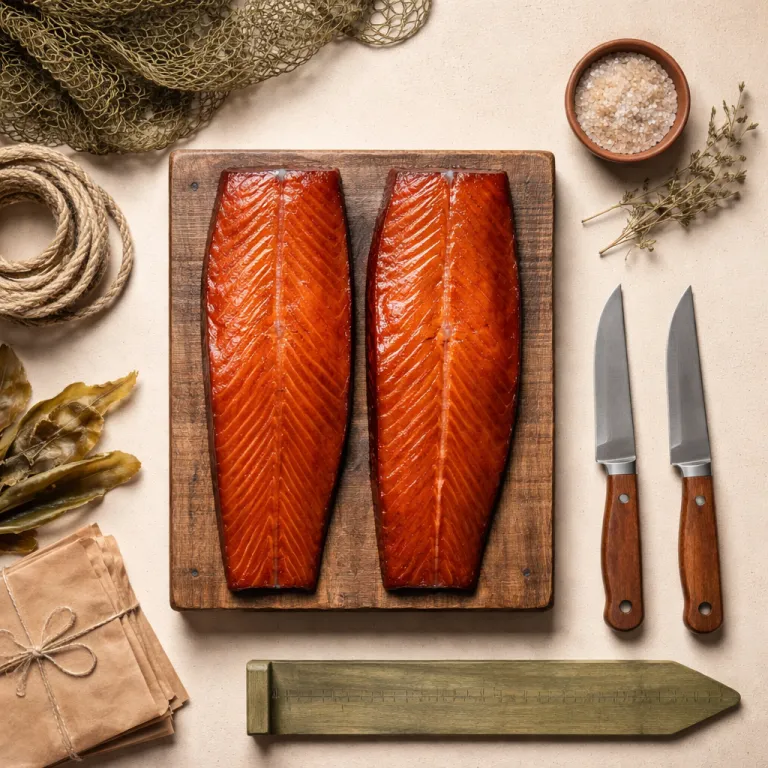
California salmon fishing 2026: season reopening after three years of closure
For context, commercial ocean salmon fishing was fully closed off California and most of Oregon in both 2023 and 2024, and recreational salmon fishing in the ocean south of Cape Falcon saw only a few short emergency openings rather than a traditional season.1 The Pacific Fishery Management Council (PFMC) relied on preseason report data showing some Sacramento River fall Chinook forecasts dipping below 170,000 adults and Klamath River fall Chinook projected near or under their conservation floors, which forced the management council to act hard and fast.1 Those same council biologists now say the river fall components of several Chinook stocks show modest improvement, but the overall salmon fishery remains fragile and will need conservative management for at least three years to avoid sliding backward.2
The economic toll on coastal towns has been brutal, and you can see it walking past the slips at Fisherman’s Wharf in San Francisco where charter boat skippers burned savings instead of diesel. PFMC economic summaries estimate tens of millions of dollars in lost personal income and business revenue tied to the 2023–2024 closures alone, with California ports bearing the bulk of that hit.1 Tackle shops that once sold baits, spoons, and hoochies by the kilo shifted to rockfish and crab gear, while some commercial salmon captains sold their boats or left the state entirely. As one veteran skipper from Half Moon Bay put it in a PFMC hearing, “We can live with tight seasons, but we can’t survive another full shutdown.” When you talk with them on the riverbanks of the Sacramento or the Feather, the message is blunt: this year’s ocean salmon reopening is welcome, but nobody who lived through the closure wants to repeat it.
What the new salmon season allows and where to fish
Quick-reference 2026 ocean salmon season overview
| Zone | Approx. dates | Target species | Daily bag / size |
|---|---|---|---|
| South of Pigeon Point | Early spring–late summer (staggered) | Chinook only | 2 fish per angler; CDFW minimum size applies |
| Pigeon Point to Point Arena | Shorter windows in spring and summer | Chinook only | 2 fish; tighter minimum size limits |
| Point Arena to Cape Falcon | Limited openings based on in‑season data | Chinook only | 2 fish; conservative size and gear rules |
The headline change for California salmon fishing 2026 is that the recreational ocean salmon season south of Pigeon Point opened in early spring, with defined dates, zones, and a strict daily limit on Chinook. South of that point, anglers can target Chinook salmon in ocean salmon waters with a two‑fish‑per‑person bag, while Coho remain fully protected and must be released immediately under California Department of Fish and Wildlife (CDFW) regulations.2 North of Pigeon Point toward Point Arena and up to Cape Falcon, the Pacific Fishery Management Council set shorter windows and tighter minimum size limits, reflecting weaker stocks that still need every adult fish they can get back to the river fall spawning grounds.
On the water, that means your salmon fishing calendar will look like a patchwork of open and closed days, especially around March and late summer, so you need to read the latest state regulations before you trailer the boat. The preseason report from the fishery management agencies lays out projected abundance for each major river system, and those numbers drive how many open days the salmon fisheries receive in each zone. If the in‑season data show fewer fish than expected, the management council can and will pull back opportunities quickly, which is why serious anglers now treat regulation updates and CDFW notices as essential gear alongside rods, reels, and terminal tackle.
For practical planning, think in three bands of coast and match your approach to each point on the map. Around San Francisco and Fisherman’s Wharf, most charter boat captains will run west to the main shipping lanes or north toward Duxbury and Point Reyes, trolling baits like anchovy or herring behind flashers in 100 to 200 feet (30 to 60 meters) of water. Farther north near Point Arena and beyond toward Cape Falcon, smaller ports and fewer commercial fishing boats mean less pressure, but also fewer services, so you must bring spare fuel, safety gear, and a realistic weather eye if you want to fish those ocean salmon edges safely. Any map or chart you carry for this stretch should be clearly labeled with alt text such as “California salmon fishing 2026 zone map showing Pigeon Point, Point Arena, and Cape Falcon boundaries” so digital users can interpret it accurately.
Gear, ethics, and river bank tactics for a fragile fishery
For California salmon fishing 2026, the smartest money is on versatile gear that works both offshore and along riverbanks when the ocean closes. A 7.5‑ to 9‑foot (2.3 to 2.7 meter) medium‑heavy trolling rod paired with a quality levelwind reel spooled with 30‑ to 40‑pound (15 to 20 kilogram) braid lets you run baits behind a downrigger in the ocean, then swing spoons or plugs in the lower river when Chinook push upstream. On pressured water near urban stretches of the Sacramento or American, I have watched more fish come to anglers who quietly adjust leader length and hook size than to those who simply pound the same run all day.
Ethically, this salmon season is a stress test of whether recreational anglers can enjoy a reopened fishery without repeating the mistakes that helped close it. Keeping only what you will actually eat, respecting the daily limit on Chinook, and releasing any wild Coho or oversize fish with minimal air time are not optional niceties; they are the difference between a cautious recovery and another shutdown. On riverbanks, that also means staying off redds in the shallows, avoiding heavy wading through obvious spawning gravel, and giving space to tribal and scientific crews who are monitoring returning salmon in key state index reaches.
Product‑wise, I would rather see an angler buy one reliable boat net with soft rubber mesh and a quality set of barbless hooks than a pile of flashy lures that tear up every fish they touch. The Pacific fishery will only stay open if enough Chinook salmon and Coho salmon survive both commercial and recreational pressure to rebuild age classes over the next three years, and that starts with how each of us handles a single fish at the water’s edge. In the end, the real test of this California salmon fishing 2026 moment will be written not in the preseason report or the management council minutes, but in how many bright adults roll past your favorite riverbank point on a cold, windy morning when nobody is there to count them.
Key statistics for the new California salmon season
- Commercial ocean salmon fishing in California was fully closed for the 2023 and 2024 seasons, with only a few tightly controlled recreational open days in between before the broader reopening in 2026; PFMC summaries estimate more than 30,000 lost commercial salmon trips coastwide during that period.1
- The reopened recreational ocean salmon season south of Pigeon Point now operates with a two‑fish daily bag limit for Chinook salmon, while Coho salmon remain fully protected and must be released immediately under CDFW rules, which also specify minimum size limits and barbless hook requirements in many areas.2
- Management bodies project that several key river fall Chinook stocks will require at least three years of conservative harvest to rebuild age structure and spawning escapement to target levels, based on PFMC preseason abundance estimates that put some Sacramento River fall Chinook components only slightly above 200,000 adults in 2026.2
- Economic assessments from coastal ports such as San Francisco and Point Arena report multimillion‑dollar revenue losses tied directly to the closure of salmon fisheries and related commercial fishing activity, including charter operations, marinas, and tourism services; one PFMC economic review pegged combined California personal income losses from the 2023–2024 shutdown at well over $50 million.1
Questions anglers also ask about the new salmon fishery
How did drought and warm water contribute to the salmon collapse ?
Extended drought reduced river flows, raised temperatures, and shrank cold‑water refuges that juvenile salmon need to survive their first months, while warm ocean conditions cut the quality of plankton and baitfish that feed them offshore. Together, those stressors lowered survival in both freshwater and the ocean, so fewer Chinook and Coho returned as adults to spawn. When the preseason report numbers dropped below conservation thresholds for river fall runs like the Sacramento and Klamath, managers had little choice but to close the fishery.
Why are coho salmon still fully protected when chinook fishing is allowed ?
Coho salmon runs in California are far weaker and more fragmented than most Chinook stocks, with many populations listed under endangered species protections. Even limited targeted fishing for Coho would risk accidental overharvest, especially in mixed‑stock ocean salmon areas where both species travel together. Allowing only Chinook retention while requiring immediate Coho release lets some fishing opportunity continue without pushing Coho closer to local extinction.
What should recreational anglers watch in future management council decisions ?
Serious anglers should track Pacific Fishery Management Council meetings, preseason report updates, and in‑season abundance estimates for major river fall runs like the Sacramento and Klamath. Those data points drive decisions on how long each salmon season stays open, how many days specific zones receive, and whether emergency closures are needed. When you understand those numbers, you can plan trips better and also argue more credibly for conservation measures that keep the fishery alive.
How can river bank anglers reduce their impact during sensitive periods ?
On riverbanks, the biggest wins come from staying off visible redds, avoiding heavy wading in shallow spawning gravel, and using gear that minimizes injury such as barbless hooks and rubber nets. Fishing deeper holding water rather than sight‑casting to paired fish on beds protects the next generation of salmon while still offering good sport. If flows are low and temperatures high, consider fishing early and quitting once water warms, because stressed fish handle catch‑and‑release poorly.
Are charter boats still a responsible option in a recovering fishery ?
Well‑run charter operations that respect bag limits, release rules, and current regulations can actually concentrate effort into fewer, more efficient trips, which may reduce overall pressure compared with many small private boats. Look for captains who talk openly about conservation, explain why Coho must be released, and adjust tactics when in‑season data show weaker than expected returns. Supporting those outfits helps keep coastal economies afloat while rewarding the kind of fishery‑management‑minded behavior that gives this salmon season a chance to succeed.