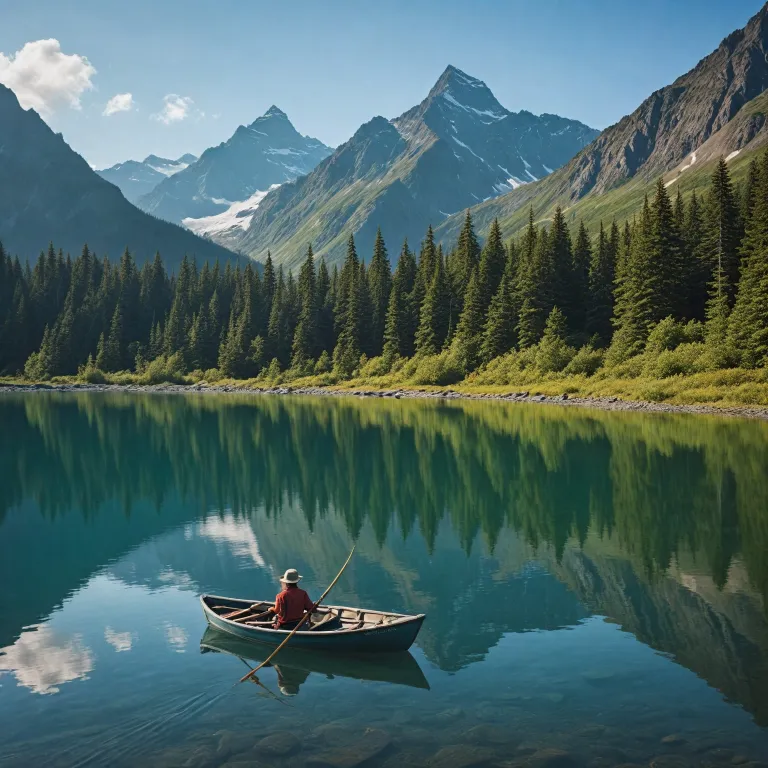

Understanding the unique fish habitats in Alaska
Alaska’s Vast and Varied Aquatic Environments
Alaska stands out as a dream destination for recreational anglers, thanks to its incredible range of fish habitats. From the icy waters of the Arctic north to the lush, temperate rainforests near Sitka, the state offers an impressive diversity of environments. Rivers, lakes, coastal estuaries, and deep ocean waters each support unique fish species, making Alaska fishing an ever-changing adventure.
Inland, you’ll find crystal-clear lakes and fast-moving streams teeming with lake trout, rainbow trout, and the elusive arctic char. The northern pike and arctic grayling are also common in these freshwater systems, offering exciting challenges for anglers who enjoy exploring remote locations. The rivers, especially during spawning runs, are famous for their salmon—king salmon, sockeye salmon, coho salmon, chum salmon (also called dog salmon), and the vibrant red salmon sockeye.
Heading toward the coast, the waters near Sitka and other Alaskan towns open up opportunities to catch halibut, pacific cod, and sand lance, alongside the well-known salmon species. The ocean’s depth and currents create perfect conditions for large, powerful fish like halibut, making these areas top spots for those seeking a trophy catch.
- Freshwater habitats: Rivers, lakes, and streams with species like arctic char, dolly varden, lake trout, and rainbow trout.
- Coastal and marine environments: Home to halibut, pacific salmon, and sand lance, as well as unique species like varden arctic and dog salmon.
- Remote wilderness: Untouched areas where anglers can discover less common alaskan fish and enjoy solitude.
Understanding these habitats is essential for choosing the right gear and techniques, as well as for respecting the delicate balance of Alaska’s ecosystems. For those new to the region or looking to maximize their experience, working with local fishing guides can be invaluable. These experts know the best spots for each fish species and can help anglers navigate the unique challenges of Alaska’s diverse waters.
Popular species of fish in Alaska sought by recreational anglers
Alaska’s Most Sought-After Fish for Anglers
Alaska is a dream destination for recreational anglers, offering a remarkable variety of fish species in its pristine waters. From the icy rivers of the north to the coastal waters around Sitka, each region brings its own unique fishing opportunities. Here’s a look at some of the top fish species that draw anglers from around the world.
- Salmon: Alaska is famous for its salmon runs. The king salmon (Chinook) is the largest and often considered the top prize. Coho salmon (silver), sockeye salmon (red), chum salmon (dog), and pink salmon are also common targets. Each species has its own season and preferred habitats, making salmon fishing a year-round pursuit.
- Halibut: The Pacific halibut is a giant flatfish found in Alaskan coastal waters. These fish can grow to impressive sizes and are a favorite for those seeking a challenging catch and a delicious meal.
- Trout: Alaska’s rivers and lakes are home to several trout species. Rainbow trout are highly prized for their fight and beauty. Lake trout thrive in deeper, colder waters, while cutthroat trout and Dolly Varden (a type of char) are also popular among fly fishers.
- Arctic Char and Grayling: The arctic char is well adapted to Alaska’s cold, clear waters, especially in the north and remote regions. Arctic grayling, with their distinctive sail-like dorsal fins, are a favorite for anglers seeking a true wilderness experience.
- Northern Pike: Found mainly in the interior and western parts of Alaska, northern pike are aggressive predators and provide exciting action for those who target them.
- Other Notable Species: Sand lance may not be a primary target, but they play a crucial role in the food chain, supporting larger fish populations. The diversity of Alaskan fish species ensures there’s always something new to discover.
Each region, from Sitka’s saltwater to the arctic rivers, offers different challenges and rewards. Anglers often plan their trips around the seasonal runs and migrations of these fish, making timing and location key factors for success. For those interested in maximizing their time on the water, exploring why sunset fishing offers unique opportunities for recreational anglers can add another dimension to the Alaskan fishing experience.
Understanding the habits and habitats of these species is essential for a successful trip. Whether you’re after the legendary king salmon or the elusive arctic char, Alaska’s waters promise unforgettable moments for every angler.
Essential fishing gear for Alaska’s diverse fish species
Choosing the Right Gear for Alaska’s Waters
Alaska’s vast and varied waters—from the icy streams of the Arctic north to the deep Pacific near Sitka—demand specialized fishing gear. The right equipment can make the difference when targeting top species like king salmon, halibut, or arctic char. Each fish species, whether it’s the powerful northern pike or the elusive rainbow trout, has unique habits and habitats that influence gear selection.
- Rods and Reels: For salmon fishing, especially when going after king salmon or sockeye salmon, medium-heavy rods paired with high-capacity reels are essential. Halibut and other large Alaskan fish require stout rods and reels with strong drag systems.
- Line and Leaders: Braided lines are common for their strength and sensitivity, especially when fishing for species like halibut or dog salmon. Fluorocarbon leaders help when targeting wary trout or arctic grayling in clear waters.
- Lures and Baits: Spinners, spoons, and jigs are popular choices for coho salmon, chum salmon, and dolly varden. For lake trout and arctic char, consider using live bait or soft plastics that mimic sand lance or other local prey.
- Terminal Tackle: Don’t forget strong hooks and swivels, especially when fishing for big fish like salmon halibut or pacific halibut. The right terminal tackle helps prevent lost catches in Alaska’s challenging conditions.
- Protective Clothing: Weather in Alaska can change quickly. Waterproof waders, insulated jackets, and gloves are must-haves for anglers, whether you’re fishing the rivers near George Point or the lakes of the interior.
Adapting to Local Conditions
Alaskan fish habitats are as diverse as the species themselves. In the north, targeting arctic grayling or varden arctic may require lighter gear and stealthy approaches. Meanwhile, in the waters around Sitka, heavier setups are needed for pacific halibut or red salmon. Always consider the local environment and the fish you’re after when packing your gear.
Innovative Accessories for the Alaskan Angler
Modern anglers benefit from a range of innovative products designed for Alaska’s unique challenges. Polarized sunglasses help spot fish in clear streams, while GPS-enabled fish finders are invaluable for locating schools of sockeye salmon or tracking down lake trout in remote areas. For those venturing into the wild, compact survival kits and waterproof storage solutions are essential.
For anglers looking to combine function and style, the Gulf of America hat offers sun protection and a nod to fishing culture, making it a popular choice among Alaskan fishermen.
Ultimately, the best fishing gear for Alaska is the gear that matches your target species, local conditions, and personal comfort. Preparation and the right equipment are key to enjoying the incredible diversity of Alaskan fish species, from dog salmon to arctic char.
Challenges of fishing in Alaska’s remote locations
Remote Waters and Rugged Terrain
Fishing in Alaska is a dream for many, but the state’s vast wilderness and remote locations present unique challenges. Many top fishing spots, such as those near Sitka or deep in the arctic north, are only accessible by floatplane or boat. This isolation means anglers need to plan carefully, especially when targeting prized species like king salmon, halibut, or arctic char. Weather can change quickly, and the terrain is often unforgiving, with dense forests, rocky shorelines, and swift rivers.
Logistics and Safety Considerations
Reaching areas rich in alaskan fish species like rainbow trout, northern pike, or sockeye salmon often requires long travel times and self-sufficiency. Anglers should be prepared for limited cell service, unpredictable weather, and encounters with wildlife. Packing the right gear is essential, not just for fishing but for safety and comfort. This includes satellite communication devices, bear spray, and layered clothing suitable for the arctic climate.
- Remote rivers and lakes are home to species such as lake trout, dolly varden, and arctic grayling, but getting there may involve hiking or boating for hours.
- Popular coastal areas for pacific halibut and dog salmon can be affected by tides and strong currents, requiring local knowledge and careful planning.
Species-Specific Challenges
Each fish species brings its own set of obstacles. For example, king salmon and coho salmon are powerful fighters, demanding strong tackle and patience. Chum salmon and sockeye salmon runs can be unpredictable, with timing varying from year to year. In the north, arctic char and varden arctic thrive in cold, clear waters that are often difficult to access. Even common species like sand lance or red salmon require specialized techniques and gear.
Weather and Environmental Factors
Alaska’s weather is notoriously unpredictable. Sudden storms, cold temperatures, and long daylight hours in summer all impact fishing conditions. Anglers targeting species like salmon halibut or dog salmon need to be ready for anything, from heavy rain to bright sun. The environment also demands respect—practicing ethical fishing and following regulations helps preserve these unique habitats for future generations.
Regulations and ethical practices for recreational fishing in Alaska
Staying Informed: Alaska’s Fishing Laws and Conservation Efforts
Alaska’s vast waters are home to a remarkable range of fish species, from the mighty king salmon and halibut to the elusive arctic char and northern pike. With such diversity, it’s no surprise that fishing regulations are both detailed and strictly enforced. Understanding these rules is essential for anyone hoping to enjoy Alaska fishing responsibly, whether you’re after sockeye salmon in the rivers near Sitka or chasing rainbow trout in the arctic north.
- Licensing: All recreational anglers must obtain a valid Alaska fishing license. Special permits are often required for species like king salmon or for fishing in certain protected areas.
- Bag and Possession Limits: Limits vary by species and location. For example, daily limits for coho salmon or dolly varden may differ from those for lake trout or chum salmon. Always check the latest regulations before heading out.
- Seasonal Restrictions: Many rivers and lakes have closed seasons to protect spawning fish, such as sockeye salmon and arctic grayling. These closures help maintain healthy fish populations for future generations.
- Gear Restrictions: Some areas restrict the type of gear you can use. For instance, single-hook lures may be required when targeting certain alaskan fish species to reduce injury and improve survival rates upon release.
Ethical Angling: Protecting Alaska’s Fish for the Future
Practicing ethical fishing is just as important as following the rules. With iconic species like red salmon, dog salmon, and sand lance facing pressure from both recreational and commercial fishing, anglers play a key role in conservation. Here are some top things to keep in mind:
- Catch and Release: When releasing fish such as arctic char or rainbow trout, use barbless hooks and handle fish gently to minimize stress and injury.
- Respect Sensitive Habitats: Avoid disturbing spawning grounds, especially for pacific salmon and varden arctic. Stay on established trails and use designated access points.
- Report Invasive Species: If you encounter non-native fish, report them to local authorities. This helps protect native alaskan fish and the delicate balance of Alaska’s aquatic ecosystems.
By staying informed and fishing responsibly, anglers help ensure that Alaska’s legendary fish species—from the prized king salmon to the common chum salmon—remain abundant for generations to come.
Innovative products designed for Alaska’s recreational fishermen
Smart Solutions for Harsh Alaskan Conditions
Alaska’s vast and rugged environment demands more from fishing gear than almost anywhere else. From the icy waters of the Arctic north to the rain-soaked coastlines near Sitka, anglers targeting species like king salmon, halibut, and arctic char need products that can handle extreme conditions. Recent years have seen a wave of innovative gear designed specifically for Alaska fishing, helping recreational anglers pursue everything from rainbow trout to dog salmon with greater success and safety.
Top Gear Innovations for Alaskan Fish Species
- Weatherproof Clothing: Layering systems and waterproof jackets built for the Alaskan climate help anglers stay dry and warm, whether fishing for sockeye salmon in the rain or casting for northern pike in chilly inland lakes.
- Heavy-Duty Rods and Reels: Specialized rods and reels are now engineered to handle the power of large fish species like halibut and king salmon. Look for corrosion-resistant materials that withstand saltwater and the abrasive sand lance habitats.
- Portable Fish Finders: Compact sonar devices have become more affordable and user-friendly. These tools help anglers locate schools of coho salmon, lake trout, or even elusive arctic grayling in remote waters.
- Multi-Species Tackle Kits: Kits tailored for Alaskan fish include lures and rigs effective for both common and less-targeted species, such as dolly varden, chum salmon, and pacific sand lance.
- Bear-Resistant Food Storage: Essential for those venturing into the wild, these containers keep food and bait safe from wildlife, a must-have when fishing remote points or overnight trips.
Adapting to Local Challenges
Many products are now designed with input from local guides and experienced anglers, ensuring they meet the unique demands of Alaska fishing. For example, quick-dry waders and insulated boots are tailored for long days in cold rivers chasing red salmon or arctic char. Meanwhile, collapsible nets and compact gear bags make it easier to travel light when exploring remote lakes for lake trout or northern pike.
Ethical and Sustainable Fishing Tools
With a growing emphasis on conservation, some of the most respected gear brands now offer barbless hooks and fish-friendly nets. These products help anglers practice ethical catch-and-release, especially important for maintaining healthy populations of Alaskan fish species like rainbow trout, salmon sockeye, and varden arctic.
Choosing the right gear not only improves your chances of landing top fish like king salmon or halibut but also ensures you’re prepared for the unpredictable conditions that make Alaska such a unique destination for recreational fishing.