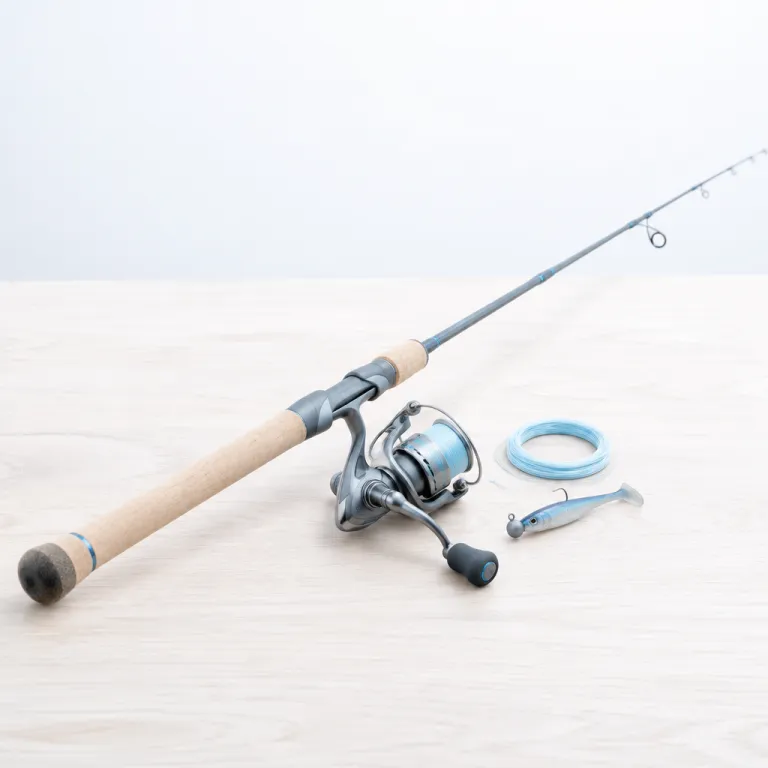

Defining the best inshore spinning rod for real coastal conditions
Choosing the best inshore spinning rod starts with understanding where and how you fish. A well matched inshore spinning setup must handle speckled trout on one cast and a surprise redfish or black drum on the next, without feeling clumsy or too heavy. When you balance the spinning rod, the spinning reel, the braid, and the fluorocarbon leader correctly, every hook set feels cleaner and every fish fight feels more controlled.
For most inshore fishing situations, a 7 to 8 foot rod rated for medium or medium heavy power with fast action covers the widest range of lures and live bait. That length gives you excellent casting distance with light tackle while still allowing precise lure control around docks, oyster bars, and grass edges where redfish, speckled trout, and flounder often feed. When anglers talk about the best inshore spinning rod, they usually mean a versatile rod and reel combination that can throw soft plastics, topwaters, and small jigs in shallow inshore saltwater without sacrificing sensitivity.
Think carefully about the typical fish you target and the structure you fish around before you look at any price tag. If you mainly chase speckled trout and flounder on open flats, a lighter spinning rod with a smaller size reel and thin braided line will feel crisp and effortless all day. If you regularly pull redfish and black drum from mangroves or rock piles while fishing inshore, you need a more powerful inshore spinning rod rated closer to medium heavy with a stronger braid and a tougher fluorocarbon leader.
Rod length, power, and action for inshore saltwater versatility
Length is the backbone of any inshore spinning rod, because it shapes casting distance and fish control. A 7 foot spinning rod offers tight accuracy for dock pilings and bridge shadows, while an 8 foot rod rated for medium power usually adds several crucial yards of reach when you need to bomb lures across wind blown flats. For many anglers seeking the best inshore spinning rod, a 7 foot 6 inch medium or medium heavy blank with fast action is the sweet spot between finesse and brute strength.
Power describes how much load the rod can handle, so medium power suits speckled trout and school size redfish, whereas medium heavy power is safer when black drum or larger redfish crash your lures. Fast action means the upper third of the rod bends most, which gives you crisp hook sets with braid and a fluorocarbon leader, yet still cushions head shakes from powerful fish in shallow saltwater. When a rod is clearly marked with a sensible lure weight range and line rating, you can match your braided main line and leader diameter precisely to the rod specifications.
Travel minded anglers who fish both piers and flats should consider a compact multi piece inshore spinning rod that still maintains a responsive action. A well engineered telescopic spinning rod such as the Shimano STC AX Mini Tele spinning travel rod shows how modern designs can keep a fast action and light feel in a portable format. Whether you choose a one piece or travel rod, always test how the blank recovers after a sharp shake, because a crisp recovery is a hallmark of the best inshore spinning rods for accurate lure presentation.
Matching reel, line, and leader to your inshore spinning rod
The finest rod in the world feels wrong if the spinning reel and line are mismatched in size or weight. For a typical medium power inshore spinning rod, a 2500 to 3000 size reel balances well with 8 to 15 pound braid and a 12 to 22 pound drag system, giving you enough stopping power for strong fish without adding unnecessary mass. When you step up to a medium heavy rod rated for heavier lures and larger redfish, a 3000 to 4000 size reel with 15 to 20 pound braid and a slightly heavier spool becomes more appropriate.
Braid is the standard choice for inshore saltwater because its thin diameter improves casting distance and sensitivity, especially when working light tackle and subtle lures over grass flats. Many anglers use 10 pound braid on lighter spinning rods for speckled trout and flounder, then switch to 20 pound braid on heavier rods when targeting black drum or bull redfish around structure. Always connect your braid to a fluorocarbon leader of 12 to 30 pound strength, since the leader resists abrasion from oyster shells and rocks while remaining less visible to pressured fish during clear water inshore fishing.
Ice anglers who already own a specialised inline reel such as the 13 Fishing Freefall XL inline reel sometimes ask whether they can repurpose it for inshore spinning. Inline designs excel for vertical ice presentations but do not balance correctly on a standard spinning rod, so a dedicated saltwater spinning reel remains the better choice for casting lures and live bait. When you assemble a balanced rod and reel setup with the right size reel, braided line, and leader, the entire system feels lighter in hand and responds instantly when a fish hits.
Lure styles, live bait, and terminal tackle for coastal species
The best inshore spinning rod must work seamlessly with the lures and live bait you actually throw, not just what the catalogue suggests. Soft plastic paddletails on 1/4 to 1/2 ounce jig heads are staples for speckled trout, flounder, and slot redfish, and they cast beautifully on a medium power spinning rod with fast action. When you step up to heavier topwaters or larger jerkbaits for aggressive redfish, a medium heavy inshore spinning rod rated for slightly heavier lures keeps your casting distance and hook setting power consistent.
Terminal tackle choices matter as much as the rod, especially when fishing inshore around oysters, rocks, and docks. Use strong but thin wire hooks matched to your lures and bait size, and pair them with a fluorocarbon leader that is long enough to protect against abrasion but short enough to cast smoothly through the guides. Many experienced anglers run 2 to 3 feet of leader between the braid and the lure, which allows the knot to stay outside the tip of the spinning rod during the cast for maximum control.
Hard baits such as glide baits and jointed swimmers can be deadly on pressured fish when worked slowly along drop offs and channel edges. A detailed test of modern glide bait designs, such as the one presented for the Swimshad glide baits, shows how a balanced spinning setup helps maintain a steady cadence and lifelike action. Whether you throw soft plastics, hard lures, or live bait, the right inshore spinning rod and tackle combination lets you adapt quickly when fish change depth, mood, or feeding zones.
Species specific setups for redfish, trout, flounder, and black drum
Redfish demand a robust inshore spinning setup because they often feed tight to structure and pull hard for their size. A medium heavy spinning rod rated for 10 to 20 pound braid with fast action gives you the backbone to steer fish away from barnacle covered pilings while still casting lures accurately into narrow pockets. Pair this rod with a 3000 or 4000 size reel, 15 to 20 pound braid, and a 25 to 30 pound fluorocarbon leader when you expect larger redfish or black drum in the same area.
Speckled trout and flounder usually prefer a more delicate presentation, especially in clear inshore saltwater where they inspect lures closely. A lighter medium power spinning rod with a 2500 size reel, 8 to 10 pound braid, and a 12 to 17 pound leader allows subtle twitches and long casts with small soft plastics or suspending hard baits. This lighter rod and reel combination still has enough action to drive the hook home, but it cushions the fight so these fish stay pinned even when they shake violently near the surface.
Black drum often feed on crustaceans and molluscs near the bottom, so many anglers present live bait or scented soft baits on heavier tackle. In this case, a medium heavy inshore spinning rod with a slightly slower but still responsive fast action helps lift fish away from snags while maintaining sensitivity to gentle bites. When you tailor each spinning rod and reel to a specific species group, you build a compact but highly effective inshore fishing arsenal that covers everything from light tackle finesse to serious power.
Evaluating value, durability, and real world performance
Price should never be the only factor when you choose the best inshore spinning rod, but it does influence long term satisfaction. Entry level spinning rods can perform surprisingly well for casual fishing inshore, yet they often use cheaper guides and finishes that corrode faster in harsh saltwater environments. Mid range rods usually offer a better balance of sensitivity, durable components, and reasonable price, which makes them ideal for anglers who fish inshore saltwater several times each month.
Durability depends heavily on guide quality, reel seat construction, and the resin system used in the blank, not just on the label that says medium or medium heavy. Look for corrosion resistant guides, secure reel seats that hold your spinning reel firmly, and a clean finish without bubbles or excess epoxy around the wraps. When a rod rated for a certain line class consistently handles heavier braided line and larger fish without flat spots or cracks, that is a strong indicator of real world strength.
Performance on the water ultimately defines the best inshore spinning rod for your style, because laboratory specifications cannot capture every nuance of casting distance, balance, and feel. Test how the rod loads with your usual lures, how quickly the tip recovers after a cast, and how the handle fits your grip during long sessions of inshore fishing. Over time, you will notice that a well chosen inshore spinning rod and reel setup makes every trip more efficient, more comfortable, and more productive across a wide range of coastal conditions.
Key figures about inshore spinning tackle performance
- State coastal angler surveys in the United States report that more than 70% of inshore fishing trips target mixed species such as redfish, speckled trout, flounder, and black drum, which supports the need for versatile medium and medium heavy spinning rods (for example, summaries published by Gulf state marine fisheries agencies; figures are rounded estimates based on publicly available reports).
- Field testing by major tackle manufacturers, reported in trade publications and product white papers, indicates that switching from monofilament to braid of the same breaking strength can increase casting distance by roughly 10 to 20%, especially on spinning setups with fast action rods between 7 and 8 feet in length (these ranges are typical results rather than strict laboratory constants).
- Consumer sales data shared in retailer reports and industry overviews consistently rank 2500 and 3000 size spinning reels as the most purchased sizes for inshore saltwater, accounting for roughly 60% of sales in the light tackle category (aggregated figures vary slightly by retailer and season).
- Laboratory corrosion tests on rod guides, summarised in manufacturer technical sheets, show that stainless steel frames with quality coatings can last up to three times longer than uncoated mild steel when exposed to repeated saltwater spray and poor rinsing habits (results depend on the specific alloy and coating system used).
- Angler surveys and tackle shop feedback indicate that replacing factory leaders with properly sized fluorocarbon leaders can increase strike rates by 15 to 25% in clear water conditions, particularly when targeting wary speckled trout and heavily pressured redfish (these percentages should be viewed as practical field observations rather than controlled scientific measurements).
FAQ about choosing the best inshore spinning rod
What length spinning rod works best for general inshore fishing ?
For most inshore saltwater situations, a spinning rod between 7 and 8 feet offers the best balance of casting distance, accuracy, and fish control. Shorter rods around 7 feet excel around docks and tight structure, while longer rods closer to 8 feet help you reach schooling fish on open flats. Many experienced anglers settle on a 7 foot 6 inch medium power rod as their primary inshore spinning choice.
Should I choose medium or medium heavy power for redfish and trout ?
A medium power spinning rod is ideal when you mainly target speckled trout and smaller redfish with light lures and braid. If you regularly hook larger redfish or black drum near structure, a medium heavy rod rated for stronger line and heavier lures provides extra lifting power. Some anglers carry both powers so they can switch quickly as conditions and target species change.
What size reel pairs best with an inshore spinning rod ?
Most medium power inshore spinning rods balance well with a 2500 or 3000 size reel spooled with 8 to 15 pound braid. When you move to a medium heavy rod and heavier lures, a 3000 or 4000 size reel with 15 to 20 pound braid offers more line capacity and drag strength. Always mount the reel on the rod before buying to check that the balance point sits comfortably near the front of the handle.
Why is braid with a fluorocarbon leader recommended for inshore saltwater ?
Braid provides thin diameter, low stretch, and excellent sensitivity, which helps you feel subtle bites and work lures precisely. A fluorocarbon leader adds abrasion resistance against oysters and rocks while remaining less visible to wary fish in clear water. This combination has become the standard for modern inshore spinning setups targeting redfish, trout, flounder, and black drum.
How much should I spend on an inshore spinning rod and reel setup ?
Anglers who fish only a few times each season can start with a budget friendly spinning rod and reel combo in the lower price range, focusing on corrosion resistant components. Regular inshore fishermen usually benefit from investing in a mid range rod and reel, where improved sensitivity, better guides, and stronger drag systems translate directly into more landed fish. High end gear offers incremental gains in weight and feel, but careful maintenance of any quality setup matters more than the logo on the blank.