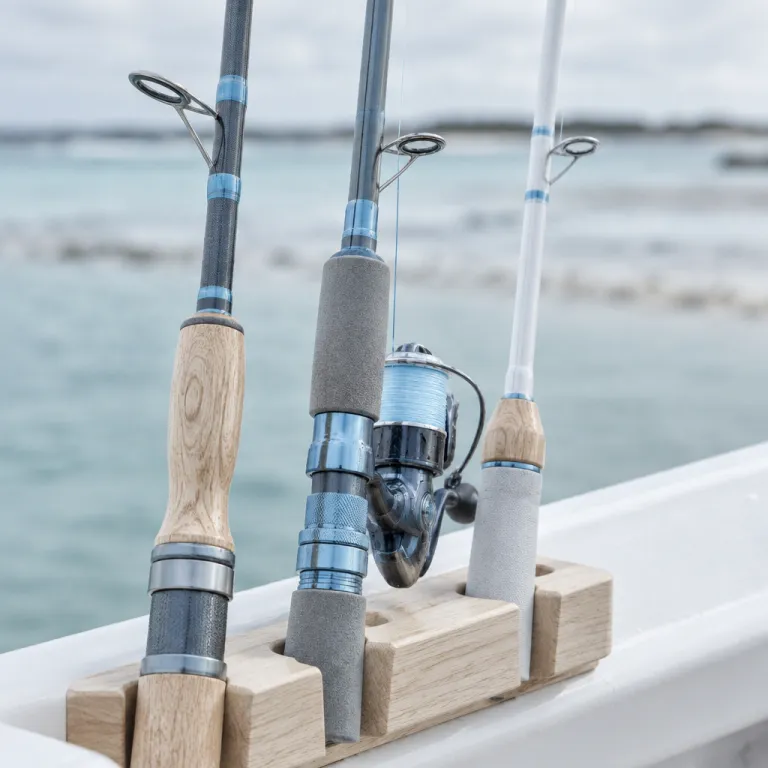

Balancing power and finesse in inshore saltwater fishing rods
Every serious inshore angler eventually learns that one carefully chosen rod can change the way you fish. When you compare different inshore saltwater fishing rods, you quickly see how blank design, guides, and reel pairing shape casting distance and bite detection. A well matched inshore setup lets you cast light lures accurately, work them with control, and still turn strong fish away from structure.
For most inshore fishing situations, a versatile medium power spinning rod covers a wide range of lures and species. Many anglers pair a 2,1 to 2,4 metre inshore spinning rod with a 3000 or 4000 size reel to balance line capacity, retrieve speed, and overall weight. This combination of spinning rods and compact reels handles soft plastics, small topwaters, and light jigs while keeping fatigue low during long sessions.
When you target spooky fish in clear shallows, a medium light spinning rod often feels more alive in your hands. The lighter blank loads deeper, so even a small fish telegraphs every head shake through the carbon fiber, and this sensitivity helps you adjust pressure before hooks tear out. In these conditions, a fast action rod rated for lighter lines and lures allows precise casting under mangroves and along oyster bars.
Not every inshore scenario suits spinning gear, and some anglers prefer an inshore casting setup for heavier lures or more accurate pitching. A compact casting rod with a fast or moderate fast action lets you thumb the spool and drop a lure tight to docks, rock piles, or bridge pilings. When you compare casting rods and spinning rods side by side, the casting option usually offers better control for short, precise presentations.
Power ratings on inshore saltwater fishing rods can be confusing, so treat each rod rated label as a starting point rather than a strict rule. One brand’s medium power casting rod might feel closer to another brand’s medium light spinning rod, especially when built on different carbon fiber layups. Always check the printed lure range, line rating, and action description, then test how the blank loads with your preferred lures before trusting the catalog view.
Many modern inshore rods use multi modulus carbon fiber to keep tips light while maintaining backbone in the lower section. This construction helps a fast action spinning rod cast small lures far, yet still drive hooks home on a long line when a fish eats near the end of the cast. When you fight a strong redfish or snook, you feel the upper third of the rod work first, then the deeper power section engages to protect your line.
| Rod type | Typical length | Common reel size | Best use inshore |
|---|---|---|---|
| Medium spinning rod | 2,1–2,4 m | 3000–4000 | Soft plastics, light jigs, small plugs |
| Medium light spinning rod | 2,1–2,4 m | 2500–3000 | Finesse lures, clear shallow flats |
| Inshore casting rod | 1,9–2,1 m | 100–200 low profile | Topwaters, pitching to docks and mangroves |
Understanding actions, tapers, and how they affect your lure control
Action describes where an inshore rod bends, and it has a direct impact on casting distance, hook setting, and lure control. A fast action spinning rod bends mostly in the top third, which makes it crisp and responsive for working soft plastics or twitch baits around structure. In contrast, a moderate fast action blank spreads the bend deeper, smoothing out the load and helping you keep treble hooks pinned during a long fight.
When you fish hard baits with multiple hooks, a moderate fast or even moderate action can be more forgiving than an extra fast tip. The slightly slower recovery of these inshore saltwater fishing rods absorbs sudden lunges from a fish near the boat, reducing pulled hooks and broken leaders. Many anglers keep one medium power moderate fast spinning rod in their inshore series specifically for crankbaits and small jerkbaits.
Slow pitch style jigging has crept from offshore into shallow bays, and some inshore anglers now experiment with slow pitch rods for vertical presentations. A slow pitch conventional rod bends deeply and recovers rhythmically, making metal jigs flutter enticingly on the drop, which can trigger reaction bites from pressured fish. While not every inshore fishing situation calls for this technique, it adds another tool when fish hold tight to deeper channels or bridge pilings.
Casting rods for inshore work often use a fast action to help punch lures into the wind and under overhanging cover. A compact inshore casting rod with a fast tip lets you skip soft plastics under docks, where big fish wait in the shade for an easy meal. Pairing that casting rod with a low profile reel in the right size reel range gives you enough line capacity without making the setup feel clumsy.
When you compare actions across a full rod series, you will notice how each model targets a specific technique. A medium fast spinning rod might be tuned for jig heads and paddle tails, while a moderate fast casting rod in the same series focuses on topwater walking baits. Reading the manufacturer’s action chart and then handling the rods in person gives you a clearer view than relying only on catalog descriptions.
Ice anglers already understand how subtle changes in action affect bite detection, and some of that thinking carries over to inshore gear. If you have ever tested a highly sensitive ice fishing rod, such as those reviewed in dedicated rod sensitivity tests, you know how a well tuned blank can reveal the slightest touch. Applying that same attention to action and taper when choosing inshore spinning rods helps you feel more bites and land more fish.
Choosing between spinning and casting for different inshore scenarios
Spinning tackle dominates many inshore saltwater fishing rods lineups, especially for anglers who throw light lures in windy conditions. A well balanced spinning rod and reel combination handles braided lines easily, reduces wind knots, and makes long casts with minimal effort. For new anglers or those who mainly fish from shore, spinning setups often provide the best inshore starting point.
Casting gear still has a strong place in inshore fishing, particularly when you need pinpoint accuracy around structure. An inshore casting rod with a compact low profile reel lets you feather the spool and drop lures into tight pockets where big fish hide. Once you master thumb control, casting rods can actually save time by reducing line twist and allowing faster lure adjustments between spots.
Many experienced anglers carry both spinning rods and casting rods on the boat, switching as conditions change. A medium light spinning rod might handle finesse presentations on calm mornings, while a medium fast casting rod takes over when wind picks up or heavier lures are required. This flexible approach ensures that each rod reel combination is used where it shines, rather than forcing one setup to do everything.
Some anglers still prefer a conventional rod for specific inshore techniques, such as bottom fishing near reefs or vertical jigging in channels. A short, sturdy conventional rod paired with a compact conventional reel offers excellent line control when you drop baits straight down. While this style is less common than spinning or low profile casting gear, it remains effective when fish hold tight to the bottom.
Ice fishing combos show how carefully matched rod and reel designs can improve control, and that lesson applies directly to inshore setups. When you read detailed reviews of inline rod and reel combos, you see how balance, drag smoothness, and handle ergonomics all influence performance. Bringing that same critical eye to inshore spinning and casting combos helps you avoid mismatched gear that feels awkward on the water.
Whether you lean toward spinning or casting, pay attention to the size reel you choose for each rod. A reel that is too heavy for a light blank will make the setup tip heavy, while a reel that is too small may lack line capacity for long runs from powerful fish. Matching the size reel to the rod’s length, power, and intended line rating keeps the outfit comfortable and efficient during long days on the flats.
Evaluating materials, components, and build quality before you buy
Modern inshore saltwater fishing rods rely heavily on carbon fiber blanks, which offer high strength with low weight. Not all carbon fiber is equal, and differences in modulus, resin systems, and layup patterns create noticeable changes in sensitivity and durability. When you compare rods in person, lightly tapping the blank and flexing it under load can reveal how quickly it recovers and how crisp it feels.
Guides play a crucial role in how a rod casts and how long it lasts in saltwater. Quality guides with corrosion resistant frames and smooth inserts protect braided line, reduce friction, and help lures fly straighter, especially on fast action spinning rods. Poorly finished guides or misaligned guide trains can rob you of distance and even damage line during a hard fight with a strong fish.
The guide layout on inshore spinning rods differs from that on casting rods, and each style must be tuned to its reel type. Spinning guides start larger to control line coils coming off the spool, then quickly step down to smaller running guides that keep the line close to the blank. Casting rod guides, by contrast, can be smaller overall because line leaves the reel in a straight path, which reduces wind resistance and improves accuracy.
Handle materials and reel seats also affect comfort and control during long inshore fishing sessions. Many anglers prefer split grip handles on medium and medium light spinning rods to reduce weight and improve blank contact for better sensitivity. Others choose full cork grips on casting rods for a more traditional feel and better leverage when working topwater lures or pulling fish from heavy cover.
Some manufacturers build entire inshore rod series around a shared blank platform, then vary components and cosmetics across different price points. Entry level rods in the series might use simpler guides and basic reel seats, while premium models add higher grade carbon fiber, lighter guides, and refined grips. When you compare the unit price of each model, consider whether the added sensitivity and reduced weight justify the higher price unit for your style of fishing.
Thoughtful anglers also look at how a rod’s feature set aligns with their target species and techniques. A rod rated for heavier lines and lures may seem impressive on paper, but if you mostly fish light jig heads and small soft plastics, that extra power becomes wasted weight. Choosing components and materials that match your real world fishing habits will save money, reduce fatigue, and help you enjoy every trip more.
Price, value, and how to read ratings without being misled
Price often dominates the conversation around inshore saltwater fishing rods, but value matters more than the number on the tag. A well built mid range spinning rod can outlast and outperform a cheaper option, especially when used regularly in harsh saltwater environments. Over time, investing in quality can actually save money by reducing replacements and repairs.
Online reviews and rated stars systems offer a quick view of customer satisfaction, yet they rarely tell the whole story. Some anglers rate a rod poorly because they chose the wrong power or action for their style, not because the blank or guides failed. When you read ratings, look for detailed comments about balance, sensitivity, and durability rather than focusing only on the average rated stars score.
Stock availability can also influence your buying decisions, especially when popular inshore spinning rods sell out quickly before peak season. If a particular rod reel combo or casting rod series often goes out of stock, that pattern may signal strong real world performance and word of mouth demand. Planning purchases ahead of major trips helps you avoid settling for a second choice simply because your preferred model is unavailable.
Many retailers now list a clear unit price for each rod length and power, which makes comparisons easier across brands. When you evaluate the price unit, consider what you receive in terms of blank quality, guide materials, warranty coverage, and after sales support. A slightly higher price for a rod with a strong warranty and proven corrosion resistance can be a smart long term decision for frequent inshore fishing.
Some anglers chase the best inshore bargain by buying multiple budget rods instead of one higher quality model. While this approach increases the number of setups on the deck, it can also lead to inconsistent actions, unreliable guides, and mismatched reel pairings. A smaller collection of carefully chosen spinning rods and casting rods, each with a clear purpose, usually delivers better results and more confidence on the water.
When you compare prices, remember to factor in the cost of a suitable size reel and quality line for each rod. A light or medium light spinning rod paired with a smooth drag reel and good braid will often outperform a more expensive blank saddled with a poor reel. Thinking in terms of complete systems rather than isolated components helps you build balanced outfits that feel like a legend in your hands.
Matching your rod to lures, species, and local conditions
Choosing the right inshore saltwater fishing rods starts with the lures and species you actually fish most often. If you mainly throw soft plastics and light jig heads for seatrout or flounder, a medium light spinning rod with a fast action will cover most situations. Anglers who chase larger predators such as snook or striped bass may prefer a medium or medium fast spinning rod that handles heavier leaders and bigger hooks.
Topwater fishing places unique demands on both spinning and casting rods, because you must work the lure rhythmically while staying ready for explosive strikes. A fast action casting rod around 2,1 metres with a responsive tip makes it easier to walk the dog and keep slack under control. Spinning rods can also handle topwaters, but many anglers appreciate the direct connection and thumb control that an inshore casting setup provides for this style.
When you fish deeper channels or passes, slow pitch style jigs and heavier soft plastics come into play. A moderate fast or even moderate action rod rated for heavier lures helps you work these baits without overloading the blank, especially when current is strong. In these situations, a slightly larger size reel with a strong drag and good line capacity becomes essential for handling long runs from powerful fish.
Local structure should also guide your rod choices, because fishing open sand flats differs greatly from probing oyster reefs or mangrove shorelines. On open flats, a light or medium light spinning rod with long casting ability lets you cover water efficiently without spooking fish. Around heavy cover, a more powerful casting rod or stout spinning rod rated for stronger lines gives you the leverage needed to turn fish quickly.
Anglers who often change lures during a session benefit from carrying multiple rods rigged for different roles. One spinning rod might hold a jig, another a soft plastic jerkbait, while a casting rod carries a topwater or suspending plug, allowing rapid adjustments as fish behaviour shifts. This multi rod approach reduces downtime and helps you present the right lure at the right depth without constant retying.
When you are unsure which lure style to start with, resources that explain how to pick the right fishing lure can be invaluable. Detailed guides such as how to choose lures when fish seem unpredictable help you narrow options before you even pick up a rod. Once you know the lure category and target depth, matching it to a suitable rod power, action, and reel size becomes a straightforward process.
Practical buying checklist for inshore saltwater fishing rods
Before you commit to any inshore saltwater fishing rods, handle them in person whenever possible. Check how each rod balances with a reel similar in weight to the one you plan to use, and pay attention to how the tip recovers after a quick shake. A rod that feels lively yet controlled in the shop will usually feel even better once a real fish bends it on the water.
Work through a simple checklist that covers length, power, action, and intended technique for each rod. Ask yourself whether this spinning rod or casting rod will mainly throw light lures, medium weight plugs, or heavier bottom rigs, then confirm that the rod rated specifications match that role. If a blank feels too stiff or too soft for its printed rating, trust your hands more than the label.
Inspect guides carefully, running your fingers along each guide and insert to feel for rough spots or misalignment. On spinning rods, make sure the first guide is sized and placed correctly to control line coils from your chosen size reel, because poor placement can cause wind knots and lost distance. On casting rods, check that the guide train keeps the line close to the blank without rubbing under heavy load.
Evaluate the handle length and grip shape in relation to your body size and casting style. A handle that is too long can catch on clothing during sidearm casts, while one that is too short may reduce leverage when you fight a strong fish near the boat. Medium and medium light rods often benefit from slightly shorter handles for finesse work, whereas more powerful models can use longer grips for added control.
Finally, compare the unit price of each candidate against its feature set, warranty, and real world reputation among inshore anglers. A rod that consistently earns high rated stars from experienced users, holds up well in saltwater, and stays in stock season after season usually represents solid value. When you find a model that meets these criteria, buying two matching rods can save time later and give you a reliable backup for important trips.
Building a thoughtful quiver of inshore spinning rods, casting rods, and perhaps one conventional rod takes time, but the payoff is real. Each well chosen rod reel combination reduces fatigue, increases your casting accuracy, and helps you land more fish with fewer lost opportunities. Over many seasons, that careful approach turns your gear into a quiet legend that supports every memorable catch.
Key figures that matter when choosing inshore saltwater fishing rods
- Typical inshore spinning rod lengths range from 2,1 to 2,7 metres, with 2,1 to 2,4 metres covering most flats and bay fishing according to major tackle retailers.
- Many manufacturers recommend pairing 2500 to 4000 size reels with medium and medium light inshore spinning rods, a range that balances casting distance and line capacity for braided lines between 6 and 15 kilograms.
- Industry surveys of saltwater anglers show that spinning setups account for more than half of inshore rod and reel sales, while casting and conventional rods share the remaining segment.
- Corrosion related failures remain one of the top reasons for rod replacement in saltwater, which is why rods with stainless or titanium guides and sealed components often justify a higher price.
- Warranty periods for quality inshore saltwater fishing rods commonly range from one year to limited lifetime coverage, and longer warranties usually correlate with higher initial cost but better long term value.
FAQ about inshore saltwater fishing rods
What length rod is best for general inshore fishing ?
For most inshore fishing situations, a rod between 2,1 and 2,4 metres offers the best balance of casting distance, accuracy, and fish fighting leverage. Shorter rods around 2,1 metres excel around tight structure, while longer rods near 2,4 metres help you reach schooling fish on open flats.
Should I choose spinning or casting for my first inshore setup ?
Most new inshore anglers start with a spinning setup because it handles light lures and windy conditions more easily. Once you gain experience, adding a casting rod for accurate presentations around docks, mangroves, and bridges gives you more versatility.
What power and action should I pick for soft plastics ?
A medium light or medium power spinning rod with a fast or medium fast action works well for most soft plastic presentations. This combination provides enough backbone for solid hook sets while keeping the tip sensitive for detecting subtle bites.
How important are guides on inshore saltwater rods ?
Guides are critical because they manage line flow during the cast and protect braided line under heavy load. High quality corrosion resistant guides with smooth inserts improve casting distance, reduce line wear, and extend the life of your rod in harsh saltwater environments.
Can one rod cover all my inshore fishing needs ?
One well chosen medium power spinning rod can handle many inshore situations, especially for anglers who mainly fish soft plastics and small hard baits. However, adding a second rod, such as a casting model for topwaters or heavier lures, greatly expands your options and efficiency on the water.