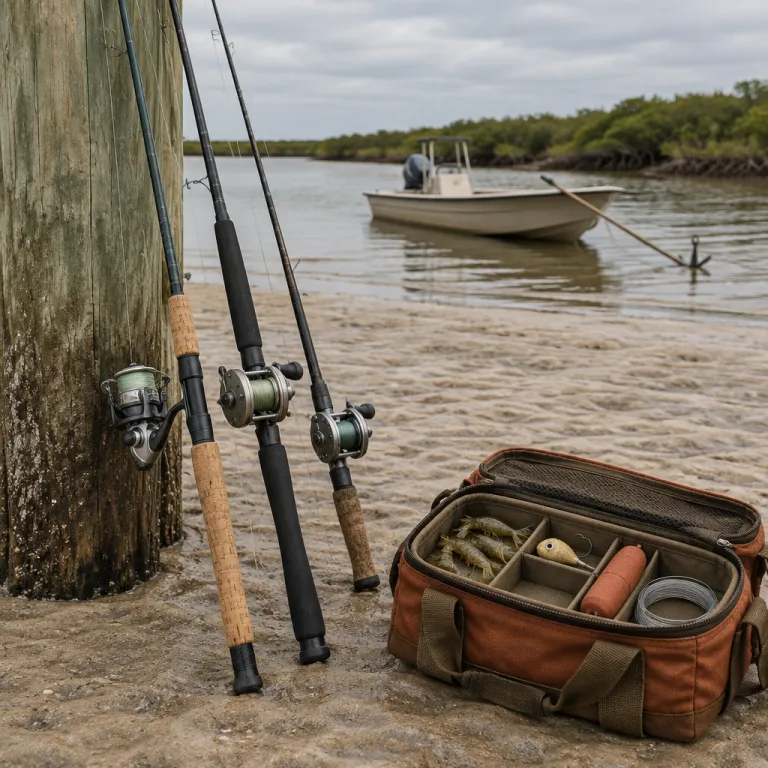

Understanding what makes an inshore fishing pole truly effective
An inshore fishing pole must balance finesse and strength for coastal work. When you fish shallow bays, estuaries, and mangrove shorelines, the right rod and reel pairing decides whether a subtle bite turns into a landed fish or a missed chance. Every detail from blank material to guide layout affects how fast the rod recovers and how precisely you can place a lure.
Most recreational anglers lean toward a medium or medium light spinning rod for inshore fishing, because spinning reels handle lighter braid and fluorocarbon leaders with fewer tangles. A well designed inshore spinning setup lets you cast small soft plastics or live shrimp accurately, yet still control a surprise tarpon that eats near the boat. When you compare inshore rods, look beyond the headline price in USD and focus on how the rod rated power and action match your local species.
Inshore rods are usually between 2,1 and 2,4 metres, which keeps casting distance high while maintaining accuracy around docks and oyster bars. A fast action inshore fishing pole bends mostly in the top third, giving crisp lure control and better hook sets with single hooks. Slower or more regular actions suit treble hook lures, so many anglers keep several rods in a small series to cover different techniques.
Comparing spinning rods and inshore casting setups for coastal work
Spinning rods dominate the inshore fishing market, yet inshore casting rods have a loyal following among lure specialists. A spinning setup is easier for beginners, because the fixed spool reel reduces backlashes and handles wind better when you cast light jigs. By contrast, a compact inshore casting combo offers superior thumb control and often a faster retrieve for power fishing along shorelines.
When you evaluate any inshore fishing pole, check whether the manufacturer offers a coherent series that includes both spinning and casting options. A unified rod series usually shares the same blank technology, guide quality, and handle design, which makes switching between a spinning rod and a casting rod feel natural during a session. For anglers who also target freshwater predators, it can be useful to read detailed tests of long casting carp rods, such as a high performance range of Kaizen Green carp fishing rods, to understand how blank design influences distance and accuracy even though those rods are not inshore specific.
Price differences between spinning and inshore casting models often come from reel seat hardware, guide frames, and handle materials rather than the blank itself. A regular price listed in USD may look steep, but a well built inshore fishing pole that lasts ten seasons becomes excellent value compared with a cheaper rod sold on quick sale. Always compare the sale price to the regular price and ask whether the components, warranty, and rod rated specifications justify the saving or signal a lower tier build.
How to match your inshore fishing pole with the right reel and line
The best inshore fishing pole fails without a properly matched reel and line. For spinning applications, choose a reel size between 2500 and 4000, which balances capacity for thin braid with a compact frame that keeps the combo light in hand. A smooth drag is essential, because inshore fishing often involves long runs from sea trout, snook, or juvenile tarpon close to structure.
When pairing a spinning rod with a reel, check the rod rated line range and lure weight printed near the handle. Staying within that range ensures the blank loads correctly, which improves casting distance and protects the rod from overload when a powerful fish surges. Anglers who also ice fish can learn a lot about drag smoothness and ergonomics by reading tests of specialised ice fishing reels, such as a detailed review of the 13 Fishing Freefall XL inline ice fishing reel, even though that model is not designed for inshore use.
Some coastal anglers prefer inshore casting reels for heavier lures, because they offer more direct control when pitching into tight cover. Whether you choose spinning or casting, keep the overall combo balanced so the inshore fishing pole does not feel tip heavy during long sessions. A well balanced combo reduces fatigue, helps you react fast to subtle bites, and makes every cast more accurate.
Evaluating quality, ratings, and value when buying inshore rods
Online reviews can help you judge whether an inshore fishing pole performs as advertised. Look for models consistently rated four or five stars, and read what experienced anglers say about sensitivity, durability, and guide quality rather than focusing only on the final number of rated stars. A rod rated highly for sensitivity but criticised for weak guides may not survive repeated contact with braided line and salt spray.
Many retailers highlight a particular inshore spinning model as a bestseller, often promoting it with a bold sale price next to the regular price. Treat the bestseller label as a starting point, then compare the blank material, handle comfort, and warranty against other inshore rods in the same price bracket. Some shops offer store credit or flexible credit payment options in USD, which can make a premium inshore fishing pole more accessible if you fish regularly and want gear that lasts.
When you browse online catalogues, use filters to narrow the selection until you have a selection full of rods that match your target species and techniques. Pay attention to whether the rod is sold as a one piece or two piece travel rod, because multi piece designs are easier to transport but sometimes feel slightly less crisp. Before you click through any skip content links or accept terms of service, scroll to the bottom of the page and check the privacy policy and refund policy so you understand how returns and data handling work if the rod does not meet expectations.
Specialised inshore fishing poles for travel, tarpon, and technical lures
Not every inshore fishing pole is built for the same task, so specialised models have emerged for demanding scenarios. Travel rod designs with three or four sections allow you to pack a capable inshore spinning setup into airline friendly luggage without sacrificing too much performance. These travel rods are ideal when you plan to fish both rocky European coasts and tropical flats during the same trip.
Targeting tarpon in shallow channels requires a different approach from chasing schoolie bass on sand flats. For tarpon, a powerful inshore casting rod with a fast action and strong butt section helps you steer fish away from bridge pilings while still cushioning sudden jumps. Many anglers keep a heavier spinning rod rigged with a large soft plastic or live bait, while a lighter inshore fishing pole carries a jig head and soft plastic from a curated list of top soft plastics that excel in clear water.
Technical lure work, such as walking surface lures or twitching suspending minnows, benefits from a crisp, fast action blank that transmits every wrist movement. In these cases, a shorter inshore rods series around 2,1 metres can feel more precise than longer models, especially when you fish from a boat. Whether you choose spinning rods or casting rods for these techniques, aim for a combo that recovers fast after each cast so your lure tracks straight and natural.
Digital buying behaviour, policies, and social proof for inshore gear
Most recreational anglers now research their next inshore fishing pole online before visiting a shop. Retailers respond by offering detailed product pages, high resolution photos, and user reviews with stars that show how each rod rated against expectations. When you see a model rated stars across dozens of reviews, read the comments carefully to understand whether the praise focuses on balance, sensitivity, or simple value for the price.
Responsible retailers make their terms of service, privacy policy, and refund policy easy to find, usually linked in the footer rather than hidden behind skip content navigation. Before you commit to a purchase, check whether the store offers store credit for returns or only cash refunds, because that affects how easily you can exchange an inshore fishing pole that feels wrong in hand. Some shops also highlight when a rod is sold as part of a limited combo, bundling a matched reel and line at a reduced sale price compared with buying each item separately.
Social media channels such as Facebook and Instagram provide another layer of social proof, as anglers share catches and comment on how their inshore rods perform over time. When a particular inshore spinning model appears repeatedly in real catch photos rather than polished adverts, that consistency often matters more than any bestseller badge. If a retailer refreshes its catalogue regularly, a full refresh of the page may reveal updated stock levels, new sale price offers, or revised policy terms that influence your final decision.
Care, maintenance, and long term performance of your inshore fishing pole
Once you invest in a quality inshore fishing pole, proper care protects both performance and value. Saltwater corrodes metal components fast, so rinse your spinning and casting combos with fresh water after every session, paying special attention to guides, reel seats, and hook keepers. Dry the rod thoroughly before storage to prevent trapped moisture from damaging cork or EVA handles.
Inspect your inshore rods regularly for nicks in the blank, cracked guides, or loose reel seats, because small issues can cause catastrophic failure under load. Run a cotton swab through each guide on your spinning rod and casting rod ; if the cotton snags, the guide ring may be chipped and should be replaced before it frays your line. Keep receipts, warranty cards, and any digital store credit records organised, since many manufacturers require proof of the original regular price or sale price in USD when processing claims.
Over time, your preferences may evolve from a single versatile inshore fishing pole to a small selection full of specialised rods for different techniques. When that happens, review your gear annually, sell or donate unused rods, and perform a full refresh of lines, leaders, and terminal tackle. Sharing honest feedback on retailer sites and through Facebook and Instagram helps other anglers choose reliable inshore spinning and inshore casting gear, strengthening the community and rewarding brands that respect clear policy terms and customer service.
Key statistics about inshore fishing gear and behaviour
- According to the American Sportfishing Association, more than 4 million anglers participate in saltwater inshore fishing in the United States, representing a significant share of overall recreational fishing activity.
- Industry reports from the European Fishing Tackle Trade Association indicate that spinning rods account for over 60 % of rod sales in coastal markets, confirming the dominance of spinning setups for inshore techniques.
- Market analyses from major retailers show that rods rated between 7 and 21 grams in casting weight (the recommended lure mass printed on the blank) are the most commonly sold inshore models, reflecting the popularity of light soft plastics and small hard baits.
- Consumer surveys published by tackle trade magazines suggest that more than half of anglers now read online reviews and rated stars before buying an inshore fishing pole, highlighting the growing influence of digital social proof.
- Warranty data from several leading rod manufacturers indicate that improper use and transport damage cause a large proportion of breakages, which reinforces the importance of using a suitable travel rod tube and respecting the rod rated specifications.
FAQ about choosing an inshore fishing pole
What length is best for an inshore fishing pole ?
For most coastal situations, an inshore fishing pole between 2,1 and 2,4 metres offers the best balance of casting distance and accuracy. Shorter rods around 2,1 metres excel around docks and mangroves, while longer rods near 2,4 metres help when you need to cast light lures across windy flats. Choose based on whether you fish mainly from shore, kayak, or boat.
Should I choose spinning or casting for inshore fishing ?
Spinning setups suit most anglers, especially when using light lures or fishing in strong crosswinds. Casting combos shine when you work heavier lures, need precise thumb control, or already have experience managing spool tension. Many experienced inshore anglers carry both a spinning rod and a casting rod to cover different techniques in one session.
What power and action should my inshore rod have ?
A medium light or medium power with a fast action covers most inshore species such as sea trout, redfish, and snook. Fast action rods bend mainly in the tip, which improves sensitivity and hook setting with single hook lures. For larger species like tarpon or when fishing heavy cover, step up to a medium heavy power while keeping a reasonably fast action.
How much should I spend on an inshore fishing pole ?
Entry level inshore rods around the lower USD price range can work for occasional trips, but frequent anglers benefit from mid range models with better guides and blanks. A higher regular price often reflects improved materials and longer warranties, which pay off over time. Focus on value rather than the cheapest sale price, and consider how often you fish each season.
How do I maintain my inshore spinning combo in saltwater ?
After every trip, gently rinse the rod and reel with low pressure fresh water, then dry them completely. Check guides for damage, lubricate the reel according to the manufacturer instructions, and store the combo in a cool, dry place. Regular maintenance extends the life of your inshore fishing pole and keeps performance consistent across many seasons.