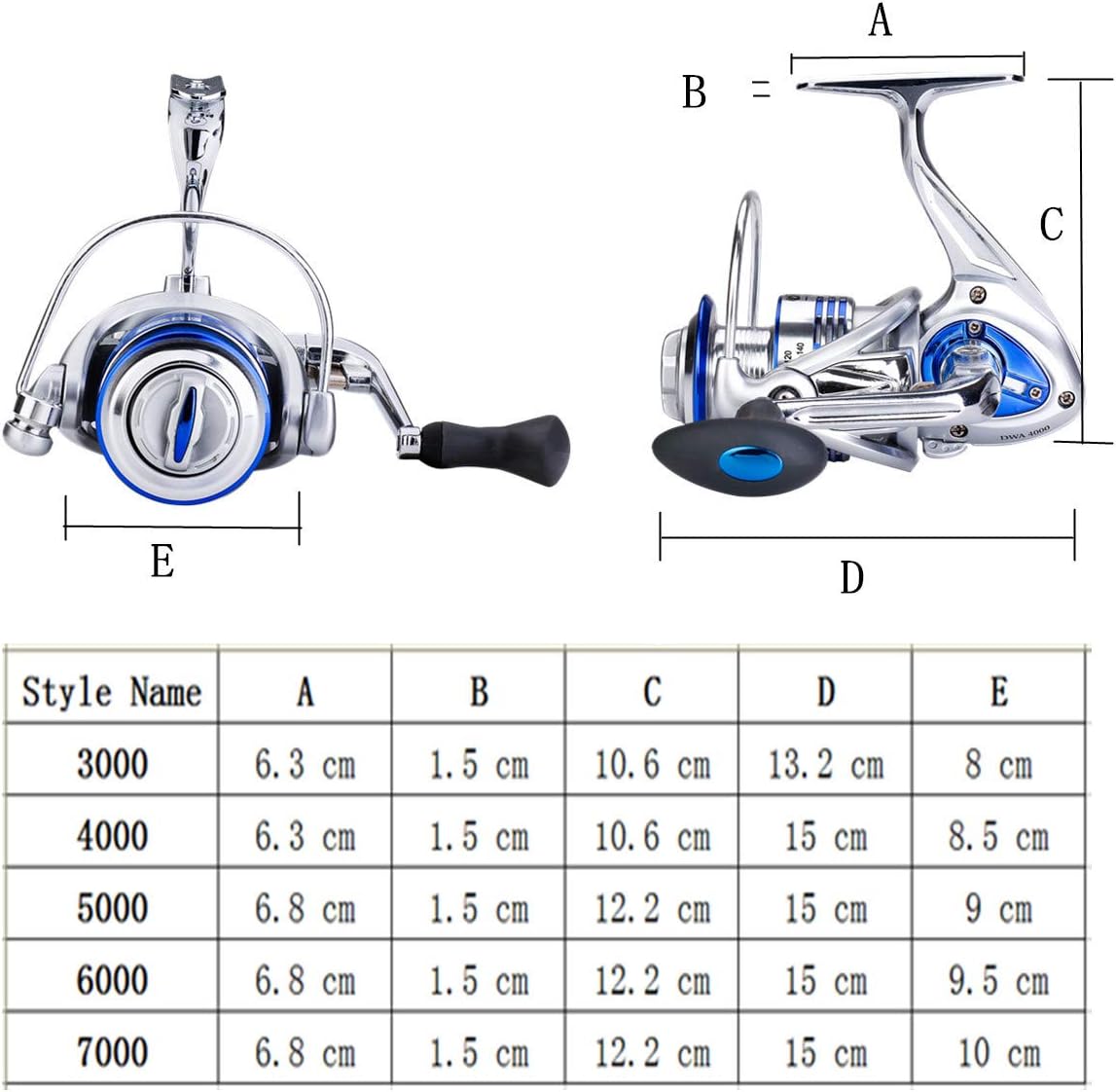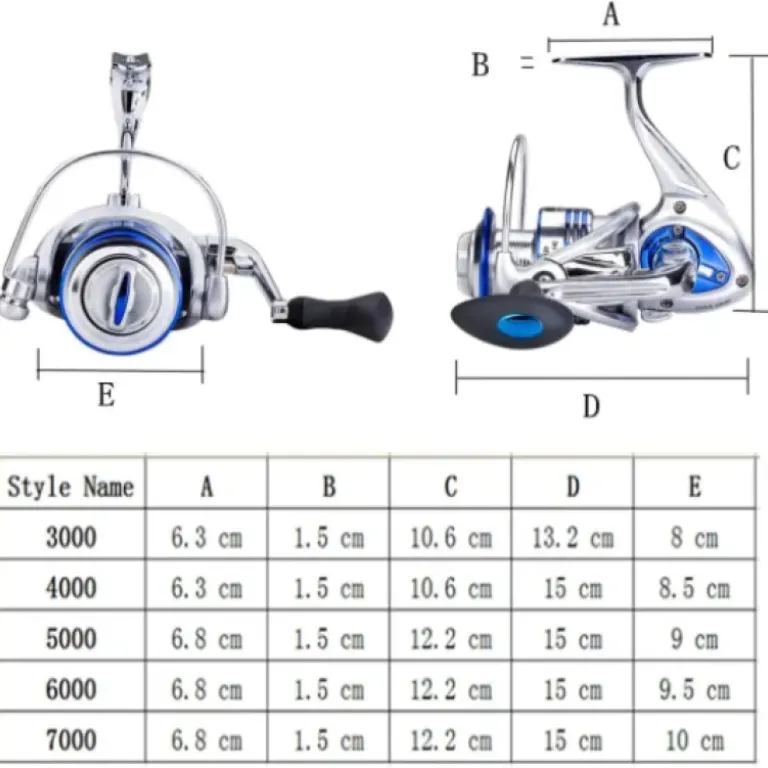

Summary
Editor's rating
Value for money: where this reel actually makes sense
Design: smooth feel but a bit flashy and generic
Materials: metal where it counts, but still a budget build
Durability: decent so far, but I’d baby it in saltwater
Performance on the water: smooth enough and decent drag
What you actually get with the Diwa reel
Pros
- Smooth retrieve and decent drag for the price
- Metal body, spool, and handle give a more solid feel than many cheap plastic reels
- Good value for casual freshwater and light saltwater use
Cons
- Specs like 25 kg drag and full saltwater readiness are optimistic in real use
- Build quality and long-term durability are below mid-range reels from major brands

Specifications
View full product page →| Brand | Diwa |
A budget reel I actually took fishing
I picked up the Diwa spinning reel mainly out of curiosity and price. It’s clearly a budget reel from a lesser-known brand, but the specs on the page looked pretty bold: 13+1 bearings, up to 25 kg drag, metal body, and supposedly fine for both saltwater and freshwater. For the price, that sounded almost too good, so I wanted to see what was real and what was just marketing talk.
I used the 3000 size for a few weekends on a medium spinning rod, mostly for light lure fishing on a river and a couple of short sea sessions from a pier. So this isn’t a lab test; it’s just how it behaved in actual fishing: casting, cranking, dealing with small to medium fish, and getting splashed with a bit of saltwater. My reference points are entry to mid-range reels from Shimano and Daiwa, nothing fancy but decent enough.
Right away, I noticed it feels lighter than I expected for a metal-bodied reel, and the retrieve is indeed quite smooth out of the box. Not “high-end smooth,” but definitely better than some cheap no-name stuff I’ve used before. The handle folds, which is handy if you throw the rod in the car a lot. The blue colour is a bit flashy, but that’s personal taste. I’m more interested in how it behaves on the water than how pretty it looks.
Overall, after a few trips, my feeling is that it’s a good value reel for casual anglers or as a backup, but not something I’d trust as my only reel for hard saltwater abuse or heavy fish day in, day out. It has strengths, especially for the price, but also some clear limits once you start pushing it. I’ll break that down by design, performance, drag, durability, and value so you see where it shines and where it’s just “meh but it works.”
Value for money: where this reel actually makes sense
This is where the Diwa reel makes the most sense: value for money. You’re not paying premium-brand prices, and you can feel that in some areas, but you still get a reel that is smooth, made mostly of metal, and perfectly usable for a lot of common fishing situations. Compared to similarly priced reels from random no-name brands, this one feels a bit more thought-out and not as flimsy. Compared to entry-level Shimano or Daiwa reels, it’s cheaper but also a bit rougher and less reassuring long-term.
If you’re a beginner or just someone who goes fishing a few times a year, this is actually a pretty solid deal. You get:
- A smooth retrieve with 13+1 bearings (even if they’re not top quality, it feels good out of the box)
- Metal body, spool, and handle instead of full plastic
- Enough drag and strength for small to medium freshwater and light inshore fish
- Ambidextrous handle and a folding arm, which is handy for storage
On the downside, if you’re already used to mid-range reels from big brands, you’ll notice the difference: the drag isn’t as refined, the finish isn’t as durable, and long-term reliability is a question mark. So if you fish a lot and can stretch your budget a bit, there are better long-term bets out there. Also, the marketing claims like 25 kg drag and full saltwater readiness are a bit optimistic. It’s fine for occasional saltwater, but I wouldn’t buy it as my main surf or boat reel.
Overall, I’d call the value good, but not miraculous. It’s a nice option if you want a cheap reel that doesn’t feel like total junk, especially for casual fishing, as a spare, or for lending to friends or kids. Just don’t expect it to compete head-to-head with reels that cost two or three times more in the long run. For what you pay, it gets the job done and feels decent in the hand, which is really all I was hoping for.
Design: smooth feel but a bit flashy and generic
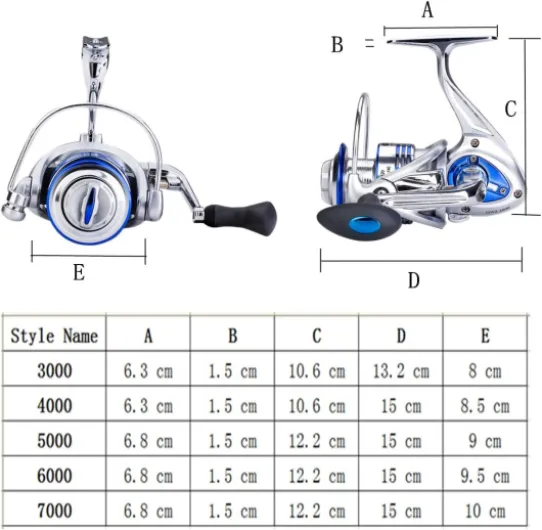
The design of the Diwa reel is a mix of practical and slightly over-the-top. The first thing you notice is the bright blue colour. If you like loud gear, you’ll probably enjoy it. Personally, I don’t really care what colour my reel is as long as it works, but this one definitely doesn’t look subtle on a rod. The body shape is that typical modern spinning reel style with an ultra-thin streamlined body, as they call it. In practice, it just means it’s not overly bulky and sits nicely on a medium spinning rod without feeling unbalanced.
One design feature I actually like is the folding handle. There’s a simple mechanism to fold it in, which is handy if you often transport your rod in the car or store it in a tight space. It’s not some fancy engineering trick, but it’s practical. The handle knob is fairly standard, nothing ergonomic or soft-touch, just a basic grip that works and doesn’t slip too much even when wet. The bail arm is decent in thickness and doesn’t feel like it will bend the first time you knock it, but it also doesn’t give that rock-solid feeling you get from pricier reels.
The line lay oscillation system is one of those features they highlight. On the water, line lay is actually pretty good for this price. My mono went on fairly evenly without big gaps or bunching. That matters because poor line lay means more wind knots and casting problems. The rotor spins smoothly and there’s an instant anti-reverse switch which works as expected: no annoying backward play in the handle when you set the hook. It’s a small thing, but it adds to the overall feel of control.
The downside in design is that it still feels like a generic reel with a logo slapped on. The branding, the font, the colour scheme — it doesn’t scream quality, it screams “cheap but trying to look high-tech.” That doesn’t bother me much because I judge more on function, but if you’re into clean, understated designs like some Shimano or Daiwa models, this will feel a bit loud and toy-like. Functionally, though, the design gets the job done for casual use.
Materials: metal where it counts, but still a budget build
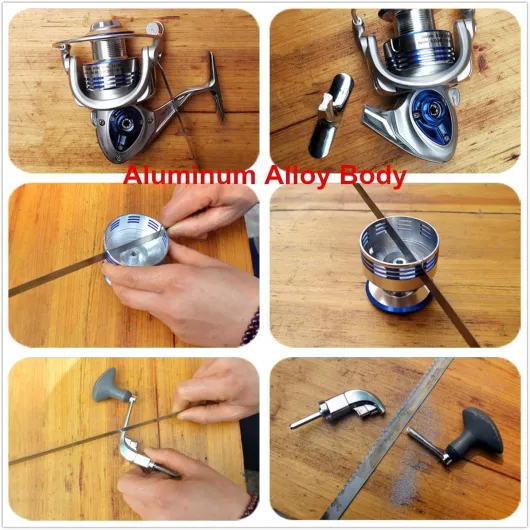
For the price, the materials on this Diwa reel are pretty solid. The body, spool, and handle are made from aluminium alloy, which is already better than the all-plastic builds you often see in the same price range. In the hand, it doesn’t feel like hollow plastic. There’s a bit of weight and stiffness to it, which gives some confidence when you’re cranking under load. At 297 g for the 3000 size, it’s not ultra-light by high-end standards, but it’s perfectly fine for a few hours of fishing without your wrist complaining.
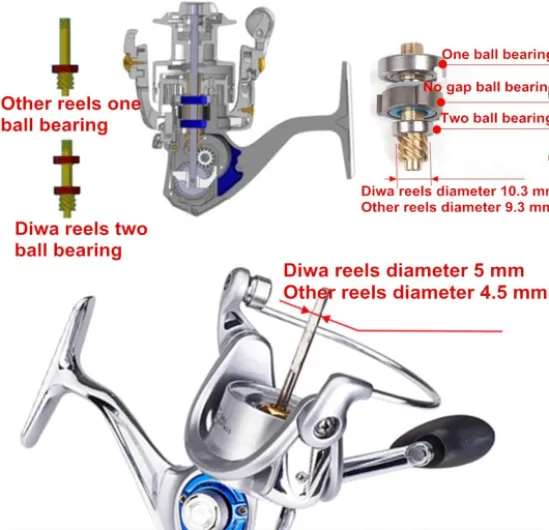
The bearings are advertised as stainless steel and sealed. I’m always cautious with that claim on cheap reels. Out of the box, the reel is smooth, so there are definitely multiple bearings in there, but how well they’re sealed and how resistant they are to salt and grit over time is another story. After a few light saltwater sessions (pier fishing, nothing crazy), I didn’t notice grinding or corrosion, but I also rinsed the reel with fresh water after each trip. I wouldn’t trust the sealing enough to dunk it in the surf and ignore maintenance.
The handle is aluminium and feels sturdy enough. No flex or wobble when fighting smaller fish. The bail wire also seems decently made; it’s not some flimsy wire that bends if you look at it wrong. The drag knob and some smaller parts are clearly cheaper plastic, and that’s where you see the cost savings. They work, but they don’t give that solid, tight feel you get from more expensive reels. The finish on the spool and body is okay, but you can tell it’s not premium coating — I’d expect scratches and wear marks to show up sooner with heavy use.
In short, the materials are better than I expected for the price, but still obviously budget. Metal where it matters, plastic on the secondary bits, and bearings that are fine as long as you take basic care of the reel. I wouldn’t abuse it in harsh saltwater conditions for years, but for weekend freshwater and light inshore fishing, the material quality is good enough to feel confident, as long as you manage your expectations.
Durability: decent so far, but I’d baby it in saltwater
Durability is always the big question with cheaper reels. I haven’t had this Diwa reel for years, so I can only talk about short-term durability and what the build quality suggests. After several freshwater sessions and a couple of short saltwater outings from a pier, there are no obvious signs of failure. The reel still feels smooth, the handle hasn’t loosened, and the bail still snaps shut properly. No grinding noises have appeared yet, which is usually the first sign that cheap bearings or gears are giving up.
The aluminium body and handle help a lot here. There’s less flex than with plastic reels, and that should translate into better long-term alignment of the gears if you don’t abuse it. The spool edge hasn’t chipped and the paint hasn’t started peeling, at least not in the first few weeks. I always rinsed the reel with fresh water after saltwater use, which is important. I wouldn’t trust the “sealed bearings” claim enough to just leave it salty and sandy. This is still a budget reel from a lesser-known brand, not a fully sealed surf reel.
What I do expect, based on feel, is that heavy, constant saltwater use will eventually show its limits. That might be in the form of slight handle play, some bearing noise, or a drag that starts to feel less smooth. The components work fine, but they don’t give that tank-like impression you get from more expensive gear. Also, there’s only a 1-year warranty, which is okay but not spectacular. At least they say they respond quickly to issues, though I haven’t had to test that.
So, durability-wise, I’d say: for occasional anglers and mostly freshwater use, it should hold up well if you rinse and don’t abuse it. For regular saltwater hammering or serious big-fish work, I’d see it more as a backup or a “use it until it dies” reel rather than something you expect to keep in top shape for many years. It’s not fragile, but it’s also not built like a tank. It sits in that middle ground: good enough if you manage your expectations and take basic care of it.
Performance on the water: smooth enough and decent drag
On actual fishing trips, the Diwa reel performed better than I expected for the money, but with a few caveats. The first thing I noticed was the smooth retrieve. Those 13+1 bearings are not just a marketing line; you can feel that the rotor and handle turn easily with little resistance. It’s not as refined as a mid-range Shimano, but for this price bracket, it’s clearly above the really cheap stuff. Casting with 8 lb mono was straightforward. The line flew off the spool cleanly, with no obvious friction or odd noises.
The gear ratio of 5.0:1 is pretty standard and gives a balanced retrieve speed. You’re not burning lures back super fast, but you’re also not cranking forever to bring them in. For trout, bass, and light inshore species, it’s a good middle ground. I hooked a few modest fish — nothing huge, but enough to test it: some small bass and a couple of stronger river fish. The reel handled them fine. No scary flex, no sudden grinding. The anti-reverse worked well; there was no annoying back-play when setting the hook, which helps keep things tight and controlled.
The drag system is where I was pleasantly surprised. No, it’s not a real 25 kg drag in any practical sense, but it’s smooth enough and strong enough for normal fishing situations. I tightened it down to what I’d call “sensible heavy” for this size reel, and it let line out in a controlled, even way under load. No jerky starts that cause break-offs. For lighter lines and small to medium fish, it’s more than adequate. Just don’t buy the marketing number and think you’re getting a big-game winch.
One thing to mention: there was one Amazon review saying the spool doesn’t always open and that the handle can’t be swapped. On my unit, the bail flipped reliably every cast, and the handle swap was fine. So either there’s some quality control inconsistency, or that buyer got a lemon. In my case, performance was solid for casual use. If you’re a hardcore angler who fishes multiple times a week and fights big fish regularly, you’ll probably want something more robust and consistent. But for weekend trips, family fishing, or as a backup reel, the Diwa performs well enough to be worth its price.
What you actually get with the Diwa reel
On paper, this Diwa reel looks pretty loaded for a cheap product. The model I tried is the 3000 size, which weighs around 297 g. It’s advertised with 13+1 stainless steel bearings, a 5.0:1 gear ratio, and a maximum drag of 25 kg. Let’s be honest: that drag number is more for the listing than for real life. You’re not going to lock this thing down to 25 kg and bully big tuna with it. Still, for normal freshwater and light saltwater, there’s more than enough stopping power if you set the drag sensibly.
The body, spool, and handle are aluminium alloy, which is good to see at this price point. Most budget reels throw in a lot of plastic. The handle is interchangeable left/right, even though one of the Amazon reviews complains about that. On mine, swapping the handle side was straightforward: unscrew one side, move the handle to the other, tighten. So either that reviewer got a dud, or they didn’t want to force it. The reel is rated for monofilament line with a capacity of 6/220, 8/160, 10/100 (lb/yds), which matches what I saw when spooling it with 8 lb mono.
In the hand, it feels like a typical mid-sized spinning reel suited for trout, bass, and light carp, not a heavy surf or big-game reel. The listing talks about ocean boat fishing, rock fishing, beach fishing, lakes, rivers, ponds, etc. Realistically, I’d keep it on the lighter side: inshore, piers, small to medium fish. If you’re thinking big sharks or heavy jigging, this isn’t the tool. It comes with just the reel in the box, no spare spool, no pouch, nothing fancy. You get a basic instruction leaflet and that’s it.
So, in terms of presentation, it’s pretty straightforward: simple packaging, decent specs on paper, and a build that looks and feels above pure bargain-bin reels, but you can tell it’s not in the same league as the big brands’ mid-range models. It’s the kind of reel you buy because of price and features, not because you’re loyal to the brand.
Pros
- Smooth retrieve and decent drag for the price
- Metal body, spool, and handle give a more solid feel than many cheap plastic reels
- Good value for casual freshwater and light saltwater use
Cons
- Specs like 25 kg drag and full saltwater readiness are optimistic in real use
- Build quality and long-term durability are below mid-range reels from major brands
Conclusion
Editor's rating
After using the Diwa spinning reel on a few real fishing trips, my conclusion is pretty straightforward: it’s a good budget reel for casual use, with some decent features, but it’s not a workhorse for heavy, regular saltwater abuse. The metal body and handle, the smooth retrieve from the 13+1 bearings, and the usable drag make it feel better than many cheap plastic reels in the same price range. It’s light enough, comfortable enough, and it casts and retrieves without drama. For weekend freshwater fishing, light inshore trips, or as a backup reel, it does the job without making you swear at your gear.
Where it falls short is mostly in long-term confidence and realism of the specs. That “25 kg drag” is more of a sales line than a real-world setting you’ll actually use. The build, while decent, still feels budget once you push it, and I wouldn’t pick it as my main reel if I fished hard several times a week or regularly targeted big, powerful fish. Also, the brand is not as established, so long-term parts and support are a bit of an unknown, even if there’s a 1-year warranty.
If you’re a beginner, occasional angler, or just want a cheap but usable reel to throw on a spare rod, the Diwa is a sensible option and offers good value for money. If you’re already into higher-end gear, fish a lot, or want a reel to rely on in rough saltwater conditions, I’d say save up and go for a more proven brand and model. This one is decent, not legendary, and that’s fine as long as you know what you’re buying.