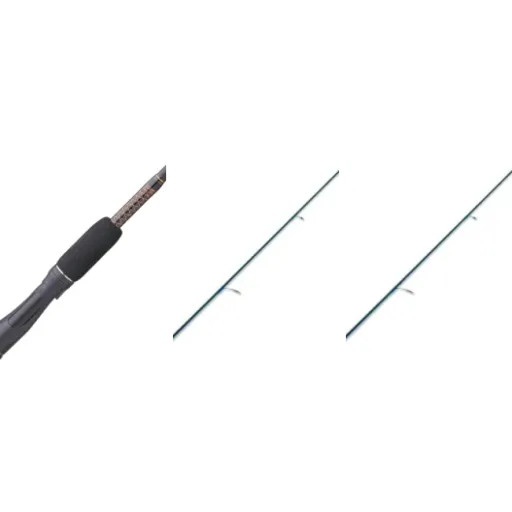
Summary
Analysis score
Average of the criteria rated below
Value for money: where this rod sits in the travel segment
Design and ergonomics: 4‑piece layout with a travel focus
Materials and build: 24T carbon and SeaGuide hardware
Durability and reliability: mostly positive, with a few warning flags
Casting and fishing performance: what users report and what the specs suggest
What the Penn Overseas II Inshore actually offers on paper
Pros
- 4‑piece 2.40 m design with Cordura tube makes it genuinely suitcase‑friendly for travel
- Fast‑action 24T carbon blank and 15–40 g rating well suited to bass and light inshore lures
- Generally positive user feedback on casting performance and overall quality for the price
Cons
- Multi‑piece construction and mid‑grade materials may not satisfy anglers seeking maximum robustness
- Reel seat size limits use with larger reels, reducing flexibility for heavier setups

Specifications
View full product page →| Brand | Penn |
A travel spinning rod that aims to do more than just travel
The Penn Overseas II Inshore Spinning Rod sits in a niche that many sea anglers look for: a rod that breaks down small enough for a suitcase but still has the specs to fish seriously inshore. On paper it is a 2.40 m, 4‑piece, fast‑action carbon spinning rod rated 15–40 g, built for bass and general inshore work. With an average rating of 4.3/5 from around three dozen Amazon reviews, buyers are mostly positive, which is not bad at all for a multi‑piece travel format.
This model targets anglers who want to fish from rocks, beaches or harbours on holidays without lugging a 2‑piece tube through airports. The manufacturer includes a rigid Cordura travel tube and uses a 24T carbon blank with SeaGuide guides, medium power, and a stated line range of 0.15–0.40 kg. That line figure is clearly a typo or mis‑label in the specs; for a 15–40 g bass rod it more realistically points to light to medium braid use, which is how buyers seem to rig it in the field.
Among the published reviews, several highlight how compact and light the rod is, with a listed weight of just 171 g. A few anglers even buy multiple Overseas rods for different casting ranges. At the same time, one very negative comment about a heavier Offshore version in the same family shows that not everyone is convinced by the durability of this series under heavy loads, and that colours the perception of the whole range, including this 15–40 g Inshore.
In my opinion, this Penn is best viewed as a travel‑first rod that happens to have decent inshore specs, rather than a hardcore shore‑jigging tool that was later cut into four pieces. If that expectation is clear, the combination of compact transport length, recognizable brand, and generally positive feedback makes it an interesting option for bass and light saltwater spinning on the move.
Value for money: where this rod sits in the travel segment
The exact price is not displayed here, but given the brand, materials, and the way anglers talk about it, the Penn Overseas II Inshore 2.40 m 15–40 g clearly targets the mid‑range travel‑rod bracket rather than bargain or premium territory. You are paying for a known saltwater brand, a 4‑piece carbon blank, SeaGuide hardware, and a rigid Cordura tube. The 4.3/5 average from 35 reviews indicates that most buyers feel they got something worth their money, with repeated praise for its compactness and casting behaviour.
Compared with cheap telescopic rods, this Penn has several concrete advantages: a proper 4‑piece blank instead of telescoping sections, a fast action tuned for 15–40 g lures, and components that are at least mid‑tier rather than generic. That should translate into better casting, more predictable power, and greater reliability for sea bass and inshore work. On the flip side, there are also more expensive multi‑piece rods from specialist brands that offer higher‑modulus blanks, premium Fuji components, and more refined finishes. Those options will likely feel crisper and tougher under hard use, but they come at a higher cost.
What stands out from the comments is that several buyers purchase it specifically as a travel rod and then end up rating it highly for general fishing, calling it “too good to be just a travel rod”. One person even considers buying another with a heavier casting weight from the same line for more serious inshore beach fishing. That kind of behaviour suggests that, for them, the performance and portability balance justifies the outlay. At the same time, the very negative experience with the heavier Offshore model in the series shows that not everyone is convinced, and that some anglers who push gear hard might see the price as false economy compared with more robust, higher‑end rods.
In my opinion, the value here is solid if your main goal is a compact, airline‑friendly sea spinning rod for bass and light inshore fishing. You get a known brand, a proper travel construction, and generally good feedback, without paying the premium of top‑shelf travel rods. If you rarely travel and mostly fish locally, a 2‑piece rod at the same budget might give slightly better performance. But for anglers who regularly fly or need a rod that fits inside a suitcase, the Penn Overseas II Inshore looks like a sensible compromise between cost, portability, and real fishing capability.
Design and ergonomics: 4‑piece layout with a travel focus
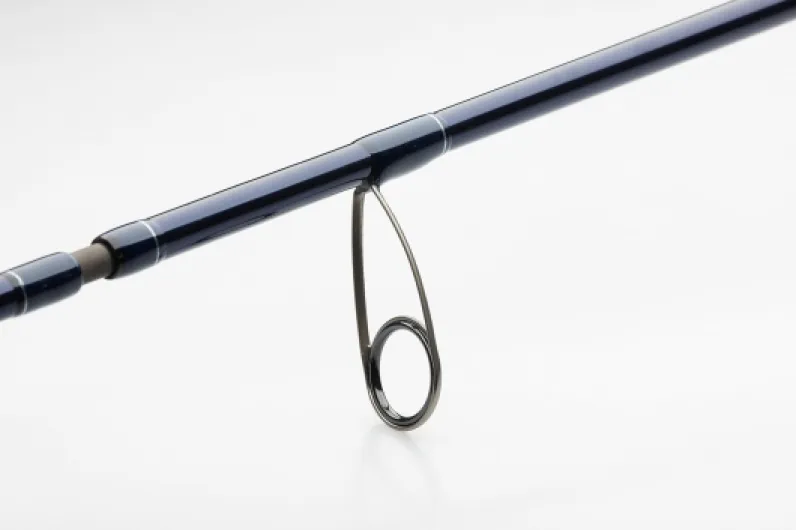
The key design choice here is the 4‑piece construction at 2.40 m. That puts the Penn Overseas II Inshore in the classic travel‑rod camp: shorter sections that can go in standard suitcases or backpacks, instead of a long 2‑piece tube that becomes awkward in airports and taxis. Buyers repeatedly mention that it “fits in our suitcase” and “packs down nicely”, which is exactly what this format is meant to do. On the downside, every extra joint is a potential weak point and a small hit to sensitivity compared with an equivalent 2‑piece blank.
The ergonomics are built around an “ergonomically shaped reel seat grip” and a high‑density EVA handle. There are no fancy cork inserts or exotic cosmetics mentioned; the focus seems to be practical saltwater use – EVA is tough, low‑maintenance, and handles salt and knocks well. At 171 g, the rod should feel relatively light for its length and power class, and one review describing it as “weighs nothing” fits with that number, even taking some exaggeration into account. The manufacturer states an ergonomic grip type, which should in theory help reduce fatigue during repeated casting sessions.
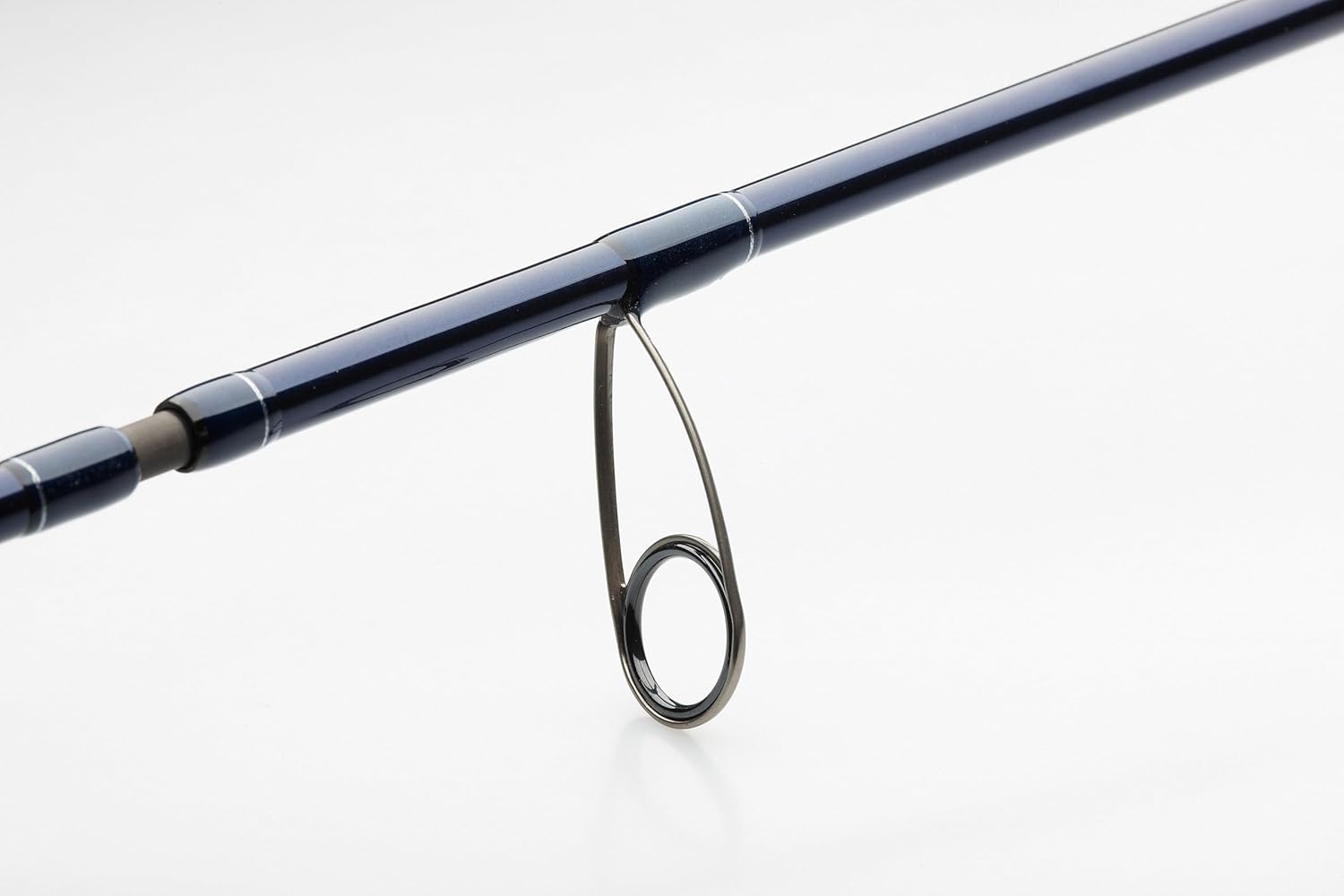
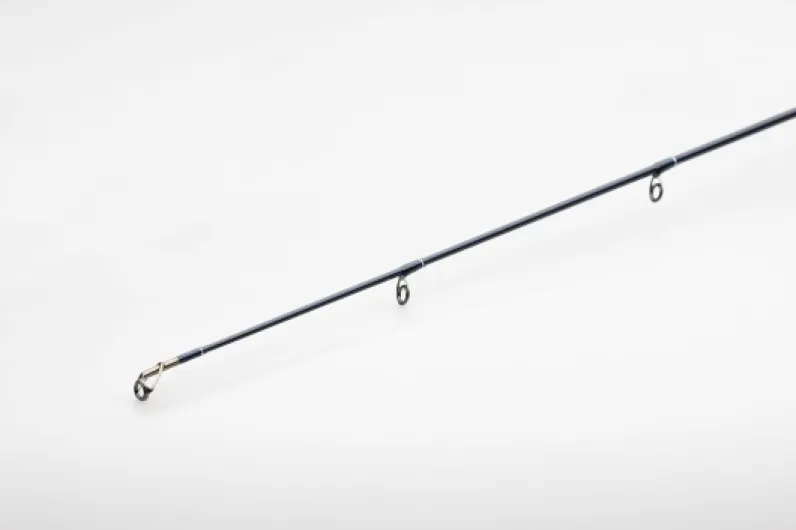
Guide-wise, Penn uses SeaGuide guides, which are a known, mid‑range option rather than bargain‑basement rings. One buyer notes that a ring came off after air travel when the hard case was not used, suggesting that the guides are light but perhaps not overbuilt. That specific comment also hints that the included Cordura tube is not just a marketing extra but actually important protection for the rod’s design. Colour is listed as “assorted”, so buyers should not expect a very strict cosmetic scheme; this is more about function than perfect matching wraps.
In my view, the design makes sense if you prioritise portability and practicality over absolute finesse. The 4‑piece build, EVA handle, and SeaGuide components point to a rod you can throw in a suitcase, fish hard enough for bass and inshore species, and not worry too much about babying. Anglers who are picky about one‑piece feel, ultra‑minimalist hardware, or high‑end finish might find it a bit plain, but for travel anglers the design decisions look relatively sensible and aligned with the intended use.
Materials and build: 24T carbon and SeaGuide hardware
This rod is built on a 24T carbon fibre blank. In rod terms, 24T (24‑ton) carbon is fairly standard mid‑range material: not ultra‑stiff like higher‑modulus carbons, but generally tougher and more forgiving. For a 4‑piece travel rod meant for saltwater, that choice is logical. Higher‑modulus carbon might feel crisper, but it is also more brittle and less tolerant of knocks, which are common when rods are being packed into luggage or used around rocks and piers. The fast action advertised should still give a reasonably quick blank response, even with this carbon grade.
The guides are from SeaGuide, a brand that tends to sit between entry‑level and true premium components. They are often used on rods that aim for a balance of cost and reliability. There is at least one comment about a ring coming off after air travel without the hard case, but that seems more about impact or handling than pure material failure. Still, it shows that the wraps and guide feet are not indestructible, and careful packing remains important. On the positive side, most buyers do not report guide rust or obvious hardware defects, which is encouraging for saltwater use.
The handle uses high‑density EVA, which is a standard choice for sea rods. EVA is resistant to salt, easy to clean, and less prone to cracking than low‑quality cork in harsh conditions. Combined with an ergonomic reel seat, this should give a solid, no‑nonsense grip. The reel seat itself is not named as Fuji or another premium manufacturer, but one user mentions that the seat will not take bigger reels, which implies a compact, travel‑oriented hardware choice. That is fine if you pair it with 3000–4500 size reels, less so if you like to oversize your reel for torque.
Overall, the material spec is decent but not high‑end. In my opinion, Penn has gone for reliable mid‑grade components rather than pushing for the lightest or most sensitive build. For a rod that breaks into four pieces and will live in suitcases, that is probably a wise compromise: 24T carbon for resilience, SeaGuide guides for reasonable quality, and EVA for durability. If you want top‑shelf blank technology and Fuji SiC guides, you will need to look higher up the price ladder, but for travel sea spinning this setup looks acceptable.
Durability and reliability: mostly positive, with a few warning flags
Durability is often the weak point of multi‑piece travel rods, so it is worth looking closely at what people report. For this Penn Overseas II Inshore 2.40 m 15–40 g rod, most direct comments about the specific model are positive or neutral on this front. Buyers highlight that it comes in a “heavy duty” Cordura travel case, which one angler credits as important protection during flights. Another user notes that when they did not use the supplied case for air travel, one of the guides came off, which they repaired themselves with cotton and glue. That episode suggests that the rod can take knocks but is not immune to impact damage, and that the included tube is not optional if you want to avoid problems.
The blank material (24T carbon) is generally more forgiving than very high‑modulus graphite, which should help with long‑term durability, especially in a 4‑piece layout. Fast action rods can be more sensitive to misuse like high‑sticking or casting well above rated weight, so respecting the 15–40 g lure window is important. The medium power rating and modest line range also point to a design that is not meant for brute‑force fishing on oversized reels and heavy braid. One review specifically says the reel seat will not accept bigger reels, which in practice acts as a built‑in limiter against over‑gearing.
The main red flag comes from a one‑star review about an Offshore variant in the same Overseas II family, rated 70–150 g, which snapped 10 inches from the tip when casting an 85 g stickbait on heavy braid and leader. Even though that failure happened on a different, heavier model, the buyer states they have lost all confidence in the Inshore version as well. From a strictly analytical point of view, that incident shows that at least one rod in the series may have failed under conditions that were technically within its stated lure range. However, it is a single reported case among otherwise positive comments, and it concerns a different power and casting class than this 15–40 g Inshore.
In my opinion, for the 2.40 m 15–40 g Inshore rod, durability looks decent but not bulletproof. The main takeaways are: use the supplied Cordura tube for travel, do not overload the rod with lures outside its range, avoid extreme high‑sticking, and pair it with a sensibly sized reel. If treated as a light to medium inshore spinning rod rather than a heavy popper stick, the combination of 24T carbon, EVA handle, and SeaGuide guides should hold up fine for typical holiday and weekend use.
Casting and fishing performance: what users report and what the specs suggest
On paper, a 2.40 m, fast‑action, medium‑power blank rated 15–40 g is a classic spec for bass and inshore spinning. That length gives decent casting leverage from shore without becoming unwieldy in tight spaces like rock ledges or harbour walls. The 15–40 g lure range covers most common sea bass lures: soft plastics on 10–25 g jig heads, 20–30 g metal jigs, and medium surface lures. The fast action should help with casting distance and hook‑setting, while still allowing some cushioning on runs if the blank is not too stiff.
Several buyers back this up with positive remarks about practical casting. One verified purchase calls it a “perfect travel rod, casts great” and mentions that it “casts very well”. Another describes it as an “excellent” shore rod when matched with a Penn Slammer 4500 and suitable line, using it successfully on a range of species. These comments, combined with the fast action spec, suggest that the rod has enough backbone to punch lures within its rated range without feeling like a broomstick. The listed weight of 171 g also hints at a fairly light, responsive build for a sea spinning rod.
That said, it is important to keep the intended power and casting weight in mind. One of the harsher Amazon comments describes a heavier Offshore model in the same Overseas series (rated 70–150 g) snapping when casting 85 g stickbaits with heavy braid and leader. Even though that incident concerns a different model, the angler explicitly states that this has shaken their confidence in the Inshore version rated 20–50 g. For this 15–40 g rod, that story is a reminder not to treat a travel rod like a heavy popping stick and overload it with lures far outside its design window.
In my opinion, if you stick to the stated 15–40 g range and pair it with a sensibly sized spinning reel (something like a 3000–4500 body and light to medium braid), the performance should be solid for holiday bass and inshore fishing. Expect competent, not spectacular, casting and enough power for typical European shore species, but don’t expect it to behave like a dedicated 2‑piece surf rod or a high‑end Japanese shore‑jigging stick. For a multi‑piece travel rod, the performance feedback looks quite positive overall.
What the Penn Overseas II Inshore actually offers on paper
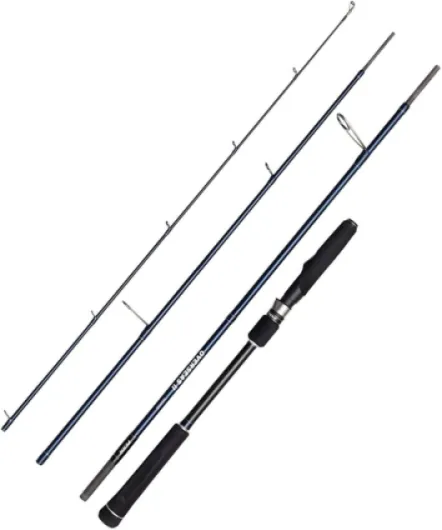
The Penn Overseas II Inshore Spinning Rod in this version is a 2.40 m, 4‑piece spinning rod rated for 15–40 g lures, with a fast action and medium power. It targets mainly sea bass and inshore species, and is clearly marketed as a travel‑friendly option. The rod weighs 171 g, which is fairly light for a multi‑piece sea rod of this length. It is built on a 24T carbon fibre blank, fitted with SeaGuide guides and an ergonomically shaped reel seat grip with high‑density EVA for the handle. The spec sheet lists it as suitable for spinning technique, with target species bass and an adult age range.
Transport is a key part of the package: the rod comes with a rigid Cordura travel tube, plus an internal rod bag. One reviewer points out that this bag is glued into the hard case, so you cannot easily carry just the soft bag without the tube; that’s a small but concrete detail if you like to hike or fish with only a backpack and want to ditch the bulky case once on location. Still, most comments that mention the tube see it as a strong point because it protects the rod during flights and fits in standard luggage.
From a market standpoint, this model sits somewhere between pure budget travel rods and more premium multi‑piece sticks. Its Amazon ranking around 36 in rods and 33k in Sports & Outdoors shows that it sells reasonably well without being a mass‑market phenomenon. The 4.3/5 average rating suggests a majority of satisfied buyers, but not a flawless product either. You see several 5‑star comments about casting and convenience, and at least one very harsh comment about a related Offshore version snapping under heavy lure work, which may make cautious anglers think twice if they push gear hard.
In my opinion, the overall presentation is that of a sensible, mid‑range travel rod: decent materials, well‑known guides, a compact 4‑piece layout, and a spec that fits common sea bass work (15–40 g). It does not scream high‑end, but it is clearly more serious than the no‑name telescopics many people throw in a suitcase. For someone who wants one rod to cover lures from about 10–35 g on holiday, the basic concept looks coherent.
Pros
- 4‑piece 2.40 m design with Cordura tube makes it genuinely suitcase‑friendly for travel
- Fast‑action 24T carbon blank and 15–40 g rating well suited to bass and light inshore lures
- Generally positive user feedback on casting performance and overall quality for the price
Cons
- Multi‑piece construction and mid‑grade materials may not satisfy anglers seeking maximum robustness
- Reel seat size limits use with larger reels, reducing flexibility for heavier setups
Conclusion
Analysis score
The Penn Overseas II Inshore Spinning Rod 2.40 m / 15–40 g positions itself as a serious travel rod for sea bass and inshore fishing, and the overall picture supports that claim. The 4‑piece 24T carbon blank, fast action, and medium power should handle the typical 15–40 g lure range well, and several buyers emphasise that it casts nicely and fits easily into standard luggage. The included Cordura tube, SeaGuide guides, and EVA handle create a package that is clearly built with portability and saltwater practicality in mind rather than showroom looks.
It is not without caveats. Multi‑piece rods are inherently more complex than 2‑piece blanks, and there are a couple of warning signs: a guide coming off after rough travel without the case, and a serious failure story on a heavier Offshore model in the same family that may worry anglers who push gear hard. This particular 15–40 g Inshore version does not attract many direct complaints, but it is still wise to respect the stated lure range, avoid over‑sized reels and brutal casting styles, and always use the supplied tube when flying.
In my opinion, this rod suits anglers who travel regularly, want a compact but capable sea spinning rod for bass and inshore species, and are happy with mid‑range components at a sensible price. If you mainly fish locally and rarely need to pack a rod into a suitcase, a good 2‑piece might offer better pure performance for the same money. Likewise, if you specialise in heavy poppers or big pelagics, you should look at more robust, higher‑end options. For its intended role as a portable, real‑world bass and inshore spinning rod, though, the Penn Overseas II Inshore looks like a practical and generally well‑received choice.