
Summary
Editor's rating
Value for money: you pay for portability
Design: ultra-compact first, fishing rod second
Comfort and handling on the water
Materials and build: carbon blank but not magic
Durability after a few trips
Performance: decent light spinning, with clear limits
What you actually get in the case
Pros
- Very compact transport length with a practical hard case that fits a mounted reel
- Decent light-lure performance with a usable moderate fast action
- Lighter and nicer to fish than most cheap telescopic rods
Cons
- Price feels high compared to 2-piece rods with better sensitivity and casting
- Multi-section telescopic design needs careful handling and isn’t ideal for heavy use
- Action and feel clearly behind a good 2-piece or 4-piece travel rod in the same budget

Specifications
View full product page →| Brand | SHIMANO |
A tiny spinning rod that actually fits in a backpack
I picked up the SHIMANO STC AX Mini Tele Spinning 1.80 m (3–14 g) because I wanted a rod I could throw in a backpack or suitcase without thinking. I fish a lot when I travel for work and holidays, and carrying a 2‑piece spinning rod in a tube is a pain on trains and planes. The promise here is simple: a proper spinning rod that packs down to around 40 cm and lives in its own hard case.
First impression when I unpacked it: it really is compact. Case in one hand, backpack in the other, and I can still hold a coffee. No long tube, no awkward looks on public transport. It feels like something between a travel rod and a toy at first glance, just because of how short the case is. But once you extend the sections and attach the separate handle, it starts to look like a real 1.80 m spinning rod again.
I used it for light spinning on small rivers and a bit of harbor fishing with soft lures and small spoons. Lure range 3–14 g is right in my usual zone for perch, trout and small zander. I didn’t baby it: some snag pulling, a few accidental high sticks when landing fish, and a few casts with lures slightly above the stated range just to see how far it can go.
Overall, it does what it says: it’s a compact, light spinning rod that you can actually fish with. It’s not perfect, and it doesn’t feel like a high-end 2‑piece rod, but for travel and quick sessions it’s pretty solid. The rest of this review is just what stood out to me after a handful of sessions and a couple of short trips with it.
Value for money: you pay for portability
On value, this is where opinions will split. Shimano gear is rarely cheap, and the STC AX Mini Tele is no exception. You’re paying for the brand, the compact design, and the hard case. In terms of pure fishing performance, you can find 2‑piece spinning rods that feel better in the hand for less money. So if you don’t need the ultra‑short transport length, this rod doesn’t make much sense from a value point of view.
Where the value shows is if you actually use the portability. If you travel often, move around by bike, or just like having a rod in the car or backpack “just in case”, then this thing starts to earn its keep. I’ve already had a couple of sessions where I only fished because I had this rod with me and didn’t have to plan anything. For me, that alone justifies a good chunk of the price compared to a cheap telescopic that feels like a broomstick.
Compared to generic telescopic rods from unknown brands, the Shimano is more expensive but also feels better built and nicer to fish with. The action is more controlled, and the hard case is actually usable. Compared to higher‑end travel rods (multi‑piece but not telescopic), it’s more compact but a bit behind in sensitivity and casting. So it sits in the middle: a travel rod with a price that might feel a bit high if you only fish it a couple of times a year.
So my honest take: the value is decent if you truly need the compact format and you fish light lures regularly. If you’re just curious and already own a normal spinning rod, I’d probably save the money or look at a 4‑piece travel rod instead. This Shimano is more about convenience than raw performance per euro.
Design: ultra-compact first, fishing rod second
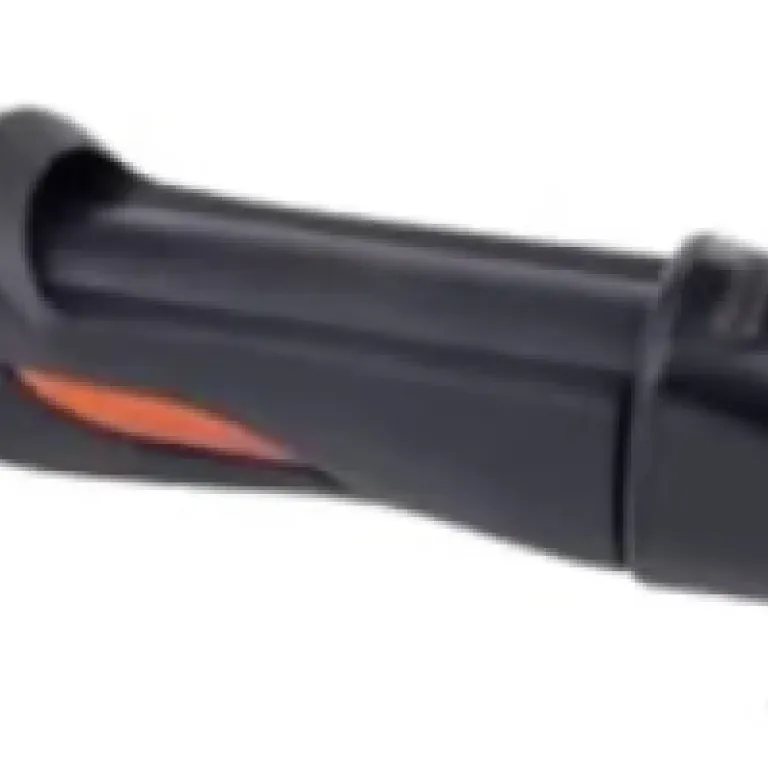
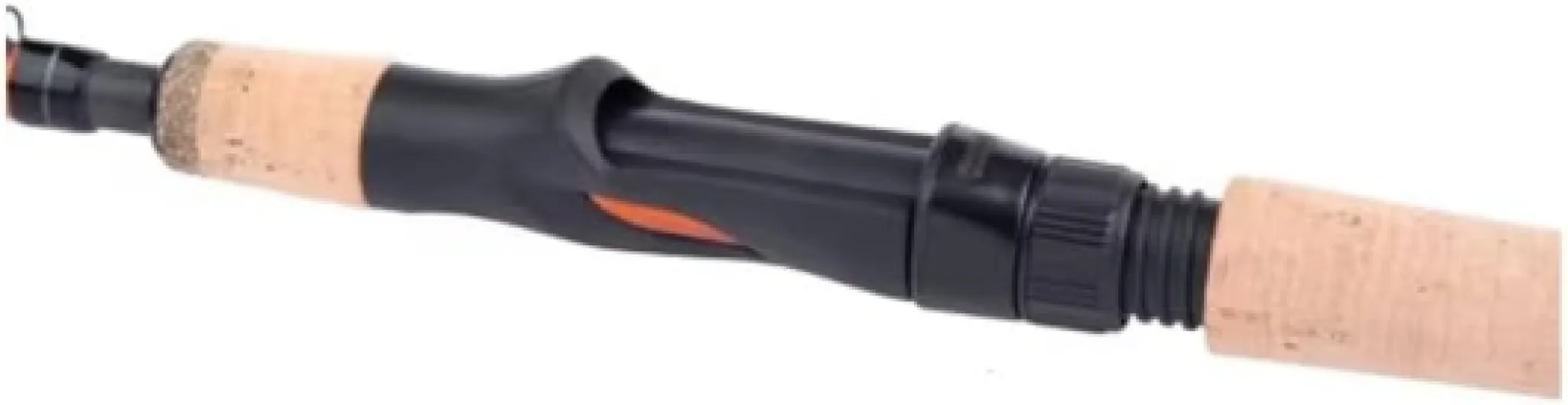
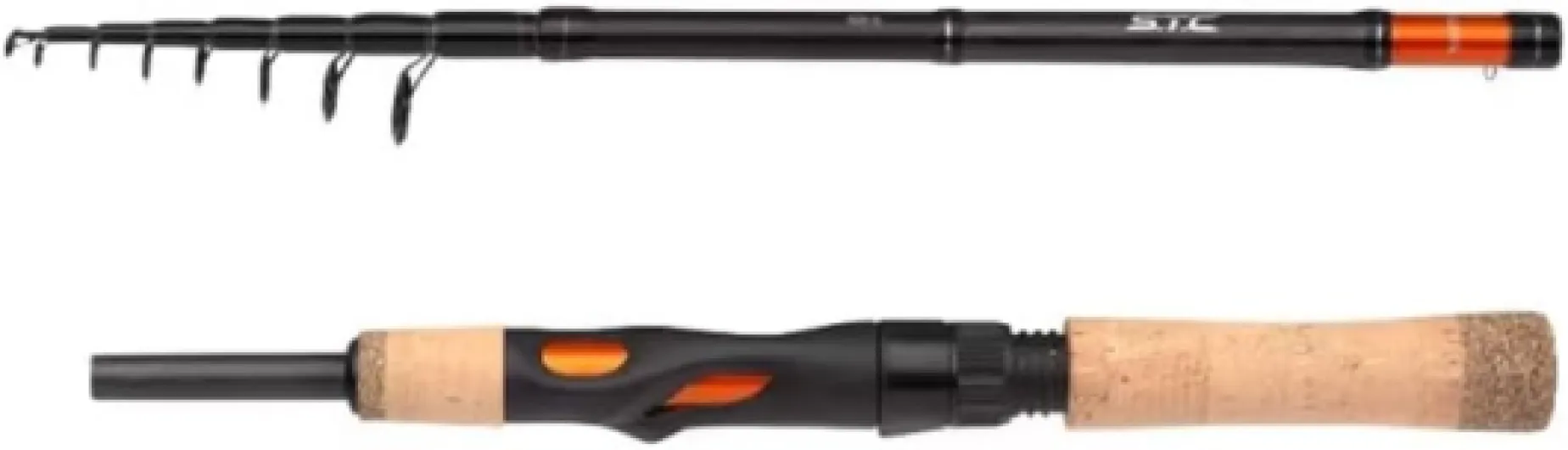
The main design idea is clear: make a spinning rod that becomes tiny when packed. The 1.80 m length collapses into lots of short sections, and that’s why the transport length is around 40 cm. There’s also a separate handle, which is what lets them keep the case this short. You screw the handle on, extend the telescopic sections, and you’re ready. It’s a bit more fiddly than a basic 2‑piece rod, but still quick once you get used to the order of the sections.
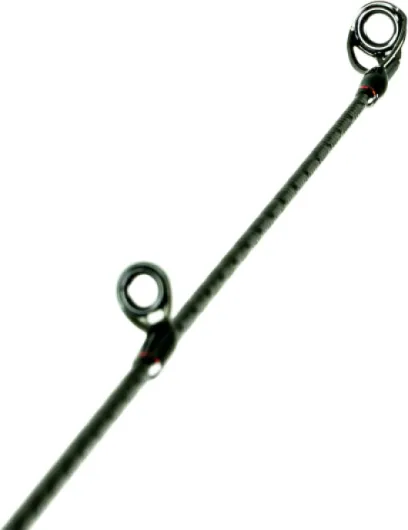
Because of all those sections, the rod has more guides than usual, and they’re small and quite close together, especially toward the tip. That helps line control and keeps the action somewhat consistent, but it does mean you have to be a bit more careful when threading the line and checking that all sections are fully extended. If one section isn’t locked properly, you feel a weird flat spot on the cast or retrieve.
In use, the design compromises show a bit. The rod is slimmer and lighter than many cheap telescopic rods, but you still feel that multi‑section nature. The action is advertised as moderate fast, and I’d agree: the tip bends enough to cast small lures and protect light line, but the backbone kicks in quickly. That’s fine for 3–10 g lures. Once you push closer to 14 g, the rod feels a bit overloaded on harder casts, so I mostly stayed in the 4–12 g zone.
Overall, the design is very much “portability first”. It’s not a pretty showpiece, and it doesn’t feel like a one‑piece jigging rod, but it’s more refined than most bargain telescopics you find in supermarkets. If you accept that it’s built around compactness rather than pure sensitivity, the design choices make sense.
Comfort and handling on the water
In terms of comfort, the rod is light enough that a few hours of casting small lures isn’t tiring. At 1.80 m, it’s short, which is good for tight spots on small rivers, harbors, or fishing from rocks where you don’t have much room to swing. If you’re used to 2.40–2.70 m rods for shore fishing, this will feel a bit stumpy, but for close‑range work it’s actually comfortable.
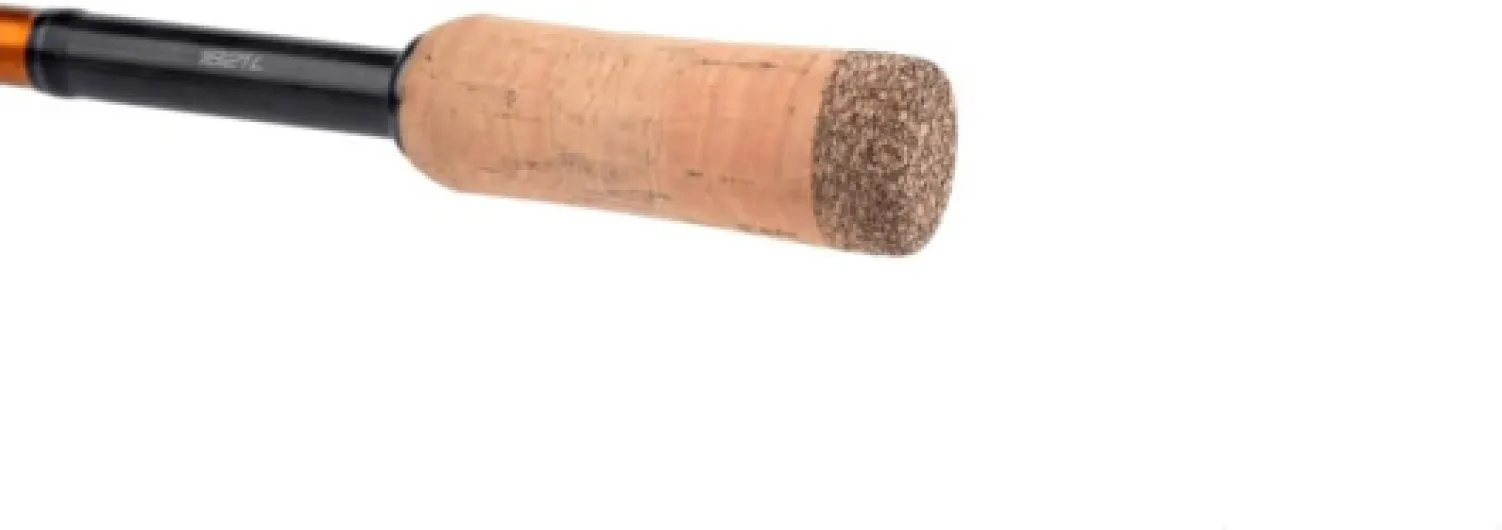
The handle length is on the shorter side, which I like for light spinning. You can hold it comfortably with a finger on the blank above the reel seat for better bite detection. The grip material doesn’t feel slippery even when wet, and I had no problem using it without gloves in cooler weather. After a full morning of casting 5–10 g lures, I didn’t notice any wrist pain or fatigue, which is usually my sign that the balance is okay.
Where comfort drops slightly is in the setup/pack‑down routine. You have to extend several sections in the right order and make sure each joint is properly seated. It becomes automatic after a few sessions, but it’s still more steps than a simple 2‑piece rod. Same when packing: I always wipe the sections quickly to avoid sand or grit getting into the joints, otherwise they start to feel scratchy, which isn’t pleasant.
On the water, casting is fairly smooth for a telescopic. You can’t just whip it as hard as a 2‑piece blank; you have to be a bit more controlled, especially near the 14 g limit. Once you get used to that, it’s a comfortable little rod to fish with. Not luxurious, but practical and light enough that you forget about it when you’re focused on the water.
Materials and build: carbon blank but not magic
The rod uses a full carbon blank with Shimano’s Nanosheet technology, which on paper should mean a lighter, stronger blank for the number of sections involved. In the hand, it does feel lighter and crisper than the usual glass-heavy telescopic rods. With a 2000 size reel, the balance point sits roughly around the front of the reel seat, so it doesn’t feel tip‑heavy despite all the small sections.
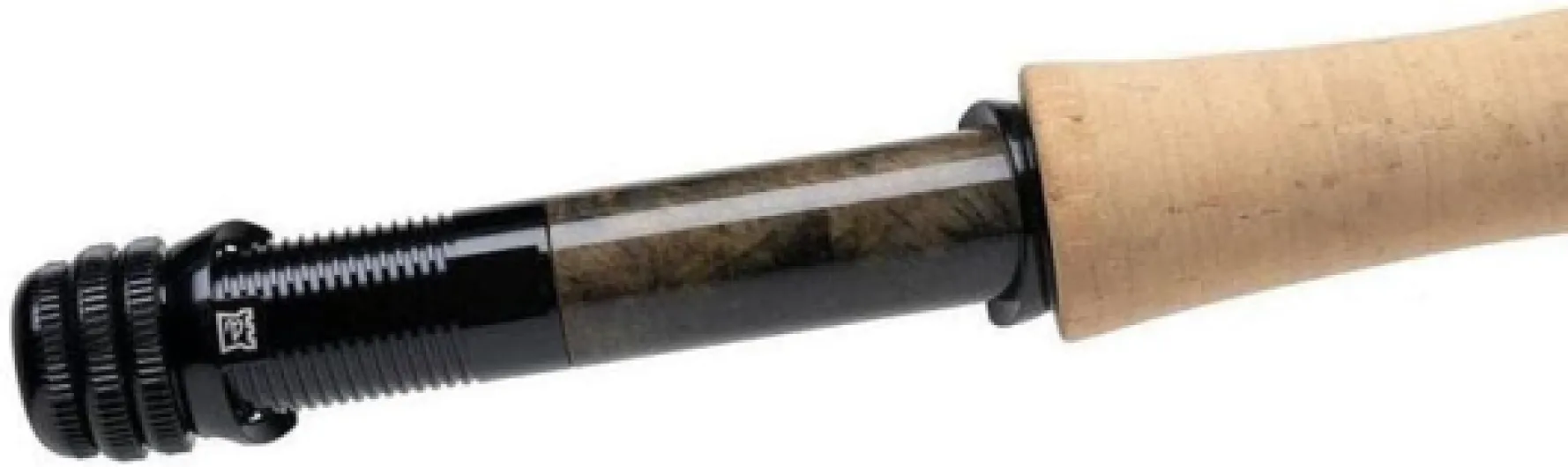
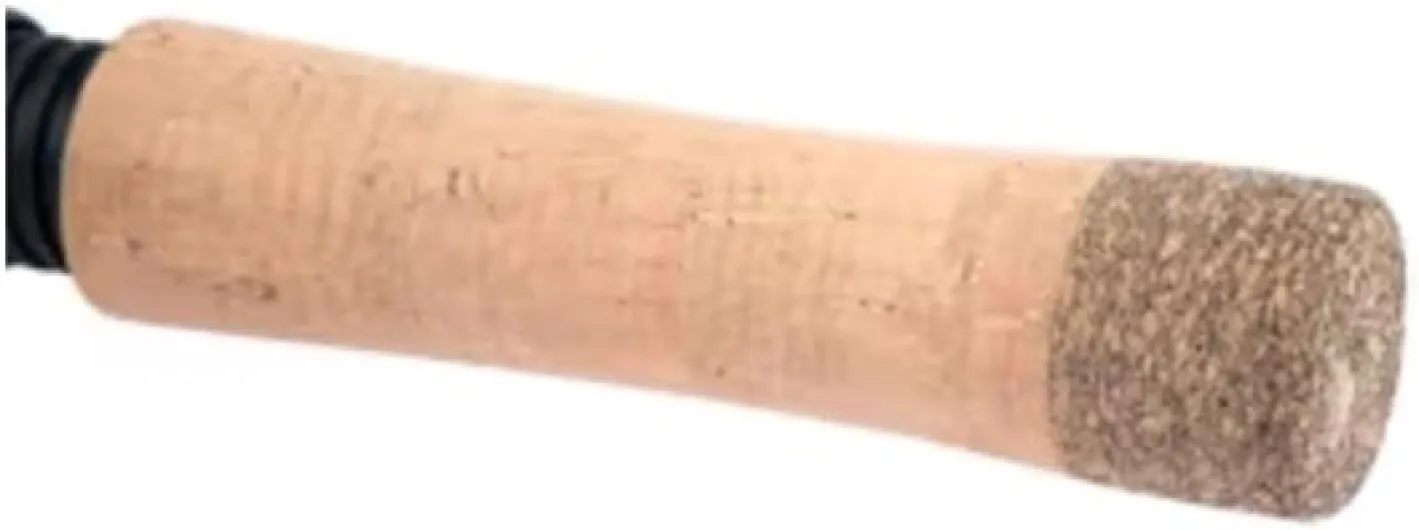
The guides and reel seat are decent but nothing special. They get the job done. The guides are aligned straight on my unit, no weird bends or misplacements. Inserts look smooth, and I didn’t notice any line fraying after using 0.10–0.12 braid and 0.20–0.22 mono leaders. The reel seat clamps down firmly; I ran a Shimano 2500 and a small Daiwa 2000 on it and both sat tight with no wobble. The cork/EVA mix on the handle is okay: not luxury, not trash, just standard mid‑range Shimano feel.
Where you feel the limits of the materials is when you load the rod hard on snags or stronger fish. The blank recovers reasonably fast, but you can feel small flat spots as the multiple sections flex. It’s not dangerous, just not as smooth as a 2‑piece carbon rod. Also, with so many joints, you have more potential weak points. I always check each section before fishing, especially the tip, to make sure nothing has loosened during transport.
In short, the materials are pretty solid for a travel rod: proper carbon, sensible guides, decent handle. It’s not a fragile toy, but it’s also not indestructible. Treat it like a light spinning rod, not like a boat rod, and the materials feel adequate. If you’re rough on gear or often high‑stick fish, this probably isn’t the tool for you.
Durability after a few trips
I haven’t had it for years, but after several trips and some rough handling, I have a rough idea of the durability. The good news: no broken sections, no loose guides, and no cracks so far. I’ve accidentally banged the case around in the car and on trains, and the hard case has taken the hits instead of the rod. For travel use, that case is a big part of the durability story.
On the water, I’ve pulled out of snags a few times, trying not to high‑stick too much, and the rod held up. You do feel it’s not made for brutal abuse: if you are the type to wrench hard on stuck lures, you’ll probably end up breaking a thin section sooner or later. The joints between sections still slide smoothly, but I’ve made a habit of wiping them quickly before collapsing the rod, especially after fishing sandy or salty spots.
Long term, the weak points are obvious: lots of sections, thin carbon, and small guides. Each of those is a potential failure point if you’re careless. It’s not a rod I’d lend to a total beginner or a kid without explaining how to open and close it properly. If you treat it with basic care—no crazy bending angles, no throwing it loose in the trunk, no collapsing it while dirty—it should last a good while.
So in terms of durability, I’d rate it as “pretty solid for what it is, but not bombproof.” There’s better in pure strength if you go for shorter, heavier telescopics, but those don’t fish as nicely. Here you’re trading some robustness for lighter weight and better action. Just don’t expect it to survive the same abuse as a thick, cheap fiberglass telescopic rod.
Performance: decent light spinning, with clear limits
Performance-wise, I’d call it “decent but nothing more”, which for a mini telescopic rod is already not bad. With 5–8 g lures (small hardbaits, spinners, and jigheads with 2–3 inch soft plastics), the rod loads well and casts a reasonable distance. You’re not bombing lures to the horizon, but for small rivers, canals and harbor edges, it’s enough. The moderate fast action helps to sling light lures without feeling too stiff.
Bite detection is okay. You feel clear taps from perch and trout on braid, and you can follow the movement of a small jig along the bottom. It’s not ultra-sensitive like a high‑end one‑piece rod, but I never felt blind. Hooksets on small to medium fish are firm, and the blank has enough backbone to steer fish away from structure. I landed perch, small trout, and a couple of mid‑size sea bass in calm conditions without feeling undergunned.
Where the rod shows its limits is at the top end of the lure rating and when you hook something bigger in current. Throwing close to 14 g, the blank feels a bit overloaded on aggressive casts, so I toned it down and stayed more in the 3–12 g zone. On a stronger fish, the multiple sections flex and you get a slightly mushy feeling compared to a 2‑piece rod. It still handles the fight, but you lose a bit of precision when pumping and steering.
For what it’s designed to do—light spinning while traveling or on casual sessions—the performance is acceptable. If you expect it to fish like your main spinning combo, you’ll probably be slightly disappointed. If you treat it as a secondary rod that lets you fish when you otherwise wouldn’t bother carrying gear, it does its job quite well.
What you actually get in the case
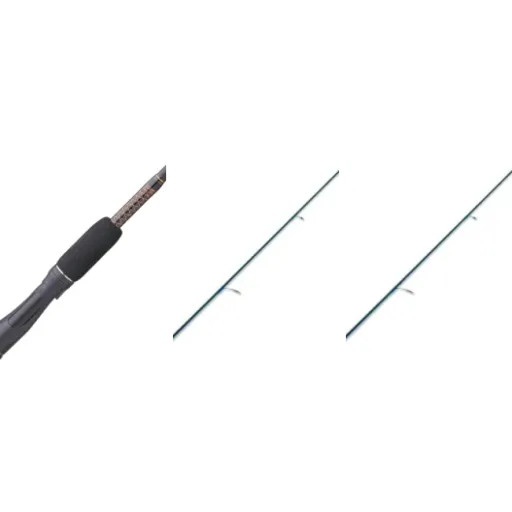
On paper, the SHIMANO STC AX Mini Tele Spinning 1.80 m is a 10‑piece construction rod (including the handle sections) with a casting range of 3–14 g and a moderate fast action. In the box you basically get two things: the rod itself and a compact hard case with a bulge to allow you to store it with a reel mounted. No reel, no extras, just the rod in its case. Weight is around 300 g including the case, which is easy to carry in a daypack.
The case is one of the key points. It’s short (around 40 cm), semi‑rigid, and has enough room to keep a 1000–2500 size spinning reel attached. That means when I head out, I just grab the case and a small lure box and I’m fishing in 2 minutes. No assembling multiple long sections or dealing with a separate rod tube. For someone who fishes before/after work or on holiday walks, that’s actually useful in practice.
The rod itself is a telescopic blank with a separate handle that screws in. You slide out each tiny section until it locks, then you’re at full 1.80 m length. Guides are small and fairly closely spaced, as expected on a multi‑section telescopic rod. It’s designed for light lines and smaller lures, not heavy braid and big plugs. Shimano describes it as suitable for both fresh and light saltwater, which fits with the 3–14 g rating and the moderate fast action they talk about.
So in short: the presentation is focused on portability and light spinning. You’re buying a compact system more than a pure performance rod. If you expect it to compete with your regular 2‑piece spinning rod in the same price range, you’ll probably feel a bit underwhelmed. If you see it as a travel compromise that still fishes decently, it makes more sense.
Pros
- Very compact transport length with a practical hard case that fits a mounted reel
- Decent light-lure performance with a usable moderate fast action
- Lighter and nicer to fish than most cheap telescopic rods
Cons
- Price feels high compared to 2-piece rods with better sensitivity and casting
- Multi-section telescopic design needs careful handling and isn’t ideal for heavy use
- Action and feel clearly behind a good 2-piece or 4-piece travel rod in the same budget
Conclusion
Editor's rating
The SHIMANO STC AX Mini Tele Spinning 1.80 m is a niche tool that makes sense if you really care about portability. It packs down tiny, the hard case is practical, and on the water it behaves like a decent light spinning rod rather than a toy. For perch, trout and light saltwater work with small lures, it gets the job done reliably. The moderate fast action, carbon blank and sensible guide layout make it pleasant enough to fish, as long as you stay within the 3–12 g comfort zone.
It’s not perfect though. You feel the compromises of the multi‑section telescopic design: a bit less sensitivity, slightly mushy feel under heavy load, and more care needed when extending and collapsing the rod. Durability is fine if you treat it right, but it’s not a rod for rough, careless use. And for the price, you can find 2‑piece rods that simply fish better, so the value really depends on how much you’ll use that 40 cm transport length.
If you travel a lot, move around by public transport, or want a compact combo permanently in your backpack or car, this rod is a sensible option. If you mostly fish close to home and can easily carry a normal rod, I’d skip it and put the money into a better 2‑piece or a 3–4 piece travel rod. In short: handy, fairly well made, and functional, but mainly worth it for anglers who actually need the portability.