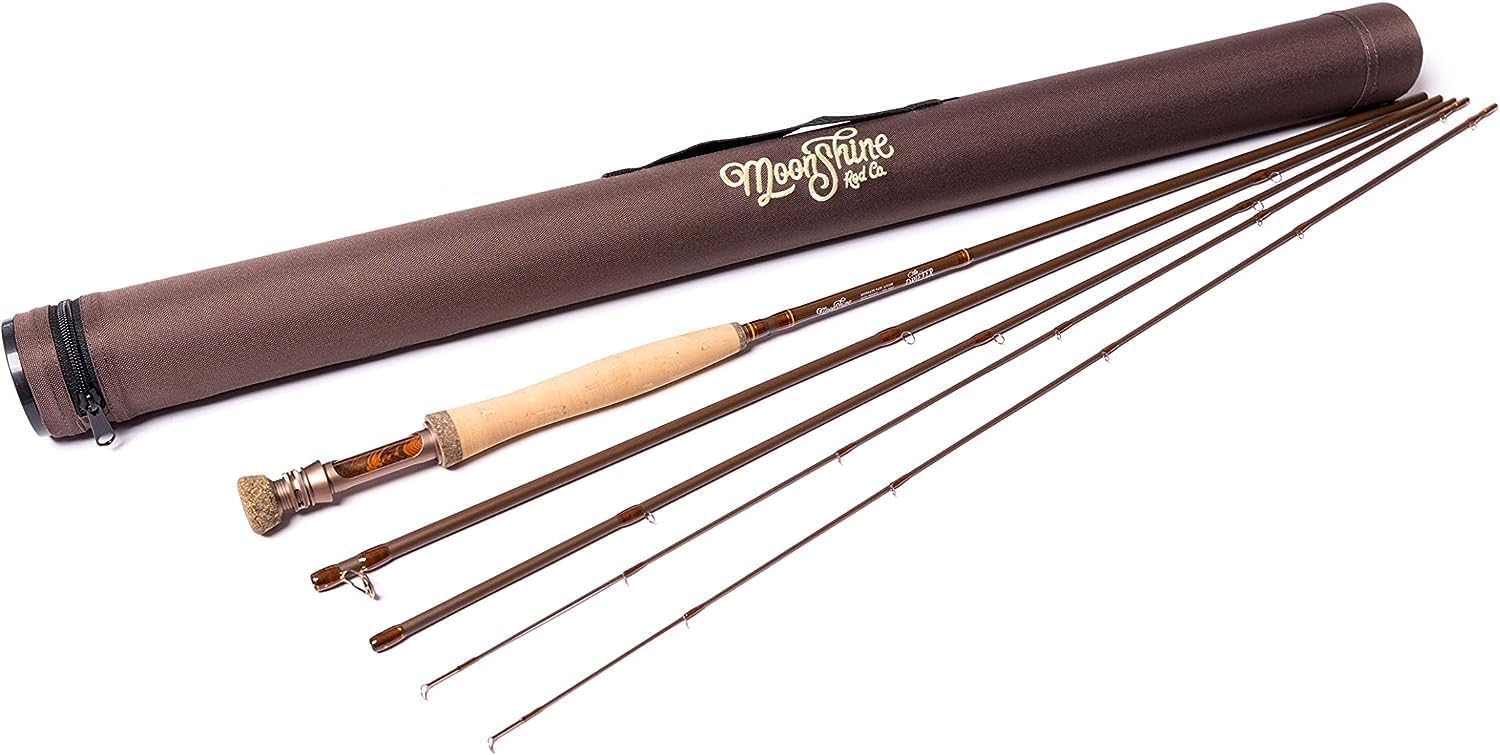
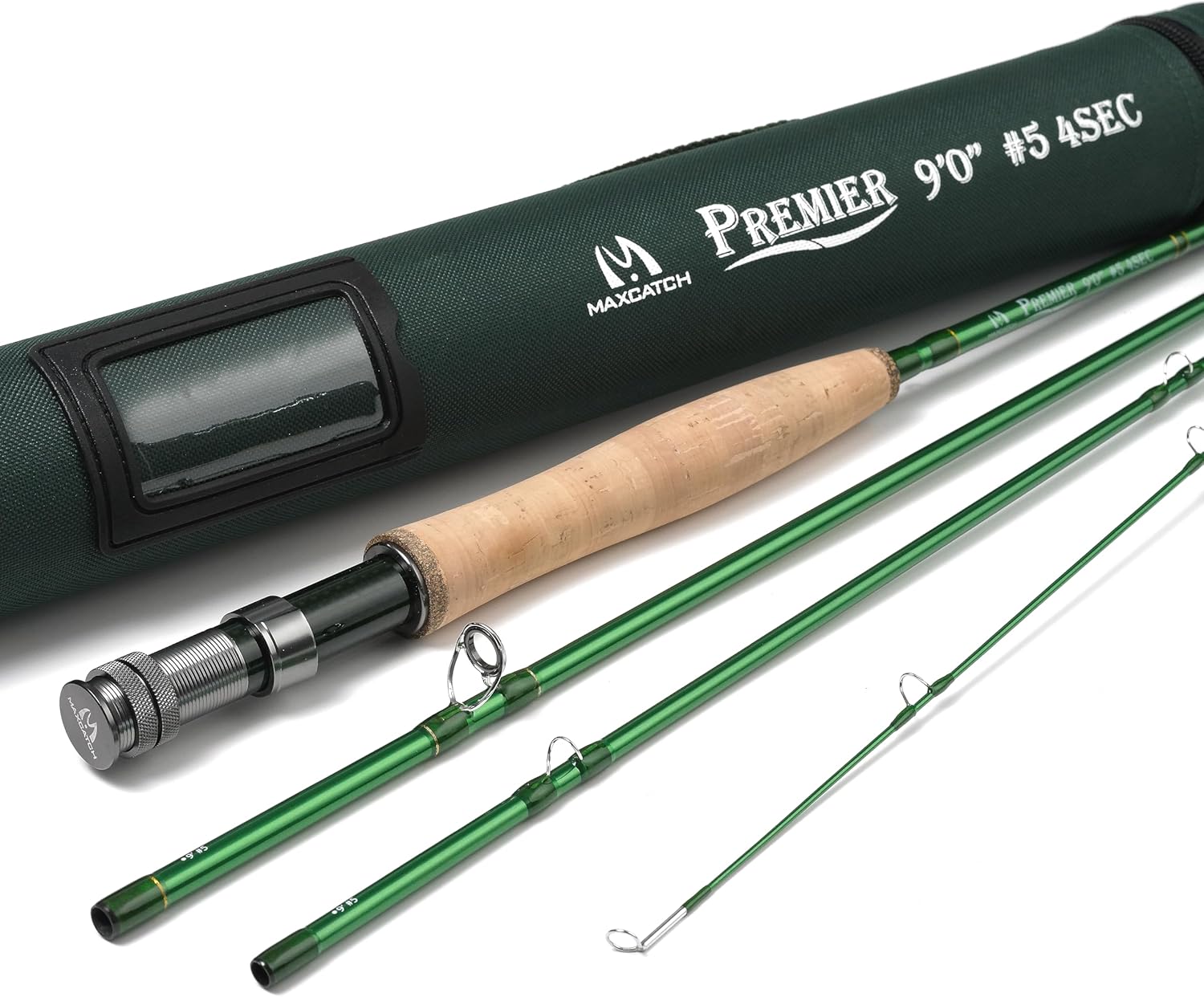
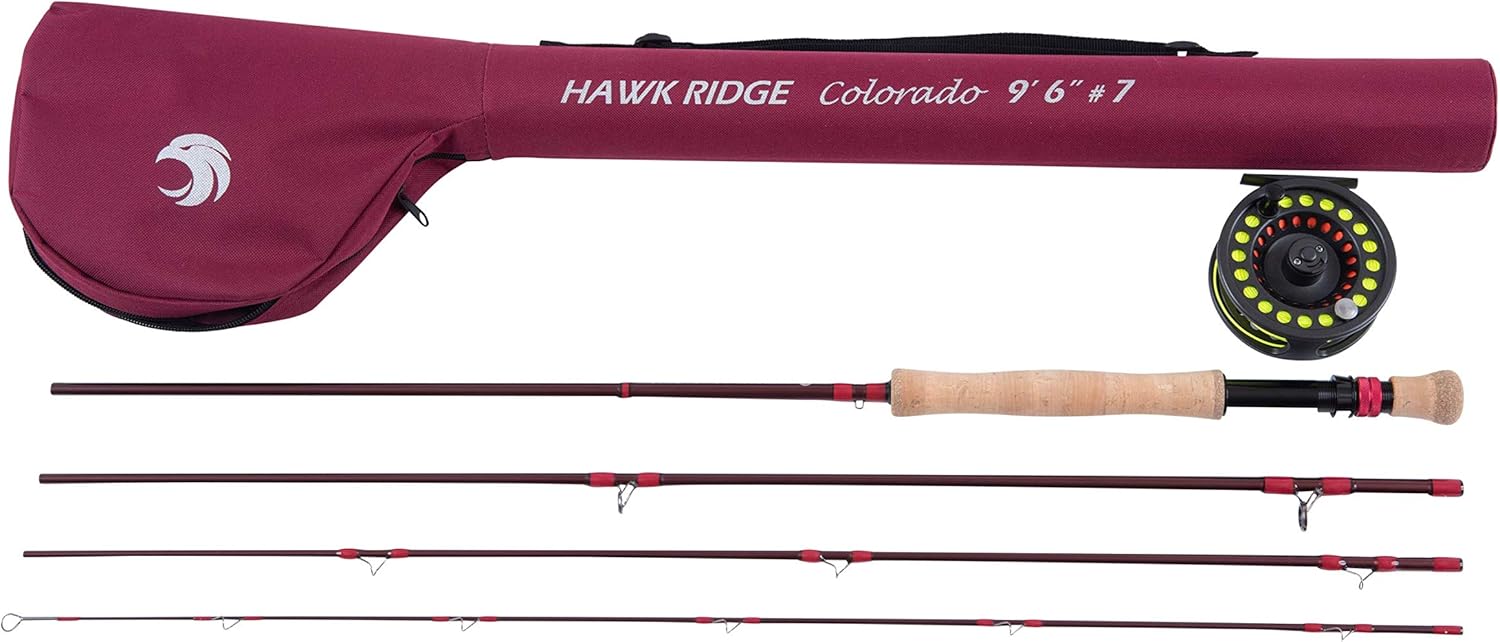
Key features that define performance in modern fly rods
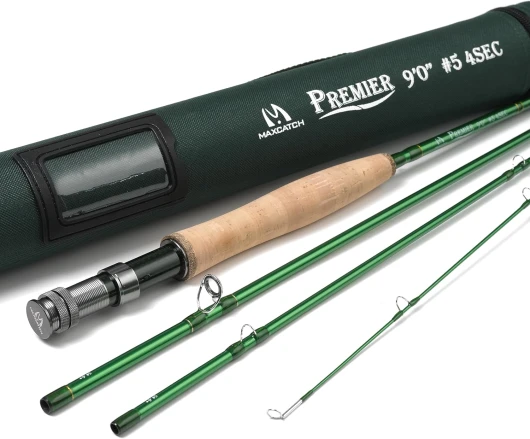
Several key features consistently appear in the best fly rods used by serious trout anglers. First, the relationship between rod length in feet and line weight determines how well the rod handles different fishing situations. A 9 feet, 4 weight fly rod excels for delicate dry flies, while a 9 feet, 6 weight fly rod offers more power for wind and larger fish.
Second, action rods are tuned for specific casting styles and distances. Fast action designs store energy high in the blank, rewarding a crisp casting stroke and generating longer casts with minimal false casting. Medium fast and medium action rods flex deeper, which helps newer anglers feel the load and time their cast more easily.
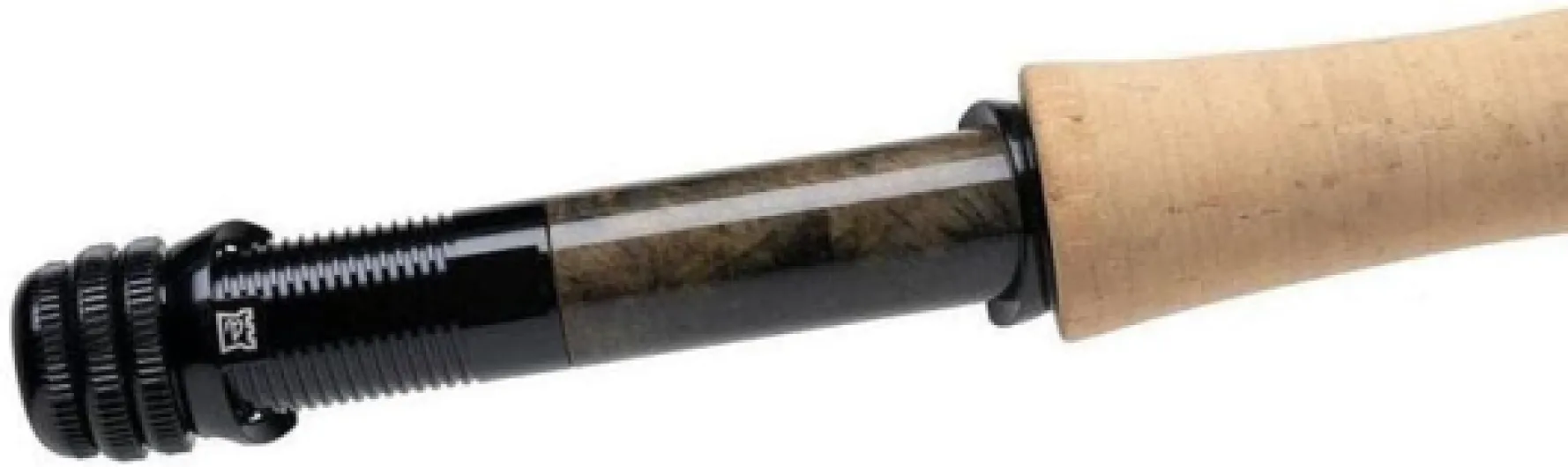
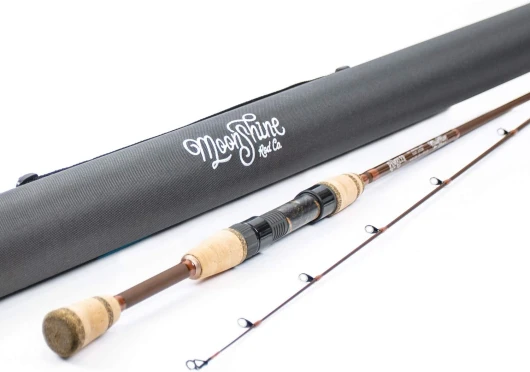
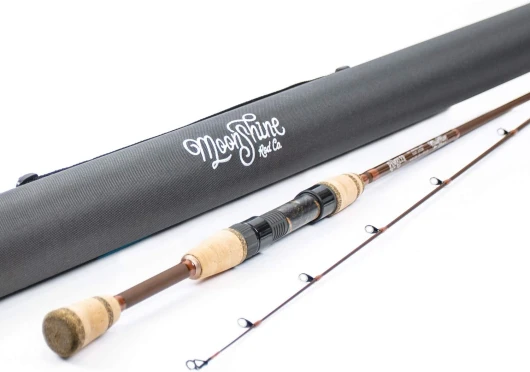
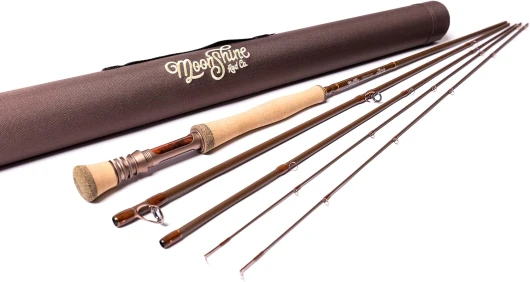
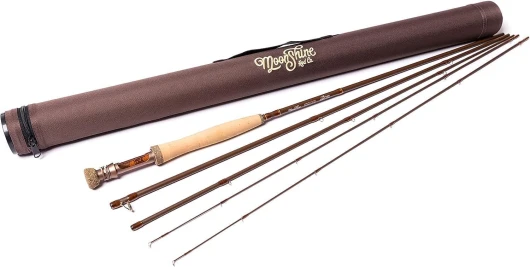
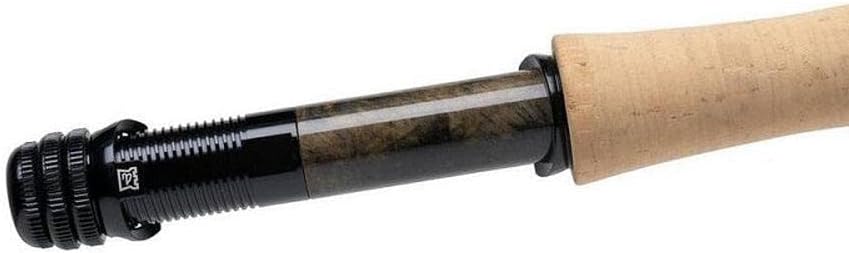
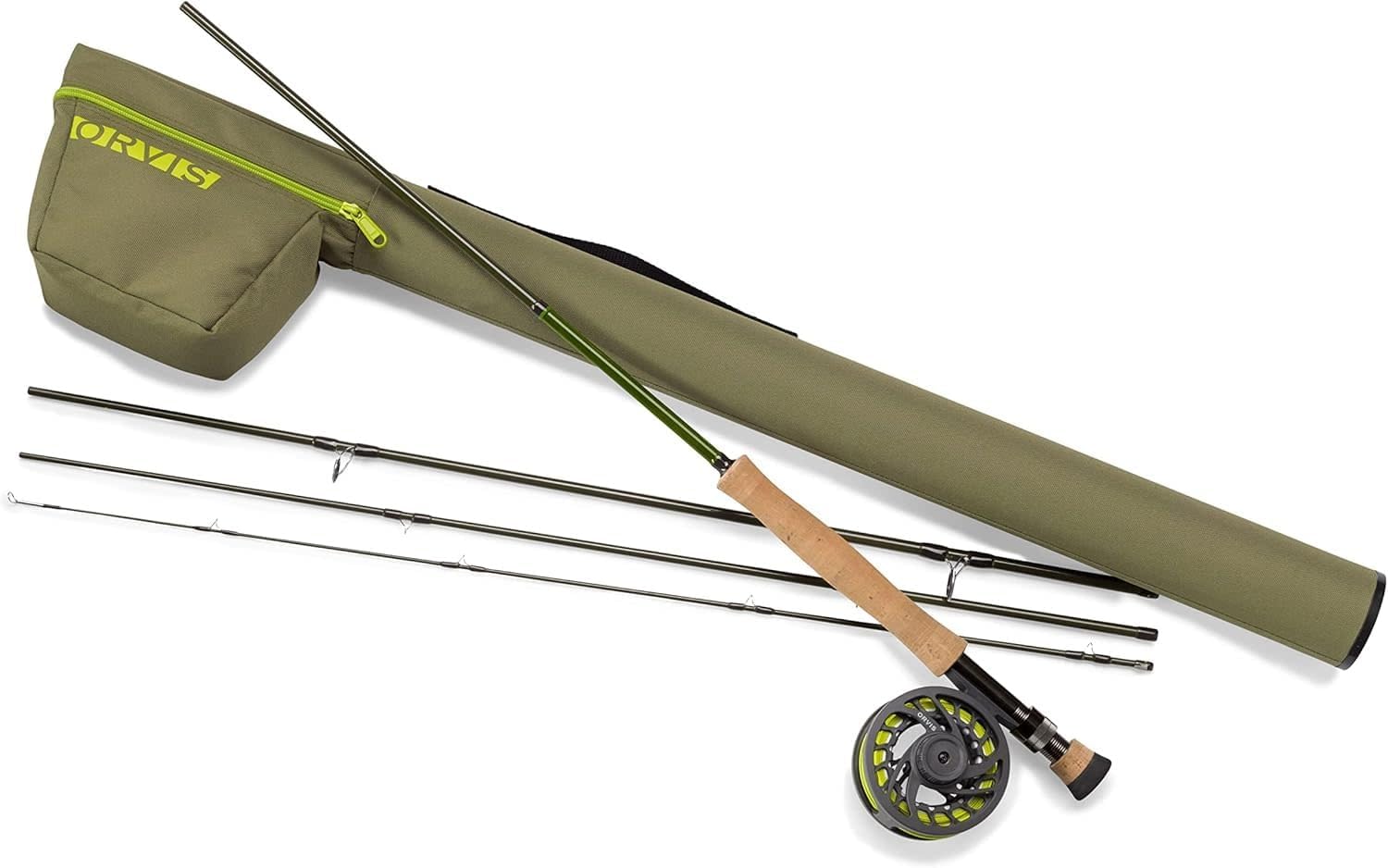
Third, grip shape and hardware influence how the rod felt during a long day of fly fishing. Many of the best fly rods for trout feature a half wells grip that supports subtle wrist movement while maintaining comfort. Quality reel seats, guides, and alignment dots may seem minor, yet they contribute to a more refined fly rod experience.
Warranty support also matters when choosing the best fly rods for long term use. A strong lifetime warranty, especially when transferable from the original owner, signals confidence in build quality and durability. Brands like Orvis have built reputations by backing their fly rods with responsive service and clear repair policies.
Finally, consider how your fly rod choice fits into your broader fishing gear system. Mid range rods often deliver excellent performance without premium pricing, leaving budget for waders, lines, and appropriate tournament clothing such as a dedicated fishing tournament shirt. When all these key features align, the result is a fly rod that feels intuitive, casts accurately, and supports confident trout fishing in varied conditions.
Matching rod weight, action, and length to trout fishing scenarios
Selecting the best fly rods starts with matching rod weight and action to your water. On small streams with wary trout, a 8 feet, 3 or 4 weight fly rod with medium action often shines. This lighter weight fly setup protects fine tippet, presents dry flies gently, and keeps the casting stroke compact under overhanging branches.
On larger rivers where longer casts and wind are common, a 9 feet, 5 or 6 weight fly rod with fast action usually performs better. The extra power in fast action rods helps punch casts through breeze, mend line across complex currents, and steer strong fish away from structure. Many anglers consider a 9 feet, 5 weight fly rod the best fly choice for all round trout fishing versatility.
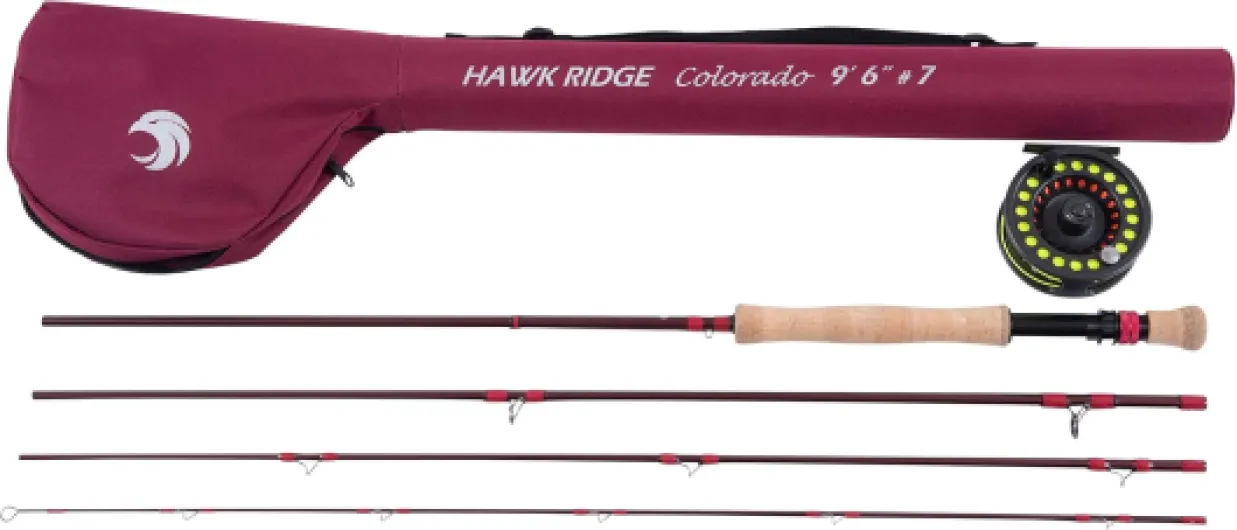
When you fish stillwaters or need truly longer casts, stepping up in both length and line weight can be helpful. A 9 feet 6 inches or 10 feet, 6 weight fly rod offers more reach for line control and indicator rigs. In these situations, the rod felt more stable during distance casting, especially when paired with an appropriate weight fly line.
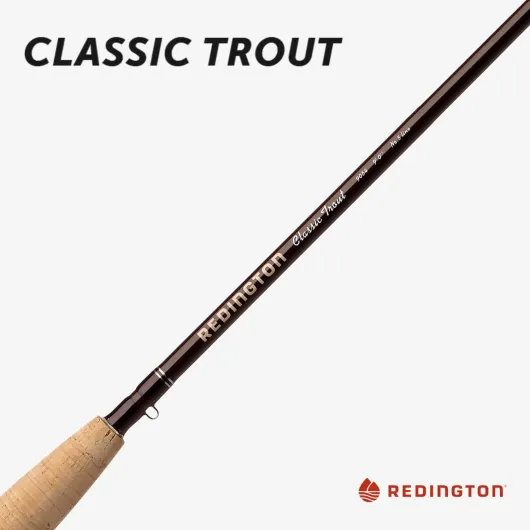
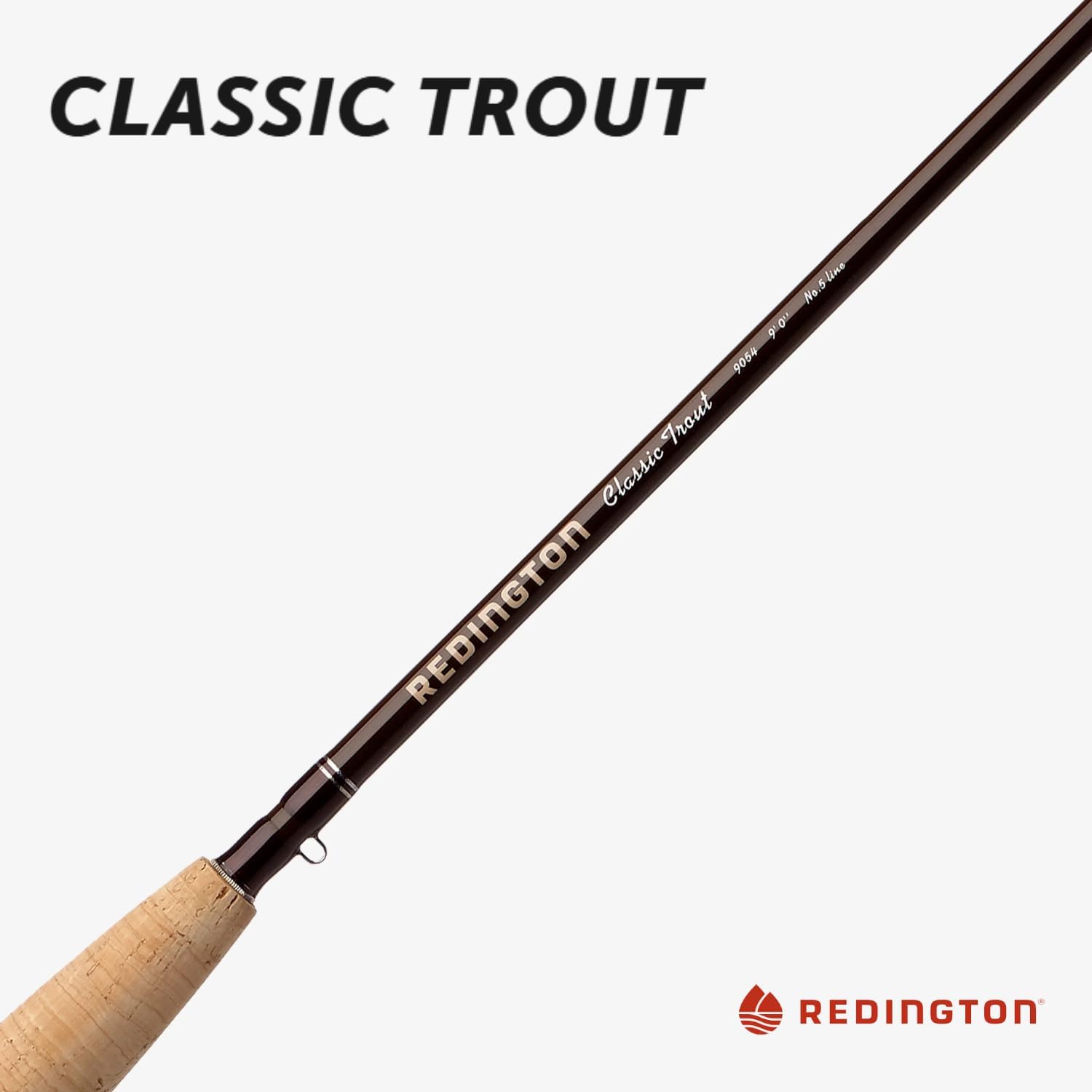
Action also influences how the best fly rods handle different flies and techniques. Classic trout tapers with medium fast action excel for dry flies and light nymphs, giving a smooth casting stroke and excellent feel during short casts. Faster action rods bring extra power for streamers, sink tips, and windy days, though they demand slightly more precise timing from the angler.
Recreational fishermen who plan to join a local event or their first competition should consider how their fly rods will perform under pressure. Reading an insider guide to recreational fishing tournaments can clarify which rod weight and action best match typical formats. Aligning rod choice with realistic trout fishing scenarios ensures that your best fly rods remain useful season after season.
Evaluating feel, casting stroke, and real world performance
On paper, many fly rods look similar, so on water testing becomes essential. The best fly rods reveal their character through how the rod felt during varied casts, mends, and fights with fish. Pay attention to how quickly the fly rod recovers after the casting stroke and how clearly you sense the line loading.
With fast action rods, a shorter, crisper casting stroke usually works best. These designs reward precise timing and can generate impressive longer casts when the angler maintains steady acceleration. For many recreational fishermen, a medium fast or medium action fly rod offers a more forgiving rhythm, especially when learning new casting techniques.
When you evaluate a potential best fly rod, test it with the actual weight fly line you plan to use. Some rods feel better slightly overlined, especially fast action models that benefit from a heavier head to engage the blank. Others, particularly classic trout and medium action rods, perform beautifully with a true to weight fly line that preserves delicacy.
During trout fishing, note how the rod manages both short and medium range casts. A great fly rod should roll cast cleanly, present dry flies with control, and still have enough power for occasional distance work. If the rod felt unstable or overly stiff at normal fishing distances, it may not qualify among the best fly rods for your style.
Real world performance also includes how the rod handles different fish sizes and species. Whether you are targeting trout or branching into species like catfish after reading a detailed comparison of blue and channel catfish, your fly rod must protect tippet while turning strong runs. Consistent, predictable feedback from the blank builds trust, allowing you to focus on reading water and presenting flies rather than fighting your equipment.
Comparing premium, mid range, and entry level fly rods
Price alone does not determine which models qualify as the best fly rods for recreational fishermen. Premium fly rods often feature advanced materials, refined tapers, and meticulous finishing that enhance feel and reduce overall weight. However, many mid range fly rods now deliver excellent casting performance, durable hardware, and reliable trout fishing capability at more accessible prices.
When comparing options, consider how the rod felt in hand before and after mounting a reel. A well balanced fly rod reduces fatigue, supports a smooth casting stroke, and keeps your wrist relaxed during long days of fly fishing. Entry level rods may weigh slightly more in grams, yet still provide a forgiving medium fast action that helps newer anglers learn timing.
Brands such as Orvis offer broad series that span from entry level to flagship fly rods. Within a single series, you may find both fast action and medium action tapers, each tuned for specific fishing applications. Evaluating these side by side clarifies which action rods best match your preferred flies, typical fish size, and casting distance.
Warranty terms also influence long term value when choosing the best fly rods. A robust lifetime warranty, especially when clearly defined for the original owner, can offset higher initial cost. Mid range rods with dependable service policies often represent the best fly choice for anglers who fish frequently but do not need ultra premium cosmetics.
Ultimately, the best fly rod for you is the one that supports your real fishing habits. If a mid range, 9 feet, 5 weight fly rod with medium fast action helps you cast dry flies accurately and land trout efficiently, it may outperform a more expensive but mismatched model. Prioritizing feel, action, and appropriate weight fly ratings over prestige leads to more satisfying days on the water.
Practical setup tips for maximizing performance from the best fly rods
Even the best fly rods require thoughtful setup to reach their full potential. Start by pairing each fly rod with a line that matches both its rated weight and its action profile. Fast action rods often benefit from slightly heavier heads that help the angler feel the load during the casting stroke.
For classic trout and medium action rods, a true to weight fly line usually preserves delicacy and control. This combination excels when presenting dry flies to selective trout in clear water, where subtle landings matter. In contrast, when you prioritize longer casts with streamers or nymph rigs, a more aggressive taper can help the rod felt more powerful.
Grip choice also influences comfort and precision in fly fishing. Many of the best fly rods for trout feature a half wells grip, which supports fine wrist adjustments while maintaining stability. This design works well across a range of rod weights, from light 3 weight fly rods to versatile 6 weight fly rods used for larger fish.
Regular maintenance protects both performance and warranty coverage for your fly rods. Rinse guides after fishing in dirty water, check ferrules for grit, and store rods in protective tubes when not in use. Respecting manufacturer guidelines helps ensure that any lifetime warranty remains valid for the original owner and that the rod felt consistent season after season.
Finally, practice with your chosen best fly rod in realistic trout fishing scenarios before important trips. Work on roll casts, reach mends, and slack line presentations that match your local rivers and fish behavior. As your casting stroke adapts to the specific action rods you own, each fly rod becomes an extension of your intent rather than a barrier between you and the water.
How to choose a versatile all round trout fly rod
For many recreational fishermen, owning a single, versatile trout setup is the most practical approach. In that context, the best fly rods usually fall in the 9 feet, 4 to 6 weight range, with a medium fast or fast action. A 9 feet, 5 weight fly rod remains a classic trout standard because it balances delicacy with enough power for varied flies and fish sizes.
When testing candidates for your primary fly rod, pay close attention to how the rod felt at typical fishing distances. Most trout fishing occurs between 8 and 18 metres, where line control and accuracy matter more than extreme distance. The best fly choice will roll cast cleanly, handle dry flies and small nymphs, and still manage occasional longer casts when needed.
Evaluate how different series from reputable brands such as Orvis align with your needs. Some series emphasize fast action performance for windy conditions and larger rivers, while others focus on classic trout tapers with more moderate flex. Reading specifications is helpful, but only casting reveals which action rods truly complement your natural casting stroke.
Consider also the environments where you most often fish and wade. If you frequently walk long distances along rivers, a lighter mid range rod with a comfortable half wells grip may reduce fatigue. In contrast, if you mainly fish from a boat, a slightly heavier rod with extra power for longer casts and bigger fish might be the best fly rod for your situation.
Ultimately, the best fly rods for all round trout fishing share several traits. They feature balanced weight fly ratings, responsive yet forgiving actions, durable hardware, and supportive warranty policies that protect the original owner. When a rod felt intuitive from the first few casts and continues to perform across seasons, you have likely found your personal best fly rod.