
Summary
Editor's rating
Value: expensive for a fender, cheaper than fixing gelcoat
Design: shape and strap that actually suit modern hulls
Materials: tough foam and a strap that stays dry
Durability: built to last, but the strap is the weak point to watch
Performance on the water: setup speed and day-to-day use
What you actually get in the box
Effectiveness: does it actually protect better than a sausage fender?
Pros
- Very easy and fast to adjust height thanks to integrated strap and locking system
- Shape and angled hang protect both above and below the rub rail and don’t roll
- Durable closed-cell foam that doesn’t absorb water and hides dirt better than white fenders
Cons
- Noticeably more expensive than standard tube fenders
- Strap and locking mechanism are potential long-term weak points compared to a simple rope

Specifications
View full product page →| Brand | MISSION |
A fender for people who are sick of fighting with ropes
I picked up the MISSION SENTRY 2.0 dock fenders in black (pack of 2) because I was tired of the classic sausage fenders sliding around and needing constant knot tweaking. My boat has more curved sides and not many great tie-off points, so getting regular fenders in the right spot was always a bit of a circus. I’m not some pro captain, just a regular weekend boater who wants the hull to stay clean and not spend 10 minutes tying knots every time I pull up to a dock.
Over a few outings, I used these SENTRY fenders on a small runabout and on a friend’s pontoon, mostly on busy lake days with lots of wake. I focused on three things: how fast they are to set up, whether they actually stay in place, and if the price feels justified compared to basic tube fenders. I also paid attention to how they store on the boat, because loose round fenders rolling around in the cockpit drives me nuts.
Right away, the strap and locking system felt more "modern" than the old rope setup. No knots, no guessing which hole to use, just slide to the right height and lock. That part is honestly pretty satisfying. But once the novelty wears off, the real question is whether they hold up when the dock is bouncing and boats are throwing wakes. I had a couple of good chances to test that on a choppy afternoon, and that’s where these started to justify their price.
They’re not perfect, and I do think they’re pricey for what is basically shaped foam with a clever strap. But compared to standard fenders, the SENTRY feels like a clear upgrade in usability and protection on modern hull shapes. If you’re fine with old-school bumpers and your boat is already scratched up, you might shrug at these. If you baby your gelcoat and hate messing with ropes, they start to make a lot more sense.
Value: expensive for a fender, cheaper than fixing gelcoat
Let’s be honest: these are not cheap. For the price of a pair of SENTRY 2.0s, you can easily buy several basic sausage fenders. That’s why a lot of the mixed opinions online revolve around cost, not performance. Functionally, they’re better than standard fenders in most situations I tried. But you really have to decide if the extra convenience and protection are worth the premium on your boat and your budget.
If you have a newer boat with clean gelcoat and you hate dock rash, the math is pretty simple. Gelcoat repair is expensive, and even one decent scrape can cost more than a set of these fenders. One reviewer mentioned repair costs around $100 an inch for gelcoat, which isn’t unrealistic. In that context, paying more for fenders that actually stay in place and cover the right area doesn’t feel crazy. For me, the fact that I don’t have to fight with knots or constantly reposition them is also worth something, especially when docking solo.
On the other hand, if your boat is older, already has scrapes, or you mostly tie up in very calm, protected spots, the value is more "nice to have" than necessary. You could run cheap tube fenders, accept that you’ll adjust them more often, and pocket the difference. The SENTRY doesn’t magically make docking idiot-proof; it just makes it easier and more controlled.
So in terms of value, I’d call it good but not amazing for the right user: people with modern hulls, limited cleat space, and a low tolerance for dock damage. For casual or budget boaters who just want basic protection and don’t mind fiddling with rope, the price will feel high for what it is. It’s one of those products where you’re paying for convenience and smarter design rather than raw material cost.
Design: shape and strap that actually suit modern hulls
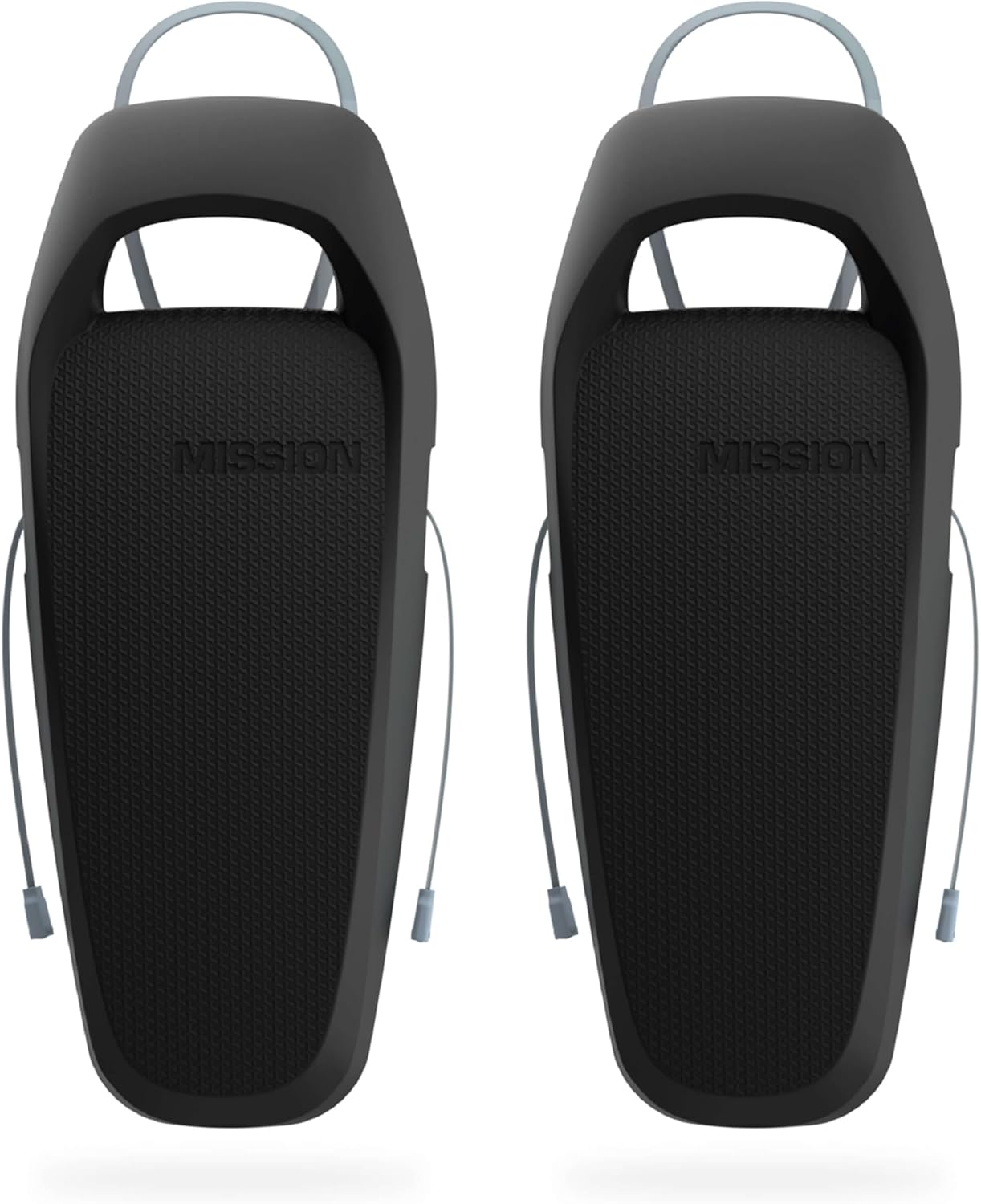
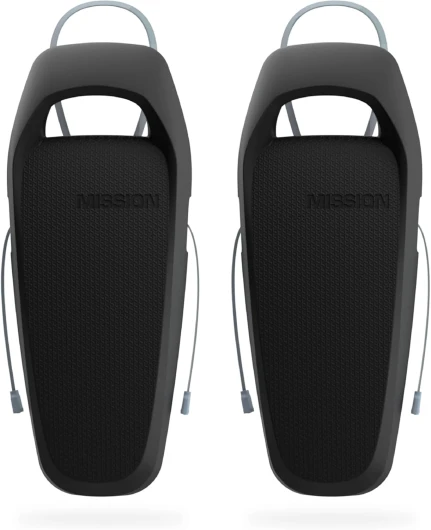
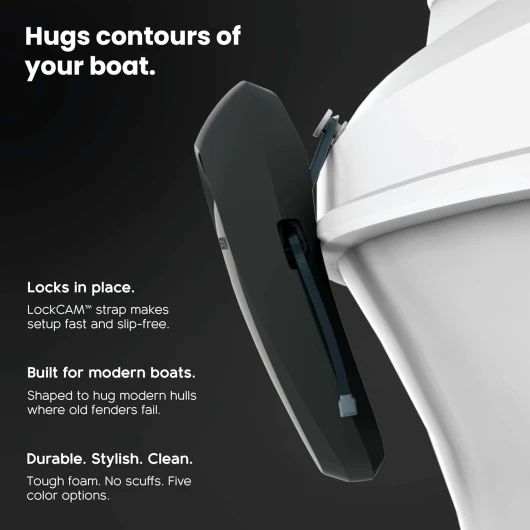
The main thing with the SENTRY design is the shape and hanging angle. Traditional tube fenders are basically cylinders that like to roll and ride up, especially when your boat has curves and no flat rub rail. These SENTRY fenders are more like a thick, contoured pad with broad shoulders and a lower hanging point. When you clip them on, they naturally sit at a slight angle that matches the hull better, especially on modern wake boats and runabouts with more aggressive lines.
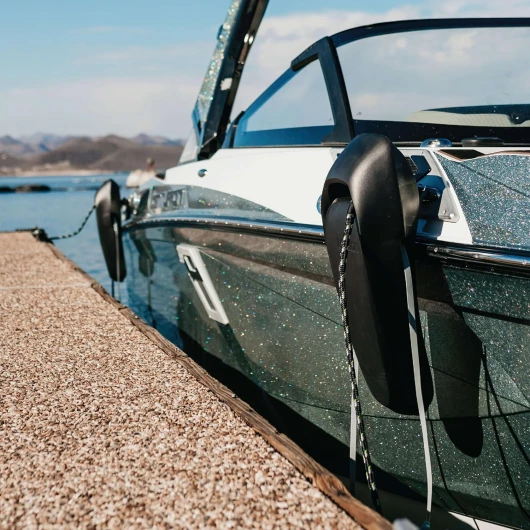
In real use, that angled hang does help. On my boat, with floating docks that don’t always line up perfectly with the rub rail, the SENTRY sat in a spot where it covered both just above and just below the rub rail. With tube fenders, I always had to choose: either protect the rub rail and leave the hull exposed, or drop them lower and risk the rail hitting the dock edge. With these, I got more coverage over the contact zone without constant fiddling.
The no-roll design is also not just a buzzword. When the boat was moving around from wakes, I noticed the SENTRY stayed planted instead of twisting and climbing onto the dock like round fenders sometimes do. That’s a big deal if you’ve ever watched a storm or heavy wake push your old fenders up onto the dock and leave your hull to take the hit. One of the Amazon reviewers mentioned a pontoon getting damaged that way, and I can totally see how this shape avoids that problem a lot better.
The strap routing and locking system are pretty clever. You slide the fender to the height you want, then push down on the top to lock it. It’s quick and doesn’t require knot skills. After a couple of uses, I could adjust each fender in a few seconds. The only small downside is that the mechanism feels like a moving part that might wear one day. I didn’t have any failures, but if something is going to break over years, it’ll probably be that lock or the strap, not the foam body.
Materials: tough foam and a strap that stays dry
The body of the SENTRY is made from a cross-linked closed-cell foam. In practice, that means it’s dense, doesn’t soak up water, and feels like it can take a beating without tearing. Unlike inflatable fenders, there’s no valve, no air chamber, nothing to puncture. You’re basically dealing with a solid block of shaped foam. I banged it against the dock edge a few times on purpose, and it didn’t show more than a light scuff. No chunks tearing off, no soft spots.
One thing I noticed is that the foam surface is slightly textured, not glossy smooth like cheap plastic. That helps it grip against the hull and the dock instead of sliding around. At the same time, it’s not abrasive. I didn’t see any marks on the gelcoat after using them for a few hours, which is obviously the whole point. They claim the material doesn’t fade, and while I can’t judge long-term UV resistance yet, it definitely feels more like a durable dock bumper than a toy float.
The strap uses their so-called DRYLINE technology, which is basically a woven strap that doesn’t stay soggy. After a couple of dockings, it was damp but dried quickly and didn’t feel nasty or waterlogged like some older nylon ropes I’ve used. A small but nice detail: because the strap is flat and not a round rope, it takes less space on the cleat, leaving room for your actual dock line. On a small boat with limited cleat real estate, that matters more than you’d think.
Overall, the materials feel built for abuse: sun, wake, and people tossing them around. They’re not soft or cushy; they’re more on the firm side, which is good for actually stopping the boat instead of just squishing flat. The only long-term question mark is how the strap and internal locking mechanism age after a couple of seasons of UV and grit. But based on the feel and current Amazon feedback, I’d say the material choice is pretty solid for the intended use.
Durability: built to last, but the strap is the weak point to watch
I haven’t had these for years, obviously, but based on a few outings and the way they’re built, I’d say the foam body is not the part you need to worry about. The cross-linked closed-cell foam feels tough and dense. I scraped it along rough dock edges and it came out with only minor cosmetic marks. No cracks, no chunks missing, and no signs of water getting in, since there’s nothing to absorb. This kind of material usually holds up well against UV too, although you’d need a full season or two to really judge that.
Color-wise, being more of a charcoal grey than pure black probably helps with fading. Even if they lighten a bit, it won’t be super obvious. One of the reasons I went with these over cheap white fenders is that traditional white ones always end up looking filthy and yellowed after a season. These darker SENTRY fenders should hide that grime a lot better, which is a small but real quality-of-life thing.
Where I do have a small concern is the strap and locking mechanism. So far, it’s been solid: no fraying, no slipping, and the lock holds even in rough water. But any moving part plus woven material is naturally more vulnerable than a solid chunk of foam. One Amazon reviewer said they were a bit worried the cable/strap might wear out and make the fender useless, and I get that. If the strap fails, you can’t really just tie a rope through the body like a basic fender.
That said, MISSION gives a 1-year manufacturer warranty, and with over 1,000 reviews at 4.4/5 on Amazon, if there were mass failures, it would probably show up by now. My gut feeling: the foam will outlast the strap hardware, but for a few seasons of regular weekend use, it should hold up fine if you’re not abusing it. Rinse it occasionally, don’t slam it under a truck tire in the parking lot, and it should keep doing its job.
Performance on the water: setup speed and day-to-day use
Day to day, the biggest performance win is how quick these are to deploy. With rope fenders, I’m always adjusting knots or moving from one cleat to another to get the height dialed. With the SENTRY, you hook the strap over the cleat or rail, slide the fender to the right height, press to lock, and you’re done. After doing it a few times, I could get both fenders set up in under a minute, which is nice when you’re coming into a busy dock and don’t want a mess on deck.
Once installed, they behave predictably. In choppy conditions with lots of boat traffic, they didn’t work loose or suddenly drop. I purposely left them on for a while while we hung out at the dock, and they stayed right where I set them. That’s a big contrast with cheaper fenders where you tie a quick knot, it slips a bit, and suddenly the hull is exposed. One Amazon reviewer mentioned using them during a rough tie-up with lots of movement and having no issues, and that matches what I saw.
Storage-wise, performance is decent. Because they’re flat, they don’t roll around the way round fenders do. I could lay them next to the engine bay and forget about them until needed. They’re still bulky, but at least you’re not chasing them when you open a hatch. No inflation/deflation needed either, so there’s no setup beyond hanging them. Just toss them in, pull them out, clip them on. Simple.
The only performance concern I have is long-term: the strap lock is doing a lot of work. If the mechanism gums up with sand or salt over time, it might not slide as smoothly. For now, everything is fine, and the strap glides and locks cleanly, but I’d probably give it a quick rinse once in a while if you’re in saltwater. Overall, in real-world use, they make docking quicker and less annoying, which is basically all I want from fenders.
What you actually get in the box
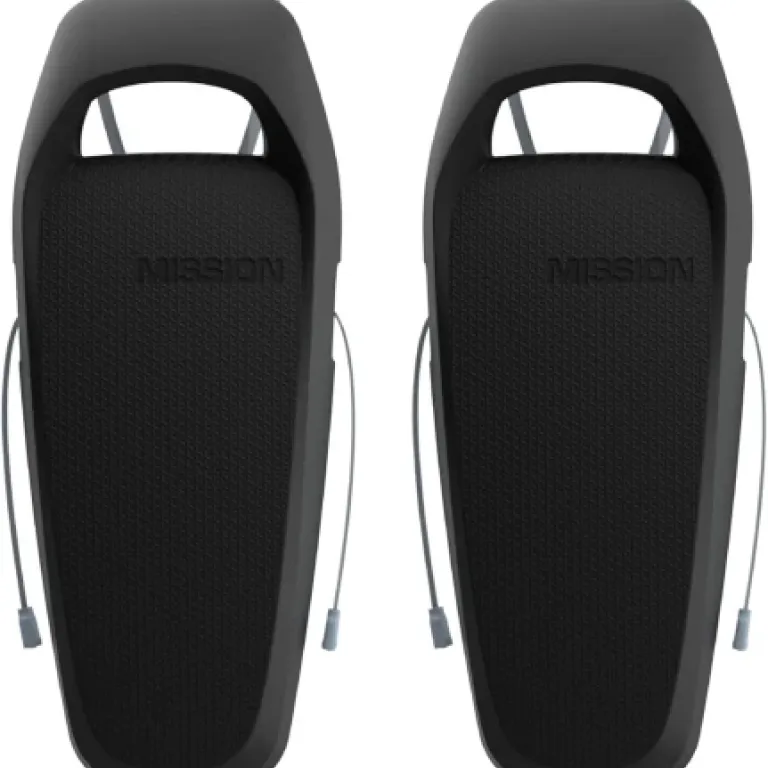
Out of the box, you get two SENTRY 2.0 fenders with the straps already integrated. No extra ropes, no separate clips, nothing fancy. Just two chunky foam pieces with a long woven strap running through each. The color is marketed as black, but in real life it’s more of a dark grey/charcoal, which honestly looks cleaner and hides dirt well. If you’re expecting deep jet black to match black gelcoat perfectly, it might bug you a bit, but for me it was fine.
The fenders are fairly big, which is good for protection but something to keep in mind for storage. The package dimensions are around 23 x 10 x 10 inches for the pair, and you feel that on a smaller boat. On my runabout, I ended up stashing them in the rear storage near the engine. Because they’re flat, they stack better than round fenders, but they still take space. If your boat is already loaded with tubes, skis, and random gear, you’ll notice it.
The strap comes extra-long from the factory, which is actually useful. I used the full length when looping over a higher grab rail on a taller dock. Once I realized where I’d normally hang them (mainly off the cleats), I trimmed the strap on one of them to keep it tidy, and that does make things look less messy. Just be sure you know how you’re going to use them before you cut anything, because once you trim, there’s no going back.
Overall, the presentation is simple and practical. No fancy bag, no instructions booklet full of marketing talk, just a basic tag and that’s it. It feels like a product built around function, not unboxing experience. For this type of gear, I’m fine with that. I’d rather they put money into the material and strap system than some useless packaging I’ll toss in five minutes.
Effectiveness: does it actually protect better than a sausage fender?
In practice, this is where the SENTRY earns its keep. I tested them in a few different situations: tying up to a floating dock on a busy Saturday, rafting up alongside another boat, and briefly on a vertical dock post. The main thing I noticed is that they stay in position way better than my old tube fenders. No constant sliding, no rolling out of the way, and they didn’t hop up onto the dock when the wake hit.
On the floating dock, my rub rail usually doesn’t line up perfectly, so normal fenders end up either too high or too low. With these, the angled hang meant the thickest part of the fender sat right where the hull would make contact. When another boat’s wake slammed us into the dock, the impact felt cushioned but controlled. The hull never touched wood or metal, and when I checked, the SENTRY was still locked at the same height. That’s a big upgrade from constantly re-tweaking rope lengths.
Rafting up alongside another boat, the broad shoulder design helped a lot. Instead of two round fenders trying to roll around each other, the flat surfaces spread the load and kept the gap more consistent. I used one SENTRY and one old round fender as a comparison, and the round one kept rotating and needing adjustment, while the SENTRY just sat there and did its job. It wasn’t magic, but it was noticeably less hassle.
On a vertical dock post, it worked but felt less ideal. It stayed attached and provided some padding, but the design clearly shines more against flat-ish dock edges or hull-to-hull contact. If your main docking is against individual posts, I wouldn’t buy these expecting miracles; they’ll help, but not as much as on a flat dock. Overall, though, for typical side docking and rafting, the protection is genuinely better and more consistent than standard fenders I’ve used.
Pros
- Very easy and fast to adjust height thanks to integrated strap and locking system
- Shape and angled hang protect both above and below the rub rail and don’t roll
- Durable closed-cell foam that doesn’t absorb water and hides dirt better than white fenders
Cons
- Noticeably more expensive than standard tube fenders
- Strap and locking mechanism are potential long-term weak points compared to a simple rope
Conclusion
Editor's rating
Overall, the MISSION SENTRY 2.0 fenders are well thought out and genuinely practical. The shape, angled hang, and no-roll design make a real difference on modern boats where round fenders don’t sit right. The integrated strap and locking system are the main win: no knots, quick height adjustment, and they actually stay where you put them, even with wake and movement at the dock. The foam material feels tough, doesn’t absorb water, and the darker color hides grime better than traditional white fenders.
They’re not perfect, mainly because of the price. You’re paying a clear premium compared to basic sausage fenders, and if your boat is older or you don’t care much about small scuffs, that money might be better spent elsewhere. Long-term, the strap and lock are the only parts I’d keep an eye on, but so far they’ve held up and the user feedback online is mostly positive. If you’ve got a newer runabout, wake boat, or pontoon you actually care about keeping clean, and you’re tired of fenders sliding around and riding up onto the dock, these make sense. If you just want something cheap that "kind of works" and you don’t mind fiddling with ropes, regular fenders will do the job.