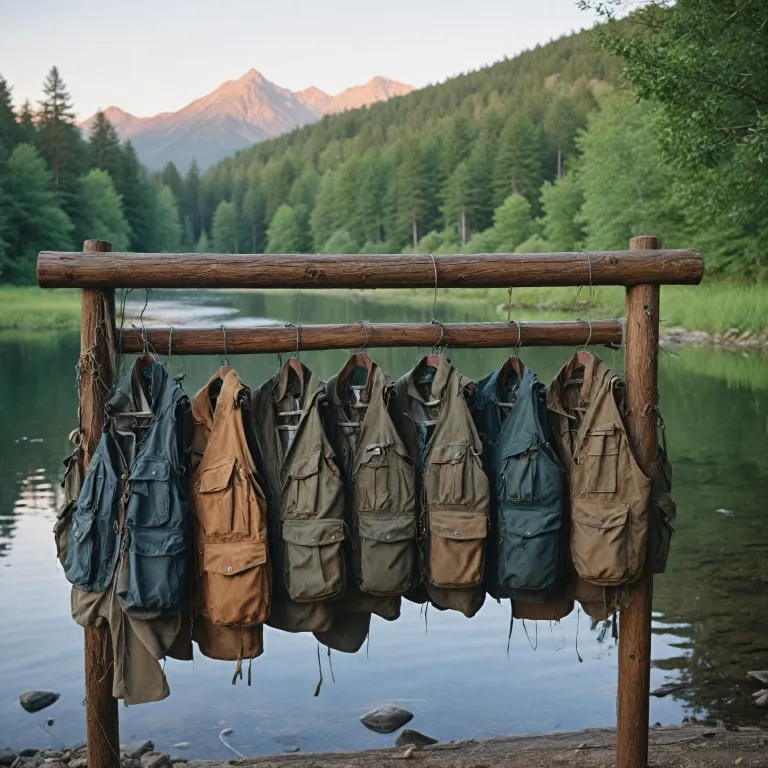
Understanding the role of a fly fishing vest
Why a Fly Fishing Vest Matters on the Water
When you’re out on the water, the right fly fishing vest can make all the difference between a frustrating day and a successful adventure. A good vest is more than just a piece of clothing—it’s a central part of your fishing gear, designed to keep your essentials organized and within easy reach. Whether you’re wading deep or hiking along the bank, the best vests help you focus on the fish, not on fumbling for your tools.
The Core Functions of a Fishing Vest
Fly fishing vests are built to serve several key purposes. First, they provide quick access to your flies, tippet, and other small gear. With multiple pockets and storage solutions, a vest keeps your hands free and your tools ready. Many anglers find that a well-designed vest, like the Fishpond Sagebrush Pro or Simms tech pack, offers a balance of comfort and utility, especially when compared to a traditional backpack or pack.
- Organization: Dedicated pockets for fly boxes, leaders, and gadgets
- Mobility: Lightweight mesh vest designs for freedom of movement
- Water Resistance: Features that help keep your gear dry in wet conditions
How Vests Fit into the Bigger Picture of Fly Fishing Gear
Choosing the best fly fishing vest isn’t just about style or price. It’s about matching your vest to your fishing style and the environments you fish in. Some anglers prefer a minimalist vest pack, while others want a full-featured tech pack with every pocket imaginable. The best vests on the market have been tested for quality, durability, and comfort, ensuring they stand up to long days on the water.
For those new to the sport or looking to upgrade, understanding the role of a vest is the first step toward building a complete, effective fly fishing setup. If you’re interested in how specialized gear can elevate your experience, check out this in-depth look at why fly rodders need specialized gear.
In the next section, we’ll break down the features that set the best fishing vests apart from the rest, helping you find the vest best suited to your needs.
Key features to look for in a fly fishing vest
Essential Qualities That Make a Fly Fishing Vest Stand Out
When searching for the best fly fishing vest, anglers quickly realize that not all vests are created equal. The right vest brings together comfort, organization, and durability, helping you focus on fishing rather than fumbling for gear. Whether you’re a fan of classic mesh vests, modern tech packs, or hybrid vest packs, knowing which features matter most will help you find the best vest for your needs.
- Pockets and Storage: The number, size, and placement of pockets are critical. Good fishing vests offer a mix of large compartments for fly boxes and smaller pockets for tippet, leaders, and tools. Look for vests with secure zippers or water resistant closures to keep your gear safe and dry. Some top vests, like the Fishpond Sagebrush Pro or Simms G3 Guide, have thoughtfully designed storage that keeps everything within reach.
- Gear Attachment Points: Quality vests will have D-rings, tool tabs, and retractors for attaching nets, forceps, and other essential gear. This keeps your hands free and your tools accessible, which is especially important when you’re waist-deep in water.
- Comfort and Adjustability: The best fishing vests are adjustable for a custom fit. Look for padded shoulders, breathable mesh panels, and adjustable straps. These features help distribute weight evenly, making long days on the water more comfortable.
- Material and Durability: High quality materials like ripstop nylon, water resistant fabrics, and reinforced stitching ensure your vest stands up to tough conditions. Mesh vests are great for hot weather, while heavier tech packs offer more protection and storage.
- Versatility: Some anglers prefer a vest pack or backpack hybrid for longer trips or when carrying extra gear. Vests like the Maxcatch Fly Fishing Vest or Fishpond tech pack models blend the best of both worlds, offering ample storage without sacrificing mobility.
When comparing the best vests on the market, it’s helpful to read a vest review or two and consider your own fishing style. Do you need a minimalist vest for quick outings, or a full-featured pack for all-day adventures? The right features will make your time on the water more enjoyable and productive. For more tips on optimizing your gear and techniques, check out these effective techniques for catching bass that pair perfectly with a well-organized vest.
| Feature | Why It Matters | Popular Examples |
|---|---|---|
| Pockets | Organizes flies, tools, and small gear | Simms G3, Fishpond Sagebrush Pro |
| Water Resistant Material | Keeps gear dry in wet conditions | Fishpond, Maxcatch Fly |
| Adjustability | Ensures a comfortable fit for all body types | Simms, tech pack vests |
| Attachment Points | Holds nets, tools, and accessories | Fishpond, Sagebrush Pro |
| Hybrid Design | Combines vest and backpack features | Maxcatch Fly, vest pack models |
Ultimately, the best fly fishing vest is the one that matches your fishing style, fits well, and stands up to the demands of the water. With so many vests on the market, taking the time to compare features and quality will help you find a vest that’s truly great for your next adventure.
Material choices and their impact on comfort
How Materials Influence Comfort and Performance
When it comes to choosing the best fly fishing vest, the material is a major factor that impacts your comfort and overall fishing experience. The right material can make a long day on the water feel effortless, while the wrong choice can leave you hot, weighed down, or soaked through. Let’s break down the most common materials used in fishing vests and how they stack up for different fishing conditions and gear needs.
- Mesh vests: These are a favorite for anglers who fish in warm weather or hike long distances. Mesh vests are lightweight, breathable, and dry quickly if you get splashed. They’re great for summer trips and for those who want to keep cool while carrying their fly gear. Many of the best vests on the market, like the Fishpond Sagebrush Pro, use mesh panels for ventilation without sacrificing storage.
- Nylon and polyester: These synthetic fabrics are popular for their durability and water resistant properties. A nylon fishing vest or a polyester tech pack will stand up to brush, rain, and the occasional dunking. They’re also easy to clean and maintain, making them a good choice for anglers who fish in unpredictable weather or rough terrain.
- Hybrid designs: Some of the best fly fishing vests combine mesh and solid panels, offering a balance between breathability and protection. For example, a vest pack with mesh on the back and water resistant nylon on the front gives you airflow where you need it and keeps your gear dry in the pockets.
Comfort isn’t just about staying cool or dry. The best fishing vests also use padded collars, adjustable straps, and ergonomic designs to reduce fatigue. High-quality vests like the Simms G3 Guide or Maxcatch Fly vest are tested for long days on the water, ensuring you can focus on your cast instead of your shoulders.
When comparing vests, consider how the material will interact with your other gear. If you carry a backpack or a large pack, a slim mesh vest may layer better. For anglers who want a vest best suited for all-day comfort, look for soft linings and flexible fabrics that move with you. And if you fish at night or in low light, check out this guide to the best headlamps for night fishing—a great companion to any quality vest.
Ultimately, the best vest for you will depend on your fishing style, the climate, and the features you value most. Whether you choose a classic mesh vest, a rugged tech pack, or a hybrid design, make sure the materials support your comfort and keep your gear protected trip after trip.
Storage solutions for every angler
Pocket Layouts and Storage Options
When it comes to fly fishing vests, storage is everything. The best fishing vests offer a smart balance between accessibility and organization. Whether you’re a minimalist or you like to carry a full arsenal of gear, the right vest will keep your essentials within easy reach and protected from water.- Pockets: Look for a vest with a variety of pocket sizes. Large pockets are great for fly boxes, while smaller ones keep tippet spools, floatant, and tools secure. Some vests, like the Fishpond Sagebrush Pro or Simms tech pack, feature water resistant pockets for added protection.
- Specialized Features: Many best vests include retractors, D-rings, and tool docks for quick access to nippers or forceps. Mesh vests and hybrid vest packs often have breathable panels and hidden compartments for valuables.
- Backpack Integration: If you need to carry extra layers or lunch, a vest pack or backpack-style vest is a solid choice. Models like the Maxcatch Fly vest or Simms vest pack offer ample rear storage without sacrificing comfort.
- Quality and Durability: The best fly fishing vests are made with durable zippers and reinforced seams. Tested vests on the market, such as the Fishpond and Simms lines, are known for their long-lasting quality and thoughtful design.
Finding the Right Storage for Your Needs
Every angler’s approach is different. Some prefer a lightweight mesh vest for summer fishing, while others opt for a tech pack with maximum storage for longer days on the water. Consider these points when comparing vests:| Vest Type | Best For | Key Storage Features | Price Range |
|---|---|---|---|
| Classic Fly Vest | Short outings, minimal gear | Multiple front pockets, tool docks | $$ |
| Vest Pack | All-day trips, extra gear | Integrated backpack, hydration sleeve | $$$ |
| Mesh Vest | Hot weather, breathability | Lightweight, quick-dry mesh, basic pockets | $-$$ |
| Tech Pack | Pro anglers, maximum organization | Specialized pockets, water resistant zippers, modular attachments | $$$$ |
Tips for fitting and adjusting your fly fishing vest
Getting the Right Fit for All-Day Comfort
Finding the best fly fishing vest isn’t just about pockets or water resistant features. A good fit can make or break your day on the water. Whether you’re eyeing a mesh vest for breathability or a tech pack for maximum storage, the right fit ensures you can move freely and access your gear with ease.
- Try Before You Buy: If possible, visit a local shop to try on different vests. Brands like Fishpond, Simms, and Sagebrush Pro offer various fits, so you’ll want to see what feels best for your body type and fishing style.
- Adjustable Straps: Look for vests with adjustable shoulder and waist straps. This lets you customize the fit, whether you’re wearing a t-shirt in summer or layering up for colder water. The best vests will stay snug without restricting movement.
- Balance and Weight Distribution: A vest packed with features and pockets is only great if it sits comfortably. Test how the vest feels when loaded with your usual gear. A well-designed vest, like the Fishpond vest pack or Simms vest, will distribute weight evenly and prevent fatigue.
- Consider Your Layers: Think about what you’ll wear under your vest. If you fish in different seasons, make sure your vest fits over both light and heavy clothing. Some anglers prefer a slightly looser fit for this reason.
Quick Tips for Adjusting Your Vest
- Start by loosening all straps, put the vest on, then tighten gradually for a secure fit.
- Check that the vest doesn’t ride up when you move or bend over to land a fish.
- Make sure you can reach all pockets and gear easily, especially when wearing a backpack or pack underneath.
- If you use a hydration system or extra tech pack, test the fit with these accessories in place.
Quality fishing vests will offer a range of adjustments and sizes. The best fishing vest is the one that feels like it was made for you, letting you focus on the water and your next catch. Tested vests on the market, like the Maxcatch Fly mesh vest or the Simms vest, are known for their adjustability and comfort at a good price point. Remember, a vest best suited to your needs will help you enjoy every moment on the water.
Maintaining and caring for your fly fishing vest
Simple Steps to Keep Your Fly Fishing Vest in Top Shape
Taking care of your fly fishing vest is just as important as choosing the best one. Whether you own a mesh vest, a tech pack, or a classic vest pack, regular maintenance will help your gear last longer and perform better on the water.- Clean after every trip: Rinse your vest with fresh water to remove dirt, fish slime, and debris. This is especially important for water resistant models like the Fishpond Sagebrush Pro or Simms vests. Avoid harsh detergents that can damage the fabric or water-resistant coatings.
- Dry thoroughly: Hang your vest in a well-ventilated area out of direct sunlight. Pockets and compartments should be left open to ensure all moisture evaporates. This prevents mold and keeps your vest smelling fresh.
- Inspect for wear and tear: Check zippers, buckles, and seams for any signs of damage. High-quality vests like the best fly fishing vests on the market are built to last, but even the best vest can develop issues over time. Repair small tears promptly to avoid bigger problems later.
- Organize your gear: After cleaning, return your fly boxes, tools, and accessories to their designated pockets. This keeps your vest ready for your next fishing adventure and helps you keep track of your gear.
- Store properly: When not in use, hang your vest or lay it flat. Avoid stuffing it into a backpack or pack, as this can deform the pockets and reduce comfort. If you have a mesh vest or a vest with lots of features, proper storage will help maintain its shape and quality.
Extra Tips for Longevity and Performance
- Follow manufacturer instructions: Each vest, whether it’s a Maxcatch Fly, Fishpond, or Simms, may have specific care guidelines. Following these will help preserve water resistance and overall quality.
- Rotate your vests: If you own more than one, rotating between them can extend the life of each. This is especially useful if you fish often or in challenging conditions.
- Test features regularly: Make sure all pockets, zippers, and attachments are working smoothly. This ensures your vest is ready when you need it most.