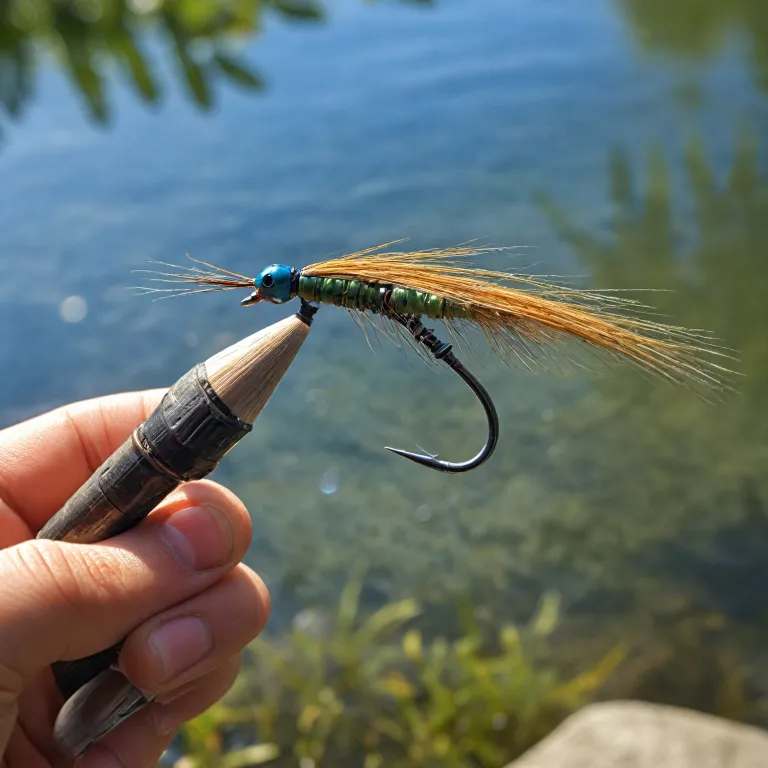
Understanding the blue wing olive fly
What Makes the Blue Wing Olive Stand Out in Fly Fishing
The blue wing olive, often called BWO by fly fishers, is a staple in fly boxes for good reason. This small mayfly species is found in trout streams across North America and Europe, making it a go-to pattern for anglers targeting trout in a variety of conditions. The blue winged olive is known for its olive body, blue-tinted wings, and its ability to hatch in a wide range of weather, from chilly spring mornings to overcast autumn afternoons. These hatches can trigger aggressive feeding, especially when trout rise to the surface for dry flies.
Understanding the life cycle of the blue wing olive is key for any fly fisher. The insect goes through several stages: nymph, emerger, and adult dry fly. Each stage offers unique opportunities for fishing, and knowing when olives are hatching can make all the difference. During a strong olive hatch, trout often focus on the water surface, ignoring other food sources. This is when the right fly pattern, size, and presentation matter most.
Blue wing olive flies come in a variety of patterns, from classic dry flies to nymphs and emergers. Fly tying enthusiasts often experiment with different materials to imitate the subtle colors and delicate wings of the natural insect. Whether you prefer a sparkle dun or a traditional winged olive, having a selection of blue wing olive patterns for sale in your fly box is essential for adapting to changing conditions on the water.
- Blue wing olive hatches occur throughout the year, especially in cool, overcast weather
- Trout often key in on olives during these hatches, making BWO flies highly effective
- Both dry and nymph patterns are important for matching the hatch
For those new to fly fishing or looking to upgrade their gear, having the right equipment can enhance your experience with blue wing olives. Consider checking out this guide on choosing the right fly fishing vest to keep your flies, leaders, tippet, and tying materials organized and within reach on the water.
Key features to look for in a blue wing olive fly
What Sets a Quality Blue Wing Olive Fly Apart?
When browsing for blue wing olive flies, it’s easy to get overwhelmed by the variety of patterns and brands available for sale. Not all flies are created equal, and understanding the key features can make a real difference in your fly fishing success. Here’s what to keep in mind when evaluating blue winged olive flies for your fly box:
- Accurate Color and Profile: The olive hue is crucial. Look for flies with a subtle blue-green or gray-olive body that matches the natural olives found during a hatch. The winged olive profile should be slim and realistic, mimicking the delicate silhouette trout expect to see on the water surface.
- Wing Material and Visibility: The wing on a blue wing olive dry fly should be made from materials that float well and are easy to spot in varying weather. CDC, poly yarn, or comparadun-style wings help you track your fly during a hatch, especially in low light.
- Hook Size and Durability: Size matters. Most olives and bwo hatches call for flies in the #16 to #22 range. A strong, sharp hook ensures you land more trout and that your fly survives multiple strikes.
- Quality Tying Materials: Premium dubbing, tails, and hackle make a difference. Well-tied flies resist unraveling and maintain their shape after repeated casts and takes. If you tie your own, invest in quality tying materials for your wing olive and nymphs emergers.
- Buoyancy and Floatation: For dry flies, check that the fly floats high on the surface. Sparse hackle and water-resistant dubbing are key for keeping your fly visible and effective during an olive hatch.
For anglers interested in a deeper dive into fly selection and gear, exploring the world of fly fishing combos can help you match your flies, leaders tippet, and rods for optimal performance on trout streams.
Remember, the right blue wing olive fly is not just about looks. It’s about how it performs during real hatches, in your local waters, and under changing weather. Whether you’re targeting selective trout with a dry fly or drifting nymphs, paying attention to these features will help you make better choices and enjoy more productive fishing days.
How to select the right blue wing olive fly for your local waters
Matching the Hatch: Local Water Considerations
When choosing the right blue wing olive fly for your local waters, it’s essential to pay attention to the specific conditions and hatches in your area. Blue winged olives, often called BWOs, are a staple in many trout streams, but their appearance and size can vary depending on the region and season. Observing the local olive hatches and noting the size and color of the natural flies trout are feeding on will help you select the most effective pattern for your fly box.
Key Factors for Fly Selection
- Size: Blue wing olive flies typically range from size 16 to 22. Matching the size of the natural olives on your water surface is crucial for fooling selective trout.
- Color: While the classic blue wing olive features olive bodies and blue-gray wings, local variations may require subtle changes in shade. Carrying a range of olive and blue winged patterns ensures you’re prepared for different light and weather conditions.
- Stage: Depending on the hatch, trout may target nymphs, emergers, or dry flies. Having a mix of nymphs, nymphs emergers, and dry fly patterns like the sparkle dun or winged olive will cover most situations.
- Water Conditions: In clear, slow-moving water, more realistic and delicate flies often work best. For faster or stained water, slightly larger or more visible patterns may be necessary.
Practical Tips for Your Fly Box
It’s a good idea to stock your fly box with a variety of blue wing olive flies, including both traditional and modern patterns. Pay attention to the leaders tippet you use, as lighter tippet can help present small BWOs more naturally. Always check the weather and water surface activity before heading out, as these factors influence which stage of the olive hatch trout are likely to target.
For anglers looking to improve their approach, using marker buoys can help identify productive areas during an olive bwo hatch, especially on larger waters.
Warning: Don’t Overlook Local Knowledge
Finally, remember that local fly fishers and fly shops are valuable resources. They can provide up-to-date information on current hatches, recommended fly tying materials, and which blue wing olive patterns are producing results. Combining this local insight with your own observations will help you make the best choices for your next fishing trip.
Top blue wing olive fly patterns for recreational fishermen
Popular Blue Wing Olive Patterns for Your Fly Box
When it comes to fly fishing for trout, having a selection of blue wing olive flies is essential. These patterns imitate the small mayflies that hatch throughout the season, especially during cooler weather. The right flies can make all the difference during an olive hatch, so let’s look at some proven options that should be in every fly fisher’s box.
- Sparkle Dun (BWO): This dry fly is a favorite for matching blue winged olive hatches. Its trailing shuck and upright wing profile create a realistic view for trout feeding near the water surface. The Sparkle Dun is especially effective during active hatches when olives are emerging in numbers.
- Parachute Blue Wing Olive: With its visible post and delicate hackle, this dry fly sits low on the surface, mimicking the natural winged olive. It’s easy to see in low light and works well in various water conditions, making it a reliable choice for fishing blue wing hatches.
- CDC Blue Wing Olive: The CDC (Cul de Canard) wing material gives this fly a lifelike movement and excellent floatation. It’s a go-to for picky trout during olive hatches, especially on slower trout streams where fish scrutinize every fly.
- Blue Wing Olive Nymph: Don’t overlook nymphs and emergers. The BWO nymph is a must-have for fishing before the hatch or when trout are feeding below the surface. Use lighter leaders and tippet for a natural drift.
- RS2 (Olive): This emerger pattern is deadly during the transition from nymph to adult. Its slim profile and subtle sparkle imitate the vulnerable stage of the blue wing olive, enticing even wary trout.
Choosing the Right Size and Materials
Blue wing olives are typically small, with sizes ranging from 16 to 22. Matching the size of the natural insects in your local waters is crucial. Pay attention to the tying materials—CDC, fine dubbing, and quality hackle all help your flies ride correctly on the water surface. For fly tying enthusiasts, experimenting with different wing and body materials can help you match specific olive hatches more closely.
When to Use Each Pattern
Dry flies like the Parachute and Sparkle Dun excel during active hatches when you see olives on the surface. Nymphs and emergers, such as the RS2 and BWO nymph, are best before the hatch or when trout are feeding just below the surface. Keep a range of patterns in your fly box to adapt to changing conditions and trout behavior.
Warning: Don’t Overlook Local Variations
Olive hatches can vary by region and weather. Always observe the actual insects and adjust your fly selection accordingly. Having a variety of blue wing olive patterns for sale in your kit ensures you’re ready for any situation on the water.
Techniques for fishing with the blue wing olive fly
Getting the Most from Your Blue Wing Olive on the Water
Fishing with a blue wing olive fly is all about matching the hatch and reading the water. The blue winged olive is a staple in many trout streams, especially during cooler, overcast weather when olives are most active. Here’s how to make the most of this classic fly:
- Observe the Hatch: Before you cast, take a moment to view the water surface. Look for signs of a bwo or olive hatch—rising trout, drifting nymphs, or winged olives fluttering above the water. Matching the size and stage of the hatch is key.
- Choose the Right Presentation: For dry flies, a drag-free drift is essential. Use a long leader and fine tippet to help your blue wing olive ride naturally on the surface. If trout are ignoring your dry fly, try switching to an emerger or nymph pattern just below the surface.
- Adjust to Conditions: On cloudy days or during low light, trout are more likely to feed on olives. In these conditions, a wing olive or sparkle dun can be especially effective. When the hatch is sparse, consider smaller flies or nymphs to imitate early or late-stage insects.
- Vary Your Retrieve: Sometimes a subtle twitch or lift can trigger a strike, especially when fishing nymphs emergers. Experiment with your retrieve until you find what works for the trout in your local waters.
- Keep Your Fly Box Stocked: Carry a range of blue wing olive flies—dry, nymph, and emerger patterns—in various sizes. This lets you adapt quickly as hatches change or trout become selective.
Remember, the blue wing olive is a versatile fly that can be fished year-round. Pay attention to the hatch, adjust your presentation, and you’ll increase your chances of connecting with more trout. Always check your leaders tippet for wear and keep your tying materials handy for quick fly tying on the go. With practice, fishing blue winged olives becomes second nature for any fly fisher.
Common mistakes to avoid with the blue wing olive fly
Overlooking Size and Profile
Many fly fishers make the mistake of ignoring the importance of matching the size and profile of their blue wing olive flies to the natural olives present during a hatch. Trout can be selective, especially during prolific olive hatches. If your fly is too large or too bulky, wary trout may refuse it. Always check the size of the natural blue winged olives on the water surface and select a dry fly or nymph that closely matches.Using the Wrong Tippet and Leader Setup
A common error is using a tippet or leader that is too thick. Blue wing olive hatches often occur in clear, slow-moving trout streams where trout are extra cautious. A fine leader and tippet, properly matched to your fly size, help your presentation look natural and improve your chances of a take.Ignoring Weather and Water Conditions
Blue wing olive hatches are influenced by weather. Overcast days and light rain often trigger the best hatches, bringing trout to the surface. Some anglers miss out by fishing only in bright conditions. Keep an eye on the weather and be ready with your fly box of winged olive patterns when conditions are right.Neglecting to Adjust for Different Stages
Focusing only on dry flies can limit your success. Blue wing olive nymphs and emergers are a big part of the trout’s diet, especially before olives break through the water surface. Carry a selection of nymphs, emergers, and dry flies to cover every stage of the olive hatch. Patterns like the sparkle dun and olive bwo nymphs are proven choices.Poor Fly Presentation
Even the best-tied blue wing olive fly won’t fool trout if it drags unnaturally across the water. Practice a drag-free drift and adjust your casting technique as needed. Sometimes, a simple mend in your line or a lighter leader can make all the difference in presenting your winged olive fly naturally.Forgetting to Refresh Your Flies
After a few casts, dry flies can become waterlogged and lose their effectiveness. Regularly dry your fly, apply floatant, and check for damage. A fresh, well-presented blue wing olive fly is more likely to entice a strike during an active olive hatch.- Match fly size and profile to natural olives
- Use fine leaders and tippets for clear water
- Fish during optimal weather for olive hatches
- Carry nymphs, emergers, and dry flies
- Focus on natural presentation and drift
- Maintain your flies for best performance