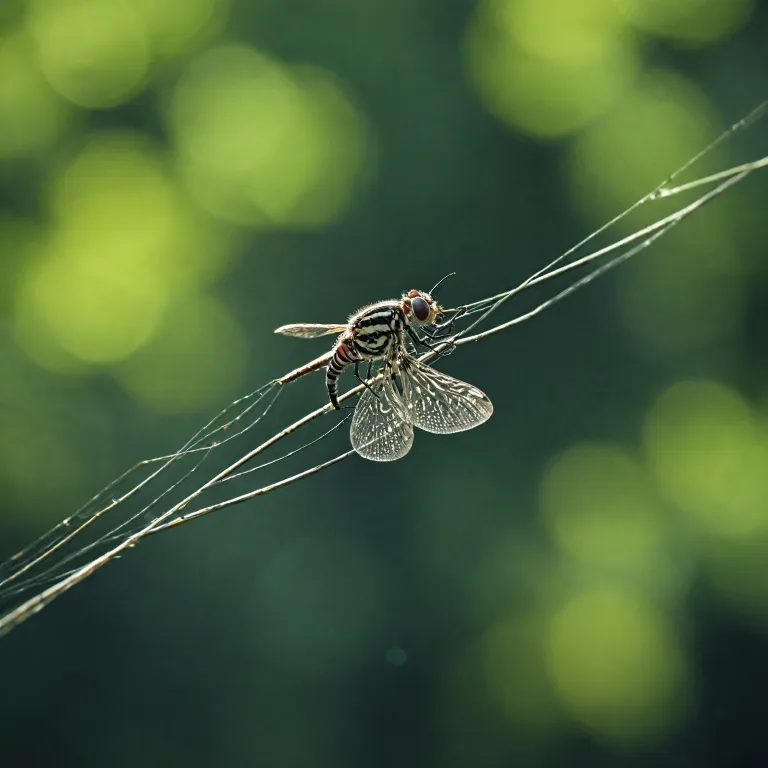
Understanding the zebra midge and its appeal
What Makes the Zebra Midge Stand Out?
The zebra midge is a staple in the world of fly fishing, especially for those targeting trout and bass in both stillwater and moving water. This fly, known for its simple design and effectiveness, mimics the small midge larvae that fish feed on year-round. Its appeal lies in its versatility and the fact that it works in a variety of conditions, making it a go-to choice for beginners and experienced anglers alike.
Key Features and Materials
At its core, the zebra midge is a nymph pattern tied with a slender body, usually made from black thread and ultra wire, often finished with a bead head for added weight and attraction. The classic black and silver combination is popular, but variations with red, olive, or copper wire also produce results. The simplicity of the materials—thread, wire, bead, and a hook—makes it an easy tie for those new to fly tying, yet it remains a favorite among seasoned fly fishers.
- Bead head: Helps the fly sink quickly to the feeding zone.
- Ultra wire: Adds durability and flash, imitating the segmented body of a real midge.
- Thread: Forms the base and body, usually in black for the classic look.
Why Fish Love the Zebra Midge
Fish, especially trout, are opportunistic feeders and midges make up a significant part of their diet. The zebra midge’s slim profile and subtle flash closely resemble natural midge larvae and emergers. Whether you’re fishing dry flies or nymphs, having a selection of zebra midges in your fly box increases your chances of success. Even when fish are picky, this pattern often triggers strikes when other flies fail.
For those looking to expand their fly fishing skills, learning to tie and fish zebra midges is a great step. If you want to dive deeper into fly fishing techniques and how to present flies like the zebra midge effectively, mastering the art of fly fishing techniques can make a real difference on the water.
How the zebra midge fits into your fly box
Making Space for the Zebra Midge in Your Fly Box
Every fly angler knows the value of a well-organized fly box. The zebra midge, with its slim profile and proven effectiveness, deserves a dedicated spot among your flies. Whether you’re targeting trout in stillwater or bass in moving water, this pattern is a staple for both beginner fly fishers and seasoned pros. Its simple construction—usually a black thread body, ultra wire rib, and a small bead head—makes it an easy tie for those learning fly tying. Many fly fishing videos highlight how quickly you can learn to tie a zebra midge, making it a favorite for those looking to expand their collection of nymph and emerger flies.
- Versatility: The zebra midge works in a variety of conditions, from cold streams to warm lakes. It’s effective as both a nymph and an emerger, and can even be fished under a dry fly for a deadly combo.
- Size and Color: Most anglers keep a range of sizes and colors—black silver, red, olive, and even purple. The classic black zebra midge with a silver wire bead is a go-to, but don’t overlook variations for picky fish.
- Easy to Store: Because of their small size, you can fit dozens of zebra midges in a single fly box compartment. This makes it easy to carry a variety of midge patterns without overloading your gear.
For those interested in expanding their fly fishing setup, it’s worth exploring the world of fly fishing combos to complement your zebra midge collection. Having the right rod and reel combo can make presenting these tiny flies much easier, especially when fishing for selective trout or bass.
When tying your own zebra midges, materials like ultra wire, quality thread, and a reliable whip finish tool are essential. Don’t forget head cement to secure your flies for multiple catches. Whether you’re fishing stillwater or fast-moving rivers, a well-stocked fly box with a variety of zebra midge patterns will keep you prepared for almost any situation on the water.
Choosing the right zebra midge patterns
Popular color choices and materials for zebra midges
When it comes to selecting zebra midge patterns for your fly box, a few key elements make all the difference. The classic zebra midge is tied with a black thread body, silver ultra wire ribbing, and a small bead head. This combination imitates the natural midge pupa that trout and bass feed on in both stillwater and moving water. For anglers just starting out, these flies are considered a beginner fly tying staple because they’re an easy tie and highly effective.
- Bead head: The bead, usually silver or gold, helps the fly sink quickly to where fish are feeding.
- Wire ribbing: Ultra wire in silver, copper, or red adds durability and a touch of flash.
- Thread: Black is the most common, but red, olive, and brown thread can be used to match local midge hatches.
- Hook size: Sizes 16 to 22 are standard, but don’t overlook smaller hooks for pressured waters.
Matching patterns to fishing conditions
Choosing the right zebra midge pattern depends on where and how you’re fishing. For stillwater, a bead head zebra midge in black silver is a proven winner for trout. In rivers, try a midge zebra with a wire bead for extra weight. If you’re targeting bass, slightly larger emerger flies or dry flies can be effective, especially in the warmer months. Watching fly tying videos can help you learn tie variations that suit your local waters.
Tips for building your zebra midge selection
- Stock up on a range of colors: black, red, olive, and brown.
- Vary bead colors and sizes to match water depth and clarity.
- Include both nymph and dry fly versions for different fishing scenarios.
- Use head cement and a whip finish for durability when tying your own flies.
For anglers interested in tying their own flies, the zebra midge is an easy tie and a great way to practice basic fly tying techniques. If you want to take your fly tying to the next level, check out this guide on how bait master tools are changing recreational fishing for more insights on essential tools and tips.
Building a diverse selection of zebra midge patterns ensures you’re ready for any fishing situation, whether you’re fly fishing for trout in stillwater or targeting bass with dry flies. The versatility and effectiveness of these flies make them a must-have in every angler’s fly box.
Essential gear for fishing with zebra midges
Key Tools and Materials for Success
When it comes to fishing with zebra midges, having the right gear can make all the difference. Whether you’re a beginner fly fisher or an experienced angler, a few essential items will help you get the most out of these versatile flies. Let’s break down what you need for effective zebra midge fishing.
- Rods and Reels: A lightweight fly rod in the 2-5 weight range is ideal for presenting midge patterns delicately. Pair it with a reliable reel and a smooth drag system for targeting trout or even bass in stillwater or moving water.
- Leaders and Tippets: Use fine tippets, usually 5X to 7X, to ensure a natural drift. Thinner tippet helps your zebra midge nymph or emerger flies sink quickly and move realistically.
- Fly Boxes: Organize your midge zebra patterns, bead head flies, and dry flies in a waterproof fly box. This keeps your flies dry and easy to access when you’re on the water.
- Indicators and Split Shot: For nymphing, small strike indicators and micro split shot help you detect subtle takes and get your fly to the right depth.
- Essential Fly Tying Materials: If you like to tie your own zebra midges, stock up on black thread, ultra wire (silver, red, or copper), small beads for bead head versions, and quality hooks. Head cement and a whip finish tool are must-haves for durability and a clean finish. There are plenty of videos online where you can learn to tie these beginner fly patterns.
Choosing the Right Flies for the Situation
Having a variety of zebra midge patterns is crucial. Carry different sizes, bead colors, and wire bead combinations. Black silver zebra midges are classic, but don’t overlook red or olive variations. For dry fly situations, emerger flies can be effective when trout are feeding just below the surface. Adapt your selection based on water clarity, fish activity, and whether you’re fishing stillwater or moving water.
Staying Organized and Informed
Keep your gear organized and regularly check your flies for wear. Reading up on the latest fly fishing techniques and privacy policy updates from trusted sources can help you stay ahead. Whether you’re tying at home or fishing on the water, the right setup ensures you’re ready to fish zebra midges with confidence.
Techniques for fishing the zebra midge effectively
Getting the Most from Your Zebra Midge
Fishing the zebra midge is all about subtlety and precision. This fly is a staple for trout and even bass in both stillwater and moving water. The key is to mimic the natural movement of midges, which are a major food source for fish year-round.
- Presentation Matters: Use a light tippet and a small hook, typically sizes 16 to 22. The bead head or wire bead helps the fly sink quickly, getting it into the strike zone where trout and other species are feeding.
- Depth Control: Adjust your indicator or leader length to keep your zebra midge just above the bottom. Fish often feed on emerging nymphs, so keeping your fly in the right zone is crucial.
- Dead Drift Technique: Let your fly drift naturally with the current. Avoid imparting too much action. Fish zebra midges under a dry fly or as part of a nymph rig for increased effectiveness.
- Stillwater Tactics: In lakes and ponds, a slow hand-twist retrieve can imitate the movement of midge larvae. Try suspending your zebra midge under a small indicator for finicky trout.
- Matching Conditions: Black and silver are classic color choices, but don’t hesitate to try red or olive wire for different water clarities. Videos and tutorials can help you learn to tie variations that suit your local waters.
Fine-Tuning Your Approach
When tying your own zebra midges, use ultra wire and quality thread for durability. A whip finish and a touch of head cement will keep your flies lasting longer. If you’re a beginner fly tier, start with simple patterns before moving to more complex emerger flies or dry flies. The zebra midge is an easy tie, making it perfect for learning fly tying basics.
Experiment with bead head and non-bead versions to see what works best for your local fish. Pay attention to privacy policy guidelines when sharing your tying videos or photos online.
Troubleshooting common challenges with zebra midges
Solving Issues with Presentation and Strikes
Even experienced anglers sometimes struggle to get trout or bass to take a zebra midge. If you’re not getting strikes, consider these troubleshooting steps:
- Check your depth: Zebra midges are often most effective when fished just above the bottom, especially in stillwater. Adjust your indicator or leader length to keep the fly in the strike zone.
- Vary your retrieve: Try slow, steady strips or let the fly dead drift. Sometimes a subtle twitch can trigger a fish to strike, especially with bead head or wire bead zebra midge patterns.
- Switch up your size and color: If black silver or classic black isn’t working, try red, olive, or even a smaller hook size. Fish can be selective, especially when midges are hatching.
Dealing with Tangled Tippet and Lost Flies
Fishing with small nymphs and dry flies like the zebra midge can lead to tangles, especially for beginner fly anglers. To minimize frustration:
- Use the right tippet: Fine tippet (5X or 6X) helps present the fly naturally but can tangle. Keep your leader straight and avoid excessive false casting.
- Practice your knots: A strong knot, like the improved clinch, keeps your fly secure. Watch fly tying videos to learn tie techniques and the whip finish for durability.
- Apply head cement: When tying your own zebra midges, a drop of head cement on the thread helps prevent unraveling, especially after multiple fish.
Improving Hook-Ups and Landing Fish
Sometimes, trout or bass will mouth the fly but not get hooked. To improve your hook-up rate:
- Sharpen your hooks: Even a new hook can be dull. Use a hook file before each outing.
- Watch your indicator: Set the hook quickly at any sign of movement. Midges are small, and fish often take them subtly.
- Use the right gear: Lighter rods and lines help detect subtle takes. Refer to essential gear recommendations for fly fishing with midges and nymphs.
When All Else Fails
If you’re still struggling, read up on emerger flies and dry fly tactics. Sometimes, fish are feeding just below the surface, and a midge zebra emerger or dry pattern can make the difference. Don’t hesitate to experiment with ultra wire, bead head, or wire bead variations. Fly fishers who adapt their approach often find more success, even on tough days.