
Summary
Editor's rating
Value: good for the price, but not a miracle deal
Design: more practical than pretty
Comfort: fine for a day, but you’ll feel it with big flies
Materials: where it feels budget and where it doesn’t
Durability: feels tough enough for real-world abuse
Performance: gets the job done, especially in the wind
What you actually get out of the box
Pros
- Plenty of power and line speed for big flies and windy conditions
- Useful features for the price: alignment dots, solid anodised reel seat, hook keeper
- Sturdy 4-piece construction that feels durable enough for regular and rough use
Cons
- A bit heavier and more tiring than higher-end 8wts, especially with big flies
- Cork and overall finish clearly show it’s a budget/mid-range rod

Specifications
View full product page →| Brand | Greys |
A budget 8-weight that actually fishes
I picked up the Greys Lance 9'6" 8wt because I wanted a backup rod for pike and light saltwater without spending premium money. My main rod in this range is a more expensive 9' 8wt from a well-known brand, so I wasn’t expecting much from this one. After several sessions on a local reservoir and a couple of choppy days on the coast, I’ve got a decent idea of what this rod can and can’t do.
I’ve fished it with a standard 8wt floating line and an overweighted pike line, throwing streamers, clousers, and some fairly ugly homemade pike flies. Conditions ranged from flat calm to proper annoying side wind. I also let a beginner friend use it for a half day to see how forgiving it felt for someone who doesn’t cast much.
Overall, the rod sits in that “pretty solid for the money” category. It’s not magic, it’s not trash either. It’s the kind of rod you buy as a first 8wt, a spare for the boat, or something you don’t mind throwing in the trunk and not babying. If you’re expecting premium feel and finish, you’ll notice the differences. If you just want to chuck big flies and handle heavier fish, it gets the job done.
So this review is from that angle: a regular angler using it hard, not someone dry casting on a lawn. I’ll go through how it feels in hand, how it casts, how it fights fish, and whether I think it’s worth the price compared to other budget 8-weights.
Value: good for the price, but not a miracle deal
Price-wise, the Greys Lance sits in that entry to mid-level bracket where you’ve got a lot of competition from other brands. For what you pay, you’re getting a rod that actually fishes well, has a few nicer features (alignment dots, decent reel seat, AAA-ish cork), and doesn’t feel like a toy. It’s not some bargain-bin special that falls apart after a season. So from a value perspective, it’s pretty good.
Compared to cheaper no-name 8wts I’ve tried, the Lance feels more dialed in. The action is more consistent, the reel seat actually holds, and the blank doesn’t feel like a broomstick. On the other hand, compared to higher-end rods, you do give up some things: lighter weight, cleaner cork, crisper casting feel. If you’re used to premium gear, this will feel like a step down. If this is your first 8wt, you’ll probably just think, “Yeah, this works.”
Where it makes the most sense is as a first serious 8wt or a backup. If you only fish heavy rods a few times a year for pike or saltwater trips, it’s hard to justify dropping big money. This rod covers that need well. You can spend the saved cash on lines, flies, and fuel instead. If you’re fishing an 8wt every weekend and really notice fine differences in action and weight, you might outgrow it and start eyeing something pricier.
So, value verdict: it’s good value for money, not some miracle steal, but definitely not overpriced. You get a functional, reliable 8wt with enough features and performance to make it worth the tag, especially if you’re practical and don’t care about fancy branding.

Design: more practical than pretty
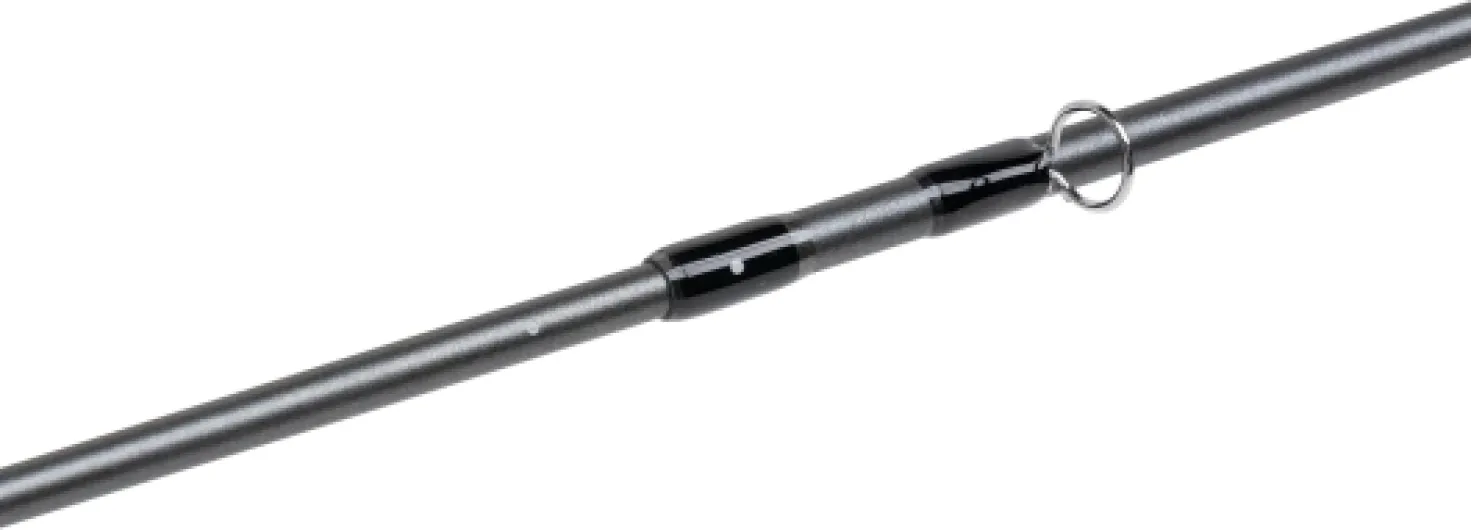
The design is straightforward: 4-piece graphite blank, half-wells cork grip, and an up-locking anodised reel seat. The color scheme is pretty standard “modern fly rod” – nothing flashy or weird, just a clean multi-toned blank with a red thread wrap near the tip. That red wrap is actually useful; it does help you see the tip better when you’re trying to detect soft takes, especially in low light or choppy water.
The alignment dots on each section are one of those small but very handy design features. When you’re rigging in the dark or in wind, you just line up the dots and you’re good. The reel seat has dual locking nuts with nylon cushion rings. In practice, this matters more than you think. I fished it with a mid-size large-arbor reel, and after several hours of casting and stripping line, the reel never worked loose. I’ve had cheaper rods where the reel seat slowly backed off and that’s annoying as hell.
Guide spacing and size look reasonable. The stripping guides are large enough to pass knots and loops from leaders and sink tips without snagging. The snake guides aren’t anything special, but they’re straight and wrapped cleanly. I didn’t notice any weird line noise or friction issues beyond what you’d expect. If you’re used to top-end rods with super slick ceramics, you’ll notice a difference, but for this price range it’s fine.
Visually, it’s nothing you’d brag about, but that’s not really the point. The design is focused on being practical: hook keeper in the right place, decent grip shape, and a reel seat that doesn’t slip. If you want something that looks fancy on Instagram, you’ll probably find it a bit plain. If you just want something that works and doesn’t feel cheap, the design is solid.
Comfort: fine for a day, but you’ll feel it with big flies
Comfort-wise, the first thing you notice is the 9'6" length. That extra half foot helps with reach and mending, but it does add a bit of swing weight. With normal 8wt lines and medium-sized streamers, I had no problem fishing it for a full day. Once I started throwing big, wind-resistant pike flies and heavy sink tips, my shoulder started to feel it by mid-afternoon. Compared to my lighter 9' premium 8wt, the Lance feels a bit more tiring over long sessions.
The half-wells grip shape is pretty standard and feels natural in hand. It’s not overly chunky, so if you’ve got smaller hands, you’ll be fine. The cork isn’t ultra-smooth like high-end rods, but it’s not rough or uncomfortable either. After several hours of casting, I didn’t get any hot spots or rubbing. My friend, who’s a beginner and has less efficient casting, also didn’t complain about hand fatigue, which is a good sign.
The rod balances decently with a medium-weight large-arbor reel. It’s not perfectly neutral, but it doesn’t feel tip-heavy to the point of being annoying. If you stick a really light reel on it, you’ll feel the tip more, so I’d match it with something in a normal 8wt reel weight range, not an ultralight one. When false casting at typical fishing distances (15–20 meters), the rod feels manageable. It only starts to feel like work when you’re pushing it really far or battling strong wind with big flies.
In short, comfort is good enough for normal use, slightly tiring when you’re really pushing it all day with heavy gear. If your main goal is casual reservoir or light saltwater fishing a few times a year, you won’t care. If you’re guiding or fishing hard multiple days in a row, you’ll notice the difference compared to lighter, pricier rods.
Materials: where it feels budget and where it doesn’t
The blank is a low resin intermediate modulus carbon fiber, according to the specs. In real use, that translates into decent recovery and enough backbone for an 8wt, but you don’t get that super crisp, light feel you find on higher-end rods. When you stop your cast, the rod recovers fairly quickly, but there’s a tiny bit of wobble in the tip compared to a premium stick. It doesn’t ruin your cast, but if you’ve used more expensive rods, you’ll notice it.
The cork handle is rated as AAA, which on paper sounds high-end. In hand, I’d call it “good but clearly not top shelf.” There are some small filler spots and the cork rings aren’t as dense as the best stuff, but it’s not the crumbly, pitted mess you sometimes see on cheap rods. After a couple of long sessions, the cork still feels fine, no flaking or weird soft spots. For this price range, I’m okay with it.
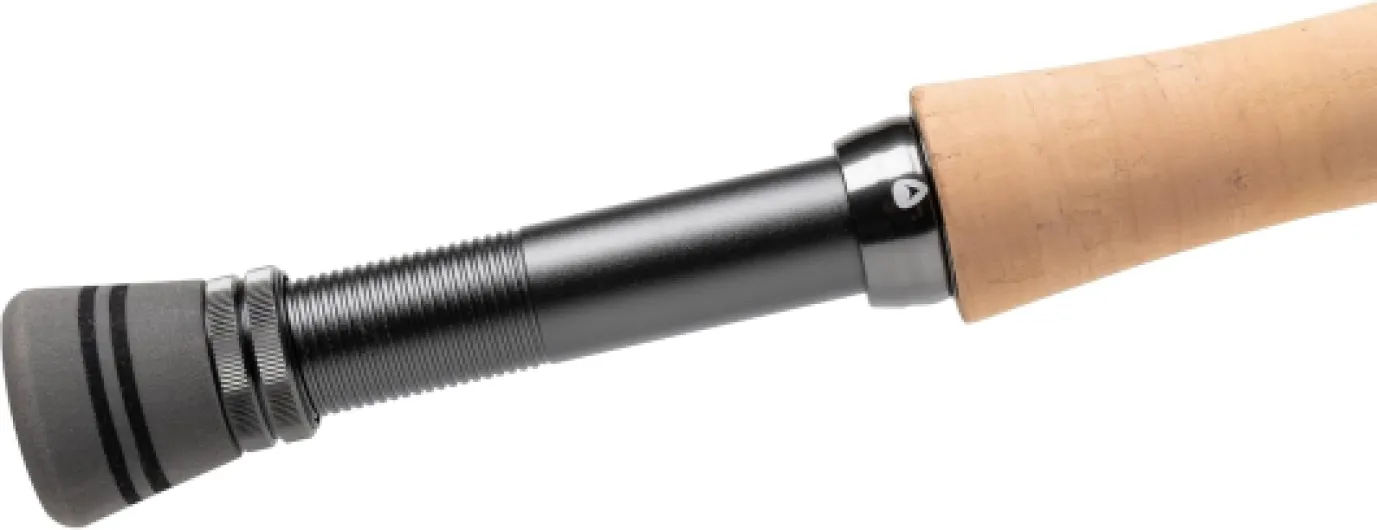
The reel seat is anodised aluminium, and that’s one area where it feels more expensive than it is. The anodising looks even, the threads are smooth, and the dual locking nuts with nylon rings work like they should. I fished it in brackish water, gave it a good rinse afterwards, and there was no sign of corrosion or roughness. I’d still be careful with long-term saltwater use, but so far it’s holding up.
The guides and wraps are what you expect at this level: stainless steel guides, clean epoxy work, no big bubbles or runs on my sample. It’s not jewelry-level finishing, but it’s tidy. Overall, the materials are a mix of “surprisingly good” (reel seat, basic blank performance) and “yeah, that’s clearly budget” (cork quality, slight tip wobble). For a backup or entry-level 8wt, I think the material choices make sense.
Durability: feels tough enough for real-world abuse
In terms of durability, I treated this rod more like a beater than a collector’s item. Over several trips, it rode in the back of the car in its tube, got knocked against the boat a few times, and even took a light slap from a weighted fly on a bad cast. So far, no cracks, no loosened ferrules, no issues. The graphite blank feels a bit more forgiving than some ultra-light premium rods, which honestly is a plus for a rod in this role.
The ferrule fit is snug without being a pain to separate. After a few hours of casting, I checked the sections and they hadn’t worked loose. That’s not always the case with cheaper multi-piece rods. The alignment dots also help you make sure everything is properly seated. I got into the habit of wiping the ferrules and re-seating them every other trip, and they still fit tight, no play or clicking.
The cork has held up fine so far. No big chunks missing, no obvious degradation after getting wet and drying a few times. The reel seat threads are still smooth after being tightened and loosened a bunch, including with some sand and grit around (my fault). A quick rinse and they were back to normal. The anodising on the reel seat hasn’t chipped or scratched badly yet, just a couple of small marks that are purely cosmetic.
I haven’t owned it for years, so I can’t speak to long-term lifespan, but based on the first months of fairly rough use, I’d say it’s sturdy enough for regular fishing and some abuse. If you’re careful, it’ll probably last a long time. If you’re rough and throw it around, it’ll still hold up better than a lot of super-light, super-expensive rods that hate being knocked. For a backup or travel rod, that’s exactly what you want.
Performance: gets the job done, especially in the wind
On the water, the Lance 9'6" 8wt performs better than I expected for its price. The medium fast/fast action makes it pretty easy to generate line speed, which is exactly what you want for an 8wt throwing bigger flies. With a standard WF8F line, it handled 15–20 meter casts without any drama. The rod loads okay at shorter ranges too, though beginners will probably find it easier with a slightly heavier line or a short-headed line designed for quick loading.
Where it shines is in moderate to strong wind. I had one session with a solid side wind where my lighter 6wt stayed in the car and the Lance did all the work. Once I adjusted my timing, it punched tight loops into the wind reliably. It’s not as crisp or accurate as my higher-end 8wt, but I could put flies where I wanted within normal fishing ranges. Accuracy is “good enough”: you can land flies in a one-meter window at distance if your casting is decent, but it won’t hide sloppy technique.
Fighting fish, the rod has plenty of backbone. I hooked into a few decent pike and a surprise carp, and the lower section had no problem turning them. The tip is soft enough that you don’t feel like you’re going to rip hooks out instantly, but this is still an 8wt – it’s built to pull. I wouldn’t use it for small stream trout, but for larger stillwater trout, pike, bass, or light saltwater species, the power is there.
Line control and mending benefit from the 9'6" length. On a reservoir, I could pick up and re-cast longer lengths of line without feeling like I was over-stressing the rod. With sink tips, it still handled roll casts and water loads reasonably well. Overall, performance is solid and predictable, not flashy. It does what an 8wt should do: throw big flies, handle wind, and fight stronger fish without feeling out of its depth.
What you actually get out of the box
Out of the box, the Greys Lance 9'6" 8wt comes as a 4-piece rod with a basic fabric rod tube and a sock. Nothing fancy, but it’s functional. The specs say “medium fast action”, but in hand it leans closer to fast with a fairly stiff butt section, especially compared to some softer beginner rods. It’s built on a graphite blank with an anodised aluminium reel seat and a half-wells cork grip. The rod I got had alignment dots on each section, which sounds minor but really does help when you’re rushing to rig up in the car park.
The listed line rating is 8wt, and I’d say that’s accurate, maybe even a touch happier with slightly heavier lines. I tried it with a standard WF8F and then with a WF9F pike line that’s about half a line size heavy. With the true-to-weight 8wt line, it feels fine for normal trout-style casting with streamers. With the heavier line, it loads quicker and is easier for shorter, more aggressive casts, which beginners usually appreciate.
The rod is 9'6", which is a bit longer than the classic 9' 8wt. On the water, that extra 6 inches actually helps a bit with line control, especially when you’re mending or trying to keep line off chop. The trade-off is slightly more swing weight and a bit more fatigue after a long day, but I didn’t find it unbearable. I did notice my shoulder more after a full day chucking big pike flies compared to my lighter 9' rod, though.
So in terms of basic presentation: it’s a no-nonsense 8wt setup, with a few nice touches (alignment dots, hook keeper, red thread wrap at the tip) that you normally see on pricier rods. It feels like a rod designed to be used, not admired on a wall. The overall impression when you first take it out is: “Okay, this looks decent, let’s see how it actually casts.”
Pros
- Plenty of power and line speed for big flies and windy conditions
- Useful features for the price: alignment dots, solid anodised reel seat, hook keeper
- Sturdy 4-piece construction that feels durable enough for regular and rough use
Cons
- A bit heavier and more tiring than higher-end 8wts, especially with big flies
- Cork and overall finish clearly show it’s a budget/mid-range rod
Conclusion
Editor's rating
The Greys Lance Fly Fishing Rod 9'6" 8wt is a solid, no-nonsense tool for anglers who want an 8-weight that works without draining the bank account. It casts big flies, handles wind, and has enough backbone for pike, bigger trout, bass, and light saltwater work. The extras like alignment dots, a decent anodised reel seat, and a proper hook keeper make everyday use easier, and the 4-piece design is handy for travel. It’s not the lightest or crispest rod out there, but for the price, it holds its own.
It’s best suited for people who fish heavier gear a few times a year, want a reliable backup, or are stepping up from very cheap starter rods. If you’re picky about ultra-light swing weight, perfect cork, and razor-sharp accuracy, you’ll notice its limits and might be happier saving for a higher-end model. But if your priority is a rod that gets the job done, survives real-world use, and doesn’t feel like junk, the Lance fits that role well.
In short: decent performance, sturdy enough, and good value. Not perfect, not fancy, but it fishes properly – and that’s what matters.