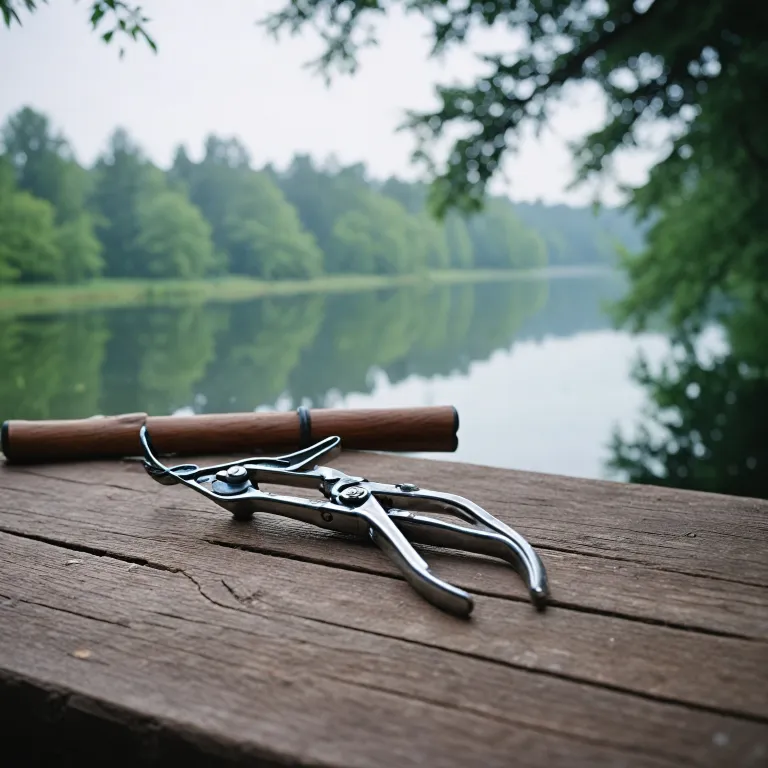

Understanding the role of a nipper tool in fishing
Why a Small Tool Makes a Big Difference on the Water
For many recreational anglers, the nipper tool is one of those small items that often gets overlooked—until you really need it. Whether you’re fly fishing on a quiet stream or setting up your gear at the lake, having a reliable nipper can save time and frustration. This simple cutter is designed to trim line, leader, or even small knots with precision. Unlike scissors or nail clippers, nippers are made specifically for fishing lines, offering cleaner cuts and reducing the risk of frayed ends that can weaken your setup.
Most nippers are crafted from stainless steel or steel, ensuring durability and resistance to rust, especially in wet environments. Some models even feature additional tools, like a nail knot tool or a small file for sharpening hooks. When you’re out on the water, every second counts, and fumbling with the wrong tool can mean a lost catch. That’s why choosing the right nipper—one that suits your fishing style and the type of line you use—is essential for both convenience and security.
Beyond just cutting, a nipper can be a part of your broader network of fishing gear, working alongside other tools to streamline your setup. Many anglers report that after they bought a quality nipper, their time spent retying or adjusting lines dropped significantly. If you’re building your kit or upgrading your tools, don’t underestimate the value of this small but mighty product.
For those looking to organize their fishing gear more efficiently, check out this guide on choosing the right case for your fishing pole. Keeping your nipper and other essential items secure and accessible is just as important as the tools themselves.
Key features to look for in a nipper tool
What Makes a Nipper Tool Stand Out?
When you’re choosing a nipper for your fishing kit, the difference between a good day and a frustrating one often comes down to the details. The right nipper tool isn’t just about cutting line—it’s about reliability, comfort, and lasting value. Here’s what to look for when you’re ready to buy or upgrade your nipper:
- Material Quality: Stainless steel nippers are the gold standard for durability and rust resistance. Steel cutting edges stay sharp longer, especially in wet or saltwater conditions. If you want a tool that lasts, prioritize nippers stainless or stainless steel construction.
- Cutting Performance: A sharp cutter is essential for cleanly snipping mono, fluorocarbon, or even braid. Look for nippers with precision-ground blades and a smooth cutting action. Some products offer replaceable cutting surfaces, which can extend the tool’s life.
- Ergonomics and Size: A small, easy-to-handle nipper fits comfortably in your hand and attaches securely to your vest or lanyard. Consider the grip—rubberized or textured surfaces help even when your hands are wet or cold.
- Added Features: Some nippers include extras like a built-in nail knot tool, hook eye cleaner, or even a small file. These items can save space in your pack and add value to your purchase.
- Security and Convenience: Look for tools with a lanyard hole or clip to prevent accidental drops. Free shipping offers and bundled items can also add value when you’re shopping online.
With so many nipper tools on the market, it’s easy to get overwhelmed by the options. Take time to learn about the features that matter most for your fishing style. If you’re interested in maximizing comfort and performance on the water, check out this guide on reliable wading socks for anglers—another small item that can make a big difference in your fishing experience.
Ultimately, the best nipper tool is the one that fits your needs, lasts through many trips, and helps you focus on what matters: catching fish and enjoying your time outdoors.
Comparing popular nipper tool materials
Material Matters: How Nipper Construction Impacts Performance
When it comes to choosing a nipper tool for your fly fishing kit, the material used in its construction is more than just a detail. It directly affects durability, cutting precision, and even your overall fishing experience. Let’s break down the most common materials you’ll find in today’s nippers and what each brings to the table.
- Stainless Steel: This is the go-to material for many anglers. Stainless steel nippers are known for their corrosion resistance, which is crucial when you’re working around water all day. They maintain sharpness longer and are less likely to rust, making them a top choice for both freshwater and saltwater fishing. If you want a tool that stands up to repeated use and exposure, stainless steel is hard to beat.
- Standard Steel: Some nippers are made from regular steel, which can offer a sharp edge and a lower price point. However, these tools may require more frequent maintenance to prevent rust and keep the cutter sharp. If you’re just starting out or need a backup, steel nippers can be a practical option, but be prepared to care for them more diligently.
- Aluminum and Composite: Lightweight and often designed for comfort, aluminum or composite nippers are easy to carry and handle. However, the cutting edge is usually still steel or stainless steel, as these materials are essential for effective line cutting. The main benefit here is reduced weight in your vest or pack, which can make a difference on long days by the water.
When comparing products, pay attention to the quality of the steel cutting edge, especially if you’re targeting species that require frequent rig changes or use heavier lines. Some top nippers feature replaceable blades, which can extend the tool’s lifespan and keep your kit sharp for seasons to come.
For anglers who want to learn more about optimizing their gear for specific catches, check out this guide on top lures for catching smallmouth bass. The right nipper, paired with the right tackle, can make your time on the water more efficient and enjoyable.
Remember, the best nipper for you depends on your fishing style, the environment, and how much maintenance you’re willing to do. Investing in a reliable, well-made tool ensures you spend less time fussing with gear and more time enjoying the real-time action of your next catch.
Tips for using your nipper tool effectively
Practical ways to get the most from your nipper
Once you’ve bought a nipper tool, using it the right way can make a big difference in your fishing experience. Whether you’re fly fishing or working with other setups, a reliable nipper saves time and helps keep your gear in top shape. Here are some practical tips to help you get the most out of your nippers and related tools:
- Keep it handy: Attach your nipper to a retractable lanyard or a small carabiner on your vest or pack. This ensures your cutter is always within reach when you need to trim line or leader.
- Use the right angle: When cutting fishing line, especially with steel or fluorocarbon, position the nipper blades perpendicular to the line. This gives a cleaner cut and reduces fraying.
- Don’t force it: If your nipper struggles with thicker lines or steel cutting, avoid forcing the blades. Instead, use a dedicated cutter or pliers for heavy-duty items to prevent damaging your nipper tool.
- Clean after use: After each trip, especially in saltwater, rinse your nippers stainless or stainless steel models with fresh water. This helps maintain the product’s cutting performance and prevents corrosion.
- Check for sharpness: Regularly test your nipper on a small piece of line. If it’s not cutting cleanly, it may be time to sharpen or replace the tool.
- Stay organized: Keep your nipper and other tools in a dedicated pocket or pouch. This makes it easier to find what you need quickly, especially when handling multiple network devices or items on the water.
Learning how to use your nipper efficiently can save you time and frustration. It also helps protect your other gear, like your nail knot tool or device configuration files, by reducing unnecessary wear and tear. For those who value security and real time efficiency in their fishing network, a well-maintained nipper is a small investment that pays off every trip.
Maintaining your nipper tool for longevity
Simple Steps to Keep Your Nipper in Top Shape
Taking care of your nipper tool is essential if you want it to last through many fishing trips. Even the best stainless steel nippers or steel cutting tools need a little attention. Here are some practical tips to keep your cutter sharp and your tool ready for action:- Rinse after use: After each outing, especially in saltwater, rinse your nipper and other small tools with fresh water. Salt and debris can cause corrosion, even on stainless steel items.
- Dry thoroughly: Don’t just toss your nippers back in your tackle box. Dry them with a cloth to prevent rust and keep the cutting edges sharp.
- Check for wear: Regularly inspect your nipper for dull blades or loose parts. If the cutter isn’t slicing cleanly, it might be time to sharpen or replace it.
- Lubricate moving parts: A drop of oil on the pivot point can keep your nipper working smoothly. This is especially important for steel or stainless steel tools that see a lot of action.
- Store securely: Use a sheath or a dedicated pocket in your gear bag. This protects the nipper and other tools from banging around with heavier items, reducing the risk of damage.
- Keep away from harsh chemicals: Avoid exposing your nipper to strong cleaning agents or solvents. These can degrade the steel and compromise the tool’s performance.
Why Maintenance Matters for Security and Performance
A well-maintained nipper isn’t just about longevity—it’s about security and efficiency on the water. A dull or rusty nipper can slow you down when you need to cut line fast or trim a nail knot. For anglers who rely on their tools for real time adjustments, keeping your nipper in top condition is as important as maintaining your network devices or analyzing device configuration files in a business network infrastructure. Regular maintenance also ensures that your nipper tool is always ready to perform, whether you’re fly fishing or working with other network-based tools. When you’ve bought a quality product, a little care goes a long way. And don’t forget: many brands offer free shipping on replacement blades or nippers stainless, making it easy to keep your gear in peak shape without extra hassle. By following these simple steps, you’ll get the most out of your nipper, ensuring it remains a reliable part of your fishing kit for seasons to come.Choosing the right nipper tool for your fishing style
Finding the Perfect Match for Your Fishing Approach
Every angler’s fishing style is unique, and the nipper tool you choose should reflect your specific needs. Whether you’re into fly fishing, freshwater, or saltwater adventures, the right nipper can make a big difference in your experience. Here’s how to narrow down your options and select a product that fits your style and requirements.
- Fishing Environment: If you often fish in saltwater, prioritize nippers made from stainless steel. These resist corrosion and maintain their cutting edge longer, even in harsh conditions. For freshwater, standard steel or nippers stainless models can also perform well.
- Tool Size and Portability: Small, lightweight nippers are ideal for anglers who value minimal gear and quick access. Some products come with a lanyard or clip, making them easy to attach to your vest or pack for real time use.
- Cutting Performance: Look for a cutter that can handle a range of line types and thicknesses. Steel cutting edges are essential for durability, especially if you regularly use heavy leaders or wire. Nippers with replaceable blades or sharpening options offer added value.
- Extra Features: Some nippers include built-in tools like a nail knot tool, hook eye cleaner, or even a small file. These multi-function items can streamline your kit and reduce the number of tools you need to carry.
- Budget and Value: While it’s tempting to go for the cheapest option, investing in a quality nipper tool often pays off in the long run. Many reputable brands offer free shipping or business deals, especially if you buy multiple tools or other network devices for your fishing network infrastructure.
Before you buy, check product reviews and reports from other anglers. Learn from their experiences with different versions of nipper tools, especially regarding device security and configuration file reliability in more technical, based network setups. If you’re shopping online, look for shipping free offers to maximize value.
Ultimately, the best nipper is the one that fits seamlessly into your fishing routine, offering reliable performance and durability. Take the time to analyze your needs and match them to the features and materials discussed earlier. This approach ensures your nipper tool becomes a trusted companion on every trip.