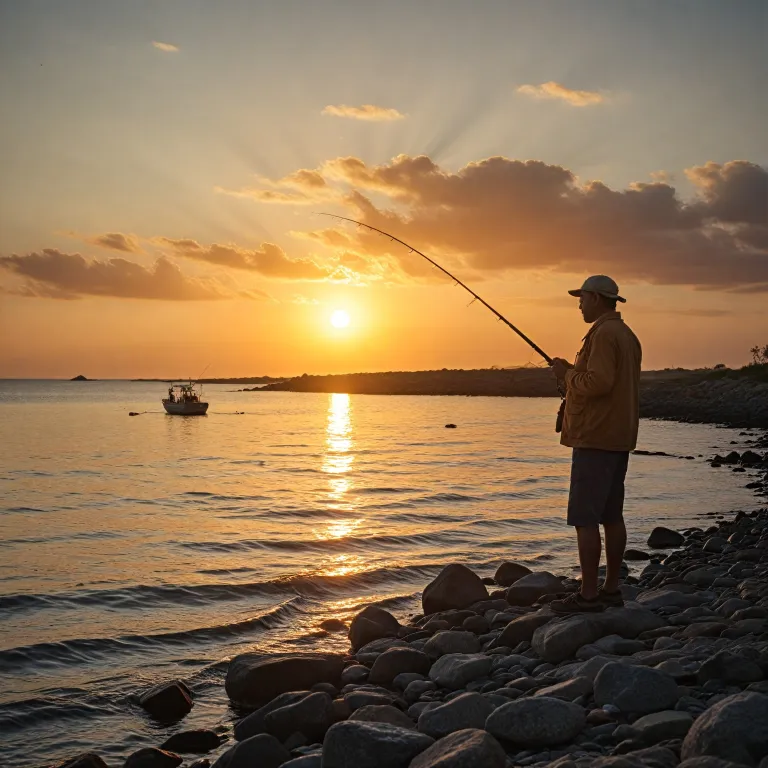

Understanding the demands of tuna fishing
What Makes Tuna Fishing Unique?
Tuna fishing is a true test of both angler and equipment. These fish are powerful, fast, and often found in deep offshore waters. Unlike regular freshwater fishing, targeting tuna means dealing with saltwater conditions, heavy gear, and the need for specialized rods and reels. The right fishing pole is not just a preference—it’s a necessity for handling the big game challenges that tuna present.
Physical Demands and Gear Expectations
When you’re offshore, you’ll face long battles with fish that can weigh hundreds of pounds. This puts immense stress on your rod, reel, and every component of your setup. Tuna fishing poles must be built for strength, durability, and reliability. Whether you’re casting, trolling, or jigging in deep water, your rod needs to withstand the force of a big tuna strike and the relentless pull during the fight.
- Heavy-duty construction: Tuna rods are designed for saltwater fishing and must resist corrosion and wear.
- Fast action: Quick response helps set the hook and control the fish.
- Custom rods: Some anglers opt for custom builds to match their style and needs.
- Price considerations: The unit price, regular price, and sale price of tuna rods can vary widely based on materials and features.
Why the Right Pole Matters for Success
Choosing the right tuna fishing pole isn’t just about catching more fish—it’s about safety, comfort, and maximizing your time on the water. A well-matched rod and reel combo makes it easier to handle big game fish, reduces fatigue, and increases your chances of landing that trophy catch. From spinning rods for casting to trolling rods for deep drop techniques, each style has its place in the tuna fishing game.
For those preparing for their next offshore adventure, understanding the demands of tuna fishing is the first step. It’s also worth considering how your gear, clothing, and accessories can make a difference. For example, wearing the right apparel can enhance your experience and performance. Check out this guide on why a camo fishing shirt is a game changer for anglers for more tips on gearing up for your next big catch.
Key features to look for in a tuna fishing pole
Essential qualities for a tuna fishing rod
When targeting tuna, your fishing rod needs to handle serious pressure. Tuna are powerful, fast-swimming fish, so your gear must be up to the challenge. Here are some key features to consider when choosing a tuna fishing pole for offshore or deep water adventures:
- Rod Power and Action: Look for heavy or extra-heavy rods with fast action. This combination provides the backbone needed for big game and the sensitivity to detect subtle bites. Fast action rods bend mostly at the tip, giving you better control during casting and fighting fish.
- Length: Most tuna rods range from 5.5 to 7 feet. Shorter rods offer more leverage for deep drop or jigging, while longer rods are better for casting spinning setups or trolling rod applications.
- Line and Lure Ratings: Check the rod’s specifications for line and lure weight. Tuna fishing often requires heavier lines (50-130 lb test) and big lures, so make sure your rod is rated accordingly.
- Reel Seat and Guides: Quality saltwater fishing rods have corrosion-resistant components. Look for reinforced reel seats and heavy-duty guides that can handle braided line and the stress of offshore fishing.
- Rod Type: Decide between spinning rod, casting, trolling, or jigging rod styles. Each has its strengths depending on your preferred fishing style and the size of tuna you’re targeting.
- Comfort and Grip: Tuna battles can last a while. EVA foam or custom grips provide comfort and reduce fatigue during long fights.
- Price and Value: There’s a wide range of unit price and sale price options. While high-end custom rods and big game models can be expensive, there are also quality rods for sale at a regular price that offer great value for recreational anglers. Always compare price tuna options and check rated stars or reviews before making a purchase.
For more tips on selecting the right fishing gear, including how to choose the best rated fish fillet knife for recreational anglers, check out this comprehensive guide.
Materials and construction: what matters most
Why rod materials matter for tuna fishing
When targeting big game like tuna, the material and construction of your fishing pole are crucial. Tuna are powerful fish, and your rod needs to handle the intense pressure of offshore and deep water battles. The right materials ensure your rod is strong, durable, and responsive, whether you’re casting, trolling, or jigging.
Common materials used in tuna rods
- Graphite: Lightweight and sensitive, graphite rods offer fast action and are popular for casting spinning and jigging rod setups. They’re ideal for anglers who want to feel every movement but may not be as robust as other options for heavy-duty tuna fishing.
- Fiberglass: Known for their durability and flexibility, fiberglass rods are a classic choice for trolling rod and deep drop applications. They can handle the heavy loads of big tuna and are less likely to snap under pressure.
- Composite: Many custom rods for tuna fishing combine graphite and fiberglass, giving you the best of both worlds—sensitivity and strength. These are often rated stars by experienced anglers for their versatility in saltwater fishing.
Construction details that make a difference
- Reinforced guides: Look for rods with corrosion-resistant guides, especially for saltwater and offshore use. Quality guides help prevent line wear during long fights with tuna.
- Solid reel seats: A secure reel seat is essential for keeping your reel in place during heavy action. Stainless steel or aluminum seats are common in big game rods.
- Butt design: For deep water and heavy casting, a strong butt section (often made of aluminum or reinforced composite) provides extra leverage and comfort.
Balancing price and performance
The unit price and sale price of tuna rods can vary widely based on materials and construction. While high-end custom rods offer top performance, many regular price options deliver excellent value for recreational anglers. Always consider how often you’ll use the rod and the size of tuna you plan to target before making a purchase.
Choosing the right rod for your fishing style
Whether you prefer spinning rod setups for casting or a heavy trolling rod for deep drop techniques, the construction of your fishing pole should match your preferred style. For more tips on selecting gear for different species and conditions, check out this guide on top lures for catching smallmouth bass.
Matching your pole to your fishing style
Finding the Best Fit for Your Tuna Fishing Approach
Every angler has a unique approach to tuna fishing, and the right fishing pole can make all the difference. Whether you prefer trolling offshore for big game tuna, casting spinning setups for fast action, or deep drop jigging in saltwater, matching your rod to your style is key for both performance and enjoyment.
- Trolling Rods: If you’re targeting big tuna offshore, a heavy trolling rod is essential. These rods are designed to handle the intense pressure of deep water battles and are often paired with powerful reels. Look for models rated for heavy line and high drag, with a regular price that reflects their durability and build quality.
- Spinning Rods: For anglers who enjoy casting spinning lures or live bait, a spinning rod offers versatility and ease of use. Choose a rod with fast action for quick hook sets and enough backbone to manage the fight. Many spinning rods are available at a unit price that balances quality and affordability, with some even on sale for added value.
- Jigging Rods: Deep jigging for tuna requires a rod that’s both strong and responsive. Jigging rods are typically shorter, allowing for better control and leverage when working heavy lures in deep water. These rods are often custom designed for saltwater fishing and can be found at various price points, including sale price options for budget-conscious anglers.
- Custom Rods: For those who want a tailored experience, custom rods can be built to your exact specifications. This allows you to choose materials, action, and length that match your preferred style, whether it’s casting, trolling, or jigging. Custom options often come at a higher unit price, but the investment pays off in performance and satisfaction.
When choosing your next tuna fishing pole, consider how you like to fish, the size of tuna you’re targeting, and the conditions you’ll face. A rod rated stars by other anglers can provide valuable insights, but always weigh the price, construction, and features against your specific needs. Fast shipping and reliable after-sale support are also worth considering, especially when investing in big game gear.
Popular tuna fishing pole models for recreational anglers
Top Picks for Tuna Fishing Rods Among Recreational Anglers
When it comes to targeting big game like tuna, the right fishing pole can make or break your experience. The market offers a wide range of rods designed for saltwater fishing, each with its own strengths. Here’s a look at some popular models and what sets them apart for offshore and deep water adventures.- Spinning Rods for Tuna: Spinning rods are a favorite for their versatility and ease of use. Many recreational anglers choose spinning rods rated for heavy action and fast action, ideal for casting spinning lures or live bait to fast-moving tuna. Look for models with corrosion-resistant guides and strong reel seats for saltwater durability.
- Trolling Rods: Trolling rods are built for pulling big lures or baits behind a moving boat. These rods are typically heavier, with reinforced blanks and robust guides to handle the pressure of big game like tuna. They’re often paired with high-capacity reels for deep drop and offshore fishing.
- Jigging Rods: Jigging rods are designed for vertical fishing, allowing you to work heavy jigs in deep water. These rods are shorter, with a strong backbone and sensitive tip, making them perfect for targeting tuna that hold deep. Fast action is a key feature here, giving you the power to set the hook quickly.
- Custom Rods: Some anglers opt for custom rods tailored to their preferred fishing style. Custom rods can be built to your specifications, from length and action to handle material and guide type. This is a great option if you have specific needs or want a unique unit for your offshore game.
| Model | Type | Action | Best For | Rated Stars | Unit Price | Sale Price |
|---|---|---|---|---|---|---|
| Penn Carnage III | Spinning Rod | Fast | Saltwater, Casting Spinning | 4.7 | $249.99 | $219.99 |
| Shimano Terez | Jigging Rod | Extra Fast | Deep Water, Jigging | 4.8 | $299.99 | $269.99 |
| Okuma Makaira | Trolling Rod | Heavy | Offshore, Big Game | 4.6 | $329.99 | $299.99 |
| Custom Offshore Rods | Custom | Varies | Personalized Game | 4.9 | $400+ | Varies |
Maintenance tips to extend the life of your tuna fishing pole
Simple habits to keep your tuna rod in top shape
After investing in a quality tuna fishing pole, regular care is key to protecting your unit and getting the most out of your purchase. Saltwater, offshore conditions, and big game battles can wear down even the best rods. Here’s how to keep your rod, reel, and components ready for every trip.
- Rinse after every trip: Saltwater is tough on fishing rods. Rinse your rod and reel with fresh water after each outing. Pay attention to guides, reel seats, and handles. Avoid high-pressure sprays, which can push salt deeper into crevices.
- Dry thoroughly: Let your rod air dry before storage. Wipe down with a soft cloth to prevent corrosion, especially on metal parts and custom rods with special finishes.
- Inspect for damage: Check guides for nicks, cracks, or bent frames. Damaged guides can fray line during casting or jigging. Examine the blank for chips or stress marks after heavy or deep water use.
- Lubricate moving parts: Apply a small amount of reel oil to the reel seat and any moving connections. This is especially important for spinning rod and trolling rod setups exposed to saltwater fishing.
- Store properly: Use a rod rack or protective sleeve. Avoid leaning rods against walls for long periods. For big game and deep drop rods, store vertically if possible to prevent warping.
- Check connections: Before each trip, ensure ferrules and reel seats are tight. Loose connections can lead to lost fish or damaged rods, especially during heavy offshore casting or jigging rod action.
- Service regularly: Schedule professional maintenance for your rod and reel at least once a season, especially if you fish regularly or target big tuna. This can extend the life of your gear and maintain fast action performance.
Protecting your investment: price, value, and longevity
Whether you bought your rod at regular price, sale price, or scored a unit price deal, maintenance protects your investment. High-quality rods, whether custom or off-the-shelf, are built for saltwater and offshore game, but even the best rated stars models need care. Fast shipping and easy returns are great, but nothing beats a rod that lasts season after season.
Remember, the right habits can make your tuna fishing pole, spinning rod, or casting spinning setup last longer, perform better, and hold its value. Take care of your gear, and it’ll be ready for your next big catch.