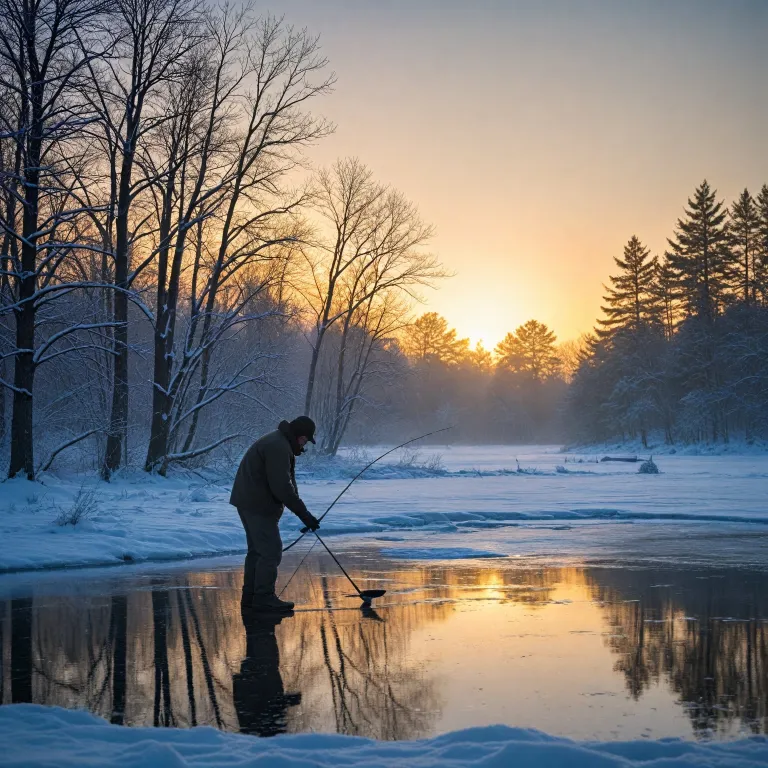
Understanding Ice Fishing Basics
Diving into Ice Fishing Basics
Ice fishing can be a thrilling adventure, but getting started requires a solid understanding of the basics. Just picture it: the quiet expanse of a frozen lake, the anticipation of fish beneath the ice, and the joy of a successful catch. However, to master this unique form of fishing, it's essential to comprehend the fundamental principles.
Ice fishing involves more than just drilling a hole in the ice and dropping a line. It requires specific ice fishing rods tailored to different fish species like perch, trout, and northern pike. An angler's success can hinge on choosing the correct bait and lures, as well as understanding the behavior of the fish beneath the cold surface.
Key factors like ice thickness and the type of gear employed are crucial. Ensuring safe ice is imperative; generally, it's recommended that ice be at least 4 inches thick for safe fishing. The use of a good spring bobber can enhance your ice fishing experience by offering sensitivity in detecting even the smallest bites.
When it comes to jigging techniques, ice anglers use a variety of methods, each effective for catching fish like lake trout and yellow perch. Different lures are selected depending on the target species and water depth. Frequent measurements of the ice thickness can guide you to safe and productive fishing spots.
Ultimately, mastering ice fishing starts with a deep dive into these basics. Once you understand the essentials, you'll be well on your way to planning a successful fishing trip and catching more fish on your next icy adventure.
Choosing the Right Location
Selecting the Perfect Spot for Ice Fishing
As you embark on your ice fishing adventure, one of the most crucial steps in the process is determining where to drill your hole in the ice. The best locations can vary depending on the species you aim to catch. For instance, if you're looking for lake trout or northern pike, focusing your efforts in deep, clear ice can be promising.
However, when targeting perch and crappie, shallow waters around 10 to 15 feet are ideal. These fish often gather around submerged structures or vegetation, which provide both food and shelter from predators. It's also beneficial to consult local fishing reports or speak with fellow anglers about which areas are currently yielding good results.
Consider checking ice thickness before heading out; safe ice is essential. Generally, clear ice measuring at least four inches is considered secure for individual anglers, but more is needed if you plan to venture with a group or bring along heavy gear.
Moreover, consider the time of day and weather conditions. Mornings and late evenings can often yield a successful catch as fish may rise to the upper feet of water during cooler periods. Keeping this in mind will assist you in catching fish more effectively.
For those planning a fishing trip targeting lake trout and similar species, look for areas where the depth changes rapidly. Fish will often dwell in these locations as it allows them access to both deep and shallow water quickly.
If night fishing is on your itinerary, don't forget about visibility. Equip yourself with the best headlamps. For detailed recommendations, visit this article on how to illuminate your night fishing adventures.
Finding the right spot involves knowledge, experience, and sometimes a little luck. Paying attention to these factors can significantly enhance your probability of success on the ice.
Effective Bait and Lure Selection
Picking the Perfect Lure and Bait
When it comes to ice fishing, selecting the right bait and lures is crucial for a successful fishing trip. Understanding what works best in varying conditions on the ice can make a world of difference. Here's what you should consider:
- Know Your Target Fish: Different fish species respond uniquely to certain baits and lures. Lake trout, northern pike, and yellow perch each have their preferences, and knowing these can dramatically improve your chances of catching fish.
- Sizing and Color: Small, subtle lures can be effective for perch crappie, while larger, more vibrant ones might attract the attention of bigger fish like lake trout. The color of the lure can also play a role, especially in clear ice conditions where contrast is important.
- Effective Jigging Techniques: Jigging is a popular method among ice anglers. Using techniques such as varying the depth and speed of your jig strokes can entice curious trout and perch. It can be beneficial to attach a spring bobber to your rod tip to detect subtle bites.
- Water Depth and Temperature: The ideal lure might change based on where you're fishing. In deeper waters, go for heavier lures that can quickly reach the desired depth. Fishing in feet water closer to the surface might require lighter options.
Effective lure and bait selection can be your ticket to a great ice fishing experience. As you refine your techniques and gear up for the season, remember to keep an eye on fly line essentials which can also be a game changer for catching different fish species under the ice.
Ice Fishing Gear Essentials
Essential Gear for Ice Fishing Success
When it comes to ice fishing, having the right gear is crucial for a successful and enjoyable experience. The right equipment not only helps in catching fish but also ensures safety and comfort on the ice. Here’s a rundown of the essential gear every ice angler should consider:
- Ice Auger: A reliable ice auger is a must-have to drill holes through the ice. Depending on your preference, you can choose between manual, electric, or gas-powered augers. Ensure the auger can cut through the ice thickness typical of your fishing location.
- Fishing Rod and Reel: Opt for a rod specifically designed for ice fishing. These rods are generally shorter and more sensitive, allowing you to detect even the smallest bites. Pair it with a good quality reel for smooth operation.
- Jigging Techniques: Mastering jigging techniques is vital for attracting fish like lake trout and northern pike. A spring bobber can enhance sensitivity, helping you notice subtle nibbles.
- Bait and Lures: Stock up on a variety of lures and bait. Small jigs and spoons are great for perch and crappie, while larger lures can attract bigger fish like lake trout. Experiment with different colors and sizes to see what works best in your chosen lake.
- Ice Shelter: An ice shelter provides protection from harsh weather conditions, keeping you warm and comfortable. Portable shelters are a good choice for anglers who like to move around.
- Safety Gear: Safety should always be a priority. Carry ice picks, a throw rope, and wear a life jacket to ensure you're prepared for any emergencies on the ice.
With the right gear, your ice fishing trip can be both productive and enjoyable. Remember, the key to a successful outing is preparation and understanding the specific needs of your fishing environment.
Techniques for Different Fish Species
Techniques to Target Different Fish Species
Targeting various fish species in ice fishing requires specific techniques, as fish behavior and preferences differ significantly. Let's explore some effective methods for popular species you might encounter during your fishing trip. Lake Trout For lake trout, importance is placed on depth and presentation. Typically residing in deeper waters, these fish are attracted to jigging techniques. Use a heavier jig to reach deeper feet of water and opt for bright, flashy lures. A good tip is to utilize a spring bobber to detect subtle bites, ensuring you don’t miss out on any catch. Northern Pike Targeting northern pike demands an understanding of their aggressive hunting style. They are commonly found near weedy or submerged structures. Try using larger baits and lures to entice this predator. Jigging aggressively will provoke their natural instinct to strike, making it a great approach to land this species. Yellow Perch Yellow perch are often found schooling in groups, typically in clear ice conditions. Smaller lures work well, with light gear being essential to keep them from spooking. Downsizing your bait can be particularly effective, using small minnows or mealworms to entice these fish. Perch and Crappie For perch and crappie, focus on jigging in shallower areas, often around 5 to 10 feet water where they like to hover. These fish tend to be more active between early morning and late afternoon. Use jigs with soft plastic tails or grubs to mimic the natural prey and keep the presentation dynamic to catch their interest. By tailoring your gear and methods to the species you're targeting, you maximize your chances of success. Remember, each type of fish will respond better to techniques adapted to their habits and environment, helping you achieve a productive ice fishing experience.Safety Tips for Ice Fishing
Essential Safety Measures for Ice Fishing Enthusiasts
Ice fishing can be a thrilling and rewarding experience, but it's crucial to prioritize safety to make sure your fishing trip is enjoyable. Keeping a few safety tips in mind will help ensure you stay safe while you focus on catching fish.- Check Ice Thickness: Before stepping onto the frozen water, make sure the ice thickness is at least four inches for foot traffic. For heavier gear or snowmobiles, you'll need even thicker ice. Always look for clear ice, as it's typically more stable.
- Aware of Ice Conditions: Weather conditions can drastically alter ice stability. Always stay updated on local ice reports, especially after any warm spells or rain brings potential hazards.
- Carry Essential Safety Gear: Equip yourself with a set of ice picks for self-rescue if you fall through. It's also a good idea to have a length of rope, a whistle, and a flotation device handy.
- Fish With a Buddy: Fishing is more fun in the company of friends, plus it's safer. A partner can assist in case of an emergency and help you assess the best spots to drop your bait or lures.
- Marking Your Fishing Hole: Clear visibility is critical. Always mark your fishing hole with a flag or stick to prevent accidents for yourself and other anglers approaching the area.
- Awareness During Changing Conditions: While enjoying your time ice fishing, always remain vigilant to changing ice conditions. If you notice softening ice or hear cracking sounds, it's time to vacate the area for firmer grounds.