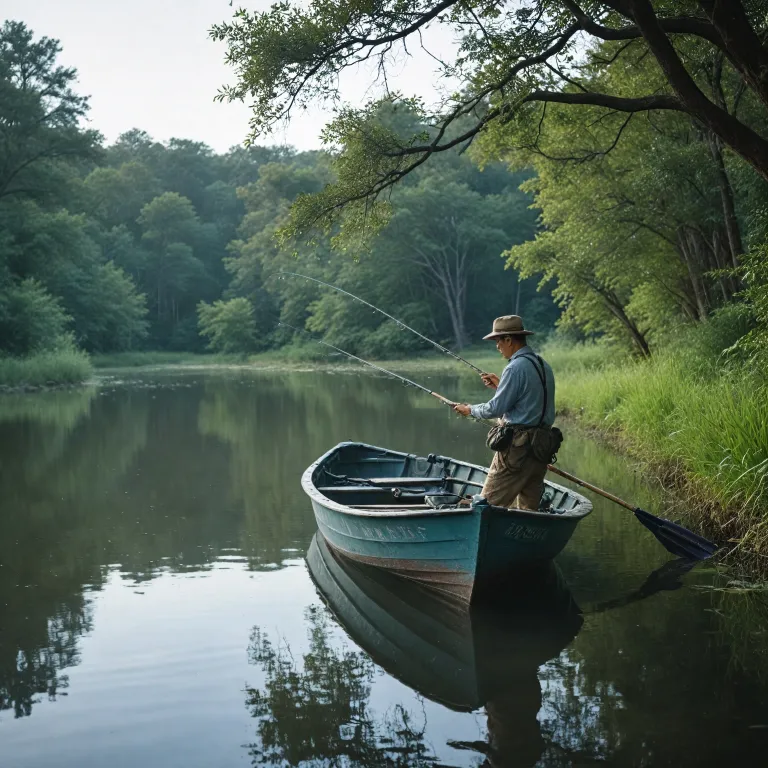

Understanding the basics of lead core fishing line
What Makes Lead Core Fishing Line Unique?
Lead core fishing line is a specialized product designed for anglers who want precise depth control while trolling. Unlike standard monofilament or braided lines, lead core lines feature a dense lead wire at their core, wrapped in a braided nylon or polyester sheath. This construction allows the line to sink at a predictable rate, making it easier to target fish at specific depths, whether you're after trout, walleye, or salmon.
How Lead Core Lines Are Built
The core of the line is made from lead wire, which gives the product its weight and fast sinking properties. Around this core, manufacturers braid a durable outer layer, often color-coded every ten yards. These color changes help anglers estimate how much line is out and, therefore, how deep their lure is running. Most lead core lines are sold in spools of 100 to 200 yards, with pound test ratings typically ranging from 12 to 45 pounds, depending on the target species and trolling setup.
Why Anglers Choose Lead Core for Trolling
For recreational anglers, the main advantage of lead core fishing line is its ability to reach and maintain specific depths without the need for heavy sinkers or downriggers. This makes it a popular choice for trolling, especially when targeting fish that hold at different depths throughout the day. The predictable sink rate—often measured in feet per color—lets you fine-tune your presentation and cover more of the water column efficiently.
Comparing Lead Core to Other Sinking Lines
While there are other sinking lines and products on the market, such as wire lines or high-density braided lines, lead core stands out for its ease of use and versatility. The color-coded system and manageable price point make it accessible for most recreational anglers. However, choosing the right line and setup is crucial for success, as is understanding how to care for your gear to ensure longevity.
For those interested in how modern braided lines are changing the game for recreational anglers, check out this in-depth look at innovative braid products.
Why depth control matters in recreational fishing
How Depth Influences Your Catch
Depth control is a game changer for recreational anglers aiming to maximize their catch. When you’re trolling with lead core fishing line, the ability to precisely position your bait or lure at a specific depth can mean the difference between a slow day and a successful outing. Different fish species prefer different water layers, and factors like water temperature, light penetration, and oxygen levels all shift as you go deeper. That’s why understanding how your line, lead, and core construction affect sink rate and depth is crucial.
Matching Your Line to Target Species
Choosing the right product for depth control isn’t just about the pound test or price. It’s about matching your lead core line, yards, and color to the fish you’re after. For example, some core lines are designed with high visibility colors that help you track changes in yards as you let out more line. Others use a braided core or lead wire for a faster sinking rate, which is ideal for reaching deeper fish quickly. The number of colors on your line can also act as a depth gauge, with each color typically representing a set number of feet.
- Core trolling setups let you adjust depth by simply letting out more or less line.
- Board lines and sinking lines can help spread your presentation and target multiple depths at once.
- Pairing your lead core with the right backing line and leader ensures you maintain control and sensitivity, even at greater depths.
Why Depth Control Matters for Product Performance
Not all fishing lead products are created equal. The best lead core fishing lines offer consistent sink rates, durable braided construction, and clear color changes in yards for easy tracking. These features help you avoid common mistakes like fishing too shallow or too deep, which can spook fish or miss the strike zone entirely. For anglers looking to compare the benefits of different line materials, such as fluorocarbon, check out this guide on the benefits of fluorocarbon in fishing.
Ultimately, mastering depth control with lead core line is about understanding how your gear interacts with the water and the fish you’re targeting. By paying attention to the details—like sink rate, color changes, and the right pound test—you’ll be better equipped to adapt to changing conditions and improve your results on the water.
Choosing the right lead core fishing line for your setup
Key factors to consider when selecting your lead core line
Choosing the right lead core fishing line can make a big difference in your trolling success. The market offers a range of products, each with unique features designed for different fishing scenarios. Here are the main points to help you pick the best line for your setup:
- Pound test and core strength: The pound test rating indicates how much weight the line can handle before breaking. For most recreational anglers, a 15 to 27 pound test lead core line covers a wide range of freshwater and inshore saltwater applications. Heavier lines are available for targeting larger fish or trolling in deeper water.
- Number of colors and color changes: Lead core lines are typically color segmented every 10 yards, making it easier to estimate how much line you have out and, therefore, your trolling depth. More colors mean more precise depth control. For example, a 10-color line (100 yards) lets you adjust your presentation in 10-foot increments, since each color usually sinks about 5 feet.
- Sink rate: Not all lead core lines sink at the same speed. Standard lines usually sink at about 5 feet per color, but some fast sinking or heavy core lines can reach greater depths faster. Check the product specifications for sink rate details.
- Braid and core material: Most modern lead core lines use a braided nylon or Dacron outer sheath with a lead wire core. Braided lines offer flexibility and strength, while the lead wire ensures consistent sinking. Some premium products use advanced braids for smoother handling and less friction on the reel.
- Visibility and color: High visibility lines are easier to track on the water, which can be helpful when running multiple board lines or fishing in low light. Some anglers prefer low-visibility colors for clear water or wary fish.
- Line length and yardage: Lead core lines are sold in spools ranging from 100 to 300 yards. Consider your trolling style and target species when choosing the right length. Longer lines allow for deeper presentations and more flexibility with backing line.
- Price and product reviews: Prices vary based on brand, material, and features. Look for products with high star ratings and positive feedback from other anglers. Reliable brands often offer better durability and consistent sink rates.
Matching your lead core line to your rod, reel, and target fish is crucial for maximizing your success on the water. If you’re looking to pair your line with the most effective lures, check out this guide on top lures that consistently catch smallmouth bass for more insights.
Remember, the right combination of core line, trolling technique, and lure selection can help you reach the desired depth and trigger more strikes. Take the time to compare products and read reviews before making your purchase.
Practical tips for using lead core fishing line
Setting up your lead core line for success
Getting the most out of your lead core fishing line starts with a proper setup. Start by pairing your lead core line with a suitable backing line, such as braided line or monofilament, to fill your reel and ensure you have enough yards for deep trolling. The backing helps prevent the lead core from slipping on the spool and gives you extra line capacity for those long runs when a fish takes off.
Counting colors for accurate depth
One of the unique features of lead core lines is the color-coded sections, often changing every ten yards. This design lets anglers estimate how much line is out and, in turn, how deep their lure is running. As a rule of thumb, each color typically equals a certain number of feet in depth, depending on the sink rate of the product. For example, a fast sinking line might get you five to seven feet per color at a trolling speed of two miles per hour. Always check the manufacturer’s specs for the exact sink rate and pound test to match your fishing needs.
Fine-tuning your trolling approach
- Adjust your trolling speed to control depth. Faster speeds keep the line higher, while slower speeds allow it to sink deeper.
- Use planer boards or trolling boards to spread your lines and cover more water, reducing tangles and increasing your chances of finding active fish.
- Experiment with lure weight and size. Heavier lures or added split shot can help your setup reach deeper, while lighter lures stay higher in the water column.
- Monitor your rod angle. Keeping your rod tip low to the water helps maintain a consistent depth, especially with sinking lines.
Maximizing visibility and bite detection
High visibility lead core lines make it easier to track how much line you have out, especially in low light or when running multiple rods. Some products feature bright, alternating colors or even reflective threads for added visibility. This can be a real advantage when fishing with several anglers or managing multiple core lines off the same boat.
Adapting to changing conditions
Water temperature, current, and wind can all affect how your lead core line performs. Be ready to adjust the amount of line you let out or switch to a different pound test or sink rate as conditions change. Keeping a selection of core lines and lead wire products on hand gives you the flexibility to adapt quickly and stay on the fish.
Common mistakes to avoid with lead core line
Overlooking the Importance of Line Color and Markings
Many anglers underestimate how much line color and yard markings affect depth control. Lead core fishing lines often change color every ten yards, helping you track how much line is out. Ignoring these color changes can lead to inaccurate depth estimates, especially when trolling for fish at specific feet below the surface. Always pay attention to the color sequence and use it to your advantage.Using the Wrong Pound Test or Core Line Strength
Selecting a lead core line with an inappropriate pound test for your target species or trolling method can result in lost fish or broken lines. Heavier pound test lines offer more strength but may reduce the sink rate, while lighter lines might not handle larger fish. Match your core line strength to your fishing style and the average size of fish in your area.Neglecting Proper Backing Line Setup
A common mistake is not pairing your lead core line with the right backing line. The backing line supports the lead core and ensures you have enough yards to reach desired depths. Using too little or the wrong type of backing, like a non-braided line, can cause tangles or limit your trolling range.Incorrectly Estimating Sink Rate and Depth
Some anglers assume all lead core lines sink at the same rate. In reality, the sink rate can vary between products and brands, depending on the core material and braid. Not accounting for these differences can put your lure above or below the strike zone. Always check the manufacturer’s sink rate information, usually given in feet per color or yards.Poor Maintenance and Storage Habits
Failing to rinse your lead core line after use, especially in saltwater, can degrade the core and outer braid. Storing your line while wet or tangled can also reduce its lifespan and performance. Regularly inspect your core lines for fraying, kinks, or lead wire exposure, and replace them as needed to maintain reliability.- Monitor line color changes for accurate depth control
- Choose the right pound test for your target fish
- Pair your lead core with suitable backing line
- Check sink rate details for your specific product
- Practice good maintenance to extend line life
Maintenance and care for your lead core fishing line
Keeping your lead core line in top shape
Regular maintenance is essential for getting the most out of your lead core fishing line. These lines, with their unique lead wire core and braided outer layer, can last many seasons if cared for properly. Neglecting maintenance can lead to reduced sink rate, color fading, and even breakage at critical moments when trolling for fish.- Rinse after use: After each fishing trip, especially in saltwater, rinse your lead core line with fresh water. This prevents salt and debris from damaging the braid and core.
- Dry thoroughly: Allow the line to dry completely before storing. Moisture trapped in the braid or around the lead can cause mold or corrosion, reducing the product's lifespan.
- Inspect for damage: Check for fraying, nicks, or kinks in the core line. Pay attention to color changes or weak spots, which can indicate wear. Replace sections if needed to maintain strength and depth control.
- Store properly: Wind your lead core line loosely on a board or large spool. Avoid tight bends that can kink the lead wire. Store in a cool, dry place away from direct sunlight to prevent UV damage to the braid and color fading.
- Check connections: Regularly inspect knots, backing line attachments, and leader connections. Secure knots and use appropriate pound test leaders to avoid losing fish or gear.
When to replace your lead core line
Even with the best care, all fishing lines have a lifespan. If you notice a significant drop in sink rate, visible breaks in the lead wire, or the braid becoming brittle, it’s time to consider a replacement. Many anglers find that core lines last several seasons, but heavy use, frequent depth changes, or trolling in rough conditions can shorten their life. Investing in quality products and monitoring your line’s condition will help you avoid unexpected failures on the water.Extra tips for maximizing value
- Rotate your core trolling lines between reels to ensure even wear across yards of line.
- Use high visibility colors for easier tracking and to spot any sudden changes in the line.
- Consider the price and reviews of products before purchasing replacements—stars and feedback from other anglers can help you find the best sinking lines for your needs.