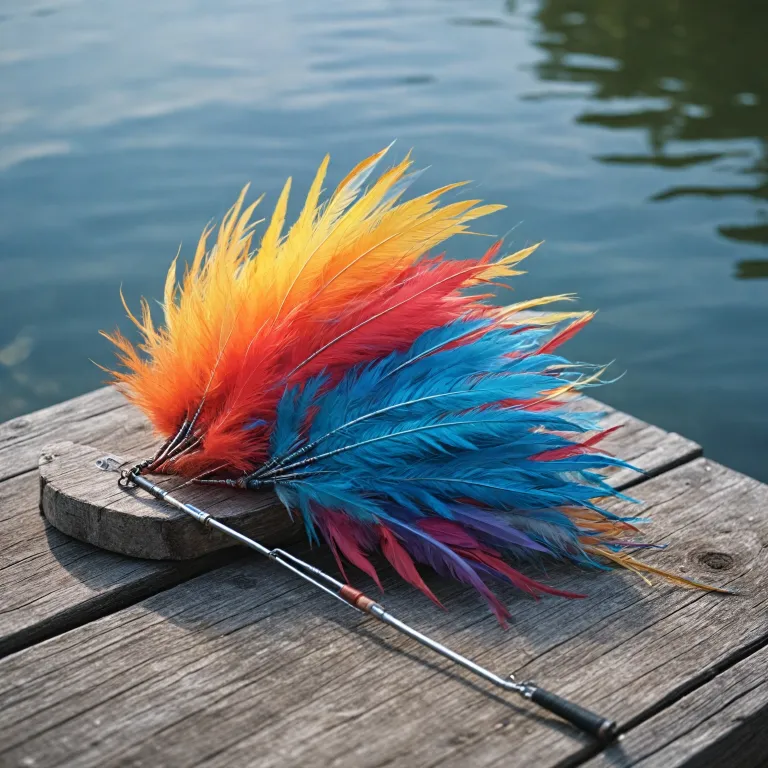

Understanding the jig marabou and its appeal
What Makes Marabou Jigs a Go-To for Anglers?
For recreational fishermen, the marabou jig stands out in the tackle box for good reason. The soft, flowing hair of the marabou skirt creates natural movement in the water, mimicking the subtle action of baitfish like shad or even aquatic insects. This lifelike presentation is especially effective for enticing trout, crappie, and steelhead. Whether you’re browsing your local baits shop or comparing options online, you’ll notice marabou jigs come in a variety of colors, weights, and hook sizes, making them adaptable for different fishing conditions and species.
Hand-Tied Craftsmanship and Versatility
Many marabou jigs are hand tied, ensuring the wings and skirt are securely attached to the jig heads. This attention to detail means the hair stays in place even after repeated casts or bites. Some popular options, like the aerojig marabou or vmc marabou, feature unique designs such as a 60-degree rotated hook or power gap for better hooksets. The versatility of these jigs is a big draw—they can be fished under a float, jigged vertically, or cast and retrieved. The range of available weights, from 1/32 ounce up to 1/4 ounce, lets you match the jig to your target species and water conditions.
Why Anglers Keep Coming Back to Marabou
- Natural action: The marabou hair and wings pulse with the slightest movement, attracting fish even in tough conditions.
- Wide selection: From black chartreuse to more natural colors, there’s a marabou jig for every scenario. Many shops offer packs or sale price deals, making it easy to stock up.
- Adaptable heads: Jig heads for trout, crappie, and steelhead come in different shapes and weights, so you can fine-tune your presentation.
- Quality hooks: Look for jigs with sharp, durable hooks—some feature the power gap design for improved hook penetration.
For anglers looking to expand their jig fishing arsenal, marabou jigs offer unmatched performance and value. If you’re interested in learning more about how to select the best bait for your target species, check out these tips for choosing the right bait for carp and other fish. As you explore the options at your favorite accessories shop or wings shop, you’ll see why the marabou jig remains a staple in recreational fishing.
How to choose the right jig marabou for your fishing style
Key Factors When Selecting Your Marabou Jig
Choosing the right marabou jig can make a big difference in your fishing success. With so many options available in every shop and online baits shop, it’s easy to get overwhelmed. Here’s what to consider before you buy your next pack of jigs marabou:
- Target Species: Are you after trout, crappie, steelhead, or shad? Lighter jigs (like a 1/16 ounce) are great for crappie and trout, while heavier heads trout jigs work better for steelhead. The right hook size and power gap also matter for different species.
- Jig Head Shape and Weight: Jig heads come in various shapes and weights. Round heads are versatile, while aerodynamically shaped heads like the aerojig marabou cut through water for a more natural presentation. Consider the degree rotated of the hook for better hooksets.
- Color and Skirt: Marabou jigs come in a range of colors. Black chartreuse is a classic for murky water, while natural tones work in clear water. The skirt and wings add movement, mimicking baitfish or insects. Hand tied jigs often have a more lifelike action.
- Material Quality: Look for soft, high-quality marabou hair. A good hair jig will have a full, fluffy skirt that pulses in the water. Some brands, like vmc marabou, are known for their durability and consistent quality.
- Price and Pack Options: Jigs are sold individually or in packs. Buying a pack can offer a better sale price, especially if you want to try multiple colors or sizes. Check your favorite accessories shop or tackle marabou section for deals.
Don’t forget to match your jig to your rod and line setup for the best results. If you’re new to jig fishing or want to refine your approach, you might find this guide on choosing the right bait for carp helpful, as many of the same principles apply when selecting jigs for different species.
Once you’ve picked your marabou jigs, you’ll want to focus on technique and avoid common mistakes. And remember, proper care will keep your collection in top shape for seasons to come.
Techniques for using the jig marabou effectively
Mastering the Presentation for More Strikes
Getting the most out of your marabou jig starts with understanding how to present it in the water. The soft, pulsating movement of marabou hair is what makes these jigs so effective, especially for trout, steelhead, and crappie. To maximize this action, use a slow, steady retrieve or subtle jigging motion. Let the wings and skirt flutter naturally—this mimics the movement of small baitfish or shad, which triggers predatory instincts in fish.
- Vary your retrieve: Try a stop-and-go technique or gentle lifts of the rod tip. This makes the marabou jig look alive and unpredictable.
- Target structure: Cast near submerged logs, rocks, or weed edges. Fish often hide in these spots, waiting for an easy meal.
- Adjust for water conditions: In clear water, natural colors like black chartreuse or olive work well. In stained water, brighter options stand out better.
Choosing the Right Setup for Your Jig
Pairing your marabou jig with the right tackle is crucial. Use light line and a sensitive rod to feel subtle bites. Jig heads come in various weights, from 1/32 to 1/4 ounce. Lighter heads are ideal for shallow water or slow presentations, while heavier options help you reach deeper fish or cast farther. Consider the hook style too—some jigs feature a power gap or a degree rotated hook for better hooksets.
For those who like to keep their gear organized, a dedicated case for your fishing pole can protect your rods and accessories, especially when carrying multiple jigs or packs from your favorite shop.
Experimenting with Jig Variations
Don’t hesitate to try different marabou jig options. Aerojig marabou, hand tied hair jigs, and vmc marabou models all offer unique features. Some anglers prefer jigs with extra wings or a grub jig skirt for added movement. Mixing up your presentation and jig selection can help you adapt to changing conditions and fish preferences.
- Keep a variety of colors and weights in your tackle marabou collection.
- Look for sales or pack deals at your local baits shop or accessories shop to expand your selection without breaking the price barrier.
With practice and attention to detail, jig fishing with marabou jigs can become one of the most productive techniques in your arsenal, whether you’re after heads trout, steelhead, or crappie.
Common mistakes to avoid with jig marabou lures
Overcoming Common Pitfalls with Marabou Jigs
Even experienced anglers can run into trouble when using marabou jigs. These lures, known for their soft hair and fluttering wings, are effective for trout, crappie, steelhead, and shad, but a few missteps can reduce their effectiveness. Here’s what to watch out for when adding marabou jigs to your tackle box or shopping for a new pack at your favorite shop.
- Choosing the Wrong Size or Weight: Selecting the right ounce and jig heads is crucial. Too heavy, and you’ll lose the natural movement; too light, and you might not reach the strike zone. For trout and crappie, lighter options like 1/16 or 1/8 ounce heads trout are often best, while steelhead may require a heavier jig.
- Ignoring Hook Quality: The hook is the business end of your marabou jig. Look for options with a power gap or vmc marabou hooks for better hooksets. A dull or weak hook can cost you fish, especially when targeting species like steelhead or shad.
- Improper Presentation: Marabou jigs rely on their skirt and hair to create lifelike movement. Avoid jerky or overly aggressive retrieves. Instead, let the wings and skirt do the work. A slow, steady retrieve or subtle jigging motion often triggers more bites.
- Overlooking Color Selection: While black chartreuse is a popular choice, don’t limit yourself. Match the color to water clarity and target species. Many shops offer a wide range of hand tied and aerojig marabou options, so experiment with different shades.
- Neglecting Maintenance: After a day of jig fishing, rinse your marabou jigs with fresh water and let them dry. This keeps the hair soft and the heads free from corrosion. Proper care extends the life of your collection, whether you bought them at a sale price or invested in premium baits shop brands.
- Not Rotating Jigs: Fish can get conditioned to seeing the same lure. Rotate between different jigs marabou, grub jig, and hair jig options. Some anglers even swap between degree rotated heads for a different action.
By avoiding these mistakes, you’ll get the most out of your marabou jigs, whether you’re targeting trout, crappie, or steelhead. With the right approach, these lures can be a standout addition to your fishing arsenal.
Comparing jig marabou to other popular lures
How marabou jigs stack up against other lure types
When it comes to recreational fishing, anglers have a wide range of lure options. Comparing marabou jigs to other popular choices like soft plastics, spinnerbaits, and crankbaits helps clarify why many keep a pack of hand tied marabou jigs in their tackle box. Here’s a breakdown of how marabou stands out and where it might have limitations.
- Natural movement: The soft, flowing hair of a marabou jig creates a lifelike action in the water. This is especially effective for species like trout, crappie, and steelhead. In contrast, hard baits and plastics often rely on angler input or built-in rattles for attraction.
- Versatility: Marabou jigs can be fished in a variety of conditions—drifted under a float, jigged vertically, or cast and retrieved. Spinnerbaits and crankbaits are more limited by depth and structure. The marabou skirt and wings respond to subtle movements, making them ideal for finesse presentations.
- Hook and head options: With choices like VMC marabou, power gap hooks, and degree rotated jig heads, anglers can fine-tune their setup for specific species or techniques. Other lures may not offer the same range of customization in hook size or head weight (from 1/32 ounce up to 1/4 ounce or more).
- Price and availability: Marabou jigs are often available at a lower sale price than premium crankbaits or swimbaits. Many shops and online baits shops offer bulk packs or multi-color options, making it easy to stock up without breaking the bank.
- Species targeting: While marabou jigs excel for trout, steelhead, and crappie, other lures like shad imitations or grub jigs may outperform them for bass or walleye. Still, the marabou’s subtle action can trigger bites when other baits fail.
| Lure Type | Best For | Key Features | Common Sizes |
|---|---|---|---|
| Marabou Jig | Trout, Crappie, Steelhead | Soft hair, hand tied, natural movement | 1/32 – 1/4 oz |
| Soft Plastic | Bass, Walleye | Variety of shapes, colors, rigging options | 1/16 – 1/2 oz |
| Spinnerbait | Bass, Pike | Flash, vibration, weedless design | 1/4 – 1 oz |
| Crankbait | Bass, Walleye | Hard body, diving lip, rattles | Varies |
For anglers who value subtle presentation and versatility, marabou jigs—like the aerojig marabou or black chartreuse options—are a must-have. Whether shopping at your local accessories shop or browsing online for the latest jigs trout or heads trout, the right marabou jig can make a difference on the water. Just remember, as with any lure, matching the right color, weight, and hook to your target species and conditions is key to success.
Care and maintenance tips for your jig marabou collection
Keeping Your Marabou Jigs in Top Shape
Proper care of your marabou jigs can make a big difference in how long they last and how well they perform. Marabou, with its soft wings and skirt, is delicate compared to other jig materials. After a day of jig fishing for trout, steelhead, or crappie, always rinse your jigs in fresh water. This removes any debris or salt that can damage the hair and hook. Let them air dry completely before putting them back in your tackle marabou box or accessories shop pack. Storing wet jigs can lead to rust on the hook and dull the vibrant colors, like black chartreuse or shad.Storage Tips for Longevity
- Use a dedicated box or pack with compartments for each marabou jig. This prevents the wings and skirt from getting crushed or tangled.
- Avoid overstuffing your box. Give each jig enough space so the hair and skirt keep their shape.
- If you buy hand tied jigs or premium options like vmc marabou or aerojig marabou, consider storing them in their original packaging for extra protection.