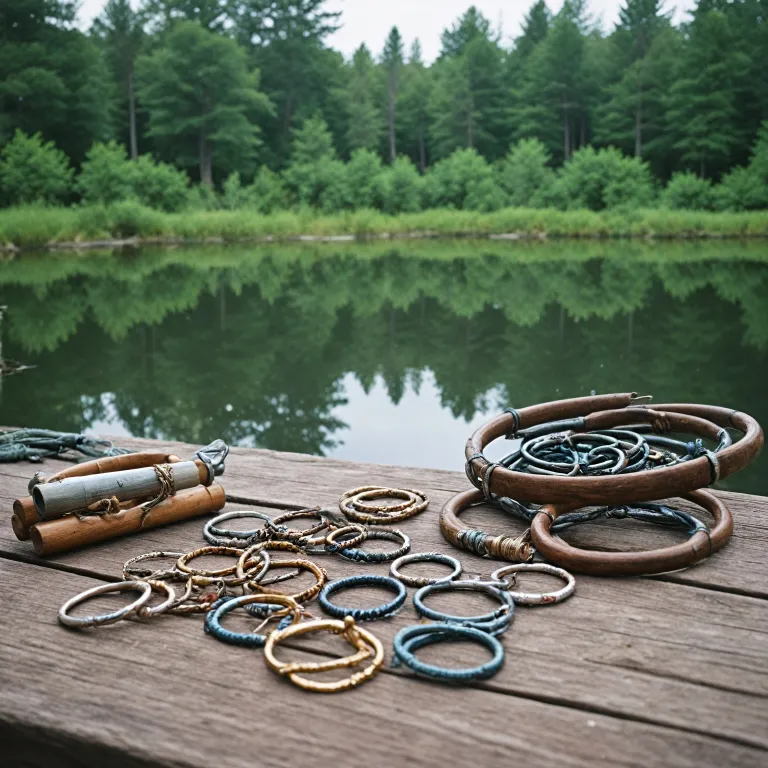

Understanding the role of rings in fishing
The Small Parts That Make a Big Difference
When it comes to fishing, anglers often focus on rods, reels, and lures, but the humble ring is just as critical. Whether you’re casting in freshwater or battling tough saltwater species, rings—especially split rings and solid rings—are essential for connecting hooks, lures, and other terminal tackle. These small components play a huge role in the strength and reliability of your setup.
Rings act as the link between your lure and hook, or between your mainline and leader. The right ring ensures smooth lure action, reduces line twist, and helps prevent break-offs when you hook a heavy fish. High strength and durability are key, especially when targeting powerful species or using heavy duty tackle. Stainless steel split rings and tungsten carbide options are popular for their resistance to corrosion and high load capacity.
- Split rings: These are the most common type, used to attach hooks to lures or connect different parts of your fishing tackle. Their design allows for easy attachment and removal with ring pliers.
- Solid rings: Often used in saltwater fishing, these provide extra strength and are less likely to deform under pressure.
- Ball bearing rings: These are used in high-end setups to reduce friction and improve lure movement.
Choosing the right ring can mean the difference between landing a trophy fish or losing it at the boat. Factors like material, price, and intended use—freshwater, saltwater, or both—should guide your selection. For a deeper dive into essential gear for different fishing styles, check out this guide on essential gear for successful steelhead fishing tackle.
In the next sections, we’ll look at the different types of rings fishing enthusiasts use, what materials offer the best durability, and how to match your rings to your fishing style. Understanding these basics will help you make informed choices and get the most out of your time on the water.
Different types of fishing rings and their uses
Key Types of Fishing Rings and Their Practical Uses
When it comes to fishing tackle, rings are a small but essential component that can make a big difference in your angling success. Understanding the different types of fishing rings and their uses helps you match your gear to your target species, fishing environment, and technique. Here’s a breakdown of the most common types you’ll encounter:
- Split Rings: These are the most widely used rings in fishing. Made from stainless steel or high strength wire, split rings connect hooks, lures, and other terminal tackle. Their coiled design allows you to easily attach or swap out components using ring pliers. Split rings come in various sizes and strengths, from lightweight for freshwater lures to heavy duty for saltwater and big game fishing.
- Solid Rings: Unlike split rings, solid rings are a single, seamless loop. They’re often used in saltwater rigs where maximum strength and corrosion resistance are needed. Solid rings are less likely to deform under heavy loads, making them ideal for connecting leader lines or as part of a jigging setup.
- Ball Bearing Rings: These specialized rings feature a ball bearing mechanism that allows for smooth rotation. They help prevent line twist, especially when using spinning lures or trolling. Ball bearing rings are popular in both freshwater and saltwater applications where lure action and line integrity are critical.
- Wire Split Rings: These rings are crafted from high-tensile wire, offering a balance between flexibility and strength. They’re commonly used for lighter lures and hooks, especially in freshwater fishing, but some heavy-duty versions are suitable for saltwater as well.
- Tungsten Carbide Rings: Known for their extreme hardness and resistance to wear, tungsten carbide rings are less common but highly valued in specialized rigs. They’re particularly useful in abrasive environments or when targeting species with sharp teeth.
Choosing the right type of ring depends on your fishing style, the species you’re targeting, and the environment—whether it’s freshwater, saltwater, or a mix of both. For example, anglers who frequently swap out lures will appreciate the convenience of split rings, while those chasing heavy saltwater species may opt for solid or heavy duty steel split rings for added security.
For a deeper dive into essential gear for specific species, check out this guide on essential sturgeon fishing gear.
In the next section, we’ll look at the materials and durability factors that set high quality fishing rings apart from the rest.
Materials and durability: what to look for
Key Materials for Fishing Rings
When it comes to fishing rings, the material is a big deal. The right choice can mean the difference between landing a trophy fish and losing your lure. Most anglers will encounter rings made from stainless steel, tungsten carbide, and sometimes other alloys. Stainless steel split rings are the most common, offering a solid balance of high strength, corrosion resistance, and reasonable price. For those targeting saltwater species, stainless steel is almost a must, as it stands up well to the harsh, corrosive environment. Tungsten carbide rings are less common but are valued for their extreme hardness and durability, especially in heavy duty applications.
Durability and Corrosion Resistance
Durability is crucial, especially if you fish in both freshwater and saltwater. Saltwater can quickly corrode low-quality rings, leading to tackle failure. High-quality stainless steel split rings and solid rings are designed to resist rust and maintain their integrity even after repeated exposure to saltwater. Tungsten carbide is even tougher, but it comes at a higher price and is often reserved for specialized terminal tackle or heavy lures. If you’re switching between freshwater and saltwater fishing, look for rings labeled as suitable for both environments.
Strength and Performance
Not all rings are created equal when it comes to strength. Hyper wire split rings and heavy duty solid rings are built to handle the stress of big fish and aggressive strikes. The gauge of the wire split ring and the quality of the steel split ring construction directly impact how much force they can withstand before deforming or breaking. For anglers using large lures or targeting powerful species, investing in high strength rings is a smart move. Brands known for their reliability, like Owner, often specify the pound-test rating for their rings, which can help you match your tackle to your fishing style.
Other Features to Consider
- Ball bearing swivels: Some rings are integrated with ball bearing swivels for smoother lure action and reduced line twist.
- Ring pliers compatibility: Make sure your split rings are easy to open and close with standard ring pliers, especially when changing hooks or lures on the water.
- Price vs. performance: While high-end materials like tungsten carbide offer unmatched durability, stainless steel split rings often provide the best value for most recreational anglers.
Choosing the right material for your fishing split rings and solid rings is just one part of building a reliable terminal tackle setup. For anglers who want to maximize their success, pairing quality rings with the right leader material is also important. Check out this guide on why fluorocarbon fishing leaders make a difference for recreational anglers for more insights on building a strong connection between your lure and your catch.
How to choose the right rings for your fishing style
Matching Rings to Your Fishing Style
Choosing the right rings for your fishing setup isn’t just about picking the strongest or most expensive option. It’s about matching the ring to your fishing style, target species, and the environment you fish in. Here’s what to consider when selecting rings for your tackle:
- Freshwater vs. Saltwater: If you fish in saltwater, corrosion resistance is key. Stainless steel split rings and solid rings are popular for their durability in harsh conditions. For freshwater, you might prioritize lighter rings or those designed for finesse presentations.
- Lure Type and Size: Heavy lures and big game fishing require heavy duty rings with high strength. Look for solid rings or hyper wire split rings that can handle the stress. For smaller lures, lightweight wire split rings are often enough and won’t affect the lure’s action.
- Target Species: Chasing toothy predators or powerful fish? Opt for rings made from tungsten carbide or high-grade stainless steel. These materials offer excellent strength and resist deformation, even under heavy loads.
- Terminal Tackle Compatibility: Make sure your split rings fit your hooks and other terminal tackle. Ball bearing swivels and solid rings are often used together for smooth lure movement and reduced line twist.
- Ease of Use: If you change lures often, consider rings that are easy to open with ring pliers. Owner and other reputable brands offer wire split rings that balance strength and usability.
- Price vs. Performance: While high-end rings like tungsten carbide or hyper wire models come at a higher price, they offer reliability for demanding situations. For casual freshwater fishing, standard steel split rings can be a cost-effective choice.
Ultimately, the best fishing ring is the one that fits your specific needs. Think about your typical fishing conditions, the size of your lures, and the fish you’re after. Investing in quality rings fishing gear can prevent lost fish and broken tackle, making your time on the water more enjoyable.
Maintenance tips for long-lasting rings
Simple habits to keep your fishing rings in top shape
Taking care of your fishing rings is essential for both performance and longevity. Whether you use stainless steel split rings, tungsten carbide solid rings, or heavy-duty hyper wire for saltwater or freshwater fishing, a few simple habits can make a big difference.
- Rinse after every trip: Saltwater is especially harsh on terminal tackle. Always rinse your rings, hooks, and lures with fresh water after each outing. This helps prevent corrosion, even on high strength stainless steel split rings.
- Dry thoroughly: Moisture can lead to rust, especially on steel split rings and wire split rings. After rinsing, dry all your fishing tackle completely before storing.
- Inspect regularly: Check for signs of wear, corrosion, or deformation. Pay close attention to split rings and ball bearing swivels, as these are common points of failure. Replace any ring that shows damage to avoid losing a prized lure or fish.
- Use ring pliers: When changing hooks or lures, use dedicated ring pliers. This prevents unnecessary stress on the split ring and helps maintain its shape and strength.
- Store properly: Organize your fishing rings and terminal tackle in a dry, compartmentalized box. Avoid mixing saltwater and freshwater tackle to reduce cross-contamination and corrosion risk.
- Lubricate moving parts: For ball bearing rings or swivels, a drop of corrosion-resistant oil can help maintain smooth operation, especially in heavy duty saltwater applications.
When to replace your rings
Even high-quality rings fishing enthusiasts trust—like those made from tungsten carbide or solid stainless steel—will eventually wear out. If you notice your split ring doesn’t snap back to its original shape, or if the wire split looks bent or weakened, it’s time for a replacement. The price of a new ring is minor compared to the cost of losing a heavy lure or a trophy catch due to tackle failure.
Extra tips for saltwater and freshwater anglers
- For saltwater freshwater crossover, always prioritize corrosion resistance. Stainless steel and tungsten carbide rings offer high durability.
- Keep a small kit of spare split rings, hooks, and ring pliers in your tackle box for quick repairs on the water.
- Owner, hyper wire, and other high strength brands are worth the investment for heavy duty fishing, especially when targeting big fish with expensive lures.
Common problems with fishing rings and how to fix them
Spotting and Solving Ring Issues on Your Tackle
Fishing rings, especially split rings and solid rings, are small but critical components of your terminal tackle. When they fail, you risk losing lures, hooks, or even a trophy catch. Here’s a look at the most common problems anglers face with fishing rings and practical ways to fix them.- Corrosion and Rust: Even high strength stainless steel or tungsten carbide rings can corrode over time, especially in saltwater. Saltwater freshwater environments accelerate wear. Rinse your rings fishing gear with freshwater after every trip and dry thoroughly. For heavy duty use, consider rings made from marine-grade stainless steel or tungsten carbide for better resistance.
- Deformation and Stretching: Heavy lures or strong fish can deform split rings, especially if the wire split is thin or not rated for the weight. Always match the ring’s strength rating to your fishing style and target species. Replace any ring that shows signs of stretching or bending.
- Stuck or Jammed Split Rings: Over time, split rings can become stiff, making it hard to attach or remove hooks and lures. Use dedicated ring pliers to avoid damaging the ring or your fingers. Lubricate the ring lightly with a tackle-safe oil if needed.
- Breakage Under Load: Low quality or worn rings can snap when fighting heavy fish. Inspect your split rings and solid rings regularly for cracks or weak spots. Upgrade to heavy duty, high strength options like Owner Hyper Wire or similar brands for peace of mind.
- Compatibility Issues: Not all rings fit every hook or lure. Some lures require small, high strength rings, while others need larger steel split rings. Always check the size and fit before heading out.
| Problem | Quick Fix | Prevention |
|---|---|---|
| Rust/Corrosion | Rinse and dry after use | Use stainless steel or tungsten carbide rings |
| Deformation | Replace deformed rings | Choose heavy duty, high strength rings |
| Stuck Split Rings | Use ring pliers, lubricate if needed | Regular maintenance |
| Breakage | Replace immediately | Inspect before each trip, upgrade to quality brands |
| Compatibility | Try different sizes | Check fit with your tackle before fishing |
Staying on top of these issues helps you get the most out of your fishing rings, whether you’re targeting freshwater or saltwater species. Regular checks and smart upgrades in your fishing tackle box can save you time, money, and frustration on the water.