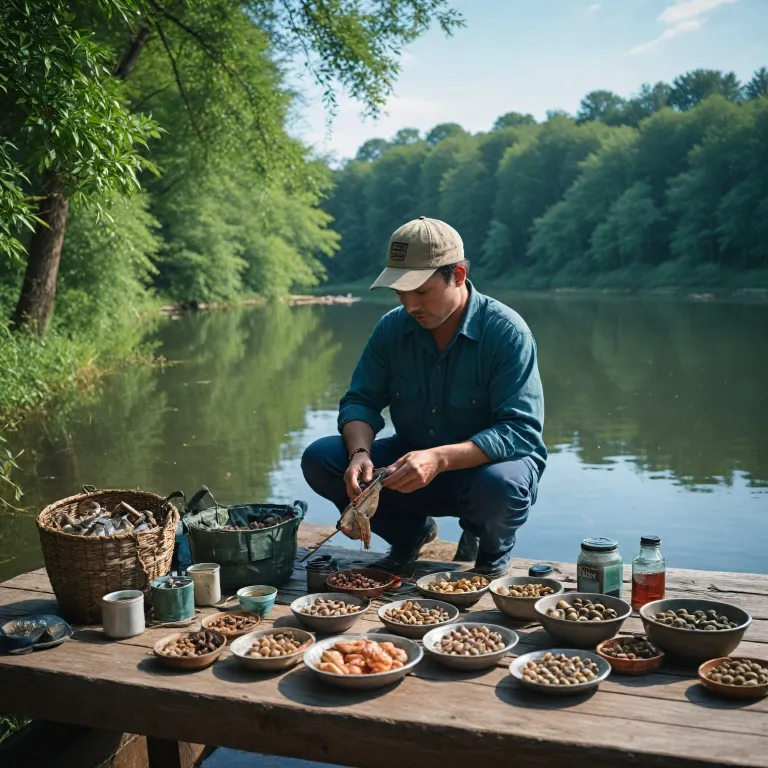
Understanding carp feeding habits
How Carp Search for Food in Different Waters
Understanding how carp feed is the first step to improving your carp fishing results. Carp are opportunistic feeders, meaning they adapt their feeding habits to the available food sources in their environment. In most waters, carp will spend a lot of time searching for natural food like aquatic plants, insects, crustaceans, and even bread or flavored dough left by anglers. Their diet can change with the seasons, water temperature, and the specific type of carp, such as common carp or grass carp.
Carp use their sensitive barbels and lips to detect food on the bottom, often rooting through mud and silt. This is why bottom baits and rigs like the hair rig are so effective. In cold water, carp slow down and feed less aggressively, so choosing the best bait and presentation becomes even more important for catching carp. Anglers often debate between natural and artificial baits, but both can be successful if you match the bait to the carp's feeding habits and the conditions in your fishing area.
- Carp will feed in shallow or deep waters, depending on the time of day and weather.
- They are attracted to areas with abundant natural food, such as weed beds or feeding areas with lots of insect activity.
- Carp anglers often use sweet baits or flavored dough to tempt fish when natural food is scarce.
- Catch and release practices mean you want to use baits and rigs that minimize harm, like the hair rig instead of directly hooking the bait.
Knowing how carp behave and what they eat helps you choose the right tackle, bait, and rig for your next session. If you’re interested in keeping your bait fresh and lively, especially when using live bait, check out this guide on keeping bait in top condition.
Natural versus artificial baits
Comparing Natural and Artificial Carp Baits
When it comes to carp fishing, the debate between natural and artificial baits is ongoing. Both options can be effective, but understanding their differences helps anglers make the best choice for their target waters and conditions. Natural baits, such as bread, corn, worms, and even flavored dough, closely mimic the food sources carp find in their environment. These baits are especially effective in waters where carp are used to feeding on similar items. For example, common carp and grass carp often forage along the bottom for insects, plant matter, and small aquatic creatures. Using natural baits can increase your chances of a catch, especially in pressured or catch and release fisheries where carp may be wary of unfamiliar offerings. Artificial baits, on the other hand, include boilies, pellets, and imitation corn. These are designed to attract carp with strong scents, colors, and flavors. Many artificial baits are formulated to release attractants slowly, drawing fish into the feeding area and keeping them interested. Some anglers prefer artificial baits for their consistency and durability, especially when targeting big carp or fishing in cold water where natural baits may not perform as well. Here are some points to consider when choosing between natural and artificial baits:- Water conditions: In clear waters, natural baits may be more effective, while in murky waters, brightly colored artificial baits can stand out.
- Feeding habits: Observe what carp are feeding on in your chosen spot. Matching the hatch with natural baits can be key, but sometimes a unique artificial bait will trigger curiosity.
- Presentation: Both bait types can be used with a variety of rigs, such as the hair rig, to present the bait naturally and avoid spooking the fish.
- Durability: Artificial baits often last longer on the hook, making them ideal for longer sessions or when nuisance fish are present.
Popular bait options for carp
Top Carp Baits Used by Anglers
Choosing the best bait is a key part of successful carp fishing. Carp are opportunistic feeders, and their diet can include a wide range of natural and artificial options. The right bait can make the difference between a slow day and a memorable catch. Here’s a look at some of the most effective baits for catching carp in various waters.
- Sweet Corn: This classic bait is loved by carp for its color, texture, and sweetness. It’s easy to use, affordable, and works well on a hair rig or directly on the hook. Sweet corn is especially effective in both cold water and warmer conditions, making it a go-to choice for many carp anglers.
- Bread: Bread is a versatile and natural food source that attracts carp in lakes, rivers, and ponds. It can be molded around the hook or used as floating bait for surface-feeding fish. Bread is particularly useful when targeting common carp and grass carp in clear waters.
- Boilies: These flavored dough balls are a staple in carp fishing. Available in a range of sizes and flavors, boilies can be tailored to match the feeding habits of carp in your chosen water. They’re often used with a hair rig for better presentation and to avoid spooking wary fish.
- Dough Baits: Homemade or commercial flavored dough baits offer flexibility in scent and color. Many anglers find that sweet or fruity baits work best, especially in heavily fished waters where carp have become cautious.
- Natural Baits: Worms, maggots, and insects are excellent for mimicking the carp’s natural food sources. These baits are especially effective in waters where carp are used to feeding on the bottom. Fly fishing with natural imitations can also be productive, particularly for American carp and catch release enthusiasts.
When selecting your bait, consider the water temperature, clarity, and the presence of natural food sources. Experimenting with different baits and presentations will help you discover what works best in your local waters. For anglers looking to upgrade their tackle, using a quality reel can also improve your chances of landing big carp. Check out this detailed review of the Quantum Benchmark Reel to see how the right gear can enhance your carp fishing experience.
How to present your bait effectively
Maximizing Attraction with Proper Bait Placement
Getting carp to notice your bait is one thing, but convincing them to take it is another. Presentation is crucial in carp fishing, as these fish are cautious and often inspect food before committing. The way you present your bait can make the difference between a slow day and a successful catch.
- Match the feeding area: Observe where carp are actively feeding. Place your bait in these zones, whether it’s near the bottom, among aquatic plants, or in open water. Carp will often patrol the same spots looking for food sources.
- Use the right rig: Hair rigs are a favorite among carp anglers because they allow the bait to move naturally and keep the hook exposed. This increases your chances of a solid hook-up, especially when using baits like bread, flavored dough, or sweet corn.
- Keep it natural: Present your bait so it mimics the food carp find in their environment. For example, if you’re fishing in waters where carp feed on seeds or insects, choose baits and rigs that blend in with these natural food sources.
- Adjust for water conditions: In cold water, carp are less active and may feed more slowly. Use smaller baits and lighter tackle to avoid spooking them. In warmer conditions, bigger carp may be more aggressive, so larger baits and stronger rigs can be effective.
- Balance visibility and subtlety: In clear water, subtle presentations work best. In murky waters, brighter or more flavored baits can help attract attention.
Techniques for Effective Bait Delivery
How you get your bait to the right spot matters. For bottom-feeding carp, use a method feeder or pack bait around your hook to create a feeding area. This encourages carp to stay and feed, increasing your chances of a bite. For fly fishing or surface presentations, bread or floating baits can tempt grass carp or common carp cruising near the top.
Don’t forget to check your rig regularly. If your bait is gone or your hook is tangled, you’re missing opportunities. Consistent checking and re-baiting will keep your presentation at its best, helping you catch carp more reliably.
Adjusting bait choices for different conditions
Fine-tuning Your Bait for Water and Weather
Carp fishing success often depends on how well you adapt your bait choices to changing water and weather conditions. Carp are sensitive to temperature, water clarity, and the availability of natural food sources. Understanding these factors helps you select the best bait and presentation for each session.
- Cold water: In colder waters, carp feeding slows down. Opt for smaller, highly attractive baits like flavored dough or sweet corn. These release scent quickly and encourage bites even when fish are less active.
- Warm water: When the water warms up, carp become more active and feed more aggressively. Larger baits such as boilies, bread, or pellets can be effective. Try using a hair rig to present your bait naturally and improve hook-ups.
- Clear water: In clear waters, carp can be wary. Use subtle, natural baits and lighter tackle to avoid spooking them. Presenting a single grain of sweetcorn or a small piece of bread on a fine hook can make a difference.
- Muddy or stained water: Visibility drops, so choose brightly colored or strongly scented baits. Flavored dough and baits sweet with added attractants help carp locate your offering.
Matching Bait to Carp Behavior
Carp will often feed differently depending on the time of day and the pressure from other anglers. Early mornings and late evenings are prime times, especially in pressured waters. Adjust your bait size and flavor to match what the carp are feeding on naturally. For example, if you notice grass carp feeding on aquatic plants, try using plant-based baits.
Adapting Your Rig and Presentation
Sometimes, simply changing how you present your bait can increase your chances of catching carp. If fish are feeding off the bottom, use a bottom rig or a hair rig to keep your bait in the feeding area. For surface-feeding carp, floating bread or buoyant baits can be irresistible. Always check your hook size and make sure it matches the bait and the size of carp you are targeting.
- For big carp or common carp, use robust tackle and larger baits.
- For catch release, use barbless hooks and handle fish with care.
- Fly fishing for carp? Match your fly to local food sources for the best results.
By observing the water, adjusting your bait, and fine-tuning your rig, you’ll be better equipped to catch carp in any condition. Carp anglers who adapt quickly often enjoy the most consistent results.
Product recommendations for recreational fishermen
Reliable baits and tackle for every carp angler
Choosing the best carp bait and tackle can make a real difference in your fishing results. After understanding how carp feed and the differences between natural and artificial baits, it’s time to look at products that consistently help anglers catch carp in a variety of waters.
- Boilies: These are a staple for many carp anglers. Available in a range of flavors, including sweet and fish-based, boilies can be used with a hair rig for effective presentation. They’re especially useful for targeting big carp and are easy to use with most rods and rigs.
- Flavored dough baits: Flavored dough, often sweet, is a classic choice for both common carp and grass carp. It can be molded directly onto the hook or used with a hair rig. This type of bait mimics natural food sources and works well in both cold water and warm conditions.
- Corn and bread: Simple but effective, corn and bread are accessible baits that carp will readily eat. These natural baits are ideal for catch and release fishing, and they can be fished on the bottom or suspended in the feeding area.
- Pellets: Pellets are a versatile option for feeding and attracting carp. They break down slowly, creating a feeding area that draws fish in. Pellets can be used alone or combined with other baits for maximum effect.
- Specialized rigs: The hair rig is a proven method for presenting carp bait. It allows the bait to move naturally in the water, increasing the chances of a successful hook-up. Make sure your tackle is suited for the size of carp you’re targeting, especially when fishing for American carp or in larger waters.
Tips for selecting the right products
- Match your bait to the natural food sources in your fishing area. Carp feeding habits can change with the seasons and water temperature.
- Consider water clarity and temperature when choosing between natural and artificial baits. In cold water, subtle flavors and smaller baits often work best.
- Always check your rig and tackle for compatibility with your chosen bait. A well-balanced setup helps you present your bait more effectively and increases your chances of catching carp.
By focusing on proven baits and reliable tackle, you’ll be better equipped to catch carp in any conditions. Whether you’re new to carp fishing or looking to refine your approach, these products and tips can help you make the most of your time on the water.