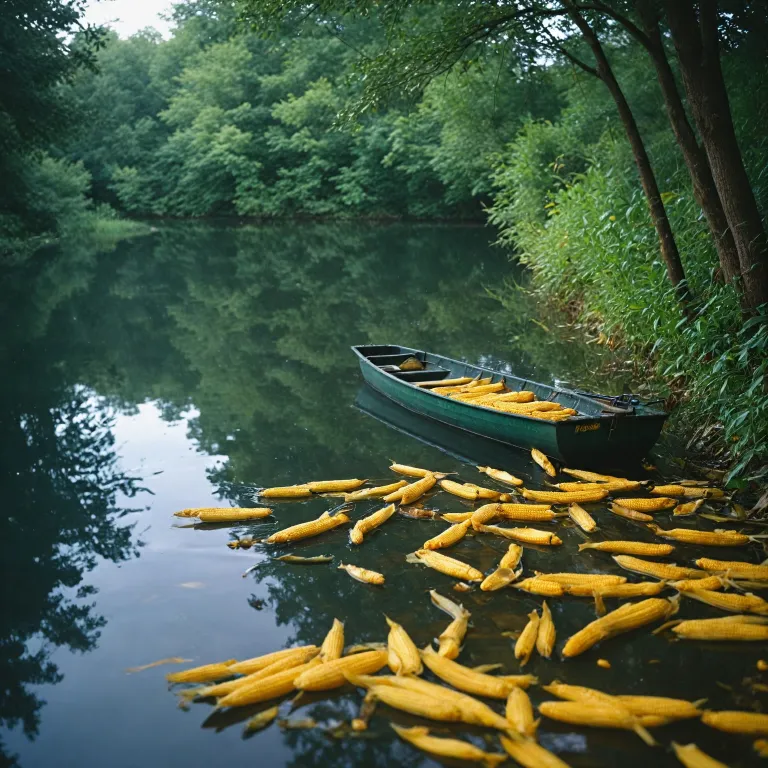
Understanding the appeal of carp sweetcorn
Why do carp love sweetcorn?
When it comes to carp fishing, sweetcorn stands out as one of the most effective and accessible baits. Its bright yellow color, sweet aroma, and soft texture make it irresistible not only to carp but also to a variety of other fish. Many anglers have noticed that corn will attract fish quickly, especially in waters where carp are used to seeing feed corn or loose feed. The visual appeal of sweetcorn, combined with its natural sugars and salt content, triggers a strong feeding response in carp, making it a top choice for both beginners and experienced anglers.
What makes sweetcorn a versatile bait?
Sweetcorn is one of the cheapest baits available, yet it consistently delivers results. Whether you use it as a single corn hookbait on a hair rig or mix it into a bag of groundbait, corn is adaptable to many fishing situations. Its soft texture allows it to be easily mounted on the hook or used as part of a bait corn mix. Some anglers even add salt or other flavors to enhance its attraction, making corn effective in both pressured and natural waters. Sweetcorn can be used to target the best carp in the lake, but it’s also known for attracting small fish and nuisance fish, so presentation and rig choice matter.
Why is sweetcorn considered a reliable carp bait?
Carp are naturally curious and opportunistic feeders. In many waters, they are already familiar with corn fed by other anglers or as part of their regular diet. This familiarity means that sweetcorn rarely spooks fish and can be used as both a main hookbait and as loose feed to draw carp into your swim. Its effectiveness has been proven time and again, making it a staple in the tackle bags of those who want to catch more fish. For a deeper dive into how different baits can enhance your fishing experience, check out this article on how bait choice impacts your fishing results.
How to prepare sweetcorn for carp fishing
Getting your sweetcorn ready for carp fishing
Sweetcorn is one of the best carp baits because it’s easy to prepare, affordable, and highly effective. Whether you use tinned sweet corn or bulk feed corn, the preparation process can make a big difference in how well you catch fish. Here’s how to get your corn ready for a successful session on the water.
- Choose your corn: Tinned sweetcorn is ready to use straight from the can and is a favorite for many anglers. Feed corn, also called maize, is cheaper and comes in larger quantities, but it needs soaking and boiling before use. Both types can be used as loose feed or as a hookbait.
- Add salt for attraction: Adding salt to your corn can make it more attractive to carp. Salt not only helps preserve the bait but also draws in fish, especially in waters where carp are used to corn fed by anglers. Simply sprinkle a bit of salt into your bait bag or mix it into your loose feed.
- Boost with flavors and colors: While plain sweetcorn is effective, many anglers add extra flavors or dyes to make their bait stand out. Popular choices include scopex, strawberry, or pineapple. Bright colors like yellow or even red can help your corn hookbait get noticed among other baits carp might see.
- Prepare for different rigs: For hair rigs, use a baiting needle to thread the corn onto the hair. You can join two or three kernels together for a bigger hookbait, which helps avoid small fish or nuisance fish picking at your bait. For standard rigs, simply hook the corn through the skin, making sure it stays secure during casting.
- Keep it fresh: If you prepare your bait in advance, store it in an airtight container. Adding a bit of the can’s liquid or some water will keep the corn moist and appealing to carp.
Proper preparation of your bait corn is key to making your fishing corn more effective. If you’re interested in optimizing your rig setup for different baits, check out this guide on choosing the right 1 oz jig heads for successful fishing. With the right prep, your corn will be ready to help you catch more carp, whether you’re fishing in a lake, river, or canal.
Comparing sweetcorn with other carp baits
How does sweetcorn stack up against other carp baits?
When it comes to carp fishing, anglers are spoiled for choice with baits. From boilies to pellets, tiger nuts to maize, each bait has its own strengths. But sweetcorn stands out for several reasons, especially for those looking for the best carp bait that’s affordable, easy to use, and effective in a variety of waters.
- Cost and accessibility: Sweetcorn is one of the cheapest baits you can buy. Unlike some specialized baits, you can pick up a can of corn at almost any grocery store. This makes it a go-to for anglers who want to keep things simple and cost-effective.
- Visual appeal: The bright yellow color of sweetcorn is a proven attractor for carp. In clear water, this color stands out, drawing fish in from a distance. Other baits like boilies or pellets may blend in more with the bottom, especially if you’re fishing over silt or weed.
- Versatility: Sweetcorn can be used as a hookbait, loose feed, or even added to groundbait mixes. You can fish it on a hair rig, directly on the hook, or in a PVA bag. This flexibility is something you don’t always get with harder baits like tiger nuts or boilies.
- Effectiveness with wary fish: Carp that have seen a lot of pressure on popular waters can become suspicious of traditional baits. Sweetcorn, being a natural food source and not always associated with danger, can often tempt those wary fish. Adding a bit of salt to your corn can make it even more appealing.
- Drawbacks: While sweetcorn is great for attracting carp, it can also draw in small fish or nuisance fish. If you’re targeting only the biggest carp, you might find yourself joined by roach or bream. In those cases, harder baits like boilies or tiger nuts might be better for avoiding smaller species.
Compared to feed corn or maize, sweetcorn is softer and easier to put on the hook, but it doesn’t stay on as well during long casts or in fast-flowing water. For those situations, using a tougher bait or combining corn with a more robust rig can help. Some anglers have started using advanced rigs and braided lines to improve presentation and hooking efficiency. For more on how modern tackle is changing carp fishing, check out this guide to game-changing braid for recreational anglers.
In summary, sweetcorn remains one of the best all-round baits for carp fishing. It’s cheap, effective, and versatile, making it a staple in many anglers’ bags. Just be mindful of the water you’re fishing and the species present, and adjust your approach as needed.
Best techniques for fishing with sweetcorn
Getting the Most from Your Sweetcorn Presentation
When it comes to carp fishing, the way you present your sweetcorn bait can make a huge difference in your catch rate. Sweetcorn is one of the best carp baits because it’s bright, naturally sweet, and easy for fish to spot in the water. But to really maximize its effectiveness, you need to think about how you’re hooking and presenting it.
- Hair Rig: Using a hair rig is often the best way to present corn for carp. This rig lets the bait sit just off the hook, making it look more natural and increasing your chances of a solid hook-up. Thread one or two kernels onto the hair, and you’ll have a classic, effective carp hookbait.
- Single or Double Kernels: Sometimes, a single kernel is enough to tempt wary fish, especially in pressured waters. Other times, doubling up can help your bait stand out among loose feed or feed corn.
- PVA Bags: For extra attraction, try adding sweetcorn to a PVA bag with pellets or groundbait. This creates a small, concentrated area of feed that draws carp in and keeps them feeding near your hookbait.
- Loose Feed: Scattering a handful of corn around your fishing spot can encourage carp to feed confidently. This technique works well in both still and moving water, but be mindful of small fish or nuisance fish that might also be attracted.
- Adding Salt: Some anglers add salt to their sweetcorn before fishing. This can make the bait more attractive and help it stand out from other baits carp might encounter.
Adapting to Water Conditions
Water clarity and temperature can affect how effective corn will be as a bait. In clear water, the bright color of sweetcorn is a big advantage, while in murky water, using a larger bait or combining corn with other baits can help. If small fish are a problem, try using larger grains or combine corn with boilies to deter nuisance fish and target bigger carp.
Experimenting with Rigs and Hookbaits
Don’t be afraid to experiment with different rigs and combinations. Some anglers join sweetcorn with other baits, like tiger nuts or pellets, to create a unique hookbait that stands out. Others use flavored or dyed corn to add extra attraction. The key is to match your approach to the conditions and the fish you’re targeting.
Common mistakes to avoid when using sweetcorn
Overlooking the Importance of Presentation
One of the most common mistakes when using sweetcorn as carp bait is not paying enough attention to how it is presented on the hook or hair rig. If the corn is not securely attached, it can fall off during casting or be easily stolen by small fish. Using a hair rig is often the best way to present sweetcorn, as it allows the bait to move naturally in the water and makes it harder for nuisance fish to strip it from the hook. Make sure the corn sits snugly against the hookbait stop but isn’t too tight, as this can affect the bait’s movement and reduce its effectiveness.Using the Wrong Type of Corn
Not all corn is created equal for carp fishing. Some anglers use feed corn or fish corn straight from the bag without proper preparation, which can make the bait less attractive or even unsafe for fish. Sweetcorn, especially the canned variety, is often the most effective because of its bright color, soft texture, and natural sugars that attract carp. If you use feed corn, always soak and cook it thoroughly to avoid harming the fish and to make the bait more appealing.Ignoring the Role of Salt and Additives
Many anglers forget that adding a bit of salt or flavor to their sweetcorn can make a big difference. Salt can help preserve the bait and make it more attractive to carp, especially in waters where fish are used to salty feed. Experiment with different additives, but avoid overdoing it, as too much can make the bait less effective or even deter carp.Feeding Too Much or Too Little
Getting the amount of loose feed right is crucial. Overfeeding with corn can fill up the carp quickly, making them less likely to take your hookbait. On the other hand, using too little feed may not draw enough fish into your swim. Start with a moderate amount and adjust based on the activity you observe. Remember, sweetcorn is one of the cheapest baits, so you can afford to experiment with quantities.Not Adapting to Water Conditions
Some anglers stick to the same approach regardless of the fishing environment. Water clarity, temperature, and the presence of small fish or nuisance fish should influence how you use sweetcorn. In clear water, a single grain of bright corn on a hair rig can be highly effective. In murky conditions, try using a larger bait or combining corn with other baits carp are known to love. Always be ready to adapt your rig and bait presentation to match the conditions for the best results.Sweetcorn bait: tips for different fishing environments
Adapting Sweetcorn for Different Waters
Sweetcorn is one of the most versatile carp baits, but its effectiveness can change depending on the fishing environment. Whether you’re at a commercial fishery, a wild lake, or a slow-moving river, a few adjustments can help you get the best results from your corn bait.
- Stillwaters: In lakes and ponds, loose feed with sweetcorn or feed corn can attract carp quickly. Using a hair rig with a single grain of corn as hookbait is often enough. If small fish are a nuisance, try using larger grains or double up on the corn to make it less appealing to smaller species.
- Rivers: In flowing water, corn can drift away, so use a method feeder or PVA bag to keep your bait near the hook. Adding salt to your sweetcorn can make it more attractive and help it stand out in moving water. A heavier rig will also help keep your bait in place.
- Weedy or snaggy venues: In areas with lots of weed or snags, pop-up corn or artificial corn can help your bait sit above debris, making it easier for carp to find. A brightly colored corn hookbait can also increase visibility.
Fine-Tuning Your Approach
Carp fishing with corn is all about matching your bait and presentation to the conditions. If you notice that nuisance fish are stealing your bait, try using harder or imitation corn. For pressured waters where carp have seen a lot of baits, combining sweetcorn with other baits like boilies or pellets can help your hookbait stand out.
Don’t forget to adjust your loose feed strategy. In clear water, use less feed corn to avoid overfeeding. In murky water, a bit more bait can help create a feeding area that draws carp in. The cheapest baits are often the most effective when used with the right rig and presentation.
Maximizing Attraction
Adding flavors or attractants to your sweetcorn can boost its appeal. Some anglers add salt or commercial dips to make their corn more effective. Experiment with different colors and flavors until you find what works best for your local carp.
By adapting your approach to the water you’re fishing, you’ll get the most out of sweetcorn as a carp bait. Whether you’re targeting corn fed carp in a busy fishery or wild fish in a remote lake, a few small changes can make a big difference in your catch rate.