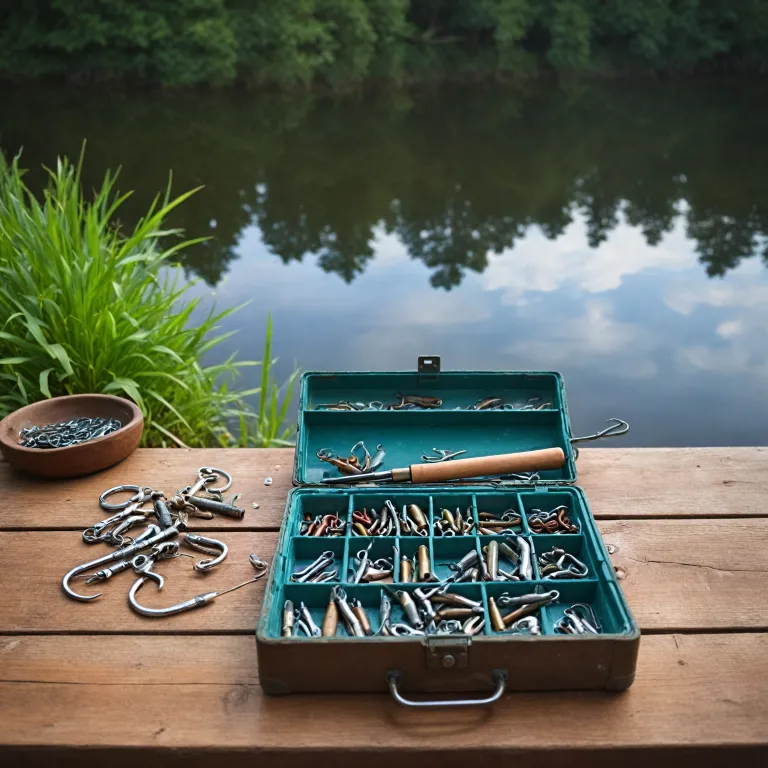
Understanding carp behavior and hook selection
How Carp Feeding Habits Influence Hook Choice
Understanding carp behavior is essential for anglers who want to maximize their success. Carp are known for their cautious feeding, often inspecting bait closely before taking it. This means that the type of fishing hook you use can make a significant difference in your catch rate. Selecting the right hooks, whether it’s a wide gap, curved shank, or circle hook, is not just about preference—it’s about matching your gear to the carp’s natural instincts.
- Wide gape and curved shank hooks are popular options for carp fishing because they improve hook-up rates, especially when carp are feeding lightly.
- Circle hooks are gaining traction among carp specialists for their ability to hook fish securely in the lip, reducing harm and increasing catch-and-release survival.
- Choosing the right pack of hooks or hooks pcs ensures you have multiple options for different conditions and bait types.
Carp are opportunistic feeders, but they can be surprisingly selective. Factors like water temperature, clarity, and available food sources all play a role in how carp approach bait. This is why having a wide range of hook options in your tackle box is crucial. Some anglers prefer a specialist hook for certain rigs, while others opt for a versatile fishing hook pack that covers various scenarios.
For those looking to refine their approach, understanding how bait presentation and hook type work together is key. The right combination can mean the difference between a missed bite and a landed carp. If you’re interested in optimizing your bait selection alongside your hook choice, check out this resource on choosing the right squid bait for successful recreational fishing.
Remember, the best carp hooks are not just about price or quantity of items in a pack—they’re about matching the product to your fishing style and the behavior of the fish. As you explore different options carp and quality products, keep in mind that even small adjustments can lead to big improvements in your results on the water.
Types of fishing hooks for carp
Popular hook shapes and their uses
When it comes to carp fishing, choosing the right fishing hooks can make a big difference in your success. There are multiple hook shapes and each has its own advantages, depending on your bait, rig, and fishing style. Here’s a quick look at some of the most common options carp anglers use:
- Wide gape hooks: These are a favorite among carp specialists. The wide gap allows for better hook holds, especially when using bulky baits like boilies or sweet corn. The design helps improve your chances of a solid hook-up.
- Curved shank hooks: Known for their aggressive hooking angle, curved shank hooks are ideal for rigs like the KD or Ronnie. The curve helps the hook turn quickly in the carp’s mouth, leading to more secure hook sets.
- Circle hooks: Originally popular for catfish, circle hooks are now gaining ground in carp fishing. Their unique shape reduces deep hooking and increases the chance of a clean, lip-only hook-up, which is better for catch and release.
- Long shank hooks: These are great for presenting worms or soft baits. The extra length helps keep the bait in place and can be useful when targeting wary carp.
Comparing hook packs and product options
When shopping for carp hooks, you’ll notice a wide range of packs and price points. Many brands offer hooks in packs of 10, 20, or even 50 pcs, giving anglers flexibility based on their fishing frequency and budget. Some packs include free shipping or bonus items, which can add value if you’re stocking up for a season.
Here’s a simple table to help compare some common options:
| Hook Type | Pack Size (pcs) | Best For | Typical Price Range |
|---|---|---|---|
| Wide gape | 10–50 | Boilies, pellets, sweet corn | Low to mid |
| Curved shank | 10–30 | Pop-ups, specialist rigs | Mid |
| Circle hook | 10–20 | Catch and release, catfish | Mid to high |
| Long shank | 10–25 | Worms, soft baits | Low |
When selecting a product, consider the type of carp fishing you do most often. Are you a specialist hook user looking for high quality products, or do you need a pack carp anglers can use for multiple sessions? Many brands now offer hooks carp anglers can trust, with options carp enthusiasts appreciate, like barbless or micro-barbed versions.
For more details on how hook choice can impact your overall fishing success, especially when paired with the right jig heads, check out this guide on choosing the right 1 oz jig heads for successful fishing.
Materials and coatings: what matters for carp hooks
Key Materials and Coatings for Carp Hooks
When selecting hooks for carp fishing, the material and coating are just as important as the shape or size. The right combination can make a big difference in your success and the longevity of your gear. Let’s break down what matters most for carp hooks and why anglers should pay attention to these details.
- High-carbon steel: Most quality products for carp hooks are made from high-carbon steel. This material offers a strong balance between strength and flexibility, reducing the risk of breakage when fighting big carp or even catfish. High-carbon steel hooks are also less likely to bend out of shape, which is crucial when using multiple rigs or targeting wide carp.
- Stainless steel: Some specialist hook options use stainless steel for extra corrosion resistance. While not as common as high-carbon steel, stainless steel is a solid choice for anglers who fish in waters with high mineral content or who want hooks that last through many fishing sessions.
- Coatings: The coating on a fishing hook can impact both its stealth and durability. Teflon and PTFE coatings are popular among carp specialists because they reduce glare and make the hook less visible underwater. Black nickel and matte finishes are also widely used, offering a discreet look and some corrosion resistance. For those who want a budget-friendly option, basic nickel-plated hooks are available in many packs, but they may not last as long in tough conditions.
When browsing for hooks carp anglers trust, look for packs or items that specify the material and coating. Many brands offer hooks pcs in a pack carp anglers can use for different rigs, with free shipping options available online. Wide gap and curved shank designs are often paired with advanced coatings for better performance.
Why Material and Coating Matter for Performance
Choosing the right fishing hook material and coating affects more than just price. A high-quality hook with a wide gape and curved shank, made from durable steel and finished with a non-reflective coating, will penetrate more easily and hold bait securely. This is especially important for circle hook and shank circle designs, which rely on sharpness and stealth to hook carp effectively.
For anglers looking to invest in quality products, consider packs that offer multiple options carp specialists recommend. These often include a variety of hook sizes and coatings, so you can match your hook to the bait and rig you’re using. Some brands even offer free items or bonus pcs in a pack, making it easier to try different options without breaking the bank.
Finally, don’t overlook the importance of maintenance. Even the best materials and coatings need proper care to stay sharp and rust-free. For more on how advanced gear can improve your fishing, check out this article on why the SaltX 2 reel stands out for recreational anglers.
Hook sharpness and maintenance tips
Why sharpness matters for carp fishing success
When it comes to carp fishing, the sharpness of your hooks can make or break your catch rate. A sharp hook penetrates quickly and securely, especially when targeting wary carp that often mouth the bait before committing. Whether you’re using a wide gape, curved shank, or circle hook, maintaining a razor-sharp point is essential for effective hooksets.
How to test and maintain hook sharpness
- Test regularly: Lightly drag the hook point across your thumbnail. If it slides without scratching, it’s time to sharpen or replace it.
- Use a hook file or stone: Carry a small file in your pack. A few strokes can restore a dulled point, especially after fishing over gravel or snags.
- Inspect after each fish: Carp, catfish, and other species can blunt your hooks. Check the point after every catch or missed bite.
Choosing products for long-lasting sharpness
Many quality products offer hooks in packs of multiple pcs, with options for different coatings. Look for hooks carp anglers trust, such as those with PTFE or Teflon coatings, which help maintain sharpness and resist corrosion. Some specialist hook brands even offer free shipping on bulk packs, making it easier to stock up on high-performing fishing hooks.
When to replace your hooks
- If sharpening no longer restores the point
- Visible rust or damage, especially on the shank or bend
- After several sessions with hard-fighting carp or catfish
Don’t hesitate to swap out dull hooks. With a wide range of options carp anglers can choose from, keeping a selection of sharp hooks in your tackle box is a smart move. Many packs include a variety of hook sizes and shapes, so you can match your hook to your bait and rig for every fishing situation.
Matching hooks to carp rigs and baits
Pairing Hooks with Rigs and Baits for Maximum Carp Success
Matching your fishing hooks to the right carp rigs and baits is a crucial step for any angler aiming for consistent results. Carp are known for their cautious feeding habits, so the way you present your hook and bait can make a big difference. Here’s what to keep in mind when selecting hooks for your setup:
- Wide Gape and Curved Shank: These options are popular for modern carp rigs like the hair rig. The wide gap allows for better hook holds, especially when using larger baits such as boilies or pellets. Curved shank hooks help with turning and hooking efficiency, making them a favorite among carp specialists.
- Circle Hooks and Shank Circle: For anglers targeting both carp and catfish, circle hooks offer a high hook-up rate and are less likely to cause deep hooking. The shank circle design is ideal for rigs where the bait needs to sit naturally in the water.
- Hook Size and Bait Matching: Always match the size of your hook to the bait you’re using. For example, a pack carp hook in size 6 or 8 works well with standard boilies, while smaller hooks are better for sweetcorn or maggots. Using the right size ensures the carp can easily take the bait and get hooked securely.
- Specialist Hook Options: Some products are designed specifically for certain rigs, like the chod rig or zig rig. These hooks often feature unique bends or coatings to suit the presentation. Check the product description for these specialist items if you’re experimenting with advanced rigs.
- Multiple Pack and Price Options: Many brands offer hooks pcs in packs of 10, 20, or more, with free shipping on larger orders. This allows you to try different styles and sizes without breaking the bank. Look for quality products from reputable brands to ensure high performance and durability.
When shopping for carp hooks, consider the bait you plan to use and the rig you want to tie. A wide gap or curved shank hook is a versatile choice for most carp fishing scenarios, but don’t hesitate to explore multiple options carp anglers trust. With the right combination, you’ll increase your chances of landing more fish and enjoying your time on the water.
Common mistakes when choosing carp hooks
Overlooking Key Details When Selecting Carp Hooks
Many anglers, even experienced ones, make avoidable mistakes when picking hooks for carp fishing. These errors can impact your catch rate, hook holds, and even the safety of the fish. Here’s what to watch out for when choosing your next pack of carp hooks or fishing hooks pcs:
- Ignoring the right hook size and shape: Not all carp are the same size, and not all baits suit every hook. Using a wide gap or curved shank hook with the wrong bait can reduce your chances. Match the hook to your bait and the average size of carp in your waters.
- Choosing the wrong hook type: With so many options carp anglers face—circle hooks, wide gape, specialist hook, or shank circle—selecting the wrong type can mean missed bites. Consider the rig and fishing style you prefer before buying a product pack.
- Overlooking material and coating: Some anglers focus only on price or quantity (like a 50 pcs pack) and forget about quality products. High carbon steel, teflon coatings, and anti-glare finishes can make a difference in both hook performance and longevity, especially in pressured waters.
- Neglecting sharpness and maintenance: Even the best hooks carp specialists use need regular checks. A dull fishing hook can cost you a trophy fish. Always test sharpness and carry a hook sharpener in your pack.
- Not matching hooks to rigs and baits: Using a wide gap hook with a small bait, or a long shank with a bulky boilie, can affect presentation. Make sure your hook, rig, and bait work together for optimal results.
- Falling for bulk deals without checking quality: Free shipping and low price per pack carp hooks are tempting, but not all items are equal. Always check reviews and look for trusted brands before buying multiple packs.
- Confusing carp hooks with catfish or other species: Some hooks are marketed for both carp and catfish, but the requirements can differ. Choose hooks designed specifically for carp fishing for the best results.
By paying attention to these common mistakes, anglers can make better decisions and enjoy more productive sessions. Whether you’re looking for a wide range of options carp hooks, curved shank, or circle hook designs, always prioritize quality and suitability over quantity or price alone.