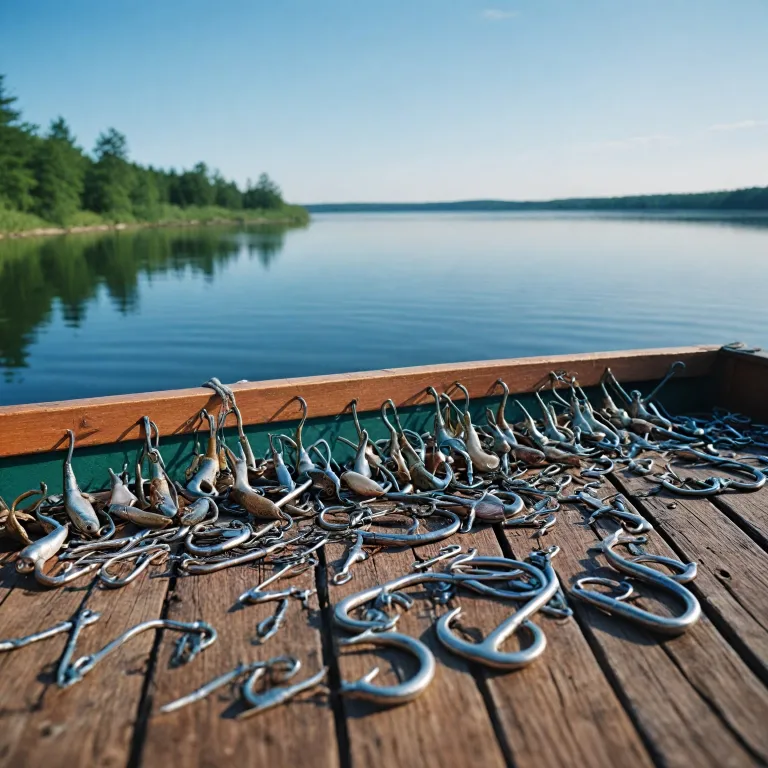

Understanding the purpose of a fish gaff hook
Why a Fish Gaff Hook is Essential for Anglers
When you’re out on the water, landing a big fish can be the highlight of your trip. But getting that fish from the water to your boat or dock isn’t always easy. That’s where a fish gaff hook comes in. This tool, often called a gaff or fishing gaff, is designed to help you secure and lift larger fish that might be too heavy or lively for a regular net or your bare hands. The right gaff hook can make the difference between a successful catch and a missed opportunity.
How Gaff Hooks Work in Practice
A gaff hook typically features a sharp, sturdy hook attached to a handle. The hook is used to pierce the fish, allowing you to lift it safely and efficiently. Gaffs come in various sizes and materials, from stainless steel to coated steel, each offering different benefits in terms of strength, corrosion resistance, and price. Some anglers prefer a wire gaff for lighter fish, while others opt for a heavy-duty steel gaff for commercial fishing or trophy catches.
- Handle: The handle length and grip matter for control and leverage. Some gaff handles are wrapped with electrical tape or heat shrink for better hold, especially in wet conditions.
- Hook: The hook size and shape should match your target species and fishing style. Larger hooks are better for big game, while smaller hooks suit regular catches.
- Construction: Look for welded or reinforced parts for durability. Stainless steel gaff hooks are popular for their resistance to rust and wear.
Many gaffs are sold as individual units, but you can also find kits that include extra hooks, handles, or even rod building accessories. Prices vary widely, with regular price and sale price options available. Some retailers offer free shipping, which can make a difference when comparing unit price or price USD for different models.
Choosing the right gaff hook isn’t just about the hook itself. It’s also about how the tool fits into your overall fishing setup, from your fishing rod to your bait and net. Understanding the purpose of each part helps you make informed decisions about what to buy and how to use it safely. For more tips on outfitting your boat for fishing, check out this guide on choosing the right boat windows for your fishing adventures.
Different types of fish gaff hooks and their uses
Exploring the Main Types of Gaff Hooks
When it comes to fishing gaffs, choosing the right type is essential for both safety and efficiency. Gaff hooks come in several designs, each suited to different fishing situations and species. Understanding these options helps you select the best unit for your needs and budget, whether you’re a regular angler or just starting out.
- Fixed Gaffs: These are the most common and reliable. The hook is permanently attached to the handle, often made from stainless steel or coated steel for durability. Fixed gaffs are popular in both recreational and commercial fishing due to their strength and simplicity.
- Telescopic Gaffs: Designed for portability, these gaffs feature a handle that extends and collapses. They’re ideal for anglers with limited storage space or those fishing from smaller boats. The unit price can be higher due to the added convenience.
- Flying Gaffs: Used mainly in big game fishing, flying gaffs have a detachable hook that stays in the fish after the initial strike. This type is best for large, powerful fish where extra security is needed.
- Wire Gaffs: Lightweight and flexible, wire gaffs are suitable for delicate fish or when you need more finesse. They’re often used in conjunction with a net or as part of bait handling kits.
Matching Gaff Types to Your Fishing Style
The right gaff hook depends on your fishing environment and target species. For example, a steel gaff with a sturdy hook handle is perfect for offshore fishing, while a smaller, lighter gaff hook works well for inshore or freshwater trips. Pay attention to the parts and materials—stainless steel offers corrosion resistance, while heat shrink and electrical tape can improve grip on the handle.
Some anglers prefer to customize their gaffs with spray paint or rod building tape for better visibility and personal style. Kits are available for those who want to assemble their own, and many brands offer free shipping or sale price deals, so it’s worth comparing regular price and unit price before making a purchase.
Considerations for Price and Durability
Gaff hooks range widely in price USD, depending on materials, construction, and brand. Stainless steel gaff hooks are more expensive but last longer, especially with proper maintenance. Look for fishing gaffs that balance cost with quality—sometimes, a higher initial investment pays off in the long run.
For more on essential fishing gear, check out this guide on choosing the right boat fuel filters for smooth fishing trips.
Materials and construction: what matters most
What to Look for in Gaff Hook Materials
When selecting a fish gaff hook, the material and construction are critical for both performance and durability. The most common materials you'll encounter are stainless steel and regular steel. Stainless steel gaff hooks are highly resistant to corrosion, making them ideal for saltwater fishing and long-term use. Regular steel gaffs, while often available at a lower unit price, may require more maintenance to prevent rust, especially if you fish in saltwater environments.
- Stainless steel: Durable, corrosion-resistant, and often comes with a higher price tag, but the investment pays off in longevity.
- Regular steel: More affordable, but needs regular care and sometimes a protective coating like spray paint to prevent rust.
Construction Details: Handle, Hook, and More
The construction of a gaff hook goes beyond just the metal. Pay attention to the handle material—options include aluminum, fiberglass, and even wrapped handles with heat shrink or electrical tape for extra grip. A comfortable gaff handle is essential for control, especially when targeting larger fish. Some anglers prefer a handle with a non-slip grip, which can be achieved with rod building tape or commercial fishing kits.
The hook itself should be sharp and strong. Look for gaff hooks with a welded or reinforced joint where the hook meets the handle. This is a common failure point in cheaper units. Some gaffs come with replaceable hooks, which can be a cost-effective option if you fish regularly.
Other Features and Considerations
- Protective coatings: Some gaff hooks are finished with paint or powder coating to add an extra layer of protection against the elements.
- Weight: The weight of the gaff affects handling. Lighter gaffs are easier to maneuver, while heavier ones provide more control for big fish.
- Accessories: Some kits include a net, spare parts, or filters for added versatility.
- Price and shipping: Always compare the regular price, sale price, and unit price. Many retailers offer free shipping on fishing gaffs, which can make a difference if you're buying multiple hooks or a complete kit.
For anglers interested in advanced techniques or seeking a more specialized approach, check out this in-depth guide on 18-gauge ike jime wire—a game changer for recreational fishing.
Choosing the right size and weight for your fishing style
Finding the Best Fit for Your Fishing Needs
When it comes to choosing a fish gaff hook, size and weight are more than just numbers—they directly affect your fishing experience. The right gaff hook will help you land fish efficiently and safely, whether you’re out for a casual day or targeting larger species. Here’s what to keep in mind:
- Fish Size and Species: Match the gaff hook size to the average fish you expect to catch. Smaller hooks work well for panfish or trout, while larger, heavy-duty gaffs are better for big game or commercial fishing.
- Handle Length: A longer gaff handle gives you extra reach, which is useful on bigger boats or when fishing over rails. Shorter handles offer better control for kayak or shore fishing. Consider the handle material—stainless steel, aluminum, or composite—for durability and weight.
- Weight and Balance: Lightweight gaffs are easier to maneuver and reduce fatigue during long sessions. However, a heavier steel gaff can provide more power for larger fish. Test the balance between the hook and handle for comfortable use.
- Fishing Style: Are you casting from a boat, pier, or the shore? For rod building enthusiasts, some prefer customizing their gaff handle with electrical tape, heat shrink, or even spray paint for grip and visibility. Kits are available for those who want to build their own.
- Storage and Transport: Consider if the gaff hook breaks down into parts or if it’s a single unit. Collapsible or two-piece gaffs are easier to store, especially when space is tight.
- Price and Value: Compare regular price, sale price, and unit price across different brands. Stainless steel gaff hooks may cost more, but they often last longer and resist corrosion. Look for free shipping offers to save on your purchase, especially if you’re buying multiple hooks or kits.
Don’t forget to check for features like non-slip grips, protective hook covers, and compatibility with your existing fishing rod or net. Some anglers use tape or paint to mark their gaffs for easy identification among gear. Whether you’re shopping for a single hook gaff or a set of fishing gaffs, balancing quality, price USD, and your specific fishing needs will help you make the right choice.
Safety tips for handling and storing fish gaff hooks
Smart Handling for Safer Fishing
Using a gaff hook is all about control and safety. When you land a fish, always keep your hands away from the sharp hook and the moving parts of the gaff. Hold the gaff handle firmly, and avoid sudden movements. For extra grip, some anglers wrap electrical tape or heat shrink around the handle. This simple upgrade can make a big difference, especially if your hands are wet or if you’re wearing gloves.
Storing Your Gaffs and Hooks
After fishing, never leave your gaffs or hooks loose in the boat or on the dock. Use a dedicated storage unit, rod building rack, or a protective sleeve for the hook. Some commercial fishing kits come with covers or cases, but you can also use a piece of net or even a bit of spray paint on the tip for visibility. If you have multiple gaff hooks, keep them separated to avoid tangling and accidental injuries.
- Always check the hook for damage or rust before storing.
- Keep the gaff handle clean and dry to prevent slipping.
- Label your gear with tape or paint to avoid mix-ups, especially if you fish with a group.
Transport and On-the-Water Precautions
When moving your fishing gaffs or hooks, use protective covers or wrap the hook in a cloth. This helps prevent accidental punctures and protects the steel or stainless steel finish. If you’re carrying multiple rods and gaffs, secure them with rod holders or tie-downs. Never leave a gaff hook where someone could step on it, and always store it out of reach of children.
Whether you’re using a regular price or sale price gaff, or looking for free shipping deals, safety should always come first. Investing in quality materials and proper storage can save you money in the long run by reducing accidents and prolonging the life of your fishing gear.
Maintenance and care for long-lasting performance
Keeping your gaff hook in top shape
Proper maintenance is essential if you want your fishing gaff hook to last for many seasons. Whether you use a stainless steel gaff, a wire gaff, or a traditional steel gaff, regular care will protect your investment and keep your gear reliable on every trip.- Rinse after every use: Saltwater and even freshwater can corrode steel parts over time. Always rinse your gaff hook, handle, and any kits or accessories with clean water after each outing. Pay special attention to the hook and gaff handle, as these areas collect the most residue.
- Dry thoroughly: Moisture is the enemy of steel and stainless steel. Wipe down all parts, including the hook, handle, and any heat shrink or electrical tape, before storing your fishing gaffs. This helps prevent rust and keeps the paint or spray paint finish looking new.
- Inspect for damage: Check your gaff hook for bent wire, dull points, or loose connections. If you spot any issues, repair or replace the unit before your next fishing trip. Commercial fishing gear often comes with spare parts or repair kits, but recreational anglers should keep some basic supplies on hand.
- Sharpen and protect: A sharp hook is safer and more effective. Use a file or sharpening stone to maintain the point. After sharpening, apply a light coat of oil to the hook and steel parts to prevent corrosion.
- Store properly: Store your gaffs in a dry place, away from direct sunlight. Hanging them on a rack or using a protective cover will help avoid accidental injuries and keep the hook from snagging on nets, fishing rods, or bait containers.
- Label and organize: If you have multiple gaff hooks or fishing gaffs, use tape or labels to identify each unit by size, weight, or intended use. This makes it easier to grab the right tool when you need it, especially if you fish with different setups or target various species.